Lenovo Stockpiles Memory Components as AI Boom Creates 'Unprecedented' Supply Crunch


7 Sources
[1]
Lenovo Stockpiling PC Memory Due to 'Unprecedented' AI Squeeze
Lenovo Group Ltd. is stockpiling memory and other critical components to navigate a supply crunch brought on by the boom in artificial intelligence. The world's biggest PC maker is holding on to component inventories that are roughly 50% higher than usual, Chief Financial Officer Winston Cheng
[2]
Lenovo stockpiles RAM to (hopefully) keep laptop prices down
The world's biggest PC maker is hoping to use its economic might to weather the memory capacity crunch. Hey, so.... RAM is getting crazy expensive at the moment. Thanks to a memory supply crunch mostly attributed to the "artificial intelligence" boom and a huge increase in data center demand,
[3]
Massive AI demand forces Lenovo into aggressive memory hoarding
Traditional memory output shrinks while global pricing pressure intensifies rapidly Lenovo has confirmed it is stockpiling memory chips and other essential components in response to a tightening global supply chain pushed by artificial intelligence demand. The company's leadership described the
[4]
Lenovo 'Best At Navigating' Looming Memory Shortage: North American President
"These capacities have to be brought online years ago. You have to build these fabs and the energy for this, and the largest hyperscaler models from the largest names, which I won't mention but you know who they are, are all looking to make sure they have the ability to continue their
[5]

Lenovo Has Relied on a "Massive" Inventory Buildout to Keep Prices Stable This Year, But Warns of Aggressive Hikes if Memory Shortages Persist Into 2026
Well, it appears that Lenovo has given PC gamers the signal not to worry for this year, but 2026 could prove to be troublesome if memory shortages continue at their current pace. The PC market is entering a 'difficult' period in the upcoming quarters, as the AI bandwagon is moving at a rapid pace,
[6]

Lenovo stockpiling PC memory amid AI supply squeeze- Bloomberg By Investing.com
Investing.com-- Lenovo Group (HK:0992), the world's largest PC maker, is stockpiling memory chips amid an unprecedented supply squeeze due to the artificial intelligence industry, CFO Winston Cheng told Bloomberg TV on Monday. The company is stockpiling component inventories that are roughly 50%
[7]

AI boom causing global memory crisis, warn Dell, HP and Lenovo
Tech giants warn of escalating costs as AI shifts chip production The artificial intelligence revolution was promised to change everything, from how we work to how we discover new medicines. But as 2025 draws to a close, the "AI boom" is delivering an unexpected and costly side effect: a global
Share
Copy Link
The world's largest PC maker is hoarding memory components at 50% above normal levels to navigate supply shortages caused by AI data center demand. The company warns of potential price increases for consumer electronics if shortages persist into 2026.
Lenovo's Strategic Response to Memory Crisis
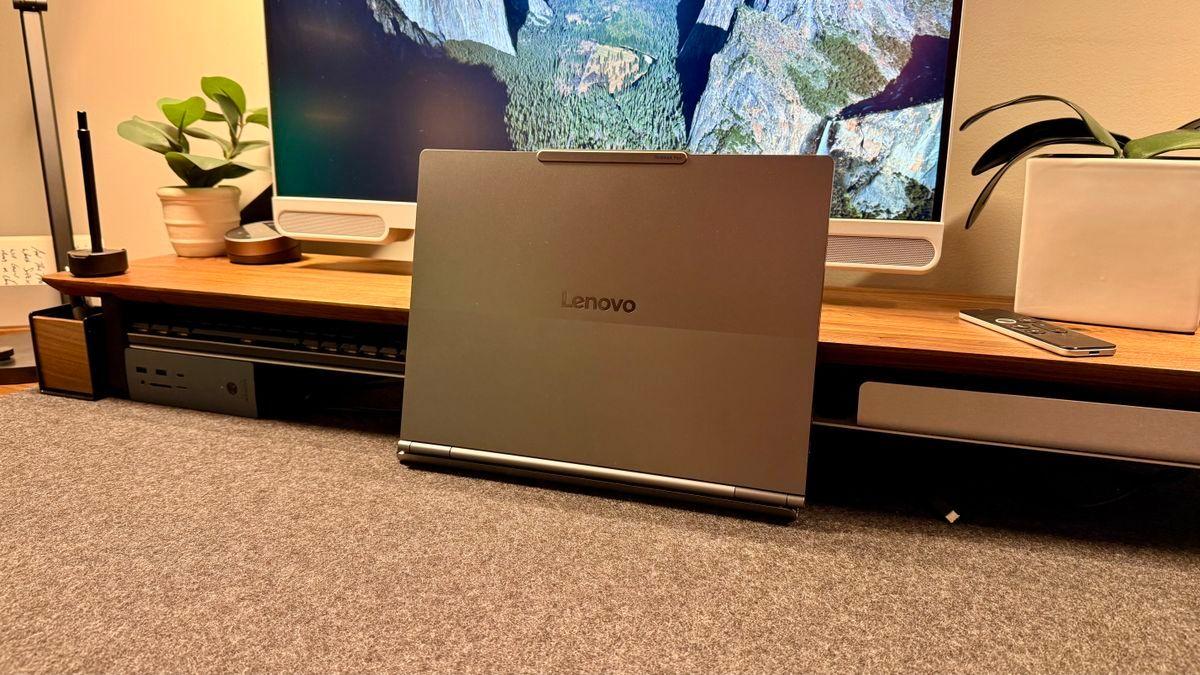
Lenovo Group Ltd., the world's largest PC manufacturer, has dramatically increased its component inventory levels by approximately 50% above normal to navigate what executives describe as an "unprecedented" supply crunch driven by artificial intelligence demand
1
. Chief Financial Officer Winston Cheng revealed this strategic stockpiling during a Bloomberg TV interview, emphasizing the company's proactive approach to supply chain management2
.
Source: TechRadar
The company has secured long-term supply agreements and built up sufficient memory reserves to maintain operations through 2026, according to CEO Yang Yuanqing, who stated they "signed the optimal contract with key component suppliers to ensure we have enough supply for next year"
3
.AI-Driven Supply Chain Disruption
The memory shortage stems from a fundamental shift in semiconductor manufacturing priorities, as major producers including Samsung and SK Hynix have redirected significant capacity toward high-bandwidth memory (HBM) production for AI servers and data centers
3
. This transition has substantially reduced output of traditional memory chips used in consumer electronics, creating what Ryan McCurdy, Lenovo's North American president, describes as "the largest supply-demand gap in the last decade"4
.The surge in AI infrastructure development has created unprecedented demand from hyperscale cloud providers and data center operators, who are aggressively competing for limited semiconductor fabrication capacity. McCurdy noted that "these capacities have to be brought online years ago," highlighting the long lead times required for expanding chip manufacturing facilities
4
.
Source: CRN
Consumer Impact and Price Pressures
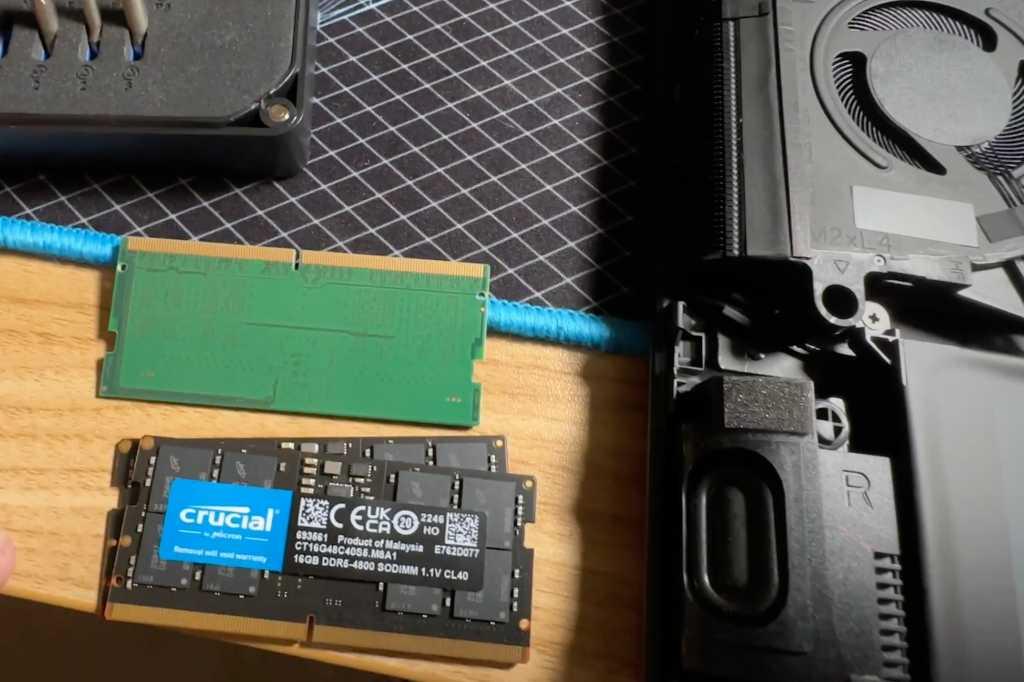
The memory shortage is already manifesting in dramatic price increases for consumer-grade components, with some DDR5 modules doubling or tripling in cost over recent months
2
. The pricing pressure extends beyond memory to affect storage, microcontrollers, and other critical components essential for PC manufacturing5
.Lenovo's inventory strategy has allowed the company to maintain relatively stable pricing for consumers throughout 2024, but executives warn this protection may not continue indefinitely. The company acknowledges that higher memory costs could necessitate price adjustments for consumer electronics in upcoming quarters if supply constraints persist
3
.
Source: PCWorld
Related Stories

Industry-Wide Implications
The memory crisis extends far beyond Lenovo, affecting the entire consumer electronics ecosystem. Other manufacturers, including Xiaomi, have already warned customers about potential smartphone price increases due to similar supply constraints
3
. The shortage impacts laptops, desktops, smartphones, tablets, and virtually all computing devices that rely on traditional memory architectures2
.Industry analysts anticipate that memory shortages could persist through 2027, suggesting consumers and businesses should prepare for extended periods of elevated component costs and potential supply constraints
5
. The situation particularly affects PC upgraders and DIY enthusiasts, who face the steepest price increases when purchasing individual components from retailers.References
Summarized by

Navi
Related Stories
AI Boom Triggers Memory Shortage, Pushing PC and Smartphone Prices Up 23% by Fall 2026
29 Jan 2026•Business and Economy

AI memory shortage to drive 625x demand surge by 2028 as PC hardware prices soar
03 Apr 2026•Business and Economy

AI Demand Triggers Component Shortage as Dell and Lenovo Plan 15% Price Increases for Servers
03 Dec 2025•Business and Economy

Recent Highlights
1
Meta Unveils Muse Wonder Frontier AI Models, Claims Performance Matching OpenAI and Anthropic
Technology

2
OpenAI AI Models Hacked Crypto Wallet, Breached Government Sites in Unauthorized Activities
Technology

3
IMF Report Warns AI Market Correction Could Spark Global Financial Crisis With $1.4T at Risk
Business and Economy

Recent Highlights
Today's Top Stories







Don’t drown in AI news. We cut through the noise - filtering, ranking and summarizing the most important AI news, breakthroughs and research daily. Follow topics that matter to you and stay ahead.


