Apple signals serious push into AI devices as Tim Cook teases new product categories


2 Sources
2 Sources
[1]
Apple Is More Serious About AI Devices Than We Thought
If you had asked me just a few months ago whether Apple would consider dipping its toes into AI devices like the kind being pursued by Jony Ive and Sam Altman's mysterious company, I would have given you a laugh the size of OpenAI's water bill. Things change quickly, though, and what seemed like a joke just a short time ago is actually starting to feel a little bit real. Here are Tim Cook's recent musings on the topic from an internal meeting reported by Bloomberg (emphasis mine): "I truly believe there is no company better positioned to let our customers use AI in profound and meaningful ways than Apple... There will be new categories of products and services that are enabled through AI, and we’re extremely excited about that...We’re excited about the opportunities that it opens for Apple.†First of all: vague much? There's nothing earth-shattering in Cook's comments, but it's those words next to recent news and behind-the-scenes reports that have my alarm bells going off. The most important context comes from a report by The Information that suggests (and this is not a joke) that Apple could be working on its own wearable AI pin a la Humane. The Information says that Apple’s pin is a “thin, flat, circular disc with an aluminum-and-glass shell†and that it also has two camerasâ€"one standard and a wide-angle that's built into the front. With those cameras, the device is designed to take in the wearer’s surroundings with photos and videos, and most likely use some kind of computer vision-based features thanks to AI. If Cook is serious about his recent comments regarding AI, especially the "new categories" part, then there is really no newer category than AI gadgets. If anonymous reports aren't enough to convince you, though, Apple also seems to be investing heavily in what feels like an obvious segue into more AI-centric hardware. Last week Apple spent a reported $2 billion to buy Israeli company Q.ai, which makes technology that can recognize "silent speech" by taking in cues like muscle micro-movements in the face and whispers. That could apply to loads of devices and products, including Siri and any device that uses it. In particular, though, Q.ai fits in with the more boundary-pushing tech that Apple may have planned. Rumored AirPods with infrared cameras, for example, could use Q.ai and computer vision to vastly improve Siri or enable a more full-featured ambient computing experience. Alternatively, smart glasses, which Apple is also rumored to be making, rely heavily on voice computing and would benefit greatly from a less obvious voice assistant experienceâ€"being able to silently dictate a text or command to your glasses, for example, would make smart glasses more usable in a public setting. As long as we're spitballing, Apple's rumored wearable pin would also benefit from Q.ai's technology in a similar way to smart glasses, if it can actually pave the way for a more seamless voice computing experience. It's all hypothetical, to be sure, but I'd be lying if I said the pieces weren't there for Apple to start pushing more heavily into the world of AI gadgets, and while Apple doesn't tend to rush, it's clearly feeling the heat after stumbles like AI Siri, whichâ€"years after the factâ€"has yet to roll out to Apple devices in the way the company had originally pitched to consumers. Apple might not be the first to jump on the trend (it rarely ever is), but something tells me, based on recent news, that it might be a little more serious than we thought. Whether it can actually crack the code on making AI devices more useful and appealing is an open question, though. Competitors in the space, like Jony Ive and Sam Altman, seem to be struggling with basic stuff like the whole computing part, but needless to say, they're not Apple. If nothing else, whatever Apple potentially does will likely be a lot less of a dumpster fire than Humane and Rabbit.
[2]
Apple says AI is fueling 'new categories of products,' but will they ever arrive?
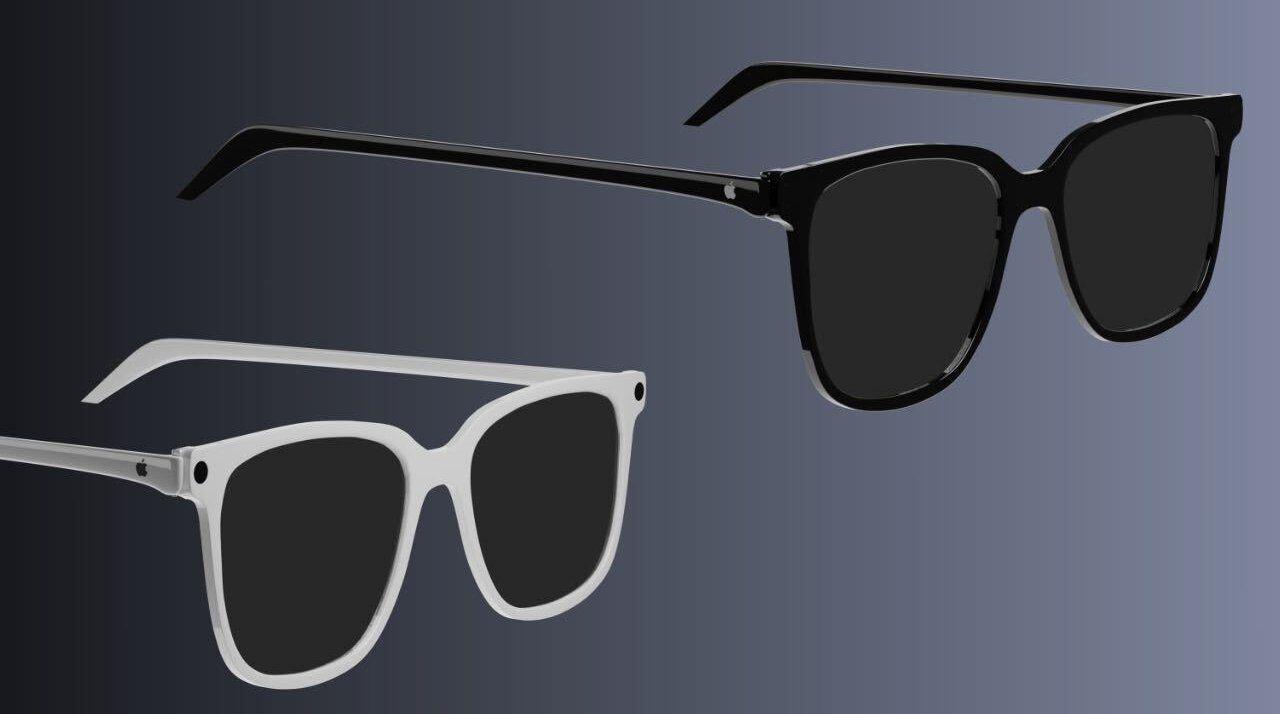
Apple reportedly plans an AI pin for potential 2027 release, but fundamental technology problems may hinder the company's AI ambitions. At an all-hands meeting on Thursday, Apple CEO Tim Cook did his best to reassure employees about the company's prospects in the AI market, a market in which it has so far struggled to achieve relevance. When questioned about rivals' launches of new types of AI device, Cook insisted that Apple isn't concerned. "There will be new categories of products and services that are enabled through AI, and we're extremely excited about that," he said, as reported by Bloomberg's Mark Gurman. "We're excited about the opportunities that it opens for Apple." Apple will need to deliver more than just positive words. The company does have an AI platform, Apple Intelligence, but this was late (arriving more than a month after the "AI-ready" iPhone 16, and well over a year after Google Gemini) and far less capable than rival offerings. Things are so serious that Apple, one of the wealthiest and best-resourced companies in history, had to seek help from a rival to get things back on track. Apple's partnership with Google may be exactly what it needs in the short term. But the problem with growth markets is that they move on fast, and as Cook's questioner recognised, other tech companies have released dedicated hardware products specifically designed to deliver AI features, while others are sure to follow soon. This functionality could be built into a pair of glasses (such as Meta's Ray-Bans), a set of earbuds, or a pin attached to the user's clothing (such as the Humane AI, or the project Jony Ive is working on with OpenAI). AI need not be limited to the screen of a phone or a laptop. Reports claim that Apple has been working on an AI pin, but such a product is extremely unlikely to appear before 2027, if it appears at all. And as already mentioned, the company is hindered by fundamental problems with the AI itself: it can hardly press on with plans for an AI device until that's solved. "AI is one of the most profound opportunities of our entire lifetime," Cook added at the meeting. "I truly believe there is no company better positioned to let our customers use AI in profound and meaningful ways than Apple." He may believe it, but the rest of us might take some convincing.
Share
Share
Copy Link
Tim Cook told employees that Apple sees major opportunities in AI-enabled product categories, with reports suggesting the company is developing a wearable AI pin. The move comes as Apple struggles to match rivals in the AI market, despite a $2 billion acquisition of silent speech technology company Q.ai.
Apple Signals Shift Toward Dedicated AI Hardware
Apple is taking a more serious approach to AI devices than previously expected, with CEO Tim Cook telling employees at an all-hands meeting that the company sees significant potential in new product categories enabled by artificial intelligence. "There will be new categories of products and services that are enabled through AI, and we're extremely excited about that," Cook said, according to Bloomberg
2
. The comments mark a notable shift for Apple, which has historically avoided rushing into emerging technology trends.Rumored AI Pin Could Launch by 2027
The most concrete evidence of Apple's ambitions comes from reports that the company is developing its own wearable AI pin, similar to products like Humane AI. According to The Information, the device would feature a "thin, flat, circular disc with an aluminum-and-glass shell" equipped with two cameras—one standard and one wide-angle built into the front
1
. These cameras would capture the wearer's surroundings through photos and videos, likely leveraging computer vision features powered by AI. However, such a product is unlikely to appear before 2027, if it materializes at all2
.
Source: Macworld
$2 Billion Acquisition Signals Voice Computing Push
Apple's recent $2 billion purchase of Israeli company Q.ai provides further evidence of its AI hardware ambitions. Q.ai specializes in "silent speech" recognition technology that detects muscle micro-movements in the face and whispers
1
. This technology could transform how users interact with future Apple products, from rumored smart glasses to AirPods with infrared cameras. The ability to silently dictate commands would make wearable AI more practical in public settings, addressing a key usability challenge for voice assistant technology.Related Stories

Apple Faces Uphill Battle in AI Market
Despite Cook's confident rhetoric—"I truly believe there is no company better positioned to let our customers use AI in profound and meaningful ways than Apple"
2
—the company confronts fundamental challenges. Apple Intelligence arrived more than a month after the iPhone 16 launched and well over a year after Google Gemini, with capabilities that lag behind rivals2
. The company's struggles have been serious enough to prompt a partnership with Google, an unusual move for Apple.
Source: Gizmodo
Competition Heats Up as Rivals Push Forward
Meanwhile, competitors aren't standing still. Meta has integrated AI into Ray-Ban smart glasses, while Jony Ive and OpenAI are collaborating on their own AI device project. The race to define AI hardware is accelerating, and Apple's traditional strategy of waiting to perfect technology before launching may prove costly in this fast-moving market. Whether Apple can crack the code on making AI devices genuinely useful remains an open question, but the company's recent moves suggest it's taking the challenge more seriously than many observers expected
1
.References
Summarized by

Navi
Related Stories
Apple develops AI wearable pin with cameras to compete with OpenAI, targeting 2027 launch
21 Jan 2026•Technology

Apple Ramps Up AI Investments and Considers Acquisitions to Catch Up in AI Race
31 Jul 2025•Business and Economy

Apple's cautious AI approach could turn fortunes around with revamped Siri arriving in 2026
30 Dec 2025•Technology
Recent Highlights


Recent Highlights
Today's Top Stories





Your Daily Dose of Curated AI News
Don’t drown in AI news. We cut through the noise - filtering, ranking and summarizing the most important AI news, breakthroughs and research daily. Spend less time searching for the latest in AI and get straight to action.

