Apple's cautious AI approach could turn fortunes around with revamped Siri arriving in 2026


6 Sources
[1]
Apple needs to deliver an AI-charged Siri so good it gets older iPhone users to upgrade
California's Ro Khanna faces Silicon Valley backlash after embracing wealth tax Following an exodus of top execs, including AI boss John Giannandrea, Apple said it has the team in place to deliver the Siri upgrade in 2026, which could come as much as 21 months after the original
[2]
Apple may see the future of LLMs very differently than most: report - 9to5Mac
Apple has been subject to a lot of criticism over its AI strategy, especially after it delayed several powerful Siri upgrades earlier this year. But a new report may help explain why, in part, Apple's AI approach differs so much from competitors. There's no shortage of critiques of Apple's AI
[3]
Report: Apple's AI Strategy Could Finally Pay Off in 2026
Apple's restrained artificial intelligence strategy may pay off in 2026 amid the arrival of a revamped Siri and concerns around the AI market "bubble" bursting, The Information argues. The speculative report notes that Apple has taken a restrained approach with AI innovations compared with peers
[4]
AppleInsider.com
Against the backdrop of long-overdue Siri features, a new report argues that Apple's cautious AI approach could be one of its biggest advantages in 2026. Apple's artificial intelligence endeavors continue to be the subject of speculation, even as we move closer to the planned contextually aware
[5]

Apple Could Emerge as a Major AI Powerhouse in 2026: Report
Apple has been investing in AI infrastructure and partnership deals Apple's journey in the artificial intelligence (AI) space has been lacklustre. The Cupertino-based tech giant first announced its foray into the space with Apple Intelligence at its Worldwide Developers Conference (WWDC) in 2024.
[6]

Apple may plan AI comeback in 2026 with focus on software integration: Here's what we know so far
Apple is betting on deep ecosystem integration across iPhones and other devices instead of building costly proprietary AI models. Apple's approach to AI may begin to show results in 2026, as per the Information, even as rivals continue to pour massive sums into AI infrastructure and model
Share
Copy Link
After a disappointing 2024, Apple's restrained AI strategy may prove advantageous as competitors pour hundreds of billions into data centers. With over $130 billion in cash reserves and a major Siri overhaul slated for spring 2026, the iPhone maker is positioned to capitalize if the AI spending bubble bursts. The company believes Large Language Models will become commoditized, making its hardware and software integration the key differentiator.
Apple AI Takes a Different Path as Competitors Spend Billions
While OpenAI, Google, and Meta have invested hundreds of billions of dollars in data centers, chips, and Large Language Models training, Apple has adopted a cautious AI approach that industry observers now believe could pay off significantly
1
3
. The iPhone maker's restrained AI spending has left it with more than $130 billion in cash reserves and marketable securities, providing substantial flexibility for acquisitions or partnerships if AI startup valuations decline3
4
.
Source: Digit
Apple's journey in artificial intelligence has been rocky since announcing Apple Intelligence at WWDC 2024. The company faced criticism for delayed features and an AI-powered Siri upgrade that still hasn't materialized, coming as much as 21 months after the original announcement
1
5
. Following an exodus of top executives, including AI boss John Giannandrea who announced his retirement in December, Apple reorganized its AI efforts under Mike Rockwell, known for launching the Apple Vision Pro headset3
4
.Spring 2026 Siri Overhaul Could Drive iPhone Upgrade Cycle
The long-anticipated Siri upgrade is expected to arrive in spring 2026, representing Apple's biggest AI-related move
5
. The updated assistant will be more conversational and capable of completing multi-step tasks, potentially powered by Google Gemini rather than proprietary models3
. This partnership approach reflects internal views among Apple leadership that Large Language Models will become commodities in coming years, making massive proprietary development spending difficult to justify2
4
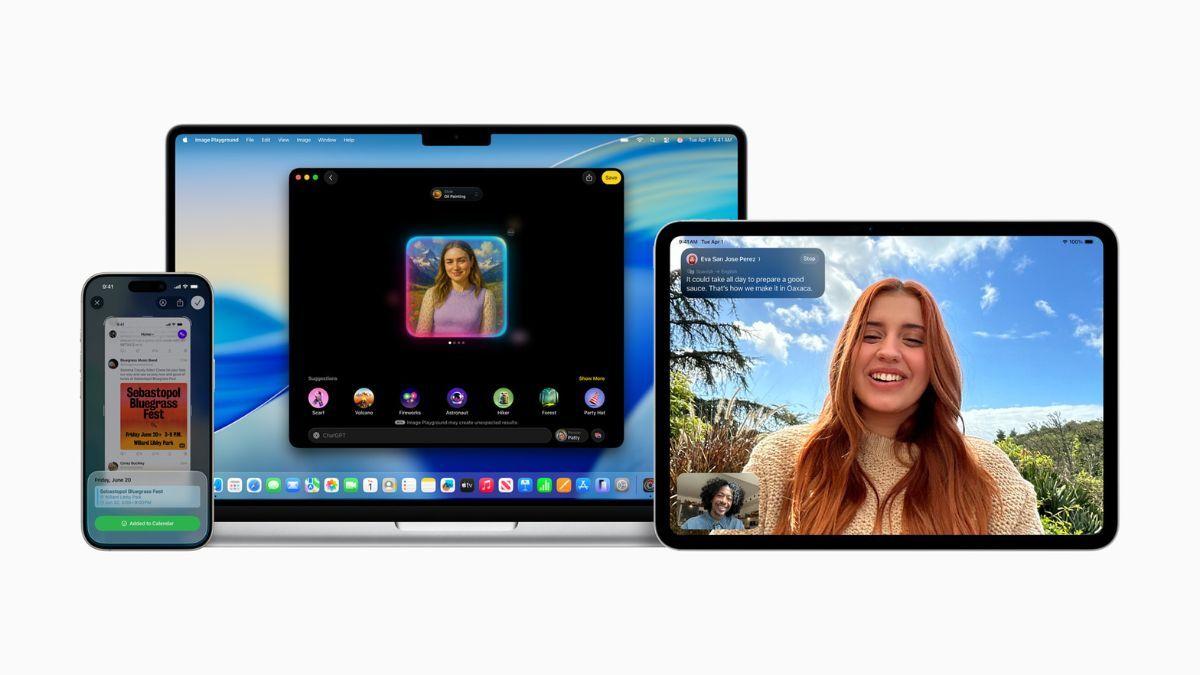
.
Source: Gadgets 360
For investor confidence and sales growth, Apple needs the new Siri to be exceptional—not just matching ChatGPT and Gemini capabilities, but compelling enough to drive an iPhone upgrade cycle among users with older devices
1
. Currently, users need an iPhone 15 Pro or better to access Apple Intelligence features. Unlike the $20-per-month OpenAI charges for ChatGPT, Apple doesn't charge for Apple Intelligence, meaning its only revenue path is leveraging AI features to move new iPhones, Macs, and iPads1
.Related Stories


Hardware and Software Integration Gives Apple Strategic Edge
Apple's control over hardware and software integration represents a significant advantage that AI competitors struggle to replicate
3
4
. The iPhone serves as an ideal delivery mechanism for AI features through system-level integrations and software updates, while AI companies attempting to build competing hardware face major challenges in manufacturing, distribution, and ecosystem development3
. The company has built infrastructure with Private Cloud Compute and NPU-enabled chipsets in devices optimized for AI workloads5
.Market sentiment toward AI spending is showing signs of skepticism, with questions emerging over whether massive investments can be justified by near-term revenue
3
. If Apple leadership's belief that LLMs will become commoditized proves accurate, the company's success will depend less on bespoke models and more on controlling the hardware, software, and services that AI runs on—areas where Apple excels2
. Apple still maintains a team working on internal models for future use, providing optionality as the AI landscape evolves2
4
. The company's focus on building partnerships with AI companies including OpenAI, Anthropic, and reportedly Google positions it strategically without massive capital commitments5
.
Source: AppleInsider
References
Summarized by

Navi
[4]
[5]
Related Stories
Recent Highlights



Recent Highlights
Today's Top Stories





Don’t drown in AI news. We cut through the noise - filtering, ranking and summarizing the most important AI news, breakthroughs and research daily. Follow topics that matter to you and stay ahead.


