Australia enforces age verification for adult content, AI chatbots, and R18+ video games


3 Sources
3 Sources
[1]
Porn ban: Australians must prove they are over 18 to access adult content under new laws
Australians must prove they are over 18 before they can access adult content such as porn, R-rated video games and sexually explicit AI chatbots, under new laws. The changes will protect children from harmful content with platforms to be fined for breaches, Australia's online safety regulator said. "We don't allow children to walk into bars or bottle shops, adult stores or casinos, but when it comes to online spaces... there are no such safeguards," Julie Inman Grant said. Experts say the new laws - which come three months after Australia introduced a social media ban for under-16s - will face similar issues as users try to trick age-verification technologies and concerns over data privacy. In Australia, as in many countries, users visiting adult sites are usually asked to verify their age by clicking on a box that says they are over 18. But the new changes mean platforms must introduce stricter age-verification checks from Monday. This can include facial recognition technology, digital IDs and credit card details. Under the new rules, search engines, app stores, social media and gaming platforms, porn sites and AI systems - including companion chatbots - must take "meaningful steps" to prevent children from being exposed to adult content. "If a young person searches the internet for suicide or self-harm content, the first result they see will be a helpline - not a harmful online rabbit hole," Inman Grant, Australia's eSafety Commissioner, said in the lead-up to the new rules. Research by her agency found that one in three children aged 10 to 17 had seen sexual images or videos online. It also found that more than 70 per cent of children had been exposed to online content showing high-impact violence, self-harm and suicide material and information on disordered eating. Days before the new measures came into effect, Australian news site Crikey reported that RedTube, YouPorn and Tube8 - all owned by Canadian porn giant Aylo - had stopped all Australians from registering accounts and accessing content. A spokesperson for Aylo said while it would comply with the new rules, it did not think the move would protect children and "instead creates harms relating to data privacy and exposure to illegal content on non-compliant platforms". Dr Rahat Masood, who teaches cyber security at the University of New South Wales (UNSW) said the new laws will have limited impact. "Age-verification laws may raise barriers but are unlikely to completely prevent young people from accessing restricted content," she said. Most youngsters are very digitally savvy, she said, using VPNs (virtual private networks) or other tools to trick sites into thinking they are logging on from another country. Using a parent's credit card or ID would also be a fairly easy way to get around the rules. A greater concern is if young people seek darker corners of the web, Masood said, such as overseas adult websites that are not regulated, peer-to-peer file sharing networks or getting adult material from platforms like Telegram, Discord or WhatsApp where age-checks are limited. She said the new rules may reduce casual or accidental exposure to harmful material but adult users will also be worried about their data privacy. "For many people, there is a discomfort with linking identity verification to highly personal browsing activity," Masood said. Sabrina Caldwell, who lectures in ethics in technology at UNSW, agrees the changes will be flawed, much like the social media ban, but they will create an extra barrier. "For many children - and adults for that matter - this will be effective in helping them to avoid startling or unsettling imagery and information without warning," she said. "And even if they do sneak onto such sites, they should be aware of the dangers they may encounter." But critics say the age-verification rules for social media and adult content were moves that society will "absolutely regret" in years to come. Seth Lazar, a philosophy professor at the Australian National University, says the new measures were "extremely misguided, both as a matter of technological practice and from the perspective of liberal values". "Instead of these crude, circumventable policies that create an infrastructure of private companies effectively doing law enforcement, they should just mandate that every operating system provider has to create genuinely functional parental controls apps that meet a set of minimum criteria," Lazar said. "Build tech to support parents, not to replace their judgment." Last July, the UK introduced new laws for porn sites to "robustly" age-check users or risk fines of up to £18m, or 10% of worldwide revenue.
[2]
Australia adds age checks to AI chatbots, video games, search engines
Australia called it a "common sense" measure that extends real-life protections for children into the digital realm. After introducing some of the world's toughest restrictions on children's social media use, Australia is widening its push to make the internet safer for young users by targeting mature video games, pornography, and even artificial intelligence (AI) chatbots. Australia's so-called Age-Restricted Material Codes require online platforms to verify the age of any user trying to access content that could be inappropriate for children. This includes high-impact violence, pornography, self-harm, suicide or disordered eating. The new legislation will come into force this week. In practical terms, age verification will now be required across a wide range of online services: app store purchases, video games rated 18+, pornography websites, and search engines. The regulations will make sure that a child gets the help they need if looking for self-harm or suicide content, said Julie Inman Grant, Australia's e-safety commissioner. "Any time a child searches for suicide or self-harm content, the first result they will see is a helpline, not a harmful online rabbit hole," Grant said in a statement. She described the legislation as a "common-sense measure" that extends protections used in the physical world to the digital one. "We don't allow children to walk into bars or bottle shops, adult stores or casinos, but when it comes to online spaces where they are spending a lot of their time, there are no such safeguards," Grant said. The new rules will also apply to chatbots that are able to generate sexual or graphic content. Platforms that generate elicit AI material must confirm that users are at least 18 years old either when users log in or when they send a request for that type of content. The move comes after several lawsuits in the United States alleging that teenagers have committed suicide or self-harm after the recommendations of their AI chatbots. Australia has already taken a leading role in regulating young people's online access. In December, it became the first country in the world to restrict social media accounts for children under 16. It means minors can no longer create their own accounts on platforms such as Facebook, X, Threads, Snapchat, Instagram, TikTok, Twitch, Reddit, and Google-owned YouTube, though they can still view some content without logging in. Since then, many countries have started debating whether they should put in place similar measures, including the United Kingdom, Portugal, France, Spain, Italy, Greece, Finland, and Germany.
[3]
Australia Age Verification Rules Take Effect for Porn, AI Chatbots
You can access the official documents here: Register of codes and standards | eSafety media release | Compliance guidance (PDF) Six new age verification codes came into effect in Australia on March 9, 2026, requiring proof of age to access pornography, R18+ games, adult apps, and explicit AI chatbots. The rules apply to any service accessible in Australia and carry penalties of up to A$49.5 million ($34.5 million) per breach. The codes were developed by industry associations and registered by eSafety Commissioner Julie Inman Grant under the Online Safety Act 2021. Three earlier codes for search engines, hosting services, and internet carriers took effect on December 27, 2025, meaning Google and Bing already blur pornographic and violent results for logged-out users and those under 18. What about AI chatbots? Companion chatbots and generative AI services capable of producing sexually explicit content, high-impact violence, or self-harm material must verify that users are 18+, either at login or when generating restricted content. This applies to AI services with adult-content capabilities, not general-purpose chatbots. Privacy protections: All methods must comply with Australian privacy laws. The government does not collect or manage verification data. it is handled by the service provider or their accredited third-party partner. No Australian is required to use government ID if alternative methods are available. How did the market respond? Virtual Private network (VPN) downloads surged on March 9. Three VPN apps ranked in the top 15 free smartphone apps, with VPN, Super Unlimited Proxy ranking ahead of all social media platforms on Apple's App Store. VPN use is legal in Australia, and these tools allow users to bypass restrictions by hiding their location through IP addresses from other countries. Rather than implement age verification, major porn site owner Aylo chose to block Australian access to some platforms (RedTube, YouPorn) and show only safe-for-work versions of others (Pornhub). How will this be enforced? The eSafety Commissioner monitors compliance, investigates complaints, and can use formal investigation powers. Civil penalties reach up to A$49.5 million per breach of a direction to comply with the codes. Companies must test and monitor the effectiveness of their age-verification measures over time. Enforcement will focus on systemic non-compliance, rather than individual violations. Australians can report non-compliant services directly to eSafety. What's the Implementation timeline? Indian context: The Australian model is also influencing policy debates in other countries, including India. In March 2026, Karnataka became the first Indian state to propose banning social media for children under 16, while Andhra Pradesh announced restrictions for those under 13. However, critics warn that blanket age bans ignore how children develop agency between ages 13-18 and risk deepening India's digital gender divide, particularly if families use these restrictions to keep girls offline.
Share
Share
Copy Link
Australia has activated sweeping age verification laws requiring platforms to verify user ages before granting access to pornography, R18+ games, and sexually explicit AI chatbots. The rules carry penalties up to A$49.5 million per breach, but experts warn about VPN workarounds and data privacy concerns as major porn sites block Australian users rather than comply.
Australia Activates Strict Age Verification Rules Across Digital Platforms
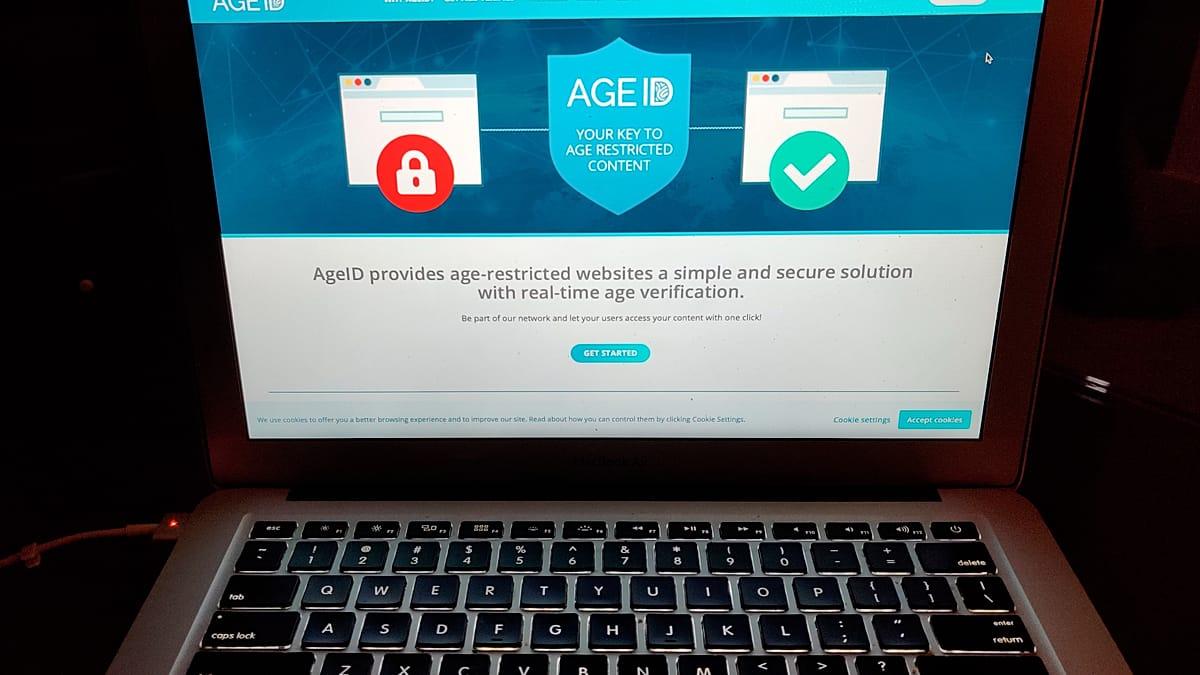
Australia has implemented comprehensive age verification laws that fundamentally reshape how Australians access adult content online. The new regulations, which took effect on March 9, 2026, require platforms to verify that users are over 18 before granting access to pornography, R18+ video games, sexually explicit AI chatbots, and other age-restricted material
1
. The Australian age verification laws extend beyond simple checkbox confirmations, mandating stricter methods including facial recognition technology, digital IDs, and credit card verification1
.
Source: Euronews
eSafety Commissioner Julie Inman Grant defended the measures as common sense, stating: "We don't allow children to walk into bars or bottle shops, adult stores or casinos, but when it comes to online spaces... there are no such safeguards"
1
. The regulations apply to search engines, app stores, social media platforms, gaming services, porn sites, and AI systems including companion chatbots1
. These six new codes were developed by industry associations and registered under the Online Safety Act 2021, with fines for non-compliance reaching up to A$49.5 million ($34.5 million) per breach3
.Age Checks for AI Chatbots Target Generative AI Risks
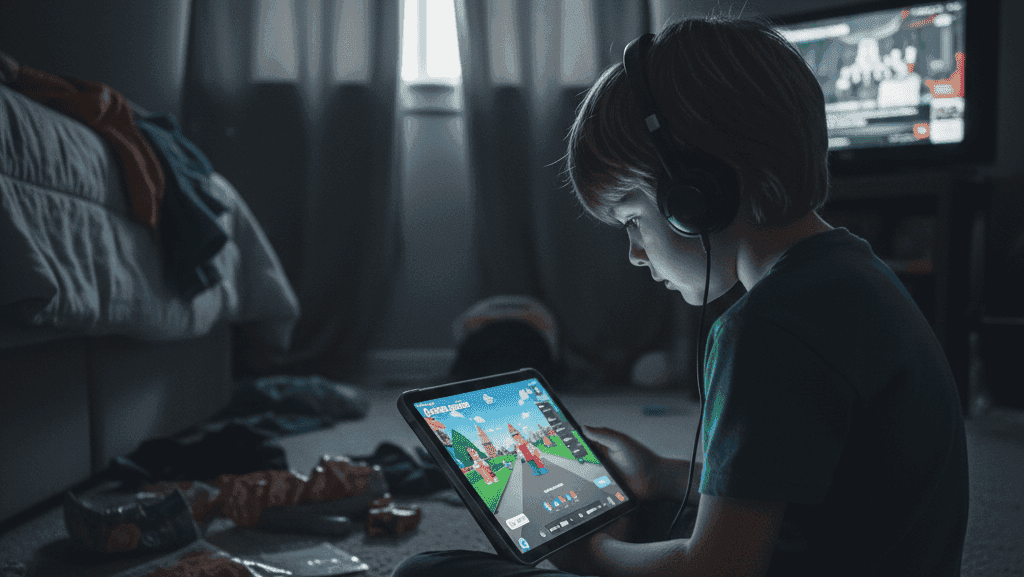
The legislation specifically addresses emerging concerns about age checks for AI chatbots capable of generating explicit or harmful material. Companion chatbots and generative AI services that can produce sexually explicit content, high-impact violence, or self-harm content must now verify users are 18 or older, either at login or when generating restricted content
3
. This provision applies to AI services with adult-content capabilities, not general-purpose chatbots3
.The move follows several lawsuits in the United States alleging that teenagers committed suicide or self-harm after recommendations from their AI chatbots
2
. Julie Inman Grant emphasized that when a child searches for self-harm content or suicide material, "the first result they will see is a helpline, not a harmful online rabbit hole"2
. Research by her agency found that one in three children aged 10 to 17 had seen sexual images or videos online, while more than 70 percent had been exposed to online content showing high-impact violence, self-harm and suicide material, and information on disordered eating1
.
Source: MediaNama
Industry Response Reveals Implementation Challenges
The market response to accessing adult content restrictions has been immediate and dramatic. VPN downloads surged on March 9, with three VPN apps ranking in the top 15 free smartphone apps and VPN, Super Unlimited Proxy ranking ahead of all social media platforms on Apple's App Store
3
. VPN use remains legal in Australia, allowing users to bypass restrictions by masking their location through IP addresses from other countries3
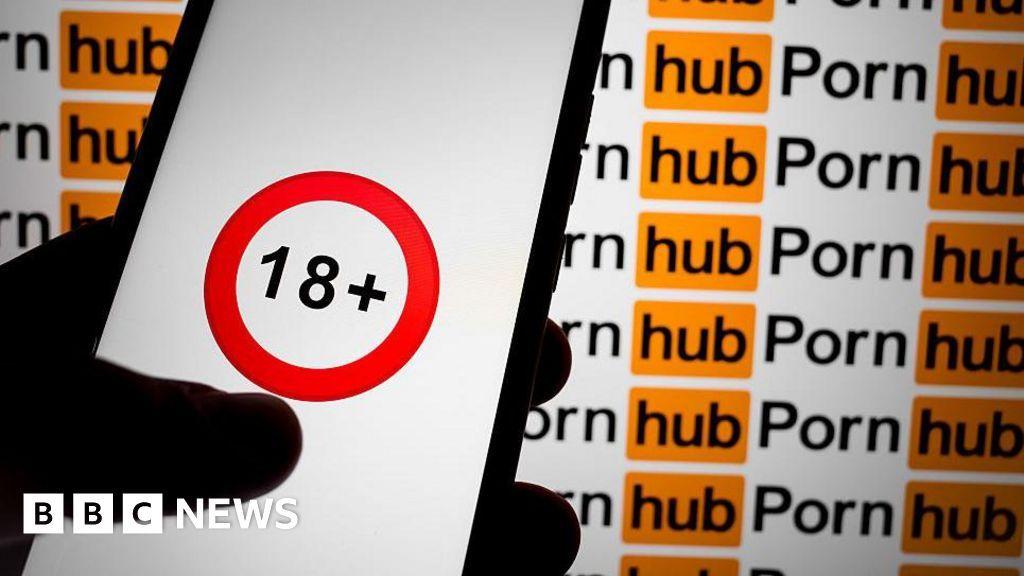
.Canadian porn giant Aylo, which owns RedTube, YouPorn, Tube8, and Pornhub, chose to block Australian access to some platforms rather than implement age verification
1
3
. An Aylo spokesperson said while the company would comply with the new rules, it believed the move would not protect children and "instead creates harms relating to data privacy and exposure to illegal content on non-compliant platforms"1
.
Source: BBC
Related Stories

Data Privacy Concerns and Enforcement Questions
Experts have raised significant data privacy concerns about linking identity verification to highly personal browsing activity. Dr. Rahat Masood, who teaches cyber security at the University of New South Wales, said the new laws will have limited impact, noting that "age-verification laws may raise barriers but are unlikely to completely prevent young people from accessing restricted content"
1
. Most youngsters can use VPNs or other tools to trick sites, or simply use a parent's credit card or ID to circumvent the rules1
.Masood warned that young people might seek darker corners of the web, such as overseas adult websites that are not regulated, peer-to-peer file sharing networks, or platforms like Telegram, Discord, or WhatsApp where age checks are limited
1
. The government has clarified that it does not collect or manage verification data—it is handled by service providers or their accredited third-party partners, and no Australian is required to use government ID if alternative methods are available3
.Online Protection for Children Drives Global Policy Debates
The Australian initiative builds on the country's December 2025 social media ban for children under 16, making it the first nation to restrict social media accounts for minors
2
. Since then, many countries including the United Kingdom, Portugal, France, Spain, Italy, Greece, Finland, and Germany have started debating similar measures2
. The UK introduced laws in July requiring porn sites to robustly age-check users or risk fines up to £18 million or 10 percent of worldwide revenue1
.Critics argue these measures are misguided. Seth Lazar, a philosophy professor at the Australian National University, called the policies "extremely misguided, both as a matter of technological practice and from the perspective of liberal values"
1
. He advocated instead for mandating that operating system providers create functional parental controls apps that meet minimum criteria, arguing authorities should "build tech to support parents, not to replace their judgment"1
. The eSafety Commissioner will monitor compliance, investigate complaints, and focus enforcement on systemic non-compliance rather than individual violations3
.References
Summarized by

Navi
Related Stories
Australia targets app stores and search engines in sweeping AI age verification crackdown
01 Mar 2026•Policy and Regulation

Australia Pioneers 'Minimally Invasive' Age Checks for Teen Social Media Ban
16 Sept 2025•Policy and Regulation

Age verification tech matures as governments push aggressive online safety laws for kids
09 Mar 2026•Policy and Regulation

Recent Highlights
1
Google releases Gemma 4 with Apache 2.0 license, enabling unrestricted local AI on devices
Technology

2
AI Models Lie and Deceive to Protect Other AI Models From Deletion, Study Reveals
Science and Research

3
OpenAI closes $122 billion funding round amid fierce AI competition and profitability questions
Startups

Recent Highlights
Today's Top Stories






Your Daily Dose of Curated AI News
Don’t drown in AI news. We cut through the noise - filtering, ranking and summarizing the most important AI news, breakthroughs and research daily. Spend less time searching for the latest in AI and get straight to action.

