Bank of England governor warns artificial intelligence will displace jobs across UK economy


4 Sources
4 Sources
[1]
AI likely to displace jobs, says Bank of England governor
However, he warned that there was an issue with younger, inexperienced professionals finding it difficult to secure entry-level roles due to AI. "We do have to think about, what is it doing to the pipeline of people? Is it changing it or not?" he said. "I think if it's people working with AI, I'm not sure it will change the pipeline, but I think we're right to have a have an eye on that point." Artificial intelligence has become part of everyday life in recent years and is increasingly being adopted by businesses and the public sector. The technology allows computers to process large amounts of data, identify patterns and follow detailed instructions about what to do with that information. However, there are concerns over the impact it may already be having on the jobs market. Official figures released this week revealed the UK unemployment rate rose to 5.1% in the three months to October, with younger workers particularly affected. The number of unemployed 18 to 24-year-olds increased by 85,000 in the three months to October, the largest rise since November 2022, according to the Office for National Statistics (ONS). Some have argued rises to the minimum wage and increased taxes has made it less appealing for businesses to hire entry-level staff. However, some firms have said the growth of AI may eventually lead to fewer junior staff, particulary graduates being hired. Entry-level professional jobs are thought to be most impacted by AI, particularly in sectors such as law, accountancy and administration. The boss of accountancy giant PwC recently told the BBC that the firm was scaling back plans to increase its headcount. "Now we have artificial intelligence. We want to hire, but I don't know if it's going to be the same level of people that we hire - it will be a different set of people," said global chairman Mohamed Kande. Firms who would have previously contracted PwC consultants to sift through data and documents may now use AI models instead, turning weeks of costly work into minutes. Mr Bailey said worries over the impact of technology on populations cropped over at various times in history, stretching back centuries to when Queen Elizabeth I was worried about the impact of the invention of the knitting machine on her then subjects. "As you saw in the Industrial Revolution, now over time, I think we can now sort of look back and say it didn't cause mass unemployment, but it did displace people from jobs and this is important. "My guess would be that it's most likely that AI may well have a similar effect. So we need to be prepared for that, in a sense." Mr Bailey said AI was the "most likely source of the next leg up" for UK economic growth. "In terms of its potential to improve productivity growth, I think it's pretty substantial. It will get used across the economy. How quickly it comes through is another question, history would suggest that it does take some time." Mr Bailey said the Bank of England, which sets UK interest rates, were using AI but added the institution, along with others, were "probably all still experimenting". "To get it into sort of mainstream, everyday use will take some time, but it's critically important that we obviously focus on getting the pre-conditions and all the conditions in place for that to happen," he added.
[2]
AI is likely to replace jobs, Bank of England governor warns
Those who are prepared with the right skills should see the least disruption Bank of England Governor Andrew Bailey has likened artificial intelligence to the Industrial Revolution, suggesting the productivity-aiding tech could indeed force people out of certain roles. However key to Bailey's proposition is that AI wouldn't necessarily lead to mass unemployment, we're just in the midst of one of the biggest shifts in human history. As such, the governor highlighted the need for upskilling and retraining, noting that workers with the right training, education and skills will find it "a lot easier" to find employment in an AI-first era. Bailey did admit that some workers may find it harder than others. With AI capable of handling many repetitive and administrative tasks autonomously, he warned that younger and less experienced workers may struggle to access entry-level roles, indicating that the bar for entry could move higher. The BBC reported that youth unemployment in the UK is already on the rise, at 5.1% per the most recent quarterly data. The Office for National Statistics found that unemployment among 18-to-24-year-olds is at the highest level since November 2022, which is when ChatGPT launched in public preview and AI really started to go mainstream. "In terms of its potential to improve productivity growth, I think it's pretty substantial," he said on BBC Radio 4's Today program about the tech's effects on the UK. "It will get used across the economy." The Bank of England is already implementing artificial intelligence, however it's still in an experimental phase. Separately, the Bank of England is also keeping an eye on whether AI firm valuations risk a bubble similar to the Dotcom era. But for now, many large firms are still generating strong enough cashflow to subside these worries. "We're watching it very closely, because we do need to watch, obviously, what the consequences of any sharp unwinding could be," he added.
[3]
BofE governor: AI likely to displace jobs
This content has been selected, created and edited by the Finextra editorial team based upon its relevance and interest to our community. Speaking to BBC radio, Andrew Bailey compared AI to the Industrial Revolution, which "didn't cause mass unemployment, but it did displace people from jobs and this is important". He continued: "My guess would be that it's most likely that AI may well have a similar effect. So we need to be prepared for that, in a sense." A recent market survey conducted by Bloomberg Intelligence suggested that global banks will cut as many as 200,000 jobs in the next three to five years as AI encroaches on tasks currently carried out by human workers. Bank bosses have also been clear that they see AI affecting workers, with JPMorgan CEO Jamie Dimon stating in October: "I don't think people should put their heads in the sand it's going to affect jobs...there will be jobs it eliminates." Bailey said the UK needs to prepare for the growing importance of AI by having the "training, education, [and] skills in place" that allows workers to make the transition. "In terms of its potential to improve productivity growth, I think it's pretty substantial. It will get used across the economy. How quickly it comes through is another question, history would suggest that it does take some time," according to the governor.
[4]
UK needs to be prepared for displacement of jobs due to AI -- BoE chief
(Alliance News) - The UK needs to be prepared for people to be "displaced from jobs" due to the rise of artificial intelligence, AI, the governor of the Bank of England has said. In an interview with BBC Radio 4's Today programme, Andrew Bailey said the widespread adoption of AI could have a similar impact on the job market to the industrial revolution, when there were concerns over the impact of technology on populations. "As you saw in the industrial revolution, now over time, I think we can now sort of look back and say it didn't cause mass unemployment, but it did displace people from jobs and this is important," Bailey said. "My guess would be that it's most likely that AI may well have a similar effect. So we need to be prepared for that, in a sense." Bailey said it would likely be "a lot easier" for people looking for employment to secure a job if they had "training, education, [and] skills" around AI in place. "We do have to think about, what is it doing to the pipeline of people? Is it changing it or not?" he said. "I think if it's people working with AI, I'm not sure it will change the pipeline, but I think we're right to have a have an eye on that point." He added AI's potential to improve the nation's economy was "pretty substantial", but stressed: "How quickly it comes through is another question, history would suggest that it does take some time." By John Besley, Press Association
Share
Share
Copy Link
Bank of England Governor Andrew Bailey compared artificial intelligence to the Industrial Revolution, warning that while AI won't cause mass unemployment, it will displace workers from jobs. He emphasized the urgent need for training and education as UK unemployment hits 5.1%, with youth unemployment rising sharply since ChatGPT's launch in November 2022.
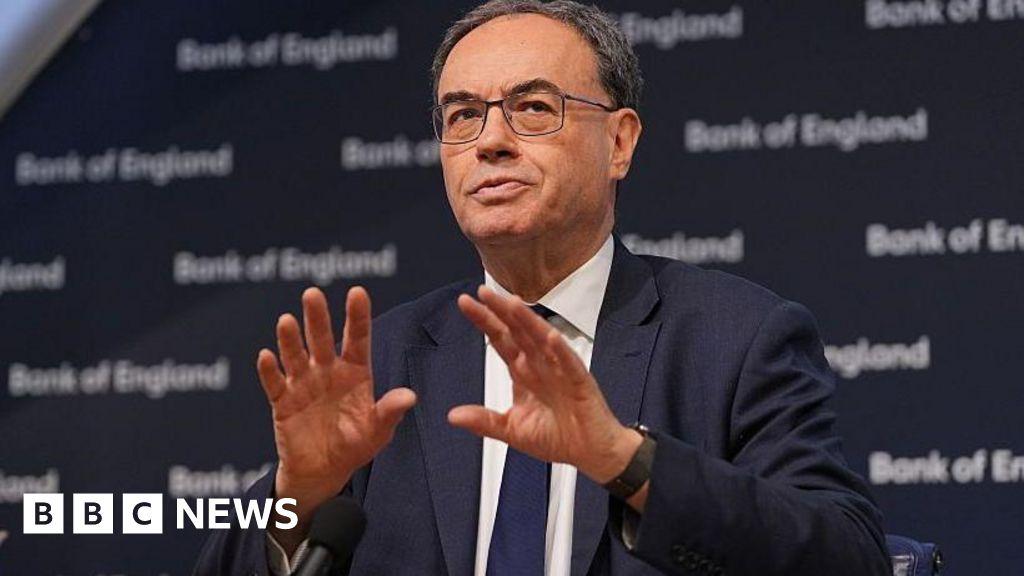
Bank of England Governor Draws Parallels to the Industrial Revolution
Bank of England Governor Andrew Bailey has issued a stark warning about artificial intelligence and its inevitable impact on the UK workforce, drawing parallels to the Industrial Revolution in a BBC Radio 4 interview
1
. While Bailey doesn't predict mass unemployment, he emphasized that job displacement is coming and the nation must prepare accordingly. "As you saw in the Industrial Revolution, now over time, I think we can now sort of look back and say it didn't cause mass unemployment, but it did displace people from jobs and this is important," Bailey explained1
. His comments arrive as the rise in UK unemployment reaches 5.1% in the three months to October, according to the Office for National Statistics, with younger workers bearing the brunt of these shifts1
.Challenges for Entry-Level Roles Hit Younger Workers Hardest
The data paints a concerning picture for those entering the workforce. The number of unemployed 18 to 24-year-olds increased by 85,000 in the three months to October, marking the largest rise since November 2022—coincidentally when ChatGPT launched and AI started going mainstream
2
. Bailey acknowledged specific concerns about younger, inexperienced professionals finding it difficult to secure entry-level roles due to AI1
. Entry-level professional jobs in sectors such as law, accountancy, and administration face the most significant impact from AI's capabilities to handle repetitive and administrative tasks autonomously1
2
.Major Firms Already Scaling Back Hiring Plans
Corporate leaders are already acting on AI's potential to reshape workforce needs. Mohamed Kande, global chairman of PwC, recently told the BBC that the accountancy giant is scaling back plans to increase its headcount
1
. "Now we have artificial intelligence. We want to hire, but I don't know if it's going to be the same level of people that we hire - it will be a different set of people," Kande stated1
. Firms that previously contracted PwC consultants to sift through data and documents may now use AI models instead, transforming weeks of costly work into minutes1
. JPMorgan CEO Jamie Dimon echoed similar sentiments in October, stating: "I don't think people should put their heads in the sand it's going to affect jobs...there will be jobs it eliminates"3
. Bloomberg Intelligence research suggests global banks will cut as many as 200,000 jobs in the next three to five years as AI encroaches on tasks currently carried out by human workers3
.Related Stories

Upskilling and Retraining Workforces Becomes Critical Priority
Andrew Bailey stressed that workers with proper preparation will navigate this transition more successfully. He emphasized it would be "a lot easier" for people seeking employment to secure jobs if they had training, education, and skills around AI in place
4
2
. "We do have to think about, what is it doing to the pipeline of people? Is it changing it or not?" Bailey questioned1
. He suggested that if people work with AI rather than being replaced by it, the pipeline might remain intact, but vigilance is necessary1
. The governor's message is clear: an AI-first economy demands workforce adaptation through education and skills development to minimize disruption2
.AI's Potential to Boost Productivity Growth and Economic Growth
Despite concerns about job displacement, Bailey identified artificial intelligence as "the most likely source of the next leg up" for UK economy growth
1
. "In terms of its potential to improve productivity growth, I think it's pretty substantial. It will get used across the economy," he stated1
3
. However, he cautioned that history suggests technological revolutions take time to fully materialize their economic benefits1
. The Bank of England itself is using AI, though Bailey acknowledged the institution is "probably all still experimenting" and that achieving mainstream, everyday use will require time and proper conditions1
. Separately, the Bank is monitoring AI firm valuation bubble risks, concerned about potential sharp unwinding similar to the Dotcom era, though strong cashflow from large firms currently subdues these worries2
. Bailey noted: "We're watching it very closely, because we do need to watch, obviously, what the consequences of any sharp unwinding could be"2
. The future of work hinges on how quickly businesses, educational institutions, and policymakers can align to prepare workforces for an economy where AI's impact on the job market reshapes traditional employment structures.References
Summarized by

Navi
[3]
[4]
Related Stories
AI job cuts hit UK hardest with 8% net losses as workers fear displacement across industries
26 Jan 2026•Business and Economy

AI Could Displace Millions of UK Jobs, But Long-Term Impact May Be 'Relatively Modest'
08 Nov 2024•Business and Economy

AI Poised to Transform Global Banking: 200,000 Jobs at Risk, Profits Set to Soar
09 Jan 2025•Business and Economy

Recent Highlights
1
Anthropic's Claude AI can now control your computer to complete tasks autonomously
Technology
2
Nvidia's Jensen Huang calls OpenClaw the next ChatGPT, sending Chinese AI stocks soaring
Technology

3
Elon Musk unveils $20 billion Terafab chip manufacturing project to produce terawatt of computing
Technology
Recent Highlights
Today's Top Stories




Your Daily Dose of Curated AI News
Don’t drown in AI news. We cut through the noise - filtering, ranking and summarizing the most important AI news, breakthroughs and research daily. Spend less time searching for the latest in AI and get straight to action.

