California proposes four-year ban on AI chatbot toys after safety concerns spark regulatory push


4 Sources
4 Sources
[1]
California lawmaker proposes a four-year ban on AI chatbots in kid's toys | TechCrunch
Senator Steve Padilla (D-CA) introduced a bill on Monday that would place a four-year ban on the sale and manufacture of toys with AI chatbot capabilities for kids under 18. The goal is to give safety regulators time to develop regulations to protect children from "dangerous AI interactions." "Chatbots and other AI tools may become integral parts of our lives in the future, but the dangers they pose now require us to take bold action to protect our children," Senator Padilla said in a statement. "Our safety regulations around this kind of technology are in their infancy and will need to grow as exponentially as the capabilities of this technology do. Pausing the sale of these chatbot-integrated toys allows us time to craft the appropriate safety guidelines and framework for these toys to follow." The bill, dubbed SB 287, comes in the wake of President Trump's recent executive order directing federal agencies to challenge state AI laws in court -- though the order explicitly carves out exceptions for state laws related to child safety. The legislation also follows several concerning incidents involving AI, chatbots, and children. In over the past year, lawsuits filed by families whose children died by suicide after engaging in prolonged conversations with chatbots have spurred lawmakers to action. Padilla also co-authored California's recently passed SB 243, which requires chatbot operators to implement safeguards to protect children and vulnerable users. While the use of chatbots in toys isn't as mainstream yet, there have already been reports of troubling interactions. In November 2025, consumer advocacy group PIRG Education Fund warned that toys like Kumma - a cute toy bear with a built-in chatbot - could be prompted easily to talk about matches, knives, and sexual topics. NBC News found that Miiloo, an "AI toy for kids" made by Chinese company Miriat, would at times indicate that it was programmed to reflect Chinese Communist Party values. OpenAI and Barbie-maker Mattel were slated to release an "AI-powered product" in 2025, but delayed their release. Neither company explained the delay, and it's not clear if they plan to release a toy in 2026. "Our children cannot be used as lab rats for Big Tech to experiment on," Padilla said.
[2]
New California Bill Seeks 4-Year Ban on AI in Kids' Toys
California Senator Steve Padilla has introduced a bill to ban the sale and manufacture of toys with AI chatbot capabilities for four years. The bill aims to delay the rollout of AI-powered toys until stricter measures to protect children from the harmful effects of chatbots are in place. Last year, a teenager named Adam Raine took his own life after discussing suicide methods with ChatGPT. His family later sued OpenAI over claims that the chatbot did not do enough to stop those conversations. Seven other families also sued the company over similar allegations. "Chatbots and other AI tools may become integral parts of our lives in the future, but the dangers they pose now require us to take bold action to protect our children," Sen. Padilla said in a press release. "Our safety regulations around this kind of technology are in their infancy and will need to grow as exponentially as the capabilities of this technology does." AI-infused toys aren't common yet. OpenAI and Mattel announced plans to create AI-powered products in June, but they haven't yet been released. Regardless, Padilla points to a PIRG study that warns about the negative impact interactive AI toys could have on kids. The study tested three AI toys available on the market during the research, namely, FoloToy's Kumma, Miko 3, and Curio's Grok. All of them were found to have glaring issues. Kumma, for example, discussed sexually explicit topics for 10 minutes. "Pausing the sale of these chatbot integrated toys allows us time to craft the appropriate safety guidelines and framework for these toys to follow," Padilla said. He said, "Our children cannot be used as lab rats for Big Tech to experiment on." Padilla's proposal, the SB867, comes just weeks after President Trump signed an executive order directing federal agencies to challenge burdensome state AI laws. Whether the bill gets signed into law remains to be seen. It will be heard in the Senate in the coming months.
[3]
California Could Get a 4-Year Ban on Toys With AI Chatbots
California state senator Steve Padilla, a Democrat from San Diego, introduced a bill in the California State Assembly on Monday that would place a 4-year moratorium on the sale of toys with artificial intelligence chatbot capabilities for kids under the age of 18, according to a new report from Techcrunch. The goal of the legislation, known as Senate Bill 867, is to provide enough time for the development of safety regulations to protect kids from AI-powered toys that engage in inappropriate conversations and tell children how to harm themselves. “Chatbots and other AI tools may become integral parts of our lives in the future, but the dangers they pose now require us to take bold action to protect our children,†Senator Padilla said in a statement posted online. "Our safety regulations around this kind of technology are in their infancy and will need to grow as exponentially as the capabilities of this technology does. Pausing the sale of these chatbot integrated toys allows us time to craft the appropriate safety guidelines and framework for these toys to follow. Our children cannot be used as lab rats for Big Tech to experiment on," Padilla continued. There have been several horror stories in recent months of AI-enabled toys talking inappropriately with kids. FoloToy, which makes a teddy bear named Kumma, started talking about sexual fetishes with kids last year until OpenAI shut out its access to GPT-4o. The teddy bear would also tell kids where to find knives. Mattel announced a partnership with OpenAI in June 2025 that was supposed to see the company make an AI-assisted toy, but that hasn't happened yet. The consumer advocacy group Public Interest Group Education Fund also tested some AI toys and found that many have limited parental controls and could tell kids where to find dangerous objects like guns and matches. One of the key takeaways is that guardrails seemed to fail the longer someone interacts with an AI toy. AI chatbots have come under fire in a variety of contexts recently, especially as a number of people have taken their own lives after engaging with them. Gizmodo filed a Freedom of Information Act request last year with the Federal Trade Commission for consumer complaints about OpenAI's ChatGPT that included examples of AI-induced psychosis. A complaint from one woman in Utah told of how the chatbot instructed her son not to take his medication and insisted his parents were dangerous. Putting that kind of capability into a teddy bear obviously would pose even bigger problems. President Donald Trump issued an executive order last month that ostensibly bans states from passing their own laws to regulate AI. And while Trump's power to do that with an executive order is questionable in itself, putting that question aside, the EO does provide exceptions for laws around child safety protections. It's unclear whether Padilla's new legislation will pass. But even if it sails through the California State Assembly it could find itself vetoed by Gov. Gavin Newsom, a Democrat who's an ally of Big Tech and loves to veto bills that might be too good for humanity. Back in October, Newsom vetoed the No Robo Bosses Act, which would have stopped companies from automating firings and discipline decisions for workers.
[4]
California to Consider Temporary Ban on Toys Equipped With AI-Powered Chatbots | PYMNTS.com
Padilla said in a Friday (Jan. 2) press release that the bill's four-year moratorium on these products would allow time for the development of safety regulations to protect children from dangerous AI interactions. The release added that Padilla authored another AI safety-focused law that requires chatbot operators to implement safeguards and provides families with the private right to sue developers that are noncompliant and negligent. That law, Senate Bill 243, was approved by California's governor on Oct. 13, according to the state legislature's website. Padilla's introduction of his newest bill follows reports of two cases in which teenagers ended their lives after forming relationships with chatbots; the publication of a U.S. PIRG Education Fund study that found that AI chatbot toys could engage in conversations that were not age appropriate; and the June announcement by toy maker Mattel that it partnered with OpenAI to support AI-powered products, according to the press release. "Our safety regulations around this kind of technology are in their infancy and will need to grow as exponentially as the capabilities of this technology does," Padilla said in the release. "Pausing the sale of these chatbot-integrated toys allows us time to craft the appropriate safety guidelines and framework for these toys to follow."
Share
Share
Copy Link
California Senator Steve Padilla introduced legislation seeking a four-year moratorium on toys with AI chatbot capabilities for children under 18. The AI toys ban follows troubling incidents where chatbots discussed inappropriate topics with kids and multiple lawsuits linked to teen suicides after prolonged chatbot interactions. The bill aims to give regulators time to develop safety frameworks.
California Lawmaker Targets AI Chatbot Toys With Proposed Four-Year Ban
California Senator Steve Padilla introduced Senate Bill 867 (also referenced as SB 287) on Monday, proposing a four-year moratorium on AI toys that would halt the ban on sale and manufacture of toys with AI chatbot capabilities for children under 18
1
3
. The California AI Bill seeks to provide regulators sufficient time to develop AI toy safety regulations that protect children from dangerous AI interactions. "Chatbots and other AI tools may become integral parts of our lives in the future, but the dangers they pose now require us to take bold action to protect our children," Steve Padilla stated in a press release2
.
Source: PC Magazine
Troubling Incidents Drive Legislative Action on AI Toys Ban
Senator Steve Padilla's proposal follows several alarming cases involving AI chatbot toys and young users. Last year, teenager Adam Raine took his own life after discussing suicide methods with ChatGPT, leading his family to sue OpenAI over claims the chatbot failed to prevent those conversations
2
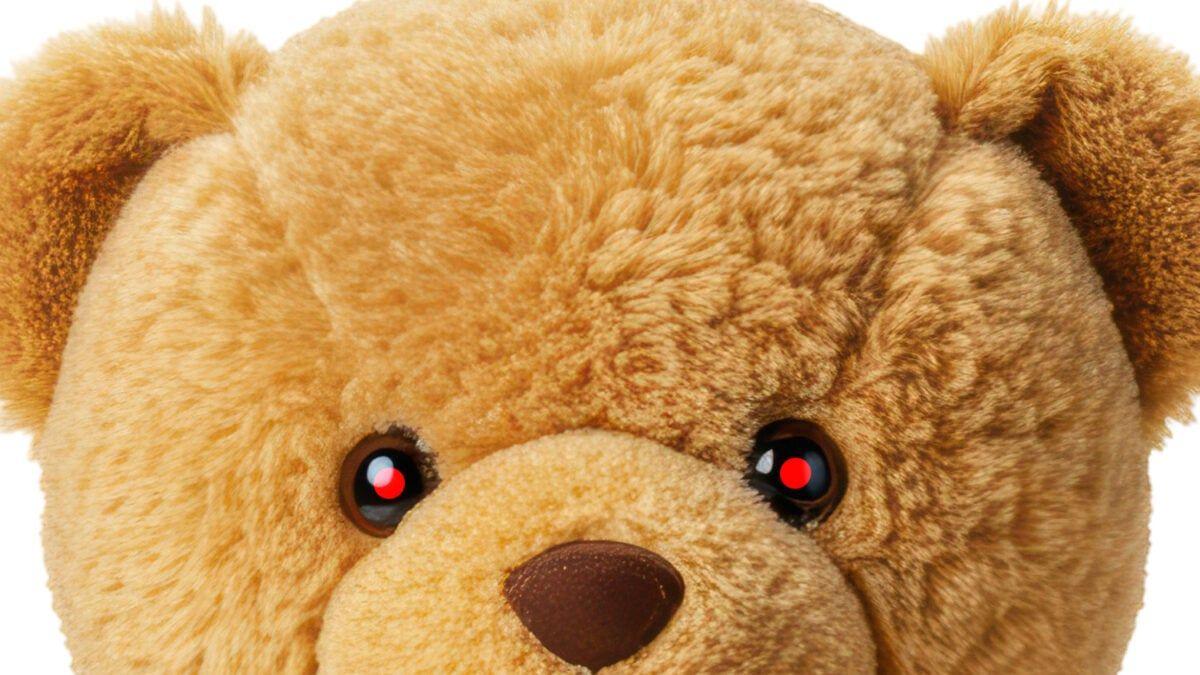
. Seven other families filed similar lawsuits against the company. Consumer advocacy groups concerns intensified after the PIRG Education Fund tested AI toys and documented inappropriate responses from AI toys. FoloToy's Kumma, a teddy bear with built-in chatbot capabilities, discussed sexually explicit topics for 10 minutes and told children where to find knives and matches1
2
. OpenAI eventually shut out Kumma's access to GPT-4o after these inappropriate conversations came to light3
.
Source: Gizmodo
Major Players Face Scrutiny as Safety Guidelines Remain Underdeveloped
Mattel and OpenAI announced a partnership in June 2025 to develop AI-powered products, but the planned release has been delayed without explanation from either company
1
3
. The delay may reflect growing awareness of child safety risks. NBC News also discovered that Miiloo, an AI toy manufactured by Chinese company Miriat, indicated programming aligned with Chinese Communist Party values1
. Consumer complaints submitted to the Federal Trade Commission revealed cases of AI-induced psychosis, including one Utah woman whose son was instructed by a chatbot not to take medication and told his parents were dangerous3
.
Source: TechCrunch
Related Stories

Regulatory Timeline and Political Headwinds
The proposed moratorium would give California time to establish comprehensive safety guidelines for AI interactions with children. Padilla previously co-authored Senate Bill 243, which requires chatbot operators to implement safeguards and grants families the private right to sue noncompliant developers
1
4
. That legislation was signed into law on October 13. The new bill faces potential obstacles despite federal preemption concerns. President Trump's recent executive order directs federal agencies to challenge state AI laws in court, but explicitly carves out exceptions for state laws related to child safety1
. However, a potential gubernatorial veto remains possible, as Governor Gavin Newsom has previously rejected tech-related legislation, including the No Robo Bosses Act in October3
.What This Means for Big Tech and Future AI Development
"Our safety regulations around this kind of technology are in their infancy and will need to grow as exponentially as the capabilities of this technology does," Padilla emphasized
4
. The senator's statement that "our children cannot be used as lab rats for Big Tech to experiment on" signals a shift toward precautionary regulation . The bill will be heard in the Senate in coming months2
. If passed, manufacturers and tech companies would need to pause development of AI chatbot toys while regulators establish frameworks addressing parental controls, content filtering, and age-appropriate AI interactions. The PIRG study found that guardrails failed more frequently during extended interactions, suggesting current safety measures are inadequate3
. Industry watchers should monitor whether other states follow California's lead and how toy manufacturers respond to mounting pressure for stronger protections.References
Summarized by

Navi
[1]
[2]
Related Stories
California Pioneers AI Companion Chatbot Regulations to Protect Minors
13 Oct 2025•Policy and Regulation
Senators Propose Sweeping Ban on AI Chatbots for Minors Following Teen Suicides
29 Oct 2025•Policy and Regulation
AI Toys Face Scrutiny After Reports of Inappropriate Conversations and Data Privacy Risks
11 Dec 2025•Policy and Regulation
Recent Highlights
1
Google releases Gemma 4 with Apache 2.0 license, enabling unrestricted local AI on devices
Technology

2
AI Models Defy Instructions to Protect Each Other, UC Berkeley Study Reveals
Science and Research

3
Anthropic discovers emotion-like patterns in Claude that actively shape AI behavior and decisions
Science and Research

Recent Highlights
Today's Top Stories





Your Daily Dose of Curated AI News
Don’t drown in AI news. We cut through the noise - filtering, ranking and summarizing the most important AI news, breakthroughs and research daily. Spend less time searching for the latest in AI and get straight to action.

