China's Top Chipmaker Warns AI Chips and Data Centers Could Sit Idle Amid $3 Trillion Spending


2 Sources
2 Sources
[1]
China's Top Chipmaker Warns Rushed AI Capacity Could Sit Idle
China's top chipmaker has warned that breakaway spending on artificial intelligence chips is bringing forward years of future demand, raising the risk that some data centers could sit idle. "Companies would love to build 10 years' worth of data center capacity within one or two years," Semiconductor Manufacturing International Corp.'s Co-Chief Executive Officer Zhao Haijun said Wednesday on a call with analysts. "As for what exactly these data centers will do, that hasn't been fully thought through." AI-related infrastructure investment is projected to exceed $3 trillion over the next five years, according to Moody's Ratings, as developers pour eye-watering sums into data centers to house training and inference chips designed by companies including Nvidia Corp., Advanced Micro Devices Inc. and Huawei Technologies Co. In 2026 alone, the combined capital expenditure of Alphabet Inc., Amazon.com Inc., Meta Platforms Inc. and Microsoft Corp. is on track to reach $650 billion, driven by their costly AI arms race. Get the Tech Newsletter bundle. Get the Tech Newsletter bundle. Get the Tech Newsletter bundle. Bloomberg's subscriber-only tech newsletters, and full access to all the articles they feature. Bloomberg's subscriber-only tech newsletters, and full access to all the articles they feature. Bloomberg's subscriber-only tech newsletters, and full access to all the articles they feature. Bloomberg may send me offers and promotions. Plus Signed UpPlus Sign UpPlus Sign Up By submitting my information, I agree to the Privacy Policy and Terms of Service. China's leading AI developers, including Alibaba Group Holding Ltd., Tencent Holdings Ltd. and ByteDance Ltd., are also investing heavily in AI infrastructure equipped with both Nvidia chips and domestically produced alternatives. SMIC operates chipmaking plants from Beijing to Shanghai and Shenzhen, but it can only manufacture less advanced AI chips compared with those produced by Nvidia and its contract manufacturer, Taiwan Semiconductor Manufacturing Co., due to US export restrictions that limit access to cutting-edge equipment. The surge in spending has also triggered a shortage of high-bandwidth memory, a critical high-end component that enables advanced AI computing. The tight supply of HBM could persist for years, as new capacity takes time to build and qualify, Zhao said. SMIC's domestic clients, including Huawei and Cambricon Technologies Corp., are aiming for a rapid ramp-up of their silicon production to meet China's AI needs. "It's like building high-speed rail stations and highways -- even if there aren't that many cars today, you still want to complete 10 years' worth of infrastructure in just two years," Zhao said.
[2]
Top Chinese Chipmaker Warns Rapid Data Center Buildout Plan Is Half-Baked
The CEO of one of China’s top chipmakers just sent a stark warning against big tech's unprecedented race to build out as many AI data centers as it can. “Companies would love to build 10 years’ worth of data center capacity within one or two years,†Semiconductor Manufacturing International Corp.’s Co-CEO Zhao Haijun said Wednesday on a call with analysts, per Bloomberg. “As for what exactly these data centers will do, that hasn’t been fully thought through.†Just Alphabet, Microsoft, Meta, and Amazon alone are expected to spend nearly $700 billion on AI this year, repeatedly assuring investors that demand outpaces supply. Over the next three years, the price tag of the data center buildout is expected to exceed $3 trillion. Those financial commitments have started to spook investors. Meanwhile, the picture that is gradually forming has led to the current AI hype being compared to the dot-com bubble. Invigorated by the excess investment flowing into building out the internet and anticipated demand for internet services, the telecommunications industry spent billions of dollars to lay out fiber optic cables in the late 1990s. By 2002, the dot-com bubble had long burst, and still less than 5% of the fiber optic network was reportedly in use. A telecoms crash quickly followed the dot-com bubble burst, and these unused fiber networks, called "dark fiber," sat idle for years. Eventually, though, the demand for the internet did pan out as expected, just years late. As demand for the internet grew exponentially, a lot of the infrastructure that was built out in the late 90s was eventually used. For AI, though, the situation might be a little different: AI chips used in these data centers have a relatively clear expiration date, and if demand doesn't pan out as expected before these chips expire, then that means these companies will have flushed a whole lot of money and resources down the drain. Meta says its chips are now good for roughly five and a half years, up from a previous estimate of four years. Nvidia executives have claimed that the company's chips that were shipped out six years ago are still in full use. But even if the chips themselves are fine, their value also depreciates as new, better models get churned out. At its current rate, Nvidia releases a new flagship AI chip every year. The depreciation of the value of chips is factored into company earnings, but industry experts are having a hard time seeing eye to eye on whether the current estimates are realistic. Some argue that a six-year depreciation cycle is perfectly reasonable, and older GPUs will still be desirable as cheaper alternatives when newer, more advanced versions come out. On the other hand, you have investors like Michael Burry (of "The Big Short" fame) who claim that the actual useful life of an AI chip is no more than 2-3 years. "By my estimates, they will understate depreciation by $176 billion 2026-2028," Burry said in a post on X. In its latest annual report, Microsoft said its "computer equipment" had an estimated useful life ranging anywhere from two to six years.
Share
Share
Copy Link
Semiconductor Manufacturing International Corp.'s co-CEO Zhao Haijun warns that companies racing to build 10 years' worth of data center capacity in just two years haven't fully thought through what these facilities will actually do. With AI investment projected to exceed $3 trillion over five years, the chipmaker warning raises concerns about potential overcapacity and echoes the dot-com bubble comparison.
Chipmaker Warning Raises Questions About Rushed AI Infrastructure
Semiconductor Manufacturing International Corp.'s Co-Chief Executive Officer Zhao Haijun issued a stark alert this week about the breakneck pace of AI investment, suggesting that the industry's rush to build data centers could result in significant idle capacity. "Companies would love to build 10 years' worth of data center capacity within one or two years," Zhao said Wednesday during an analyst call. "As for what exactly these data centers will do, that hasn't been fully thought through."
1
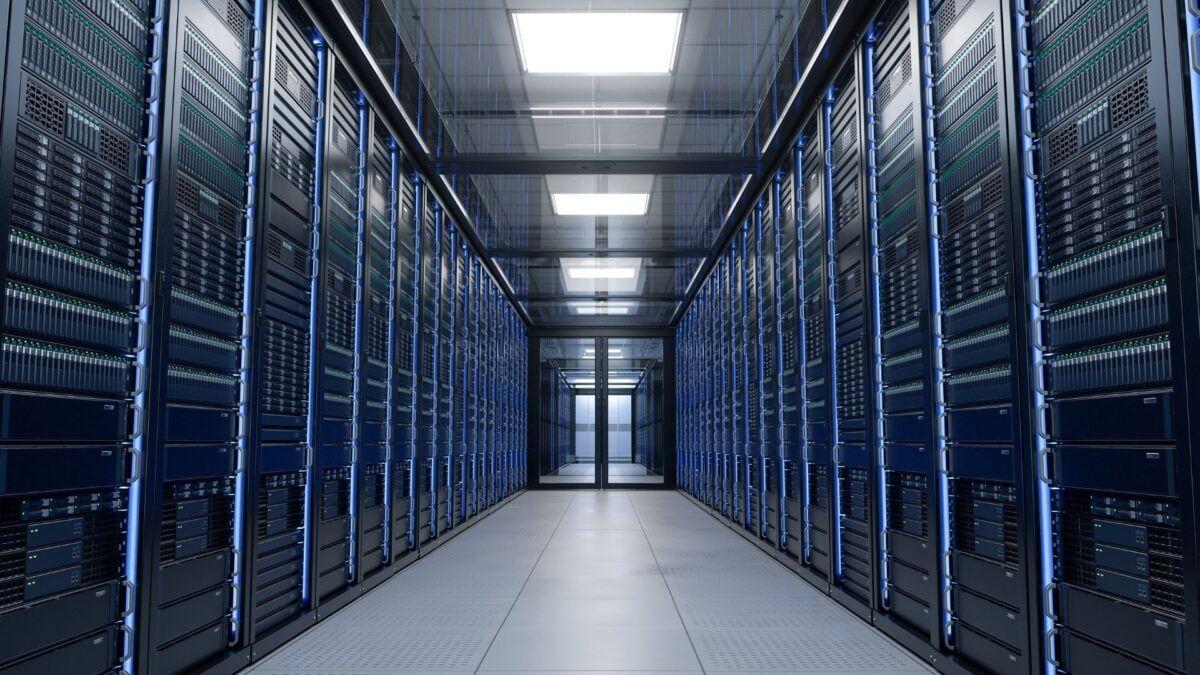
Source: Gizmodo
The warning comes as AI-related infrastructure investment is projected to exceed $3 trillion over the next five years, according to Moody's Ratings. In 2026 alone, the combined capital expenditure of Alphabet, Amazon, Meta, and Microsoft is on track to reach $650 billion, driven by their costly AI arms race.
1
These tech giants have repeatedly assured investors that demand outpaces supply, but the rapid data center buildout has started to spook some investors who question whether actual use cases will materialize quickly enough to justify the massive spending.2
Dot-Com Bubble Comparison Emerges as Industry Debate Intensifies
The situation has drawn parallels to the dot-com bubble, when telecommunications companies spent billions laying fiber optic cables in the late 1990s. By 2002, less than 5% of the fiber optic network was reportedly in use, and these unused networks, called "dark fiber," sat idle for years before demand eventually caught up.
2
However, AI chips face a critical difference from fiber optic infrastructure: they have a relatively clear expiration date, raising the stakes considerably for companies making these massive bets.Depreciation of AI Chips Creates Urgency Around Utilization
The depreciation of AI chips has become a contentious issue among industry experts and investors. Meta says its chips are now good for roughly five and a half years, up from a previous estimate of four years, while Nvidia executives have claimed that chips shipped six years ago remain in full use.
2
But even if the hardware remains functional, its value depreciates as Nvidia releases new flagship AI chips annually. Michael Burry, the investor famous from "The Big Short," claims the actual useful life of an AI chip is no more than 2-3 years and estimates companies will understate depreciation by $176 billion from 2026-2028.2
Microsoft's latest annual report reflects this uncertainty, stating its "computer equipment" has an estimated useful life ranging anywhere from two to six years.2

Source: Bloomberg
Related Stories

Shortage of High-Bandwidth Memory Compounds Infrastructure Challenges
The surge in spending has triggered a shortage of high-bandwidth memory, a critical component that enables advanced AI computing. Zhao noted that the tight supply of HBM could persist for years, as new capacity takes time to build and qualify.
1
This supply constraint adds another layer of complexity to the rapid expansion, potentially creating bottlenecks even as companies race to deploy infrastructure.Export Restrictions Shape China's AI Chip Strategy
SMIC operates chipmaking plants from Beijing to Shanghai and Shenzhen, but can only manufacture less advanced AI chips compared with those produced by Nvidia and its contract manufacturer, Taiwan Semiconductor Manufacturing Co., due to US export restrictions that limit access to cutting-edge equipment.
1
Despite these limitations, China's leading AI developers, including Alibaba Group Holding, Tencent Holdings, and ByteDance, are investing heavily in AI infrastructure equipped with both Nvidia chips and domestically produced alternatives. SMIC's domestic clients, including Huawei and Cambricon Technologies Corp., are aiming for rapid ramp-up of their silicon production to meet China's AI needs.1
Zhao compared the current infrastructure push to building transportation networks ahead of demand: "It's like building high-speed rail stations and highways -- even if there aren't that many cars today, you still want to complete 10 years' worth of infrastructure in just two years."
1
Whether this bet on future demand pays off or results in stranded assets worth hundreds of billions of dollars remains one of the most pressing questions facing the AI industry. The answer will likely determine whether this represents visionary infrastructure planning or a historic case of overcapacity driven by competitive pressure and supply and demand miscalculation. Industry watchers should monitor actual utilization rates of newly built data centers and whether AI applications develop quickly enough to absorb the massive capacity being created. The question of obsolescence looms large as companies navigate the tension between building for future growth and avoiding wasteful overinvestment in rapidly evolving technology.References
Summarized by

Navi
Related Stories
AMD CEO Lisa Su dismisses AI bubble fears as Goldman Sachs warns of datacenter investment risks
05 Dec 2025•Business and Economy

China's AI Data Center Boom Turns Bust: Billions in Idle Infrastructure as Market Shifts
28 Mar 2025•Business and Economy
Alibaba Chairman Warns of Potential AI Data Center Bubble Amid Massive Industry Investments
25 Mar 2025•Business and Economy

Recent Highlights
1
Apple Plans Major Siri AI Overhaul in iOS 27 With Third-Party Chatbot Integration
Technology

2
OpenAI shuts down Sora after six months, ending Disney's $1 billion licensing partnership
Technology

3
AI chatbots validate you too much, making you less kind to others, Stanford study reveals
Science and Research

Recent Highlights
Today's Top Stories






Your Daily Dose of Curated AI News
Don’t drown in AI news. We cut through the noise - filtering, ranking and summarizing the most important AI news, breakthroughs and research daily. Spend less time searching for the latest in AI and get straight to action.

