Esquire Singapore publishes AI interview with One Piece actor Mackenyu, sparking ethics debate


2 Sources
2 Sources
[1]
Magazine generates fake AI interview with One Piece actor Mackenyu
The faux interview "was produced with Claude, Copilot, and edited by humans." As was recently spotted by Kotaku, Esquire Singapore published a feature in March all about live-action One Piece actor Mackenyu Arata called "Mackenyu in Resonance." It includes what writer Joy Ling calls "an unprecedented interview for both parties," which isn't so much an interview as it is a transcript from an AI chat bot masquerading as Mackenyu. "We were stoked to have some face time with the Japanese-American actor, but his schedule prevented it," the story reads. "We had the photospread, but nothing directly uttered by the 29-year-old. With a driving need for a feature, we had to be inventive. Harnessing our creative license, we pulled his [responses] verbatim from previous interviews and fed them through an AI programme to formulate new responses." The "interview" is a bizarre read, and was produced using Claude and Copilot. Esquire asks about the actor's experience becoming a father, how he deals with "disillusionment" (not in regard to a particular part of his life, just... disillusionment in general, I guess?), and even gets into his memories of his late father, Sonny Chiba. The AI responds with the sort of unsubstantial meandering you might expect, though at one point it does type "(laughs)" so you know it's in a good mood. Readers and writers are not pleased with the piece. "This makes me so angry," wrote New York Times-published journalist Nicole Clark on Bluesky. "In what world is any of this appropriate or justifiable? And even with 'disclaimers' everything else about the piece looks like a typical interview. It's the equivalent of using ad space to publish misinformation." "That's not an interview; it's fan fic dialogue," posted Bluesky user Nona Jabiznez. A reply from user Maggie Sharp reads, "Fan ficcers write their own stuff and if they don't they're hunted for sport." It feels like the golden age of the AI-operated sock puppet, considering this Esquire piece and the AI clones of real journalists recently in use by companies like Grammarly.
[2]
AI-Generated Interview With One Piece Actor Published By Esquire
Esquire Singapore opted to run the Zoro actor's previous interviews through Copilot and Claude, as Mackenyu couldn't attend an in-person chat Mackenyu Maeda, better known simply as Mackenyu, was set to be interviewed by Esquire Singapore magazine earlier last month, following the lead-up to the second season of Netflix’s live-action One Piece adaptation. Unfortunately Mackenyu, who portrays Roronoa Zoro in One Piece, was too busy to attend an in-person chat, which is why Esquire opted toâ€|interview Claude’s AI recreation of him instead? Before you ask, no, this isn’t a late April Fools' joke. In fact, the interview was actually published back in the first half of March, but its existence has only just reached Mackenyu’s fanbase (who aren’t pleased about it) in the last couple of days. This is presumably because neither Mackenyu, nor his talent agency, has jumped at the opportunity to promote the AI slop recreation of the actor featured in Esquire’s piece. It’s a bizarre read, but the strangest thing about it is Esquire’s justification for the stunt. “We were stoked to have some face time with the Japanese-American actor, but his schedule prevented it,†writes Esquire’s Joy Ling. “With a driving need for a feature, we had to be inventive. Harnessing our creative license, we pulled his verbatim from previous interviews and fed them through an AI programme to formulate new responses.†Reading through the “interview†itself, which Esquire notes “was produced with Claude, Copilot, and edited by humans,†feels like a fever dream. AI Mackenyu is asked a breadth of vague and ridiculous questions, like how he (it?) deals with “pressure and expectations†and feelings of “disillusionment,†and the AI responds exactly how you’d expect it would: by throwing out non-committal answers and referencing things with absolutely zero context. Also, hey, Esquire: maybe you shouldn’t have published the bit where AI Mackenyu talks about the pressures of living up to his deceased father, the legendary action star Sonny Chiba, and how it wants “to make him proud,†because that’s incredibly fucked up. I mean, really, you shouldn’t have published this at all, but you definitely shouldn’t have published that specific bit. As you would obviously expect, Mackenyu’s fans aren’t taking the article very well. “I’m disappointed Esquire SG wrote an entire AI interview to replace Macken’s response,†writes one fanpage on X. “I doubt they did this with his consent. Was it impossible to publish the [photo] shoot without his interview?! Please keep in mind these answers are not his.†To that end, Kotaku has reached out to Mackenyu’s talent rep to discern whether this received the actor’s official blessing. However, considering Esquire states that he never replied to their “e-mail correspondence,†I think it’s fair to assume that the actor didn’t sign off on this pointless endeavour.
Share
Share
Copy Link
Esquire Singapore published an AI-generated interview with One Piece actor Mackenyu after he couldn't attend in person. The magazine fed his previous interviews through Claude and Copilot to create fabricated responses, drawing widespread criticism from journalists and fans who question the ethics of publishing AI-generated content as journalism.
Esquire Singapore Creates Fake AI Interview Using Claude and Copilot
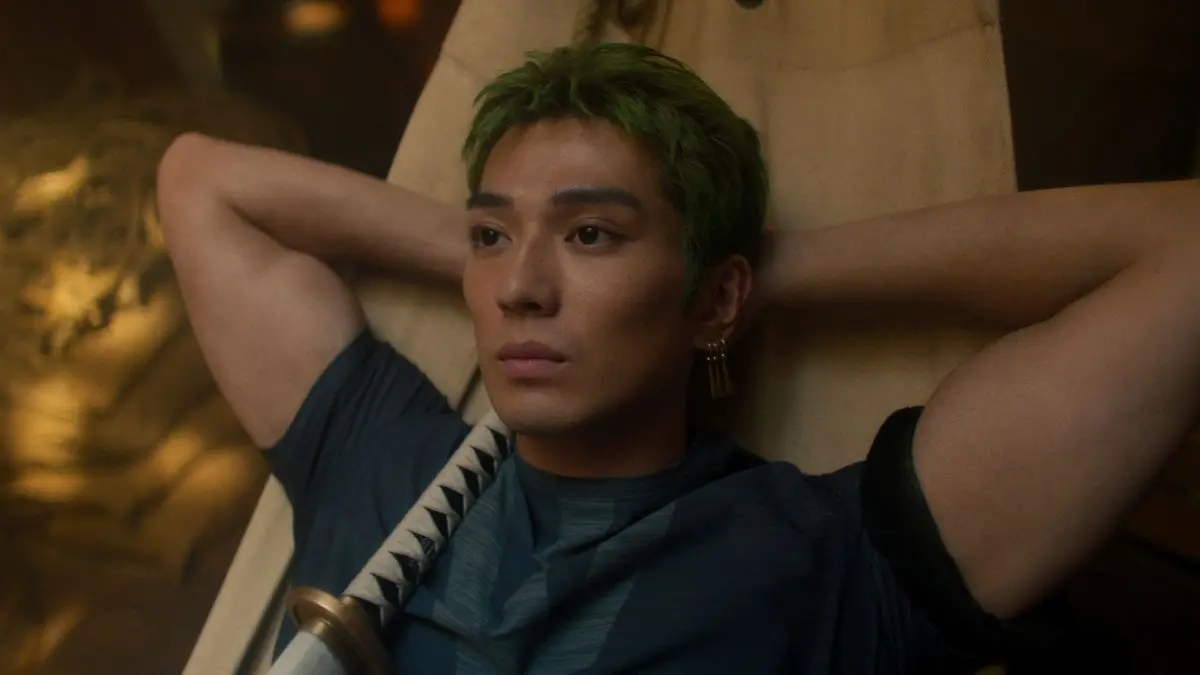
Esquire Singapore published what it called "an unprecedented interview" with Mackenyu, the One Piece actor who portrays Roronoa Zoro in Netflix's live-action adaptation
1
. The AI interview appeared in a March feature titled "Mackenyu in Resonance," but the piece wasn't an actual conversation with the 29-year-old Japanese-American actor. Instead, writer Joy Ling acknowledged that when Mackenyu's schedule prevented face time, the magazine took a different approach2
.
Source: PC Gamer
"We had the photospread, but nothing directly uttered by the 29-year-old," the story explained. "With a driving need for a feature, we had to be inventive. Harnessing our creative license, we pulled his [responses] verbatim from previous interviews and fed them through an AI programme to formulate new responses"
1
. The AI-generated interview was produced with Claude, Copilot, and edited by humans, according to Esquire Singapore's disclosure.The Bizarre Content Generated by AI Tools
The fabricated interview asked Mackenyu about becoming a father, dealing with "disillusionment" in general terms, and even touched on memories of his late father, legendary action star Sonny Chiba
1
. The AI responded with what readers described as "unsubstantial meandering," throwing out non-committal answers and referencing things with absolutely zero context2
. At one point, the AI even typed "(laughs)" to simulate natural conversation.Kotaku reported that the magazine asked "a breadth of vague and ridiculous questions," including how AI Mackenyu deals with "pressure and expectations" and feelings of "disillusionment." The section where the AI discussed living up to his deceased father and wanting "to make him proud" drew particular criticism for being "incredibly fucked up"
2
.Widespread Criticism From Journalists and Fans
The unethical application of AI in journalism triggered immediate backlash when the article resurfaced in recent days, despite being published in early March. New York Times-published journalist Nicole Clark expressed anger on Bluesky, questioning the appropriateness of the piece. "In what world is any of this appropriate or justifiable? And even with 'disclaimers' everything else about the piece looks like a typical interview. It's the equivalent of using ad space to publish misinformation"
1
.The negative reception from fans was equally sharp. One Mackenyu fanpage on X wrote: "I'm disappointed Esquire SG wrote an entire AI interview to replace Macken's response. I doubt they did this with his consent. Was it impossible to publish the [photo] shoot without his interview?! Please keep in mind these answers are not his"
2
. Bluesky users compared it unfavorably to fan fiction, with one noting that "Fan ficcers write their own stuff and if they don't they're hunted for sport"1
.Related Stories

Questions of Consent and Journalism Ethics
Kotaku reached out to Mackenyu's talent agency to determine whether the actor gave consent for this controversial use of AI. The magazine itself noted that Mackenyu never replied to their "e-mail correspondence," suggesting the actor likely didn't sign off on the endeavor
2
. Neither Mackenyu nor his talent agency promoted the piece, which only reached his fanbase days after publication.This incident reflects broader concerns about journalism ethics in the age of AI clones and synthetic content. Similar to AI clones of real journalists recently used by companies like Grammarly, the Esquire Singapore piece raises questions about what constitutes acceptable use of AI in media
1
. The controversy highlights the need for clear boundaries around AI-generated content, particularly when it involves putting words into real people's mouths without their explicit permission. As AI tools become more sophisticated, media organizations face mounting pressure to establish ethical guidelines that protect both subjects and readers from misinformation dressed up as legitimate journalism.References
Summarized by

Navi
Related Stories
AI-Generated Articles Slip Through Editorial Filters at Major Publications
22 Aug 2025•Technology

Controversy Surrounds Sekiro Anime Adaptation Over Suspected AI Usage
21 Aug 2025•Technology
Quartz's AI-Generated News Articles Raise Concerns Over Accuracy and Journalistic Integrity
29 Jan 2025•Technology

Recent Highlights
1
Google releases Gemma 4 with Apache 2.0 license, enabling unrestricted local AI on devices
Technology

2
AI Models Lie and Deceive to Protect Other AI Models From Deletion, Study Reveals
Science and Research

3
OpenAI closes $122 billion funding round amid fierce AI competition and profitability questions
Startups

Recent Highlights
Today's Top Stories






Your Daily Dose of Curated AI News
Don’t drown in AI news. We cut through the noise - filtering, ranking and summarizing the most important AI news, breakthroughs and research daily. Spend less time searching for the latest in AI and get straight to action.

