Ex-Apple Engineers Launch Button AI Hardware That Looks Like iPod Shuffle


3 Sources
3 Sources
[1]
This AI Button Wearable From Ex-Apple Engineers Looks Like an iPod Shuffle
Everybody seems to want to stick AI into some oddly shaped box or another. Sometimes it's a note transcriber or a wearable pin that doesn't quite work, or an always-listening Friend necklace that ultimately ends up being a vessel for shitposting. Now there is a button. Chris Nolet and Ryan Burgoyne are former Apple employees who worked on developing the Apple Vision Pro. They're associated with startup accelerator Y Combinator, and the duo's new device, available for preorder for $179 and set to ship in December, is an AI hardware puck simply called Button. The Button does what it says on the brushed aluminum tin. It is a button, inside a case that looks (deliberately) like an iPod Shuffle. Inside is a generative AI chatbot. Press the button to enable the chatbot to listen, answer questions, and take demands. It will answer out loud or can connect to earbuds or smart glasses via Bluetooth. It's a simpler use case than the obvious comparison that is the Humane Ai Pin, a wearable device released in 2024 that was billed as a veritable smartphone replacement but failed to deliver on its promises and was shut down a year later. The Button boys want there to be a couple of differentiators for their gadget, namely privacy and immediacy. The device only works when you push the button, so it does not listen passively to absolutely everything around it. Nolet says the focus on privacy comes from his experience meeting and talking with someone he later found out had been recording their entire conversation with a wearable device. "It really freaked me out," Nolet says. "It's one thing if I make a conscious decision to share something, but that's totally a different thing. If people are just wearing around these pendants, or they're recording all of our conversations, I think it feels a little icky to me."
[2]
AI Gadgets Are Barely Trying Anymore
AI gadgets might not have the best track record right now, but if a new startup from some ex-Apple folks is any indication, it can still get worse. As reported by Wired, Chris Nolet and Ryan Burgoyne, who worked on the Apple Vision Pro, are preparing to launch an AI-based wearable simply called Button in December, which is a $180, well... button that (drum roll) uses a large language model (LLM) and looks kind of like an iPod Shuffle. The idea, as Button's creators would pitch it, is that you press the button and talk with a chatbot. which can answer questions and "take demands," as Wired phrases it. It has built-in speakers, apparently, but can also connect to wireless earbuds or headphones via Bluetooth if you don't feel like blabbing to your AI pendant out loud. Not to throw shade here, but Wired's account of Button misses lots of critical questions you might have about AI devices like this, so I'm just going to run through what we still don't know about Button. While Wired says "inside is a generative AI chatbot," it's unclear to me if that means Button is processing AI on-device, which would be a big difference compared to relying on your phone. Wired doesn't mention which AI model(s) Button uses or whether they can be customized, and it also doesn't cover whether Button can be used on-the-go via cellular or whether it relies on your phone for internet via Bluetooth, though I got an answer to that part myself via Button's site. According to them, Button uses your phone's internet via Bluetooth and will not support Android at launchâ€"just iOS. Another major gap is how the device is worn: it's a pin, but it's unclear whether it attaches magnetically like previous AI gadgets from the likes of Humane. While Button's founders tell Wired that Button tackles one of the biggest pain points in similar gadgetsâ€"response timeâ€"it's also unclear how exactly it delivers its alleged quick responses. That's not even taking into account that response times are largely dependent on your connectivity at the time; the fact is, if you have bad internet, you probably have a bad chatbot. Unless it's done on-device! Which, again... we do not know for sure. Button only works when you push the device's titular button, apparently, so it's not recording all the time, though Wired doesn't specify if it's a push-and-hold kind of thingâ€"I assume it's a push-and-hold kind of thing. Oh, and one last thing not mentioned in Wired's account: Button is selling subscriptions for "Button AI Pro," which costs $7.99 per month, though it's unclear which features are paywalled. I've reached out to Button with my questions and will update this post when I know more. Even outside of the laundry list of open questions I have about Button, though, the whole thing just feels a little lazy. Humane's Ai Pin largely sucked, but at least it tried something. Paying $180 for a button that just uses ChatGPT on your phone or whatever (if that's indeed what it does) is exactly the kind of thing that most people would consider sketchy. Trust me, I've reviewed similar devices, and it ain't fun. But hey... AI! Maybe simplicity will make this one feel more useful, but I get the feeling that I'm going to be smashing the "pass" button on this one.
[3]
Ex-Apple engineers create an AI button - but can't explain why
I said a couple of years ago that AI hardware devices were like trying to invent the iPod after the iPhone. Two former Apple engineers appear to have leaned into this with an AI button that bears more than a passing resemblance to an iPod shuffle. While the AI wearable does address the horrendous privacy problem created by its erstwhile competitors, the duo still haven't provided a convincing explanation as to why it isn't an app ... Previous attempts at AI wearables didn't go well. Marques Brownlee captured the essence of most reviews when he described the Humane AI pin as the worst product he'd ever reviewed and the Rabbit R1 as "barely reviewable." My own view of dedicated AI hardware devices is that they make no sense when we already carry one. The iPod was one of the greatest inventions in the world ... at the time. But much as I still love that concept, to me it no longer makes sense to carry a dedicated chunk of hardware just to play all the music I own, when I can instead use the device which is already in my pocket to play (almost) all the music in the world, whether or not I own it. It's the same thing with AI hardware today. If smartphones didn't exist, these devices would be enormously exciting, and I'd want one, despite their current limitations. But smartphones do exist, and I can't see a single reason why these devices aren't simply apps. Wired reports that Chris Nolet and Ryan Burgoyne, two former Apple engineers who worked on the Vision Pro, have now created their own AI hardware device simply called Button. It is a button, inside a case that looks (deliberately) like an iPod Shuffle. Inside is a generative AI chatbot. Press the button to enable the chatbot to listen, answer questions, and take demands. It will answer out loud or can connect to earbuds or smart glasses via Bluetooth. Pressing the button to activate it does at least address the privacy nightmare created by always-on devices, but the pair still seem to have no answer to the question why it isn't simply an app.
Share
Share
Copy Link
Chris Nolet and Ryan Burgoyne, former Apple Vision Pro developers, unveiled Button—a $179 AI wearable device available for preorder with December shipping. The device features physical button activation to address privacy concerns, but critics question why it isn't simply an app given its smartphone dependency.
Ex-Apple Engineers Introduce New AI Wearable Device
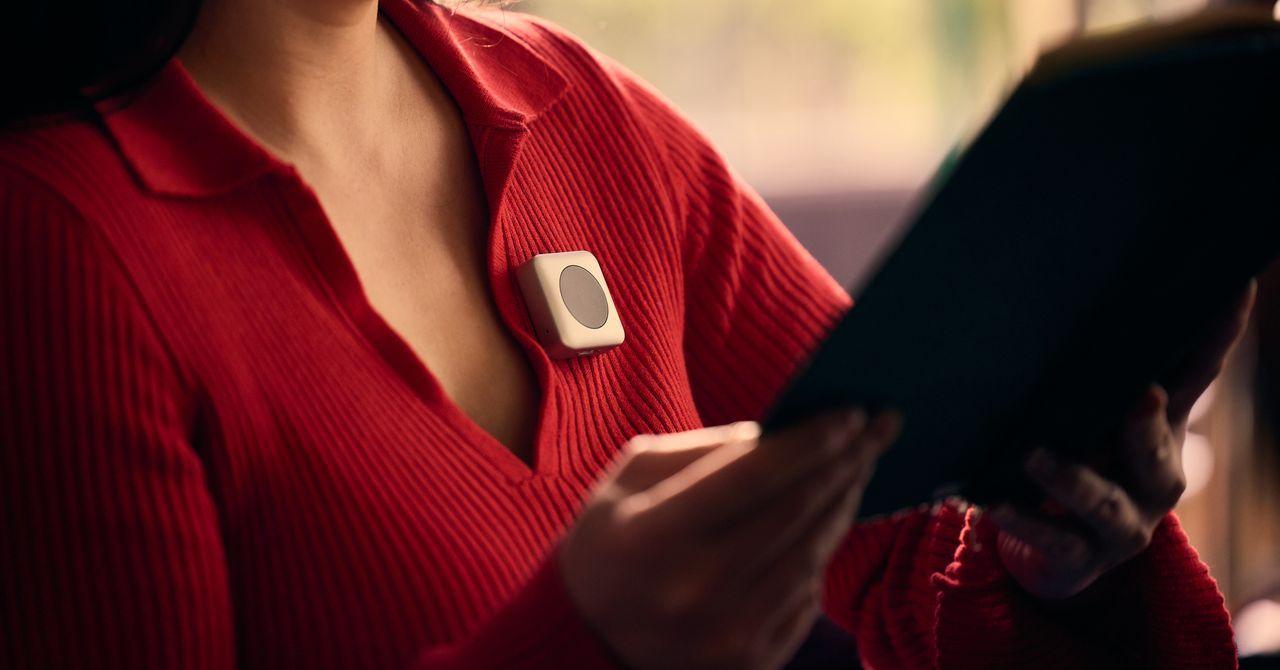
Chris Nolet and Ryan Burgoyne, ex-Apple engineers who worked on the Apple Vision Pro, have launched Button—an AI hardware device that deliberately evokes the iPod Shuffle resemblance with its brushed aluminum case design
1
. Available for preorder at $179 and set to ship in December, the device represents yet another attempt to create dedicated AI hardware in a market littered with failed predecessors1
. The Y Combinator-backed startup positions Button as a simpler alternative to devices like the Humane AI Pin, which was shut down a year after its 2024 release following widespread criticism1
.
Source: Wired
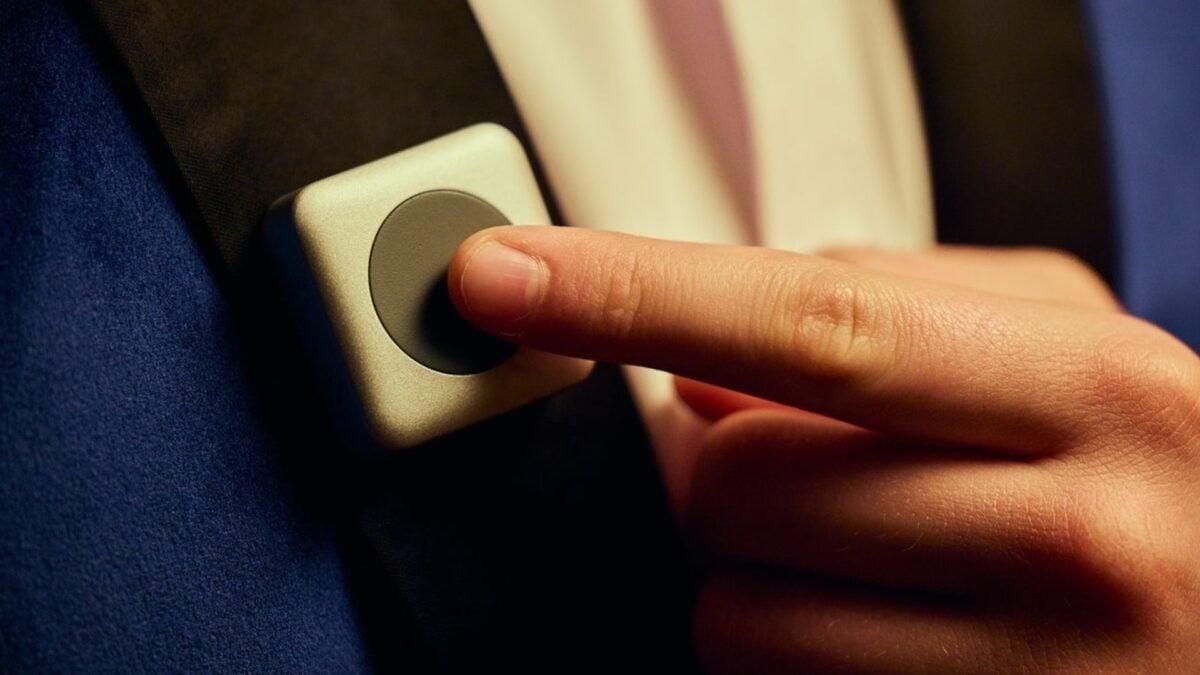
The device houses a generative AI chatbot that users activate through physical button activation, allowing them to ask questions and issue commands
1
. Button includes built-in speakers but also supports Bluetooth connectivity to wireless earbuds or smart glasses1
. However, the device reveals significant smartphone dependency—it relies on your phone's internet connection via Bluetooth and will only support iOS at launch, with no Android compatibility2
.
Source: Gizmodo
Privacy Concerns Drive Design Philosophy
Nolet emphasizes that privacy concerns shaped Button's core functionality. The device only activates when pressed, avoiding the passive listening that characterizes other AI wearable devices
1
. "It really freaked me out," Nolet said about discovering someone had been recording their conversation with a wearable device. "It's one thing if I make a conscious decision to share something, but that's totally a different thing. If people are just wearing around these pendants, or they're recording all of our conversations, I think it feels a little icky to me"1
.This approach addresses the "horrendous privacy problem" created by always-on competitors
3
. The founders tout privacy and immediacy as key differentiators, though questions about on-device AI processing versus cloud-based LLM usage remain unanswered2
.Unanswered Questions About Hardware Viability
Critical technical details remain unclear. Reports don't specify which AI chatbot models Button uses, whether users can customize them, or if the device performs on-device AI processing
2
. The company also offers a subscription model called "Button AI Pro" for $7.99 per month, though which features sit behind this paywall hasn't been disclosed2
.The fundamental question persists: why does this need to be dedicated AI hardware rather than an app? One observer noted that "AI hardware devices were like trying to invent the iPod after the iPhone," arguing that smartphones already provide the necessary functionality
3
. Given Button's reliance on phone connectivity, critics suggest "the whole thing just feels a little lazy" compared to the Humane AI Pin, which "at least tried something" despite its failures2
.Related Stories




Market Context and Future Implications
Button enters a challenging landscape where previous AI wearable devices have struggled dramatically. Tech reviewer Marques Brownlee called the Humane AI Pin "the worst product" he'd ever reviewed and the Rabbit R1 "barely reviewable"
3
. The market has seen devices ranging from note transcribers to the Friend necklace that "ultimately ends up being a vessel for shitposting"1
.Whether Button's simplified approach and privacy-first design can overcome the sector's troubled track record remains uncertain. Response times depend heavily on connectivity quality, and without confirmed details about processing capabilities, the device's practical advantages over existing smartphone apps remain speculative
2
. As December shipping approaches, the $179 price point and ongoing subscription costs will face scrutiny from consumers who've watched similar products fail to justify their existence as standalone hardware.References
Summarized by

Navi
[2]
Related Stories
Recent Highlights


Recent Highlights
Today's Top Stories





Your Daily Dose of Curated AI News
Don’t drown in AI news. We cut through the noise - filtering, ranking and summarizing the most important AI news, breakthroughs and research daily. Spend less time searching for the latest in AI and get straight to action.

