Former OpenAI Stargate Leaders Join Meta as AI Infrastructure Competition Intensifies


3 Sources
3 Sources
[1]
Former OpenAI Stargate Leaders Plan to Join Meta Platforms
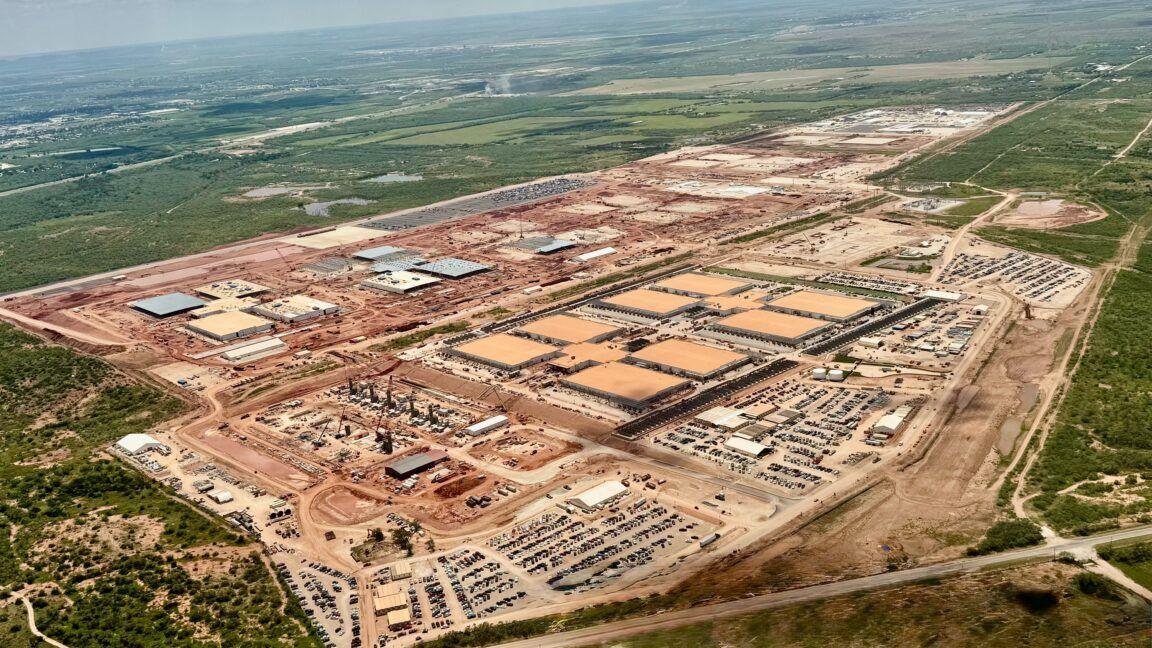
Three key players in OpenAI's massive effort to set up hundreds of billions of dollars' worth of artificial intelligence data center capacity are joining Meta Platforms Inc., according to people familiar with the matter. Peter Hoeschele, who played a critical role in OpenAI's Stargate initiative, is one of the new hires, said the people, who asked not to be identified because the move isn't yet public. He'll be joined by Shamez Hemani, who worked on computing strategy and business development, and Anuj Saharan, another leader in the computing organization. The Information reported Thursday that the three had left OpenAI. A spokesperson for Menlo Park, California-based Meta, the owner of Facebook and Instagram, declined to comment. Hoeschele, Hemani and Saharan also declined to comment. OpenAI didn't immediately respond to a request for comment, but previously said that the company was grateful for the contributions of the three employees and remains focused on hiring talent for its infrastructure plans. The company hired former Intel Corp. executive Sachin Katti in November to lead its industrial compute efforts. Get the Morning & Evening Briefing Americas newsletters. Get the Morning & Evening Briefing Americas newsletters. Get the Morning & Evening Briefing Americas newsletters. Start every morning with what you need to know followed by context and analysis on news of the day each evening. Plus, Bloomberg Weekend. Start every morning with what you need to know followed by context and analysis on news of the day each evening. Plus, Bloomberg Weekend. Start every morning with what you need to know followed by context and analysis on news of the day each evening. Plus, Bloomberg Weekend. Plus Signed UpPlus Sign UpPlus Sign Up By continuing, I agree to the Privacy Policy and Terms of Service. Meta Chief Executive Officer Mark Zuckerberg has pledged to spend aggressively to amass the data centers, computing power and talent needed to compete in a fast-moving AI race. This year alone, Meta projected as much as $135 billion in capital expenditures, with a focus on AI infrastructure projects. Before the end of the decade, Zuckerberg has promised to spend hundreds of billions more on AI infrastructure projects. The computing power will support the Meta Superintelligence Labs, a team created by Zuckerberg to keep up with rivals in AI. Meta just released a new model, Muse Spark, created by the group. Stargate, meanwhile, was announced last year at the White House as a $500 billion venture between OpenAI, Oracle Corp. and SoftBank Group Corp. The project has more recently morphed into a catchall brand for all of OpenAI's data center plans. OpenAI has said it's ahead of AI competitors in expanding its computing infrastructure to support the company's models. That included projects like a site in Abilene, Texas, that Hoeschele and his team led the work on. The San Francisco-based company recently cited its early start in securing computing power as an advantage over competitor Anthropic PBC in a recent memo to investors. Still, the Stargate push has undergone a number of changes since it began. OpenAI said Thursday that it's pausing its Stargate artificial intelligence infrastructure project in the UK as it reins in ambitious spending plans ahead of a highly anticipated public listing. The company, along with Oracle, also decided not to lease an expansion to the site in Abilene.
[2]
Former OpenAI Stargate leaders plan to join Meta Platforms - The Economic Times
Three key players in OpenAI's massive effort to set up hundreds of billions of dollars' worth of artificial intelligence data center capacity are joining Meta Platforms. Peter Hoeschele, who played a critical role in OpenAI's Stargate initiative, is one of the new hires.Three key players in OpenAI's massive effort to set up hundreds of billions of dollars' worth of artificial intelligence data center capacity are joining Meta Platforms, according to people familiar with the matter. Peter Hoeschele, who played a critical role in OpenAI's Stargate initiative, is one of the new hires, said the people, who asked not to be identified because the move isn't yet public. He'll be joined by Shamez Hemani, who worked on computing strategy and business development, and Anuj Saharan, another leader in the computing organisation. The Information reported Thursday that the three had left OpenAI. A spokesperson for Menlo Park, California-based Meta, the owner of Facebook and Instagram, declined to comment. Hoeschele, Hemani and Saharan also declined to comment. OpenAI didn't immediately respond to a request for comment, but previously said that the company was grateful for the contributions of the three employees and remains focused on hiring talent for its infrastructure plans. The company hired former Intel executive Sachin Katti in November to lead its industrial compute efforts. Meta chief executive officer Mark Zuckerberg has pledged to spend aggressively to amass the data centers, computing power and talent needed to compete in a fast-moving AI race. This year alone, Meta projected as much as $135 billion in capital expenditures, with a focus on AI infrastructure projects. Before the end of the decade, Zuckerberg has promised to spend hundreds of billions more on AI infrastructure projects. The computing power will support the Meta Superintelligence Labs, a team created by Zuckerberg to keep up with rivals in AI. Meta just released a new model, Muse Spark, created by the group. Stargate, meanwhile, was announced last year at the White House as a $500 billion venture between OpenAI, Oracle and SoftBank Group. The project has more recently morphed into a catchall brand for all of OpenAI's data center plans. OpenAI has said it's ahead of AI competitors in expanding its computing infrastructure to support the company's models. That included projects like a site in Abilene, Texas, that Hoeschele and his team led the work on. The San Francisco-based company recently cited its early start in securing computing power as an advantage over competitor Anthropic PBC in a recent memo to investors. Still, the Stargate push has undergone a number of changes since it began. OpenAI said Thursday that it's pausing its Stargate artificial intelligence infrastructure project in the UK as it reins in ambitious spending plans ahead of a highly anticipated public listing. The company, along with Oracle, also decided not to lease an expansion to the site in Abilene.
[3]
OpenAI Reshapes Compute Team as Three Executives Exit and Stargate UK Pauses
OpenAI is restructuring part of its compute organisation as three senior executives prepare to leave the company. Peter Hoeschele, who helped lead the early Stargate data center effort, has exited OpenAI. Meanwhile, Shamez Hemani and Anuj Saharan are also expected to depart soon. Reports say all three executives are set to join the same startup. However, details about the new venture have not been disclosed. OpenAI has acknowledged the departures and, in parallel, pointed to an existing leadership change inside its industrial compute group. is also keeping Stargate UK on hold. As a result, attention is now on how the company is managing infrastructure planning while demand for AI compute capacity continues to rise.
Share
Share
Copy Link
Three key executives from OpenAI's Stargate initiative are joining Meta Platforms, marking a significant shift in the competition for AI talent. Peter Hoeschele, Shamez Hemani, and Anuj Saharan led OpenAI's massive AI data center capacity efforts before their departure. The move comes as Meta pledges $135 billion in capital expenditures this year and OpenAI pauses its Stargate UK project.
Former OpenAI Stargate Leaders Move to Meta Platforms
Three senior executives who played critical roles in OpenAI's ambitious Stargate initiative are joining Meta Platforms, intensifying the competition for AI talent among tech giants. Peter Hoeschele, who led key aspects of the Stargate data center effort, will join Meta alongside Shamez Hemani, who worked on computing strategy and business development, and Anuj Saharan, another leader in the OpenAI compute organization
1
. The executive departures represent a notable shift in the landscape of AI infrastructure development, as companies race to secure both talent and massive AI data center capacity.
Source: Analytics Insight
Neither Meta Platforms nor the three executives commented on the move, though OpenAI acknowledged the contributions of the departing employees and emphasized its continued focus on hiring talent for infrastructure plans
2
. The company has already moved to strengthen its leadership by hiring former Intel Corp. executive Sachin Katti in November to lead industrial compute efforts.Meta's Aggressive Push in the AI Race
Mark Zuckerberg has committed to spending aggressively to accumulate the data centers, computing power, and expertise needed to compete in the fast-moving AI race. Meta projected as much as $135 billion in capital expenditures this year alone, with a primary focus on AI infrastructure projects
1
. Before the decade ends, Zuckerberg has promised to invest hundreds of billions more on AI infrastructure projects, underscoring the scale of Meta's ambitions.
Source: Bloomberg
The computing power will support Meta Superintelligence Labs, a specialized team created by Zuckerberg to maintain pace with rivals in AI development. The group recently released Muse Spark, a new model that demonstrates Meta's ongoing efforts to advance its AI capabilities
2
. The arrival of former OpenAI Stargate leaders signals Meta's determination to bolster its infrastructure expertise as it scales these ambitious projects.Stargate Initiative Faces Strategic Shifts
Stargate was announced at the White House as a $500 billion venture between OpenAI, Oracle Corp., and SoftBank Group Corp., though the project has evolved into a broader umbrella for OpenAI's data center plans
1
. Hoeschele and his team led work on projects including a site in Abilene, Texas, which OpenAI has cited as evidence of its early advantage in securing computing infrastructure over competitors like Anthropic PBC.However, the Stargate push has undergone multiple changes recently. OpenAI announced it is pausing its Stargate UK project as it reins in ambitious spending plans ahead of a highly anticipated public listing
2
. Additionally, OpenAI and Oracle decided not to lease an expansion to the Abilene site, suggesting a recalibration of infrastructure strategy as the company prepares for its next phase of growth.Related Stories

Implications for AI Infrastructure Development
The movement of key talent from OpenAI to Meta reflects the broader dynamics of the AI race, where expertise in building and managing computing infrastructure has become as valuable as AI research itself. As demand for AI compute capacity continues to rise, companies are competing not just for technological breakthroughs but for the operational know-how to deploy massive data center networks efficiently
3
.OpenAI's restructuring of its compute organization comes at a critical juncture, as the company balances infrastructure expansion with financial discipline ahead of going public. Meanwhile, Meta's willingness to absorb top infrastructure talent suggests the company views operational excellence in AI infrastructure as essential to maintaining competitiveness. The outcome of this talent migration will likely influence how quickly each company can scale its AI capabilities and respond to evolving market demands in the coming years.
References
Summarized by

Navi
[3]
Related Stories
OpenAI's $500B Stargate AI data centers stall as partners clash over ownership and control
23 Feb 2026•Business and Economy
OpenAI and Oracle Expand Stargate Project with Massive 4.5 GW Data Center Deal
22 Jul 2025•Business and Economy
OpenAI's $500 Billion Stargate Project Considers UK Investment Amid Global AI Infrastructure Expansion
17 Apr 2025•Business and Economy

Recent Highlights


Recent Highlights
Today's Top Stories






Your Daily Dose of Curated AI News
Don’t drown in AI news. We cut through the noise - filtering, ranking and summarizing the most important AI news, breakthroughs and research daily. Spend less time searching for the latest in AI and get straight to action.

