GNOME bans AI-generated extensions after flood of poorly-written code overwhelms reviewers


3 Sources
3 Sources
[1]
GNOME bans AI-generated extensions
Earlier this month, the GNOME Shell Extensions store updated its review guidelines to include a new section specifically stating that "extensions must not be AI-generated," as reported by It's FOSS and Phoronix. Developers producing add-ons for the Linux desktop environment can still use AI as a tool, but if their extension's code contains signs of being mostly written by AI, the updated guidelines say it will be rejected: One of the developers who reviews extensions for Gnome, Javad Rahmatzadeh, explained in a blog post that the rule change was necessary to address an influx of extension submissions with poorly-written, AI-generated code. According to Rahmatzadeh, AI "has led to receiving packages with many unnecessary lines and bad practices," as he explains in the post: The number of submitted packages to EGO is growing every month and we see more and more people joining the extensions community to create their own extensions. Some days, I spend more than 6 hours a day reviewing over 15,000 lines of extension code and answering the community. In the past two months, we have received many new extensions on EGO. This is a good thing since it can make the extensions community grow even more, but there is one issue with some packages. Some devs are using AI without understanding the code. This has led to receiving packages with many unnecessary lines and bad practices. And once a bad practice is introduced in one package, it can create a domino effect, appearing on other extensions. That alone has increased the waiting time for all packages to be reviewed. Extensions for GNOME can serve all kinds of functions, including some that are vital to how the desktop environment runs. For instance, one of the most popular is Dash to Dock, which gives users more control and customization options for the app dock at the bottom of the screen. The new guidelines clarify that developers are still allowed to use AI as a learning aid and development tool when making their extensions. They just shouldn't be using AI to generate all of their code without understanding what it does. The Fedora Council introduced similar guidelines around vibe-coding earlier this year, although their policy wasn't a blanket ban.
[2]
New Rule Forbids GNOME Shell Extensions Made Using AI Generated Code
The GNOME.org Extensions hosting for GNOME Shell extensions will no longer accept new contributions with AI-generated code. A new rule has been added to their review guidelines to forbid AI-generated code. Due to the growing number of SNOME Shell extensions looking to appear on extensions.gnome.org that were generated using AI, it's now prohibited. The new rule in their guidelines note that AI-generated code will be explicitly rejected: "Extensions must not be AI-generated While it is not prohibited to use AI as a learning aid or a development tool (i.e. code completions), extension developers should be able to justify and explain the code they submit, within reason. Submissions with large amounts of unnecessary code, inconsistent code style, imaginary API usage, comments serving as LLM prompts, or other indications of AI-generated output will be rejected." This blog post by GNOME developer Javad Rahmatzadeh outlines the growing number of AI-generated extensions they had been seeing for inclusion on extensions.gnome.org (EGO) and thus set the new rule to forbid such AI-generated code moving forward. Users can use AI to generate their own local GNOME Shell extension but they will not be accepted to extensions.gnome.org for easy consumption by other GNOME users. This Week in GNOME outlined some new (non-AI) GNOME Shell extensions activity such as the Adaptive Brightness extension now supporting GNOME 49's new brightness slider behavior and a new All-In-One Clipboard release.
[3]
GNOME is cracking down on AI-generated code after updating its extensions guidelines
* GNOME now rejects extensions containing large amounts of AI-generated code; small AI assistance is allowed. * Unnecessary or inconsistent AI code, fake API use, or comments that are LLM prompts will be rejected. * Developers must explain their code to keep extension quality high; AI-written answers don't satisfy reviewers. Now that we've had a lot of time to play around with AI-generated code, people are asking themselves: does letting an LLM program for you improve productivity? Right now, it seems like a strange mix of "Yes" and "No." While it does allow people with zero programming skills to create an app with ease, the code itself isn't always the best it can be. While vibe coding is perfect to see how a program could behave, it's not ideal for actually shipping the product. Well, it seems that people have been taking the latter path a little too aggressively over at the GNOME extensions hub. The GNOME Project has updated its extensions guidelines to forbid huge chunks of AI-generated code, as the reviewers are unhappy with its quality. 5 GNOME tweaks that I can't live without Here are some tweaks I always make to GNOME after installing a Linux distro. Posts By Rich Edmonds Oct 10, 2025 Extensions must not be AI-generated, says GNOME A little AI is okay, though As spotted by Linuxiac, an update has arrived on the GNOME Shell Extensions Review Guidelines. Under the new section titled "Extensions must not be AI-generated," The GNOME Project explains that it's no longer interested in receiving submissions that use a large amount of AI code: While it is not prohibited to use AI as a learning aid or a development tool (i.e. code completions), extension developers should be able to justify and explain the code they submit, within reason. Submissions with large amounts of unnecessary code, inconsistent code style, imaginary API usage, comments serving as LLM prompts, or other indications of AI-generated output will be rejected. The reasoning seems very valid: the reviewers at The GNOME Project wish to enquire with extension developers about their code and the decisions they made while creating it. If the person shrugs and says, "I dunno, that's just what the AI made," then it makes the reviewer's job a lot harder. In fact, as Linuxiac further reports, people have already tried replying to queries about their AI-generated code with more AI. When the GNOME Project asks someone who submitted AI code why they wrote a specific chunk of code the way they did, they get a reply written by the same AI discussing the process. As such, to ensure developers actually know what they're submitting, the GNOME Project is rejecting code it believes is mostly written with AI. The GNOME reviewers have already noticed that any bad habits that AI introduces within the ecosystem are propagated within other projects, so demanding a high quality of work from the developers helps keep the codebase clean and efficient.
Share
Share
Copy Link
The GNOME Project updated its Shell Extensions store guidelines to prohibit AI-generated code after reviewers were overwhelmed by submissions containing unnecessary lines and bad practices. Developers can still use AI as a learning aid, but extensions with large amounts of AI-generated output will be rejected. One reviewer reported spending over 6 hours daily reviewing more than 15,000 lines of code.
GNOME Introduces Ban on AI-Generated Extensions
The GNOME Project has updated its GNOME Shell Extensions Review Guidelines to explicitly prohibit AI-generated code, marking a significant shift in how the Linux desktop environment manages community contributions
1
. The new rule for extensions states that submissions containing large amounts of AI-generated output will be rejected from extensions.gnome.org, the official hosting platform where users discover and install add-ons for their GNOME desktop2
.
Source: Phoronix
Under the updated GNOME extensions guidelines, developers are still permitted to use AI as a learning aid or development tool for tasks like code completions. However, extension creators must be able to justify and explain the code they submit. The guidelines specifically warn that submissions with unnecessary code, inconsistent code style, imaginary API usage, comments serving as LLM prompts, or other indications of AI-generated output will face rejection
3
.Code Quality Concerns Drive Policy Change
Javad Rahmatzadeh, a GNOME developer who reviews extensions, explained in a detailed blog post that the ban on AI-generated extensions became necessary due to an overwhelming influx of poorly-written submissions. "Some days, I spend more than 6 hours a day reviewing over 15,000 lines of extension code and answering the community," Rahmatzadeh wrote
1
. The surge in AI-generated submissions created a bottleneck in the extension review process, significantly increasing waiting times for all packages.The code quality concerns extended beyond mere volume. Rahmatzadeh noted that AI-generated code "has led to receiving packages with many unnecessary lines and bad practices." More troubling, once a bad practice appears in one package, it creates a domino effect across the open source community, with similar flawed patterns appearing in other extensions
1
. This propagation of poor coding habits threatened the overall integrity of the GNOME codebase.Developers Must Understand Their Code
The GNOME Project emphasizes that extension developers should possess genuine understanding of their submissions. When reviewers question specific code decisions, they expect thoughtful explanations rooted in programming knowledge. According to reports, some developers have attempted to respond to code review queries with AI-generated answers, further complicating the review process
3
. This practice defeats the purpose of code review and prevents meaningful dialogue about technical decisions.GNOME Shell extensions serve vital functions within the Linux desktop environment, with popular add-ons like Dash to Dock providing essential customization options that users depend on daily
1
. Maintaining high standards ensures these extensions remain reliable and secure for the broader FOSS community.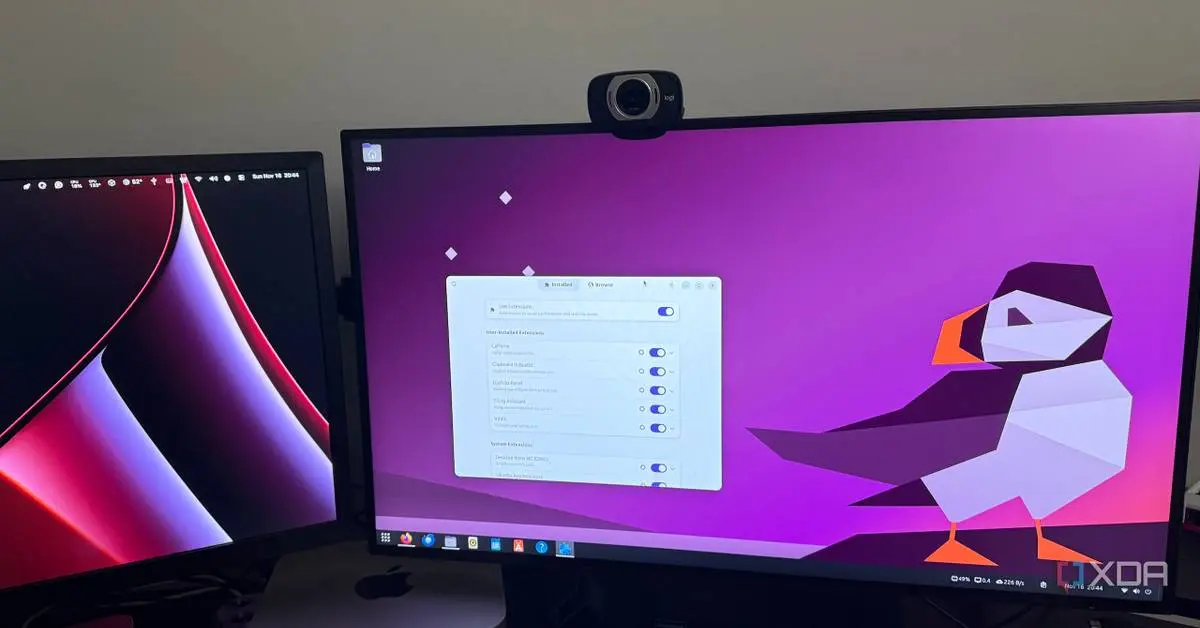
Source: XDA-Developers
Related Stories



Broader Implications for Open Source Development
While users can still generate their own local GNOME Shell extensions using AI tools, these won't be accepted to extensions.gnome.org for distribution to other GNOME users
2
. The policy doesn't represent a complete rejection of AI assistance in development. Rather, it establishes boundaries around vibe-coding practices where developers rely entirely on AI without comprehending the resulting code.The Fedora Council introduced similar developer guidelines around vibe-coding earlier this year, though their approach wasn't as restrictive as GNOME's prohibition on submissions
1
. As AI coding tools become more prevalent, other open source projects may face similar decisions about balancing accessibility with code quality. The growing number of AI-assisted submissions suggests this tension between democratizing development and maintaining technical standards will continue shaping open source communities. Observers should watch whether other major Linux projects follow GNOME's lead in prohibiting submissions that rely heavily on AI-generated code, and how this affects the pace of innovation versus quality in community-driven software development.References
Summarized by

Navi
[1]
Related Stories
Recent Highlights
1
AI chatbots validate you too much, making you less kind to others, Stanford study reveals
Science and Research

2
Anthropic's Claude Code Source Leak Reveals Hidden AI Agent Plans and Extensive System Access
Technology

3
Judge blocks Pentagon from branding Anthropic a security risk over AI safety guardrails dispute
Policy and Regulation

Recent Highlights
Today's Top Stories










Your Daily Dose of Curated AI News
Don’t drown in AI news. We cut through the noise - filtering, ranking and summarizing the most important AI news, breakthroughs and research daily. Spend less time searching for the latest in AI and get straight to action.

