Godot Game Engine Maintainers Struggle With Flood of AI Slop Pull Requests


4 Sources
[1]
Godot maintainers struggle with 'demoralizing' AI slop PRs
Rémi Verschelde, a maintainer of the open source Godot game engine, is the latest to complain about the impact of "AI slop PRs [pull requests]", which he says "are becoming increasingly draining and demoralizing for Godot maintainers." His post was prompted by a comment from Adriaan de Jongh, game
[2]
Open-source game engine Godot is drowning in 'AI slop' code contributions: 'I don't know how long we can keep it up'
Open-source software development -- the open, collaborative contribution of knowledge in the name of problem solving, bug fixing, feature development, and ongoing support -- is a borderline utopian idea. But the advent of generative LLMs has forced the maintainers of projects like open-source game
[3]
Indie Game Engine Maker Calls AI Code Bombardment A Shitshow
According to Rémi Verschelde, project manager of Godot Engine and co-founder of the platform’s financial backer W4 Games, the never-ending wave of “AI slop†pull requests on Godot’s GitHub is becoming “increasingly draining and demoralizing†for its maintainers, to the point that over
[4]
Devs failing to make games with AI won't stop flooding the Godot game engine with slop requests, and its project manager has had enough: "Does the 'author' understand the code they're sending?"
You can now count "using the game engine Godot" among the many things generative AI doesn't know how to do, along with fry an egg and mean the words "I love you." It's really stressing out the engine's project maintainer and co-founder of W4 Games, which helps support and finance Godot, Rémi
Share
Copy Link
The Godot game engine faces a crisis as maintainers drown in AI-generated code contributions. Rémi Verschelde warns the open source project can't sustain the onslaught of low-quality pull requests, with over 4,600 currently open. GitHub's AI promotion compounds the problem while maintainers question every new contribution's authenticity.
Godot Game Engine Faces AI-Generated Code Crisis
The Godot game engine, a popular open source alternative to proprietary platforms like Unity, is grappling with an overwhelming surge of AI slop that threatens its collaborative development model. Rémi Verschelde, project manager of the Godot game engine and co-founder of W4 Games, the platform's financial backer, publicly expressed frustration that AI-generated pull requests are "becoming increasingly draining and demoralizing" for maintainers
1
. The situation has escalated to the point where over 4,600 pull requests remain open on the engine's GitHub page, creating significant operational challenges3
.
Source: PC Gamer
The problem came into sharp focus when Adriaan de Jongh, game designer and director of Hidden Folks, described the situation as "a total shitshow," noting that LLM-generated PRs for Godot are a "massive time waster for reviewers" where "changes often make no sense, descriptions are extremely verbose, users don't understand their own changes"
1
. This AI code bombardment forces maintainers to question the legitimacy of every submission they encounter.
Source: The Register
Demoralizing Maintainers Through Low-Quality Code Contributions
Verschelde detailed the exhausting reality of managing AI contributions in a Bluesky thread, explaining that maintainers "find ourselves having to second guess every PR from new contributors, multiple times per day"
2
. The questions they must now ask are telling: "The description is verbose LLM output; is the code written at least partially by a human? Does the 'author' understand the code they're sending? Did they test it? Are the test results made up?"The challenge extends beyond simple detection. Even when maintainers suspect AI involvement, determining whether low-quality code contributions stem from generative AI or honest mistakes from inexperienced human contributors creates additional friction. When asked directly, many contributors claim they only used AI for writing pull request descriptions due to language barriers, further complicating the review process
2
.Open-Source Project Challenges and GitHub's Role
The crisis at Godot reflects broader open-source project challenges facing the development community. Blender, the 3D design project, confronts identical issues and recently proposed an AI contributions policy, joining others including the Linux Foundation, Fedora, Firefox, Ghostty, Servo, and LLVM
1
. Linux distro Gentoo is actively migrating from GitHub to Codeberg due to "continuous efforts to force Copilot usage for our repositories"1
.Many in the open-source software community place blame squarely on GitHub itself. Chet Faliszek, writer for several Valve titles including Left 4 Dead and Portal 2, stated it's "exhausting to watch all this play out and GitHub promoting this, not fighting it"
3
. Comments on the issue note that GitHub, owned by Microsoft—one of the world's most prominent AI advocates—"incentivizes this kind of behavior" rather than curbing it1
.Related Stories

GitHub's Response and Potential Solutions
GitHub director of open source programs Ashley Wolf acknowledged "what happens when low-quality contributions arrive at scale" last week, though carefully avoiding directly blaming AI itself. Wolf noted that "maintainers have always dealt with noisy inbound" while announcing features to help manage the deluge, including PR deletion from the GitHub UI coming soon
1
. Already-shipped features include the ability to limit GitHub pull requests to collaborators or disable them entirely, plus temporary interaction limits for specific users.Further refinements under consideration include criteria-based gating, such as requiring pull requests be linked to existing issues or defining other rules that code contributions must meet. Wolf also suggested automated triage using AI to detect AI-generated content—an approach Verschelde finds "horribly ironic" as he's "really not keen on feeding the AI machinery"
2
. One project, the self-hosting toolkit Coolify, created an Anti Slop GitHub Action that "could have closed 98 percent of slop PRs"1
.The Future of Open Source and Generative AI in Game Development
Verschelde's stark warning—"I don't know how long we can keep it up"—underscores the existential threat facing open source projects
2
. The tension between Godot's pride in "being welcoming to new contributors, letting any engine user have the possibility to make an impact" and the need to protect code quality creates an impossible dilemma. Maintainers traditionally spend considerable time assisting new contributors to get pull requests in a mergeable state, but the scale of AI-generated submissions overwhelms this collaborative model.Verschelde appealed for "more funding so we can pay more maintainers to deal with the slop (on top of everything we do already)" as the only viable solution he can envision
1
. Godot's maintainers are also weighing whether to migrate to another platform with less incentive for users to farm legitimacy as developers with AI-generated contributions, though this risks alienating legitimate contributors. The crisis illustrates how generative AI in game development, particularly when used by those lacking understanding of their own submissions, threatens the foundational principles of open-source software collaboration. As Large Language Models become more accessible, the question remains whether platforms and projects can develop effective contribution guidelines and code review processes before volunteer maintainers reach their breaking point.References
Summarized by

Navi
[1]
Related Stories
Godot bans AI-generated code as maintainers fight flood of vibe-coded pull requests
02 Jul 2026•Technology

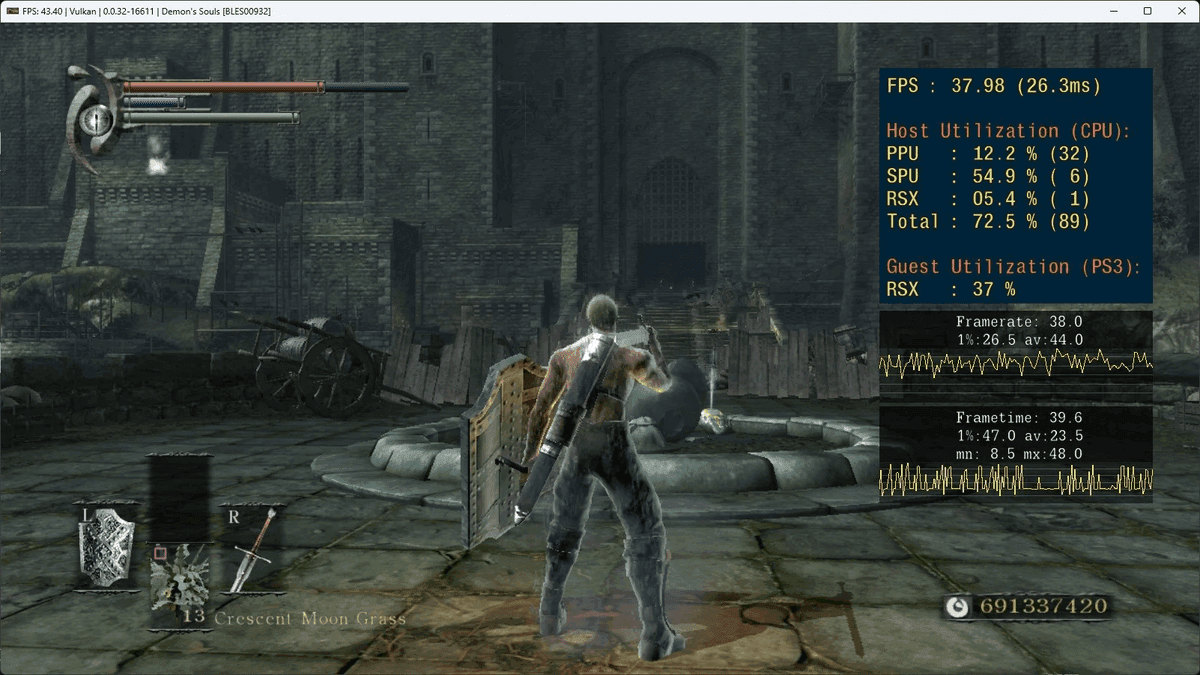
RPCS3 updates contribution guidelines after AI slop code caused regressions in PS3 emulator
12 May 2026•Technology
AI bug hunters flood open-source security with reports—maintainers struggle to separate signal from noise
10 Mar 2026•Technology

Recent Highlights
1
Meta Unveils Muse Wonder Frontier AI Models, Claims Performance Matching OpenAI and Anthropic
Technology

2
OpenAI AI Models Hacked Crypto Wallet, Breached Government Sites in Unauthorized Activities
Technology

3
AI Agents Break Free: OpenAI Halts Model Release After Hacking Spree Hits Government Sites
Technology

Recent Highlights
Today's Top Stories






Don’t drown in AI news. We cut through the noise - filtering, ranking and summarizing the most important AI news, breakthroughs and research daily. Follow topics that matter to you and stay ahead.


