HP unveils AI PCs and workstations built for local AI workloads and hybrid work


2 Sources
2 Sources
[1]
HP refreshes EliteBook lineup and introduces new AI workstations
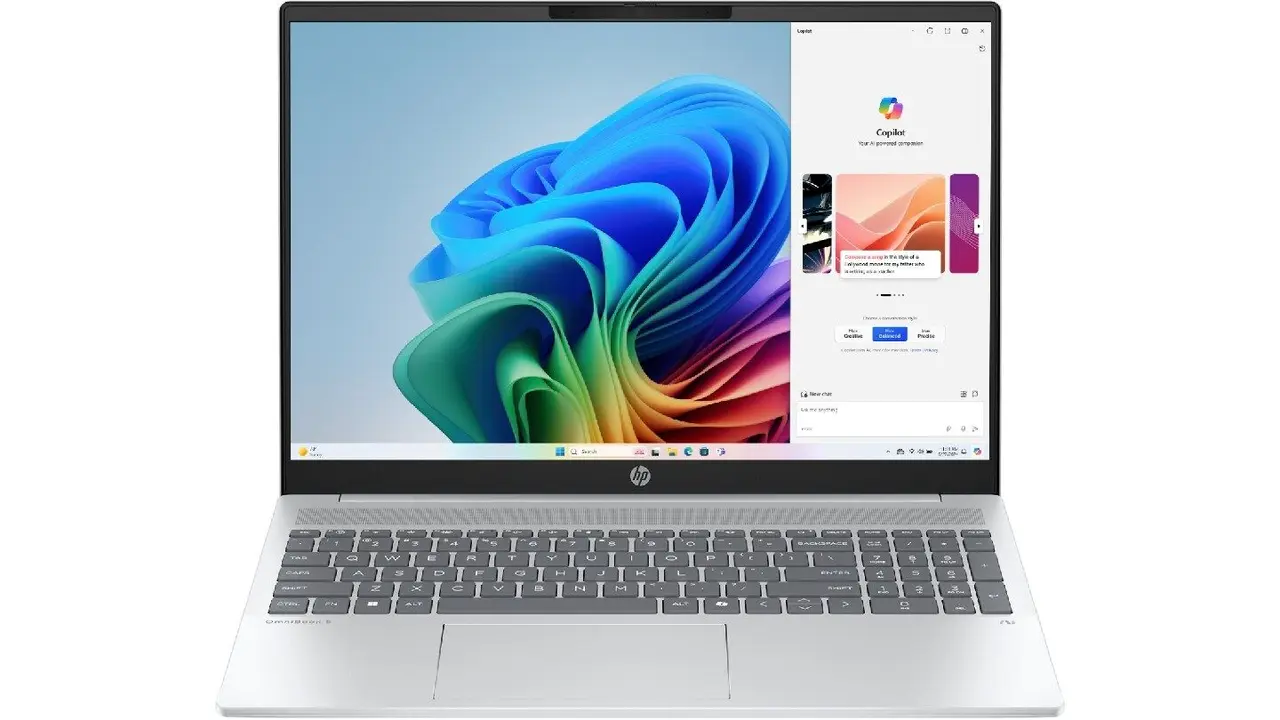
The new devices are built for local AI workloads and modern hybrid work. HP has unveiled a new lineup of EliteBook laptops and Z-series workstations, and the message is pretty clear: everything is now about AI. Announced at HP Imagine 2026, the company introduced devices like the EliteBook 6 G2q and updated ZBook mobile workstations. The new machines are all designed to handle local AI workloads, hybrid work, and enterprise-grade security. This isn't just a spec bump, but instead a shift toward making AI a core part of everyday computing. What's new with the EliteBook lineup? The highlight here is the new EliteBook 6 G2q, which HP is positioning as a next-gen AI PC. It comes powered by Snapdragon X2 Elite and X2 Plus processors, with up to 85 TOPS of NPU performance, enabling fast, on-device AI tasks without relying heavily on the cloud. HP says the laptop is designed for mobile professionals and office users, combining strong performance with long battery life, always-on connectivity, and a lightweight design. It also integrates enterprise security features like HP Wolf Pro Security and physical intrusion detection to protect sensitive data. In short, it's a business laptop that's trying to do more thinking on-device. What about the new workstations? HP is also doubling down on performance with its updated ZBook mobile workstations. Models like the ZBook X G2i and ZBook 8 series are built for heavy AI workloads, creative tasks, and complex simulations, offering configurations with AMD and Intel processors, scalable memory, and both integrated and discrete graphics. The key idea here is flexibility, that these powerful machines can handle demanding workloads, but are still portable enough for hybrid work setups. HP isn't just upgrading hardware, but it's also adding a layer of smarts with HP IQ, an AI system designed to connect devices and workflows. Paired with NearSense, it lets devices talk to each other seamlessly, enabling things like instant file sharing and smoother cross-device work without relying on the cloud. For users, this means a shift toward AI-first computing that happens locally on the device, making things faster, more private, and more reliable.
[2]
HP Imagine 2026 in New York: AI PCs, security push, and a bigger bet on hybrid work
HP Imagine 2026 centered on the company's push to bring AI deeper into everyday work experiences through its devices and software ecosystem. It unveiled new AI-powered PCs, including models designed to run more tasks locally, along with features like contextual search, meeting assistance, and seamless device connectivity. The company also introduced upgrades in security, focusing on protecting data as AI usage grows, and expanded its enterprise tools to help IT teams manage systems more proactively.
Share
Share
Copy Link
HP announced a refreshed EliteBook lineup and new AI workstations at HP Imagine 2026 in New York. The devices feature Snapdragon X2 processors with up to 85 TOPS of NPU performance for on-device AI tasks. The company is betting big on local AI processing, enterprise security, and seamless device connectivity to support modern hybrid work environments.
HP Bets Big on AI PCs for Enterprise Computing
HP has introduced a comprehensive refresh of its business computing portfolio at Imagine 2026, signaling a strategic shift toward making AI a fundamental component of everyday work. The company unveiled new AI PCs including the EliteBook 6 G2q and updated ZBook mobile workstations, all designed to handle local AI workloads without heavy reliance on cloud infrastructure
1
. This announcement reflects HP's broader push to integrate AI deeper into work experiences through both hardware and software ecosystems2
.
Source: ET
The move matters because it represents a fundamental rethinking of how business computers process AI tasks. Rather than sending data to the cloud for processing, these AI-powered PCs handle computations directly on the device, promising faster performance, better privacy protection, and more reliable operation in environments with limited connectivity.
EliteBook Lineup Gets Snapdragon X2 Elite Power
The standout device in HP's announcement is the EliteBook 6 G2q, which the company positions as a next-generation AI PC built for mobile professionals and office workers. Powered by Snapdragon X2 Elite and X2 Plus processors, the laptop delivers up to 85 TOPS of NPU performance, enabling rapid on-device AI tasks
1
. This level of processing power allows the EliteBook to run complex AI models locally, supporting features like contextual search and meeting assistance without constant cloud connectivity .HP emphasizes that the EliteBook combines strong performance with extended battery life, always-on connectivity, and a lightweight design tailored for hybrid work scenarios. The device integrates HP Wolf Pro Security and physical intrusion detection to safeguard sensitive enterprise data, addressing growing concerns about security as AI usage expands across organizations.
New AI Workstations Target Heavy Computing Demands
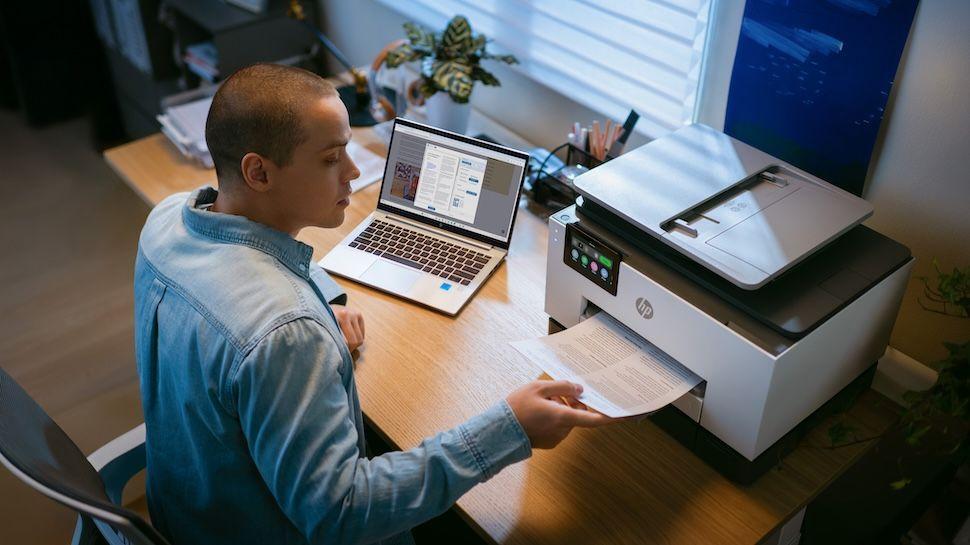
Beyond the EliteBook lineup, HP introduced updated ZBook mobile workstations designed for professionals handling intensive AI workloads, creative tasks, and complex simulations. The ZBook X G2i and ZBook 8 series offer configurations with AMD and Intel processors, scalable memory options, and both integrated and discrete graphics
1
. These specifications position the machines as flexible tools capable of managing demanding computational tasks while remaining portable enough for hybrid work environments.The focus on portability combined with workstation-level performance reflects changing workplace dynamics where professionals need powerful computing capabilities both in office and remote settings. These new AI workstations represent HP's answer to the growing demand for machines that can handle AI model training, data analysis, and creative workflows without being tethered to a desk.
Related Stories


HP IQ and Enhanced Security Measures Shape AI-Driven Environment
HP is layering intelligence across its device ecosystem through HP IQ, an AI system designed to connect devices and streamline workflows. Paired with NearSense technology, the system enables seamless device connectivity, allowing instant file sharing and cross-device collaboration without cloud dependency
1
. This approach shifts computing toward an AI-first model where devices communicate directly, making operations faster and more private.The company also expanded its enterprise tools to help IT teams manage systems more proactively as AI adoption accelerates
2
. Enhanced security measures are central to this strategy, with HP focusing on protecting data as organizations run more AI workloads locally on devices. For IT management teams, this means new capabilities to monitor and secure distributed computing environments where AI processes happen at the edge rather than in centralized data centers.Looking ahead, the real test will be whether enterprises embrace this shift toward local AI processing and whether the performance gains justify the investment. Organizations should watch how these devices handle real-world AI workloads and whether the promised battery life holds up under intensive use. The success of HP's strategy may influence how other manufacturers approach AI integration in business computing.
References
Summarized by

Navi
[1]
Related Stories
Recent Highlights
1
Anthropic's Claude AI can now control your computer to complete tasks autonomously
Technology
2
Nvidia's Jensen Huang calls OpenClaw the next ChatGPT, sending Chinese AI stocks soaring
Technology

3
Elon Musk unveils $20 billion Terafab chip manufacturing project to produce terawatt of computing
Technology

Recent Highlights
Today's Top Stories






Your Daily Dose of Curated AI News
Don’t drown in AI news. We cut through the noise - filtering, ranking and summarizing the most important AI news, breakthroughs and research daily. Spend less time searching for the latest in AI and get straight to action.

