Jorja Smith's Label Demands Royalties from AI-Generated Viral Hit 'I Run'


2 Sources
2 Sources
[1]
Jorja Smith's record label wants royalties from 'AI clone' song I Run by Haven
Brit Award-winning singer Jorja Smith's record label has said it wants a share of the royalties for a song it claims was created using an artificial intelligence "clone" of the singer's voice. I Run by British dance act Haven went viral on TiKTok in October thanks, in part, to smooth soul vocals by an uncredited female singer. It was heading for the charts in the UK and the US but was banned by streaming services after record industry bodies issued takedown notices, alleging the track violated copyright by impersonating another artist. Although I Run has now been re-released with new vocals, Smith's label FAMM said it believes the track was made with AI trained on her work, and is seeking compensation.
[2]
Jorja Smith's label requests share of royalties from 'AI-cloned' TikTok viral song
Uncredited vocals on song I Run by British dance act Haven alleged to infringe copyright as impersonation of Smith Jorja Smith's record label has called for a share of the royalties from a TikTok-viral song that it claims used an AI-cloned version of the British singer's voice. The song I Run, by British dance act Haven, went viral in October and was due to chart in the UK and the US after reaching No 11 on the US Spotify chart and No 25 on the platform's global chart. It was then banned by streaming services after takedown notices issued by Smith's label, and industry bodies the Recording Industry Association of America and the International Federation of the Phonographic Industry alleged that the song infringed on copyright by impersonating Smith - and by misleading listeners into believing that the song was an unreleased original by her. Many of Haven's social media posts about the song were tagged #jorjasmith. A video appeared to show Offset of Migos playing the song during his set at Boiler Room New York, which led many fans to believe it was an unreleased Smith song - footage that itself turned out to be fake. The apparently female vocals on the song were uncredited, and in fact belonged to the band's Harrison Walker, processed through Suno's genAI. "It shouldn't be any secret that I used AI-assisted processing to transform solely my voice for I Run," Walker told Billboard. "As a songwriter and producer I enjoy using new tools, techniques and staying on the cutting edge of what's happening." Sony Music, Warner Music Group and Universal Music Group have previously filed lawsuits against Suno over claims that the company trained its model on the labels' works. Suno has claimed that it did so under fair use laws. Warner has since agreed a deal with Suno; Sony and Universal remain in litigation. In a statement posted on Instagram, Smith's label Famm claimed that once I Ran originally went viral, Haven's team asked Smith to feature on a remix of the song. Famm alleged that "they did so as they needed to legitimise the track as the public had been led to believe that they were listening to Jorja Smith's vocals. "At no point did they mention to us that AI had been used to manipulate the existing vocals but we already had a suspicion that this was the case. We could have cut a cheque in a backroom deal and gotten paid but we ignored the request." The Guardian has contacted Haven for comment. I Run has since been re-recorded with new vocals by Kaitlin Aragon, and last week charted at No 37 in the UK. But Famm believes the new top line was still made using AI models trained on Smith's catalogue. "Haven and his team have now replaced the AI vocal with a real human vocal, although we still believe both versions of the track infringe on Jorja's rights and unfairly take advantage of the work of all the songwriters with whom she collaborates," Famm wrote in a statement posted to Instagram. It said that if it was successful in establishing that AI was involved in the track's creation and won a share of the song, they would "seek to allocate each of Jorja's cowriters with a pro-rata share. This allocation would be based on the percentage of Jorja's catalogue that they have contributed to, as, ultimately, if AI helped to write I Run, it would have been trained on Jorja's catalogue of songs." Famm alleged that the song initially persisted on streaming and social media platforms as a result of it having four separate distributors who "aggressively" marketed the song, "circumventing usual takedown procedures". Spotify stated that it detected the impersonation, removed the song and had not paid out any royalties. Billboard also said that it reserved the right to remove titles known to be involved in active legal disputes related to copyright infringements. Famm accused Haven and their label counterparts of relying on "public confusion as a key part of the marketing strategy ... They could have made the public aware that Jorja's vocals did not feature on I Run but instead appeared to revel in the confusion that had been created. "A second layer of public confusion arose once doubt had been cast over whether these were, in fact, Jorja Smith vocals - is this an AI track? Are these AI vocals? Again, rather than clear up the confusion immediately, they allowed the storm to brew." There is further confusion in that a young female musician who has made music under the name Haven for years has been targeted by commenters accusing her of being AI as a result of sharing a name with the newer AI act. "Story time of how I got caught up in this AI mess," she wrote in an Instagram video caption - and released her own "Human Haven" cover version of I Run. Whether the 90s Cornish band Haven will weigh in remains to be seen. "This isn't about Jorja," Famm said. "It's bigger than one artist or one song." Famm called for AI-generated music to be "clearly labelled as such so that the public may choose whether they consume AI material or not. And creators who are happy for their protected works to be used to train AI should be credited and compensated accordingly." It highlighted the plight of creators as "collateral damage in the race by governments and corporations towards AI dominance ... I Run seems to be a clear example of why we all need to step up and push for some guardrails before the moment is completely lost." In mid-November, three AI-generated songs topped charts around the world. Walk My Walk and Livin' on Borrowed Time by the outfit Breaking Rust topped Spotify's US Viral 50 songs. A Dutch song, We Say No, No, No to an Asylum Seekers' Centre, an anti-migrant anthem by JW "Broken Veteran", also topped Spotify's global viral chart. In July, the Velvet Sundown went viral, amassing more than 1m Spotify plays in a matter of weeks, only to be revealed as an entirely AI confection.
Share
Share
Copy Link
British singer Jorja Smith's record label is seeking compensation from dance act Haven's viral TikTok song 'I Run,' claiming it used AI to clone Smith's voice. The controversy highlights growing tensions over AI-generated music and artist rights.
The Viral Hit That Sparked Controversy
A TikTok-viral song has ignited a significant legal battle over AI-generated music and artist rights. "I Run" by British dance act Haven achieved remarkable success in October, reaching No. 11 on the US Spotify chart and No. 25 globally
2
. The track's smooth soul vocals, performed by an uncredited female singer, contributed to its viral status across social media platforms1
.However, the song's meteoric rise was abruptly halted when streaming services banned it following takedown notices from record industry bodies, including the Recording Industry Association of America and the International Federation of the Phonographic Industry
2
.AI Voice Cloning Allegations
The controversy centers on allegations that Haven used artificial intelligence to clone Brit Award-winning singer Jorja Smith's voice. Smith's record label, FAMM, claims the track violated copyright by impersonating the artist and misleading listeners into believing they were hearing an unreleased Smith original
1
.
Source: BBC
Haven's Harrison Walker later revealed to Billboard that he used "AI-assisted processing to transform solely my voice for I Run," utilizing Suno's generative AI technology
2
. Walker defended his approach as staying "on the cutting edge of what's happening" in music production.The confusion was amplified by Haven's social media strategy, with many posts tagged #jorjasmith, and fabricated footage appearing to show rapper Offset playing the song during a Boiler Room set
2
.Industry Response and Legal Implications
FAMM's response highlights the complex legal landscape surrounding AI-generated music. The label revealed that Haven's team approached Smith for a remix collaboration after the original went viral, allegedly seeking to "legitimise the track as the public had been led to believe that they were listening to Jorja Smith's vocals"
2
.Crucially, FAMM claims Haven's team never disclosed their use of AI technology during these discussions. The label stated it "could have cut a cheque in a backroom deal and gotten paid but we ignored the request," instead choosing to pursue legal action .
The Re-recorded Version and Ongoing Disputes
"I Run" has since been re-released with new vocals by Kaitlin Aragon and charted at No. 37 in the UK
2
. However, FAMM maintains that both versions infringe on Smith's rights and "unfairly take advantage of the work of all the songwriters with whom she collaborates."The label's legal strategy extends beyond seeking compensation for Smith alone. If successful in establishing AI involvement, FAMM plans to "allocate each of Jorja's cowriters with a pro-rata share" based on their contribution to Smith's catalog, arguing that AI training would have utilized her entire body of work
2
.Related Stories

Broader Industry Context
This case occurs amid wider legal battles between major record labels and AI companies. Sony Music, Warner Music Group, and Universal Music Group have filed lawsuits against Suno over claims the company trained its models on their catalogs without permission
2
. While Warner has reached a settlement with Suno, Sony and Universal continue litigation.Spotify confirmed it detected the impersonation, removed the original song, and withheld royalty payments. Billboard also reserved the right to remove titles involved in active copyright disputes .
Call for Industry Reform
FAMM emphasized that this controversy extends beyond individual artists, stating "This isn't about Jorja. It's bigger than one artist or one song." The label advocates for mandatory labeling of AI-generated music, allowing consumers to make informed choices about their listening habits
2
.References
Summarized by

Navi
Related Stories
King Gizzard & the Lizard Wizard quits Spotify, only to be replaced by AI music clones
08 Dec 2025•Entertainment and Society
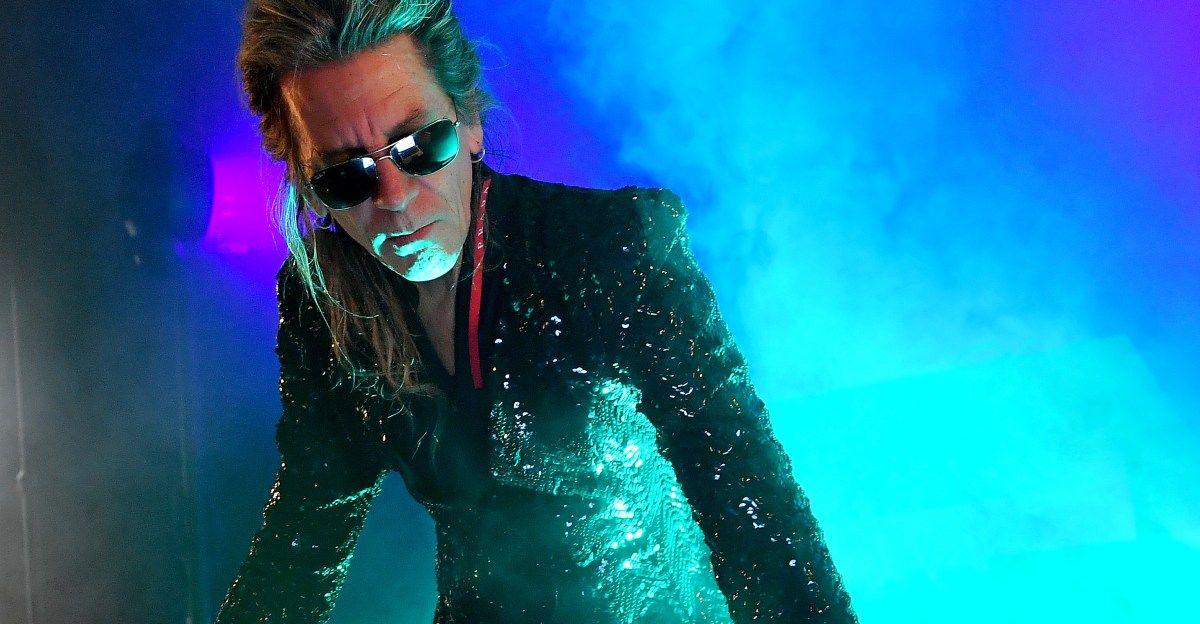
IFPI Sweden Bans AI-Generated Hit Song from National Charts, Sparking Industry Debate
16 Jan 2026•Policy and Regulation

AI-Generated Band "Velvet Sundown" Sparks Debate on Music Industry's Future
08 Jul 2025•Technology

Recent Highlights
1
OpenAI Releases GPT-5.4, New AI Model Built for Agents and Professional Work
Technology
2
Pentagon's Anthropic showdown exposes who controls AI guardrails in military contracts
Policy and Regulation

3
Anthropic challenges Pentagon supply chain risk label in court over AI usage restrictions
Policy and Regulation

Recent Highlights
Today's Top Stories








Your Daily Dose of Curated AI News
Don’t drown in AI news. We cut through the noise - filtering, ranking and summarizing the most important AI news, breakthroughs and research daily. Spend less time searching for the latest in AI and get straight to action.

