King Gizzard & the Lizard Wizard quits Spotify, only to be replaced by AI music clones


5 Sources
[1]
Musicians are getting really tired of this AI clone 'bullshit'
"Not ideal." "Completely unacceptable." "Shameless." "Predatory." "Some bullshit." "Total bullshit." This is how musicians, producers, and others in the industry are describing the relentless spread of AI clones. Of course, AI fakes aren't new, but as the scammers have gotten more brazen, artists
[2]
King Gizzard & The Lizard Wizard quit Spotify in protest, only for an AI doppelgänger to step in
Imagine this: a band removes its entire music catalogue off Spotify in protest, only to discover an AI-generated impersonator has replaced it. The impersonator offers songs that sound much like the band's originals. The imposter tops Spotify search results for the band's music - attracting
[3]
An AI copycat of King Gizzard & the Lizard Wizard went unnoticed on Spotify for weeks
Despite making some moves to address the proliferation of AI-generated audio on its platform, Spotify failed to catch a copycat making imitations of music by King Gizzard & the Lizard Wizard. The long-running experimental rock band from Australia, has been a vocal critic of Spotify and was one of
[4]
'We are truly doomed': King Gizzard and the Lizard Wizard despair at AI clone appearing on Spotify
Australian psych-rockers, who removed their music from Spotify in protest against the streaming service, lament the appearance of AI band King Lizard Wizard Spotify has removed an AI impersonator of popular Australian rockers King Gizzard and the Lizard Wizard from the streaming service, with the
[5]

King Gizzard Pulled Their Music From Spotify in Protest, and Now Spotify Is Hosting AI Knockoffs of Their Songs
"I find this absolutely deplorable and am now quitting my account." Acclaimed Australian prog rock band King Gizzard & the Lizard Wizard joined a growing number of artists when it left Spotify in July. At the time, band leader Stu Mackenzie took aim at Spotify CEO Daniel Ek, excoriating him for
Share
Copy Link
Australian prog-rock band King Gizzard & the Lizard Wizard removed their entire catalog from Spotify in July to protest CEO Daniel Ek's investments in AI weapons technology. Months later, fans discovered an AI-generated impersonator called 'King Lizard Wizard' hosting knockoff tracks with identical titles and lyrics. The fake account accumulated tens of thousands of streams before removal, exposing serious gaps in Spotify's content moderation despite new policies against artist impersonation.
AI Clones Exploit King Gizzard & the Lizard Wizard's Spotify Absence
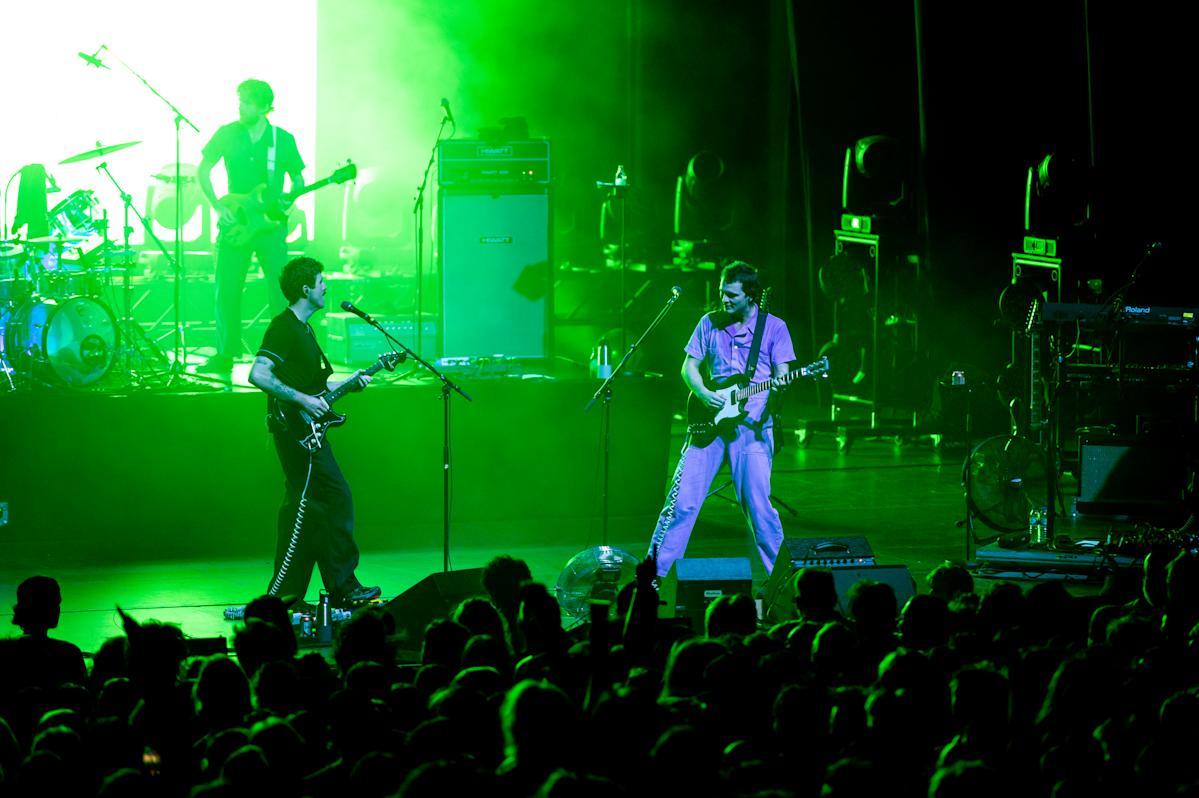
When King Gizzard & the Lizard Wizard pulled their music from Spotify in July 2024, they made a statement against CEO Daniel Ek's investments in military AI technology. What they didn't anticipate was becoming victims of the very technology they opposed. Months after their departure, fans discovered an AI-generated impersonator operating under the name 'King Lizard Wizard' on the streaming platform, hosting tracks that mimicked the Australian prog-rock band's distinctive sound
1
4
. The fake account featured AI music with identical song titles and lyrics to the original band's work, including a track called 'Rattlesnake' that copied the band's actual song word-for-word5
. Frontman Stu Mackenzie responded with despair, telling The Music, 'we are truly doomed'1
.
Source: Engadget
Spotify's Content Moderation Struggles With AI-Generated Knockoffs
The AI-generated knockoffs went undetected for weeks before a Reddit user spotted the fake 'Rattlesnake' track in their Release Radar playlist, Spotify's personalized recommendation feature
3
. The impersonator's tracks accumulated tens of thousands of streams, with Spotify's algorithms actively recommending the AI clones to users searching for the real band5
. This incident is particularly troubling because King Gizzard had already been targeted by impersonators on Spotify before, raising questions about why the streaming platform wasn't monitoring the band more closely5
. After media exposure, Spotify removed the fake account, stating it 'strictly prohibits any form of artist impersonation' and confirmed no royalties were paid to the fake account creator4
. However, the incident highlights serious gaps in the platform's ability to enforce its own policies despite announcing new measures against spam and artist impersonation in September3
.Copyright Infringement and Trademark Law Implications
The King Lizard Wizard case raises significant legal questions around copyright infringement and trademark law. Using identical song titles and lyrics constitutes clear copyright infringement, while the similar-sounding AI music potentially infringes on the band's original sound recordings
2
. Courts would examine whether the AI tracks are direct copies or 'sound-alikes' that evoke the band's style without technically reproducing protected elements2
. The near-identical band name creates false association issues under trademark law, particularly when Spotify's algorithms recommended the fake tracks, potentially confusing consumers about the source of the music2
. While Spotify benefits from safe harbor laws that limit liability when content is removed after notification, this case exposes tensions between platforms actively promoting AI-generated content through algorithms while claiming to be passive hosts2
.Growing Wave of Artist Impersonation Across the Music Industry
King Gizzard joins a growing list of artists victimized by AI clones. Musicians from Beyoncé to experimental composer William Basinski have discovered fake songs appearing under their names on streaming platforms
1
. William Basinski, known for ambient pieces built around colliding black holes and crumbling tape loops, found an AI-generated reggaeton song on his Spotify page, calling it 'total bullshit'1
. Luke Temple of Here We Go Magic, whose band hadn't released new music since 2015, discovered AI tracks reactivating their dormant Spotify page, telling NPR 'it is so awful'1
. The scale of the problem is staggering: Spotify removed 75 million spam tracks last year, while Deezer reports that 50,000 AI-generated tracks are uploaded to its library per day, accounting for more than 34 percent of the music it ingests1
4
.
Source: The Conversation
Related Stories

Distribution Service Vulnerabilities Enable AI Music Fraud
Bad actors exploit a fundamental vulnerability in how streaming platforms operate. Music isn't uploaded directly to Spotify; instead, it passes through third-party distribution services like DistroKid
1
. It remains unclear what screening measures, if any, exist to verify that someone uploading a song is who they claim to be1
. Generative AI tools like Suno and Udio have made creating convincing sound-alikes easier than ever, allowing anyone to generate entire songs with just a few text prompts1
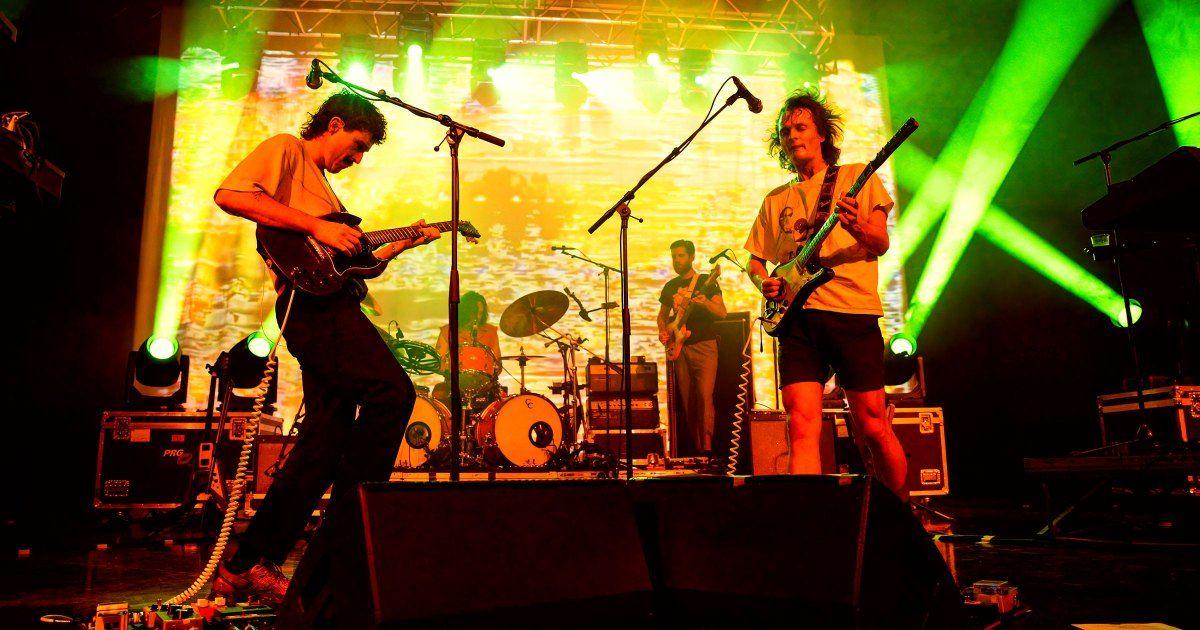
. While Suno is designed to ignore artist-specific prompts, the King Lizard Wizard case demonstrates how perpetrators can feed lyrics and style instructions into AI music generators to create deepfake versions of existing artists5
. The fake tracks even listed Stu Mackenzie as the composer and lyricist, adding another layer of deception5
.
Source: Futurism
Ethical Concerns and the Future of AI in the Music Industry
The incident raises profound ethical concerns about AI's role in music creation and distribution. Producer Haven's Harrison Walker faced backlash after creating a viral track with AI-manipulated vocals that too closely imitated British singer Jorja Smith, leading to takedown requests and demands for royalties from Smith's label FAMM
1
4
. An AI gospel creation called Solomon Ray sparked particular controversy, with Christianity Today saying it 'has no soul' and Christian artist Forrest Frank questioning the spiritual authenticity of AI-generated worship music1
. Meanwhile, major labels Universal and Warner have struck deals with Udio and Suno, allowing users to create AI music from real artists' work, with artists able to opt in or out4
. Irving Azoff, founder of the Music Artists Coalition, warned that artists could 'end up on the sidelines with scraps' without proper protections ensuring creative control, fair compensation, and clarity about deals based on their catalogs4
. As AI detection policies struggle to keep pace with rapidly evolving technology, the music industry faces critical decisions about balancing innovation with protecting artists' rights and livelihoods.References
Summarized by

Navi
[2]
[4]
Related Stories
AI-Generated Music Sparks Controversy: Fake Albums and Artist Impersonation on Streaming Platforms
26 Aug 2025•Technology
YouTube Music users furious as AI slop floods recommendations, threatening paid subscriptions
06 Jan 2026•Technology
AI-Generated Band "Velvet Sundown" Sparks Debate on Music Industry's Future
08 Jul 2025•Technology

Recent Highlights



Recent Highlights
Today's Top Stories










Don’t drown in AI news. We cut through the noise - filtering, ranking and summarizing the most important AI news, breakthroughs and research daily. Follow topics that matter to you and stay ahead.


