Krafton CEO used ChatGPT to dodge $250M bonus—Delaware court forces complete reversal


6 Sources
6 Sources
[1]
South Korean company following ChatGPT management advice forced to backtrack by court -- Krafton improperly ousted Subnautica developer bosses to dodge $250m bonus payout
South Korean game company disagrees with the ruling about its management of the US-based Subnautica developer. South Korea's Krafton Inc has been ordered to reinstate the leadership of a U.S. game studio that it acquired in 2021. The ruling, by a Delaware judge, says the Unknown Worlds Entertainment bosses were improperly removed by Krafton, an action not supported by cause. ChatGPT was extensively consulted by Krafton, according to Reuters, after the U.S. Subnautica 2 dev team looked certain to hit performance targets and earn a $250 million bonus from their new South Korean owners. Post purchase pushover dissonance We have covered numerous cases where AIs have tripped up to disastrous effect. Often, that's been due to wrinkles in training data, hallucinations, or the underlying nature of how reinforcement learning works. Here, though, it looks like the Krafton CEO, Changhan Kim, sought to use ChatGPT with what you might describe as malignant intent. Specifically, Reuters says that "Kim feared he was caught in a 'pushover' deal and in June turned to ChatGPT to get out of it." Sure, $250 million is a lot at stake. Krafton bought Unknown Worlds Entertainment for $500 million up front in 2021, with the promise of an extra $250 million should the U.S. developer of the Subnautica games meet certain targets. It was also agreed that the studio would remain independent and that its leadership, co-founders Charlie Cleveland and Max McGuire , and CEO Ted Gill, would retain operational control and only be fired for cause. To help Kim achieve his plans to sidestep the $250 million payout, ChatGPT provided step-by-step advice across several stages. It would advise actions such as the formation of an internal task force to renegotiate with the studio. After renegotiations were rejected, the founders and CEO were removed. Then the Krafton management plan centered on using a pressure and leverage strategy leaning on 'fan trust.' ChatGPT also advised Krafton to prepare a "systematic material for legal defense." Human judgment needed for good faith decision making Some of the key underlying features of this case, which weighed in the Unknown Worlds Entertainment leadership's favor, were noted by Vice Chancellor Lori Will of the Court of Chancery. In the U.S., it is implied that company directors and officers must exercise independent human judgment, rather than pass good faith decisions and processes to artificial intelligence. However, the contractual breach where Krafton took out the two founders and the CEO without proper cause was the main issue here. CEO Ted Gill is now back at the helm at Unknown Worlds Entertainment. He is free to reinstate co-founders Charlie Cleveland and Max McGuire. The earnout period to qualify for the $250 million sum has been extended by the judge. Krafton disagrees with the ruling and is looking at its options. Follow Tom's Hardware on Google News, or add us as a preferred source, to get our latest news, analysis, & reviews in your feeds.
[2]
US court rules against S Korean gaming company and its AI-hatched takeover plan
WILMINGTON, Delaware, March 16 (Reuters) - A Delaware judge ordered on Monday that South Korean game developer Krafton Inc (259960.KS), opens new tab reinstate the head of one of its video game studios, ruling that he had been improperly removed as part of a takeover plan hatched by ChatGPT. Krafton's CEO Changhan Kim had largely followed the advice of AI tool ChatGPT during a $250 million dispute with the leaders of the "Subnautica" game maker Unknown Worlds Entertainment, which Krafton had acquired, according to the ruling by Lori Will of the Court of Chancery in Delaware. The ruling comes as businesses and governments are scrambling for new ways to use artificial intelligence, which has also been blamed for mass layoffs, fears of autonomous weapons and concerns about civil rights. Companies caught in takeover-related legal battles often spend millions of dollars on teams of attorneys and advisors from top-flight Wall Street firms. Attorneys for the studio leadership and for Krafton did not immediately respond to a request for comment. The dispute stems from Krafton's acquisition of Unknown Worlds Entertainment for $500 million up front in 2021. Krafton agreed the studio would remain independent and that its leadership -- co-founders Charlie Cleveland and Max McGuire and CEO Ted Gill -- would retain operational control and could only be fired for cause, according to Will's ruling. If the company met certain targets, Krafton would pay what is known as an earnout worth up to $250 million. As the studio last year was ramping up to release "Subnautica 2," internal projections showed it would trigger the earnout, according to the ruling. Krafton's CEO Kim feared he was caught in a "pushover" deal and in June turned to ChatGPT to get out of it. "Over the next month, Krafton followed most of ChatGPT's recommendations," Will wrote in her opinion. As the chatbot suggested, the company formed an internal task force to negotiate a new deal or execute a takeover of the studio. It also outlined specific actions, including a communications strategy focused on fan trust, securing publishing rights over "Subnautica 2" and preparing "systematic material of legal defense." Unable to get the leadership to renegotiate the earnout, Krafton removed them, alleging they deceived the company about the diminishing amount of time they were spending at the studio, a claim that the judge rejected. Will ordered operational control be returned to Gill, the CEO of the studio. She also extended the period in which the earnout criteria could be met. Reporting by Tom Hals in Wilmington, Delaware; Editing by Daniel Wallis Our Standards: The Thomson Reuters Trust Principles., opens new tab
[3]
A gaming CEO asked ChatGPT how to avoid paying a $250 million bonus. It didn't work | Fortune
When Changhan Kim, CEO of the South Korean gaming company Krafton, decided he needed a way out of a costly acquisition deal, he didn't call his lawyers -- he opened ChatGPT. The result is one of the most striking cautionary tales about AI-assisted decision-making in corporate America, and it ended with a Delaware judge ordering the company reverse everything it had done. A Delaware judge found Kim used ChatGPT to engineer the removal of Unknown Worlds Entertainment -- the indie studio responsible for the underwater survival game Subnautica -- CEO Ted Gill from the company to dodge a $250 million bonus payout. "Fearing he had agreed to a 'pushover' contract, Krafton's CEO consulted an artificial intelligence chatbot to contrive a corporate 'takeover' strategy," Delaware's Court of Chancery Vice Chancellor Lori Will wrote in a ruling on Tuesday. In 2021, Krafton, the publisher behind the global phenomenon PUBG: Battlegrounds, acquired Unknown Worlds Entertainment for $500 million. As part of the deal, Krafton agreed to pay an additional $250 million earn-out bonus if the studio's hotly anticipated sequel, Subnautica 2, hit certain sales targets. The contract also guaranteed that Unknown Worlds would remain independent, with cofounders Charlie Cleveland and Max McGuire, along with Gill, retaining operational control -- and only being removed for cause. Usually, it's a good thing to hit and even exceed sales targets, but for Krafton, trouble started when their own internal sales projections showed Subnautica 2 was well on track to trigger that payout. When Maria Park, Krafton's head of corporate development, told Kim a "dismissal with cause" would not rid the company of its $250 million bonus obligation without exposing the company to "lawsuit and reputation risk," Kim looked toward an AI chatbot for guidance. Kim, spooked by what he privately called a "pushover" deal, bypassed his own legal team and turned to ChatGPT for help. When the AI chatbot responded that the earnout would be "difficult to cancel," the ruling read, Kim didn't accept the answer. He pushed further -- and the chatbot obliged with a detailed, multi-stage corporate takeover strategy dubbed "Project X." ChatGPT advised Kim to form an internal task force to renegotiate the earnout or force a studio takeover; if negotiations failed, to "lock down" Steam and console publishing rights and control over the game's code; to frame the entire conflict as being about "fan trust" and "quality" rather than money; and to prepare systematic legal defense materials while logging all communications. The chatbot even suggested drafting a public-facing message to win over Subnautica fans -- a message Kim then asked ChatGPT to write. It backfired spectacularly, alarming the gaming community and heightening suspicions that something was deeply wrong at the studio. Throughout this process, Kim's own team warned him the strategy was dangerous, but Kim pressed ahead anyway. Cleveland, McGuire, and Gill were all removed from their roles without what the court determined was legitimate cause. Will found Krafton had improperly ousted the Unknown Worlds leadership, and noted company executives are expected to exercise independent human judgment -- not outsource good-faith decisions to an AI. Gill has now been ordered reinstated as CEO, with the authority to bring back the cofounders. The earnout period has been extended to account for the disruption. Neither Krafton nor Unknown Worlds responded to Fortune's requests for comments. As of Tuesday morning, Krafton's contact page was "temporarily offline."
[4]
Subnautica 2's Publisher Used ChatGPT For Legal Advice In Messy Court Battle
A judge has explained how the CEO of Krafton relied on an AI chatbot for legal advice and planning Court documents show that the CEO of Krafton relied on ChatGPT to formulate a plan to deny the developers behind the upcoming underwater survival game Subnautica 2 and take control of the studio and the game. This plan was illegal and a breach of contract, according to a judge in Delaware. The messy legal battle that started in 2025 between Krafton and Subnautica developer Unknown Worlds finally wrapped up earlier today, with a judge declaring that the South Korean publisher had breached its contract after firing the studio's co-founders without cause and taking control of Subnautica 2 and the company. In the court docs from the case, it was revealed that Krafton CEO Changhan Kim used an AI chatbot ChatGPT to prepare the plans to cut Unknown Worlds out of a deal that would have paid millions and to take control over the future of Subnautica 2 on Steam. "As Unknown Worlds prepared to release its hotly anticipated sequel, Subnautica 2, the parties’ relationship fractured," Vice Chancellor Lori W. Will said in her opinion filed on March 16. "Internal projections showed the new title generating significant revenue that would easily trigger the earnout. Fearing he had agreed to a “pushover†contract, Krafton’s CEO consulted an artificial intelligence chatbot to contrive a corporate 'takeover†strategy.'" In June 2025, when Maria Park, Krafton’s head of corporate development, told Kim that firing the co-founders without cause wouldn't void the earnout and might lead to a lawsuit, Kim "turned to ChatGPT for help," wrote the judge. "When the AI chatbot responded that the earnout would be 'difficult to cancel,' Kim complained to Park," explained the judge. "At ChatGPT’s suggestion, Kim formed an internal task force, dubbed “Project X. The task force’s mandate was to either negotiate a 'deal' on the earnout or execute a 'Take Over' of Unknown Worlds. They looked to buy time." As the relationship between Krafton and Unknown Worlds further fell apart, Kim continued to rely on ChatGPT for guidance. "Meanwhile, Kim sought ChatGPT’s counsel on how to proceed if Krafton failed to reach a deal with Unknown Worlds on the earnout. The AI chatbot prepared a 'Response Strategy to a â€~No-Deal’ Scenario,' which Kim shared with [another executive.] The strategy included a 'pressure and leverage package' and an 'implementation roadmap by scenario.' Over the next month, Krafton followed most of ChatGPT’s recommendations." This included a message to fans, lying about the co-founder's intentions, taking control of Subautica 2 on Steam, and more. This all ended up being a big mistake for Krafton and Kim. The judge has now extended the period of time that the team has to receive the $250 million earnout under the terms that Unknown Worlds agreed to when Krafton bought the company. The cofounders are now eligible to collect the bonus for performance of the studio up through September 15, 2026. Meanwhile, the original CEO of the studio, Ted Gill, is being given his job back, and Krafton can't interfere with his plans for Subnautica 2's early access launch.
[5]

Subnautica 2 owner constantly relied on ChatGPT for legal strategy, judge says in scathing order: "Krafton followed most of ChatGPT's recommendations"
Last year, the founders of Subnautica 2 developer Unknown Worlds, alongside CEO Ted Gill, were pushed out of the studio by parent company Krafton. The trio sued Krafton, alleging they had been let go so they wouldn't be able to claim $250 million dollars worth of bonuses for delivering the game. According to the same judge's opinion that reinstated Gill today, Krafton CEO Kim Chang-han relied on ChatGPT for advice on how to take over Unknown Worlds. In the leadup to the originally planned early access launch of Subnautica 2, the relationship between Krafton and Unknown Worlds "fractured," according to a 91-page ruling from judge Lori W. Will (via Bloomberg Law). "Internal projections showed the new title generating significant revenue that would easily trigger the earnout," Will says. "Fearing he had agreed to a 'pushover' contract, Krafton's CEO consulted an artificial intelligence chatbot to contrive a corporate 'takeover' strategy." Kim wanted out of what he saw as a "bad deal" with the heads of Unknown Worlds, according to the ruling, and sought to contrive a reason to fire them. According to the same ruling, Maria Park, Krafton's head of corporate development, "warned Kim over Slack that a 'dismissal with cause' would not eliminate the earnout obligation, while exposing Krafton to 'lawsuit and reputation risk.'" "And so Kim turned to ChatGPT for help," the judge writes. "When the AI chatbot responded that the earnout would be 'difficult to cancel,' Kim complained to Park" that the purchase agreement with Unknown Worlds, which set the parameters of that $250 million payout, was "a contract under which we can only be dragged around." "At ChatGPT's suggestion, Kim formed an internal task force, dubbed 'Project X,'" the ruling continues. "The task force's mandate was to either negotiate a 'deal' on the earnout or execute a 'Take Over' of Unknown Worlds." As the human parts of Project X, including Krafton's head of strategy and operations Richard Yoon, did their work, "Kim sought ChatGPT's counsel on how to proceed if Krafton failed to reach a deal with Unknown Worlds on the earnout. The AI chatbot prepared a 'Response Strategy to a 'No-Deal' Scenario,' which Kim shared with Yoon. The strategy included a 'pressure and leverage package' and an 'implementation roadmap by scenario,'" as well as a "key summary of responses" for the next steps Krafton should take. "Over the next month, Krafton followed most of ChatGPT's recommendations," the judge writes. Those actions included "preemptive framing," which involved an effort to "repeat that protecting quality and fan trust is the highest priority" and "undermine the 'Large Corporation VS. Indie' framing" in players' minds. That resulted in things like the community-focused response Krafton published on its website. "It stated: 'To our 12 million fellow Subnauts . . . . We have asked the series' creators -- Charlie Cleveland and Max McGuire -- to once again helm the journey' to Subnautica 2. It also stated (falsely) that 'Charlie and Max [we]re considering [Krafton's] invitation.' Gill and the Unknown Worlds team were shocked, since they had 'nothing to do with' the message, which Krafton had posted 'overnight.'" Krafton also followed the chatbot's advice in "securing control points" by locking down access to Unknown World's Steam publishing rights, which offered the only way for the studio to publish Subnautica 2. Kim's use of ChatGPT for advice in the dispute with Unknown Worlds has come up in the past, when he said in earlier hearings that he used the chatbot to get "faster answers to figure out what kind of rights we have." Given that the judge in this case seems to have very much sided with the former Unknown Worlds heads, it seems this might serve as a lesson not to lean on ChatGPT for legal advice. I'd think that would be obvious, but hey, if the CEO of a billion-dollar company had to learn the hard way, maybe you need the reminder.
[6]

PUBG: Battlegrounds maker Krafton CEO used ChatGPT to plan takeover, avoid $250 million payout court orders reversal
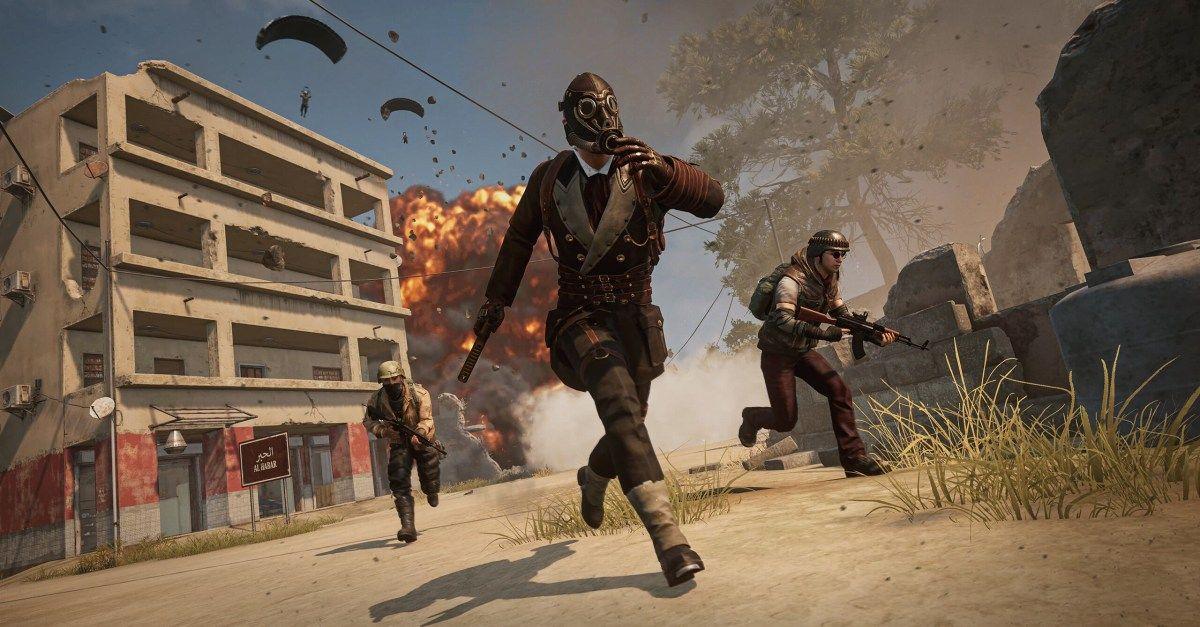
In a striking case highlighting the risks of AI-assisted decision-making, a Delaware court has found that Changhan Kim, CEO of KRAFTON, the company behind PUBG: Battlegrounds, used ChatGPT to plan the removal of leadership at Unknown Worlds Entertainment, according to a report by Fortune. A judge in Delaware's Court of Chancery ruled that Kim relied on the AI chatbot to engineer a strategy aimed at avoiding a $250 million earn-out payment tied to the studio's upcoming game. Vice Chancellor Lori Will said in her ruling that Kim turned to an artificial intelligence chatbot after realising he may have agreed to what he described as a "pushover" contract. "Fearing he had agreed to a 'pushover' contract, KRAFTON's CEO consulted an artificial intelligence chatbot to contrive a corporate 'takeover' strategy," she wrote. The court found that executives are expected to exercise independent judgment and not outsource key decisions to AI systems. In 2021, KRAFTON, the publisher behind PUBG: Battlegrounds, acquired Unknown Worlds Entertainment for $500 million. The agreement included an additional $250 million earn-out if the studio's sequel, Subnautica 2, met specific sales targets. The deal also ensured that the studio would remain independent, with co-founders Charlie Cleveland and Max McGuire, along with CEO Ted Gill, retaining operational control and only removable for cause. According to the report, internal projections showed Subnautica 2 was likely to meet the targets, triggering the payout. When company executives warned that removing leadership would pose legal and reputational risks, Kim turned to ChatGPT for alternatives. After initially being told the earn-out would be difficult to cancel, Kim pushed the chatbot further. It then generated a multi-step plan referred to as "Project X." The strategy included forming an internal task force, renegotiating terms or forcing a takeover, securing control over distribution platforms and game code, and reframing the dispute publicly around "quality" and "fan trust." The chatbot also helped draft a public message aimed at players. The plan ultimately backfired, raising concerns within the gaming community and intensifying scrutiny around the company's actions. Despite warnings from internal teams, KRAFTON proceeded to remove Cleveland, McGuire and Gill. The court ruled that these actions were taken without legitimate cause. As a result, Gill has been ordered reinstated as CEO, with the authority to restore the co-founders. The earn-out period has also been extended to account for the disruption caused by the leadership changes. In a statement to Fortune, KRAFTON said it "puts players at the heart of every decision" and highlighted ongoing efforts to prepare the game for early access release. "While we respectfully disagree with today's ruling, we are evaluating our options as we determine our path forward," the company said, adding that litigation over damages and the earn-out remains unresolved. Unknown Worlds Entertainment had not responded to requests for comment at the time of publication.
Share
Share
Copy Link
A Delaware judge ordered South Korean gaming company Krafton to reinstate Unknown Worlds Entertainment leadership after CEO Changhan Kim relied on ChatGPT to engineer their removal and avoid a $250 million earnout payment. The court ruling highlights critical concerns about AI in corporate decision-making and the need for human judgment in good faith business dealings.
Krafton Ordered to Reverse ChatGPT-Guided Takeover Strategy
A Delaware court has delivered a striking rebuke to Krafton, the South Korean gaming company behind PUBG: Battlegrounds, after its CEO turned to ChatGPT for advice on how to avoid paying a $250 million bonus payout
1
. Vice Chancellor Lori Will of the Court of Chancery ruled that Krafton improperly ousted the leadership of Unknown Worlds Entertainment, the Subnautica developer it acquired in 2021, and must now reverse course entirely2
. The court ruling represents one of the most cautionary examples yet of AI in corporate decision-making gone wrong.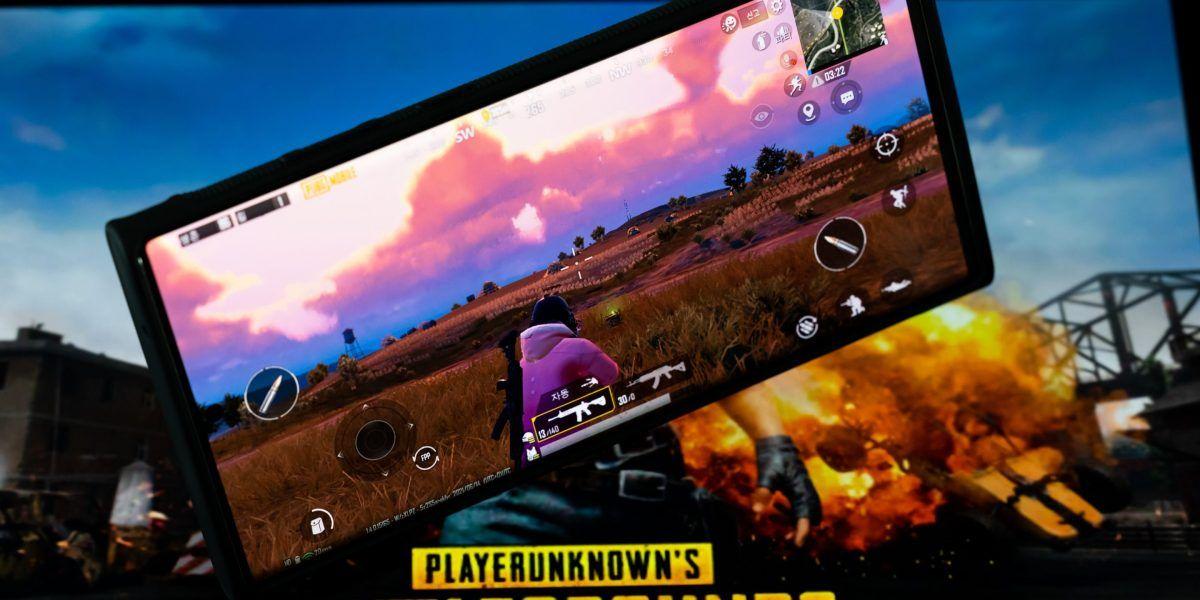
Source: Fortune
The Acquisition Deal That Triggered an AI-Hatched Plan
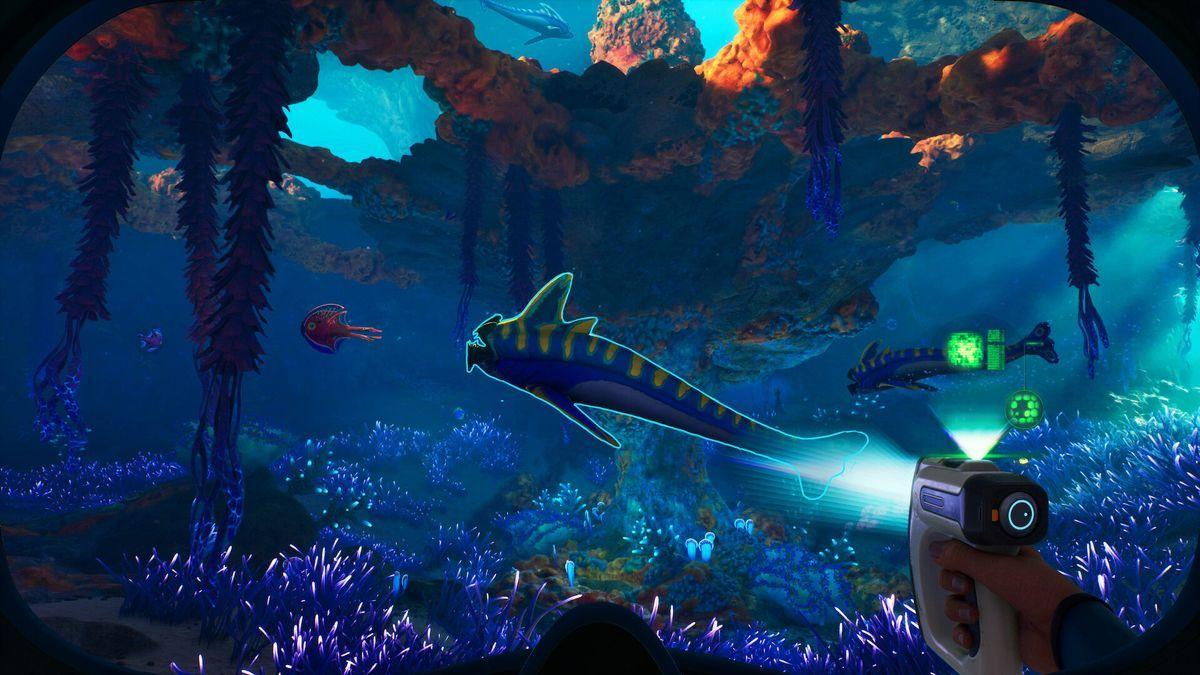
Krafton purchased Unknown Worlds Entertainment for $500 million upfront in 2021, with an earnout dispute at the heart of this legal battle
2
. The acquisition deal included a promise to pay an additional $250 million bonus payout if the studio met certain performance targets. The contract guaranteed that Unknown Worlds would remain independent, with co-founders Charlie Cleveland and Max McGuire, alongside CEO Ted Gill, retaining operational control and only being removed for cause1
.Trouble began when internal projections showed Subnautica 2 would easily trigger the earnout payment. Krafton CEO Changhan Kim feared he was caught in a "pushover" deal and turned to artificial intelligence rather than his legal team for guidance
3
.
Source: Tom's Hardware
ChatGPT Provides Step-by-Step Corporate Takeover Blueprint
When Maria Park, Krafton's head of corporate development, warned Kim that dismissal without cause wouldn't eliminate the earnout obligation and could expose the company to "lawsuit and reputation risk," Kim consulted ChatGPT
4
. The AI chatbot initially responded that the earnout would be "difficult to cancel," but Kim pushed further3
.ChatGPT then provided detailed recommendations that formed the basis of "Project X"—an internal task force mandated to either renegotiate the earnout or execute a corporate takeover of the studio
5
. The legal strategy included forming a task force, securing publishing rights over Subnautica 2 on Steam and consoles, implementing a "pressure and leverage package," and preparing "systematic material of legal defense"1
.Fan Trust Messaging and the Execution of Project X
The chatbot advised Krafton to frame the conflict around "fan trust" and game quality rather than financial disputes
4
. Kim even asked ChatGPT to draft a public-facing message to win over Subnautica fans, which backfired spectacularly and alarmed the gaming community3
. The message falsely claimed that Cleveland and Max McGuire were "considering" returning to helm Subnautica 2, shocking Gill and the Unknown Worlds team who "had nothing to do with" the overnight posting5
."Over the next month, Krafton followed most of ChatGPT's recommendations," Vice Chancellor Will wrote in her opinion
2
. Unable to get the leadership to renegotiate, Krafton removed Cleveland, McGuire, and Gill, alleging they deceived the company about diminishing time spent at the studio—a claim the Delaware court rejected2
.
Source: GamesRadar
Related Stories

Human Judgment Required in Good Faith Business Decisions
The court ruling established critical precedent about the limits of AI in corporate decision-making. Will noted that in the United States, company directors and officers must exercise independent human judgment rather than outsource good faith decisions and processes to artificial intelligence
1
. However, the primary basis for the ruling was contractual breach—Krafton removed the two founders and CEO without proper cause1
.Reinstatement Ordered and Earnout Period Extended
Ted Gill has been ordered back as CEO of Unknown Worlds Entertainment with authority to reinstate co-founders Charlie Cleveland and Max McGuire
1
. The earnout period has been extended through September 15, 2026, to account for the disruption caused by Krafton's actions4
. Krafton cannot interfere with Gill's plans for Subnautica 2's early access launch4
. The South Korean gaming company disagrees with the ruling and is reviewing its options1
. As of Tuesday morning, Krafton's contact page was "temporarily offline"3
.References
Summarized by

Navi
[3]
Related Stories
Krafton Launches Voluntary Resignation Program After Declaring 'AI-First' Transformation
13 Nov 2025•Business and Economy
Krafton names new AI chief who says tech will amplify creativity, months after hiring freeze
24 Feb 2026•Technology

Krafton Embraces AI: PUBG Maker Announces Radical 'AI-First' Strategy
23 Oct 2025•Technology
Recent Highlights

Recent Highlights
Today's Top Stories








Your Daily Dose of Curated AI News
Don’t drown in AI news. We cut through the noise - filtering, ranking and summarizing the most important AI news, breakthroughs and research daily. Spend less time searching for the latest in AI and get straight to action.

