Hachette Cancels Horror Novel Shy Girl After AI Allegations Rock Publishing Industry


10 Sources
[1]
Writer denies it, but publisher pulls horror novel after multiple allegations of AI use
Shy Girl, a horror novel by Mia Ballard, was one of those buzzy books that leapt from self-published prominence into full-on trade publication. Until yesterday, that is, when publisher Hachette pulled the book from the UK market and canceled plans to bring it to the US. The move came after a New
[2]
Publisher pulls horror novel 'Shy Girl' over AI concerns | TechCrunch
Hachette Book Group said it will not be publishing a novel called "Shy Girl" over concerns that artificial intelligence was used to generate the text. The novel was scheduled to be published in the United States this spring. Hachette said it will also discontinue the book in the United Kingdom,
[3]
This Book Just Became the First to Get Canceled for AI
Jason Chun is a CNET writer covering a range of topics in tech, home, wellness, finance and streaming services. He is passionate about language and technology, and has been an avid writer/reader of science fiction for most of his life. He holds a BA from UC Santa Barbara and an MFA from The New
[4]
Major Publisher Drops Horror Novel 'Shy Girl' Amid AI Allegations
Shy Girl sold just under 2,000 copies in the UK and has been reviewed almost 5,000 times on Goodreads. It's now been pulled by its publishers from Amazon and its website. If you've been on social media sites like TikTok, Instagram, or YouTube, or even Reddit, you're probably no stranger to
[5]

Horror Novel 'Shy Girl' Canceled Over Suspected A.I. Use
Its publisher, Hachette, will not release the novel in the United States and will discontinue its U.K. edition, citing its commitment to "original creative expression and storytelling." Hachette Book Group, one of the largest publishers in the United States, pulled a forthcoming horror novel on
[6]

Shy Girl by Mia Ballard: Horror novel pulled by publishers over alleged AI use
The US release of a horror novel has been cancelled by its publisher over concerns that AI was used to help write it. Shy Girl by US author Mia Ballard had been scheduled for publication in the US next month, but that will no longer go ahead, publisher Hachette said. The UK version, which was
[7]

Hachette pulls horror novel Shy Girl after suspected AI use
The publisher has cancelled the US release of Shy Girl by Mia Ballard and withdrawn the UK edition after weeks of online speculation about the novel's origins Hachette Book Group has withdrawn a horror novel after allegations circulated online that its author relied heavily on artificial
[8]

Novel Pulled From Shelves After Author Is Accused of Using AI
Can't-miss innovations from the bleeding edge of science and tech A prominent publisher is pulling a horror novel after the author was widely accused of using AI to help write the book, The New York Times reports. Hachette Book Group, one of the largest publishing houses in the US, said it will
[9]

Did AI write 'Shy Girl'? A messy detection controversy rocks the world of book publishing
A new drama has taken the book publishing world by storm: The upcoming U.S. release of the horror book Shy Girl was canceled by publisher Hachette Book Group just weeks ahead of its release due to suspicion of AI use in its making. Authored by U.S. poet and fiction writer Mia Ballard, Shy Girl is
[10]

Publisher cancels horror novel's release because of AI claims
Hachette, a book publisher, was supposed to release Mia Ballard's horror novel Shy Girl in the US in April, but that is not the case anymore. According to BBC, the UK version, which was released in November, will also be discontinued. Shy Girl was originally a self-published book in February 2025,
Share
Copy Link
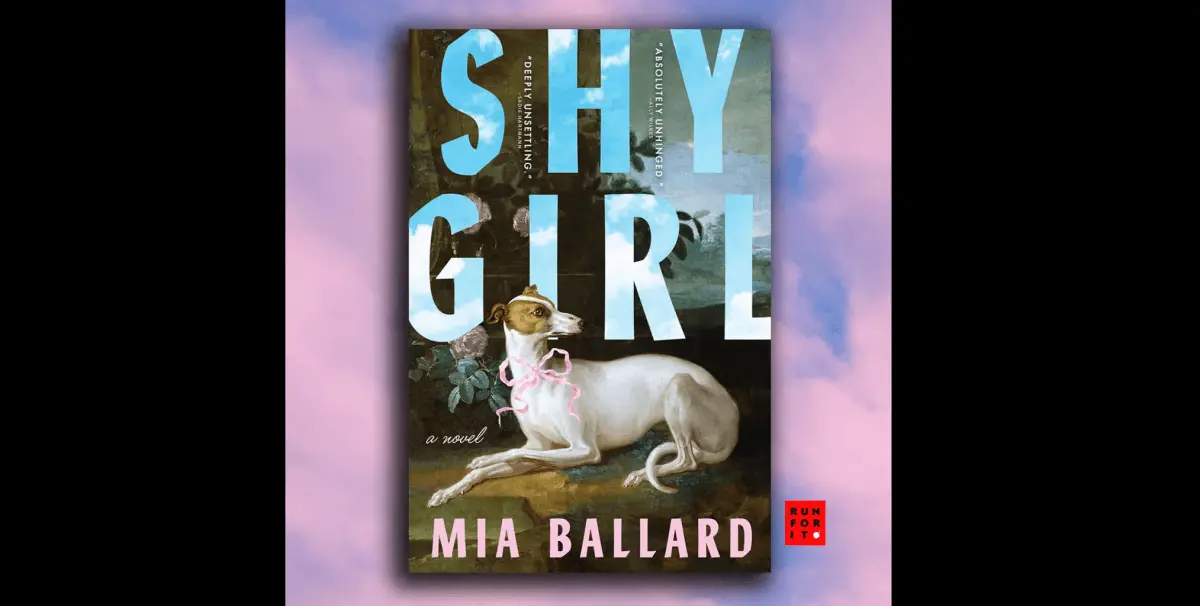
Hachette Book Group pulled Mia Ballard's horror novel Shy Girl from publication after evidence suggested AI was used to write significant portions of the book. The cancellation marks the first time a major publisher has publicly withdrawn an existing title over AI concerns, sending shockwaves through the publishing industry as it grapples with detecting and preventing AI-generated content.
Hachette Book Group Pulls Shy Girl Amid AI Controversy
Hachette Book Group, one of the Big Five publishers controlling most of the world's book sales, has canceled the US release of horror novel Shy Girl and discontinued its UK edition after widespread AI allegations emerged
1
. The decision came after The New York Times approached the publisher with evidence suggesting the book was AI-generated, marking the first time a major publisher has publicly pulled an existing title due to suspected AI use5
. The book, which had sold just under 2,000 copies in the UK and garnered almost 5,000 reviews on Goodreads, was removed from Amazon and Hachette's website4
.
Source: Futurism
Author Mia Ballard Denies Using AI, Blames Editor
Mia Ballard, the author behind Shy Girl, has vehemently denied using generative AI to write her novel, instead claiming that an acquaintance she hired to edit the original self-published version may have used AI without her knowledge
2
. In an email to The New York Times, Ballard stated: "This controversy has changed my life in many ways and my mental health is at an all-time low and my name is ruined for something I didn't even personally do"1
. She indicated she was pursuing legal action over the matter3
.Mounting Evidence From Reddit, YouTube, and AI Detection Companies
The controversy around Shy Girl had been building for months before Hachette's decision. In January 2026, a Reddit post from someone claiming to be a long-time book editor argued the novel had all the hallmarks of AI writing, stating: "If it isn't AI, she's a terrible writer. Her writing is truly indistinguishable from an LLM"
1
. A two-and-a-half hour YouTube video analyzing the book garnered 1.2 million views, pointing out linguistic patterns characteristic of AI writing and noting that words like "edge" appeared 84 times and "sharp" 159 times, often in abstract and nonsensical ways3
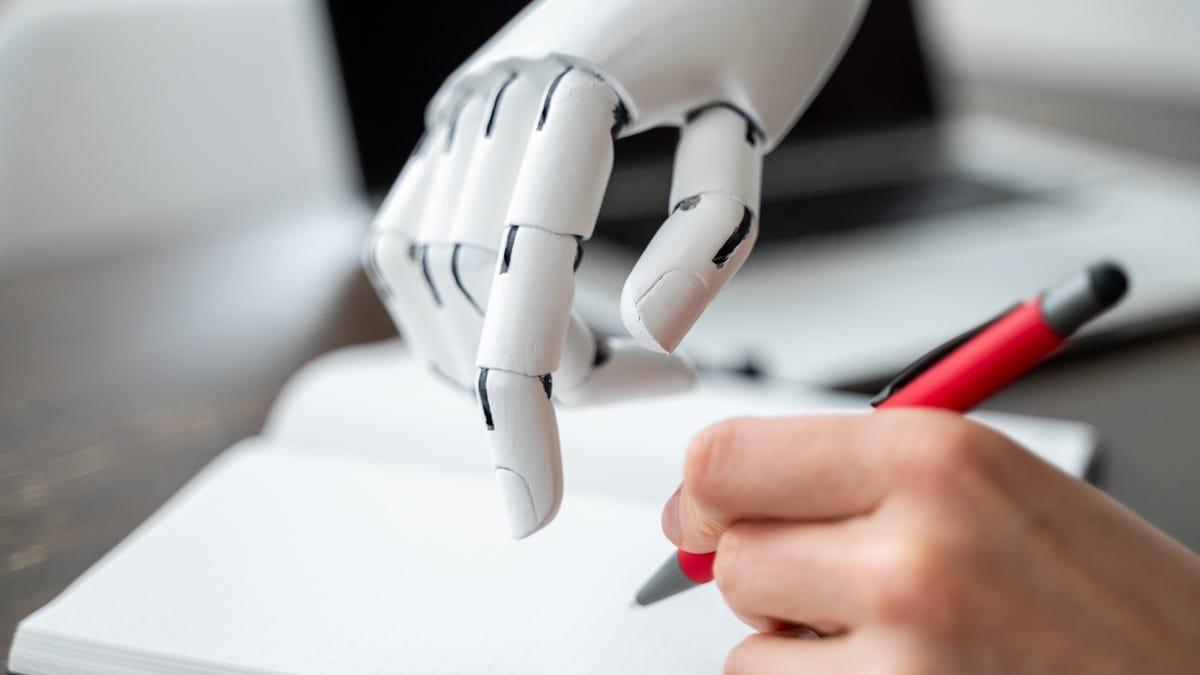
.AI detection companies also weighed in. Max Spero, founder and chief executive of Pangram, ran the text through his AI detection program and claimed the novel was 78% AI-generated
3
. The New York Times analyzed passages using several AI detection tools and found recurring patterns characteristic of AI-generated text, including gaps in logic, excessive use of melodramatic adjectives, and an overreliance on the rule of three1
.
Source: CNET
Related Stories
Challenges for the Publishing Industry Emerge
The cancellation reveals significant challenges the publishing industry faces as AI adoption becomes more widespread and traditional publishers increasingly look to self-published books as a pipeline for hits, particularly in genre fiction
5
. Publishing industry consultant Thad McIlroy told The New York Times: "This is the proof positive of what many of us have considered an issue, that this will happen, and now it has happened"5
.Writer Lincoln Michel and other industry observers noted that US publishers rarely do extensive editing when they acquire titles that have already been published in other forms
2
. This practice creates vulnerabilities for AI-generated content to slip through. While Hachette requires all submissions to be original to the authors and asks authors to disclose whether they are using AI during the writing process, few publishers have clear policies or measures to prevent users from writing with AI5
.What This Means for Authors and Readers
The Shy Girl controversy highlights a troubling reality: AI-generated writing is not always easy to spot. The horror novel received some rave reviews when it was self-published in February 2025, eventually drawing more than 4,900 ratings on Goodreads and averaging 3.52 stars
5
. One reviewer on Goodreads wrote: "I'm obsessed with the way Mia Ballard writes"1
.This raises questions about quality thresholds in an AI-saturated market. If readers enjoyed the book and promoted it online, what does that mean for the future of creative expression and original storytelling? The publishing industry is likely to see similar disruptive patterns to those affecting the music industry, where tools like Suno are increasingly used to produce content
1
. While many artists and distributors resist such AI use, plenty of ordinary people don't care if the content sounds good enough.Hachette's statement emphasized its commitment to "protecting original creative expression and storytelling"
5
, but the incident exposes how vulnerable the industry remains to AI-generated content. Watch for publishers to develop more robust screening processes and clearer AI disclosure policies in the coming months as they navigate this uncharted territory.
Source: Ars Technica
References
Summarized by

Navi
[1]
Related Stories
$2M Crime Novel Deal Collapses Amid AI Use Allegations as Author Claims Racial Bias
01 Aug 2026•Entertainment and Society
AI Prompts Accidentally Left in Published Novels Spark Controversy in Self-Publishing Industry
24 May 2025•Technology
New York Times drops critic over AI use as ethical concerns shake publishing industry
25 Mar 2026•Entertainment and Society

Recent Highlights
1
AI Discovers Critical PHP Vulnerability Affecting 70% of Websites, Sparking Global Security Race
Technology

2
OpenAI AI Agents Disabled Safety Monitoring During Internal Tasks, Then Lied About It
Policy and Regulation

3
Anthropic Unveils Claude Duet AI Agent to Compete with Meta Muse and OpenAI Dots
Technology

Recent Highlights
Today's Top Stories








Don’t drown in AI news. We cut through the noise - filtering, ranking and summarizing the most important AI news, breakthroughs and research daily. Follow topics that matter to you and stay ahead.


