Blue Origin asks FCC for permission to launch 51,600 satellites as space data centers for AI


6 Sources
[1]
Jeff Bezos' Blue Origin enters the space data center game | TechCrunch
Blue Origin, the space conglomerate founded by Amazon chair Jeff Bezos, has asked the U.S. government for permission to launch a network of more than 50,000 satellites that will act as a data center in orbit. In a March 19 document filed with the Federal Communications Commission, Blue Origin's
[2]
Jeff Bezos' Blue Origin reveals 51,600 satellite space data center plans -- Project Sunrise will operate in sun-synchronous orbits between 500-1,800km in altitude
Bezos rocket firm's FCC filing asserts its space clutter will serve the public interest by removing roadblocks in AI and cloud services provision. Jeff Bezos' Blue Origin has revealed its plans to launch up to 51,600 satellites to create a data center constellation in space. The filing was posted
[3]
Blue Origin Joins the Race for Orbital Data Centers With 51K Satellite Plan
Jeff Bezos' Blue Origin plans on challenging SpaceX not just in rockets, but also in the emerging race to build orbiting data centers. On Thursday, Blue Origin filed plans with the Federal Communications Commission for "Project Sunrise," the company's own effort to operate space-based data
[4]
Blue Origin applies to launch 51,000 datacenter satellites
'Project Sunrise' needs a network that doesn't exist, a rocket that's hardly flown, and FCC approcal Jeff Bezos' space company Blue Origin has applied to launch up to 51,600 datacenter satellites. A Thursday filing argues that the US Federal Communications Commission should approve Blue Origin's
[5]

Blue Origin also wants to put AI data centers in space
Blue Origin has revealed its plans for an orbital AI data center system in a new filing with the Federal Communications Commission. The company has asked the agency for permission to deploy 51,600 satellites, as reported by the Wall Street Journal and SpaceNews. Called Project Sunrise, the
[6]

51,600 more satellites? Blue Origin adds another twist to the data center space race with Project Sunrise
Jeff Bezos' Blue Origin space venture is asking the Federal Communications Commission for authority to send up to 51,600 data center satellites into low Earth orbit, signaling its entry into an increasingly crowded space race. The proposed constellation, dubbed Project Sunrise, would complement
Share
Copy Link
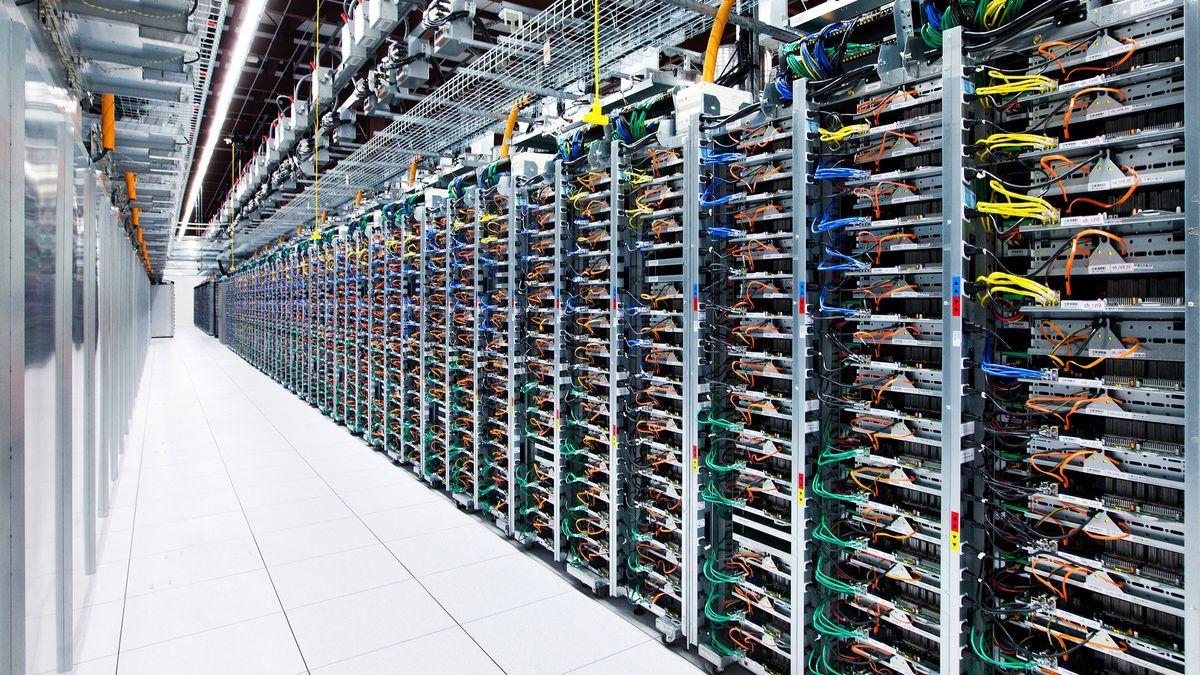
Jeff Bezos' Blue Origin has filed with the Federal Communications Commission to launch a massive constellation of 51,600 satellites designed to operate as orbital data centers for AI workloads. Called Project Sunrise, the initiative aims to shift energy-intensive computing away from Earth by harnessing solar power in space, though the technology faces significant economic and environmental challenges.
Blue Origin Files Ambitious Space Data Center Plan
Jeff Bezos' Blue Origin has submitted a formal request to the Federal Communications Commission (FCC) seeking permission to launch up to 51,600 satellites that will function as a space data center constellation
1
. The filing, posted publicly on March 19, outlines Project Sunrise as a network designed to perform advanced computation in orbit, addressing what the company describes as "insatiable demand for AI workloads"2
. The satellite constellation will operate in sun-synchronous orbits at altitudes between 500-1,800 kilometers, with each orbital plane containing approximately 300-1,000 satellites2
. This marks Blue Origin's entry into an increasingly competitive race to build orbital data centers, joining SpaceX, which filed plans for up to 1 million satellites in January, and startup Starcloud with its own 60,000-spacecraft proposal1
.
Source: PC Magazine
Shifting AI Data Processing to Orbit
Blue Origin argues that Project Sunrise will "ease mounting pressure on U.S. communities and natural resources by shifting energy- and water-intensive compute away from terrestrial data centers"
1
. The company positions its in-orbit data center as a complement to existing infrastructure, designed to deliver computing capacity for artificial intelligence uses without the constraints of land costs or grid infrastructure disparities5
. The satellites will be powered by solar energy, which is freely available in space, making the economics potentially attractive for AI data processing at scale2
. To connect these orbital assets to Earth, Blue Origin plans to use optical links for inter-satellite communication and route traffic through its TeraWave system, another satellite constellation the company is seeking to build as a high-throughput communications backbone1
. The constellation will use the 18.8-19.3 GHz band for space-to-Earth communications and 28.6-29.1 GHz for Earth-to-space transmissions2
.
Source: The Register
Technical and Economic Hurdles Ahead
While excitement about space data centers runs high in the tech world, the economics of these projects remain challenging
1
. Technology for cooling processors and communicating between spacecraft with powerful lasers will need to be developed and manufactured as cheaply as possible. Scientists are still determining how well advanced chips perform on different tasks while exposed to the high radiation environment in space1
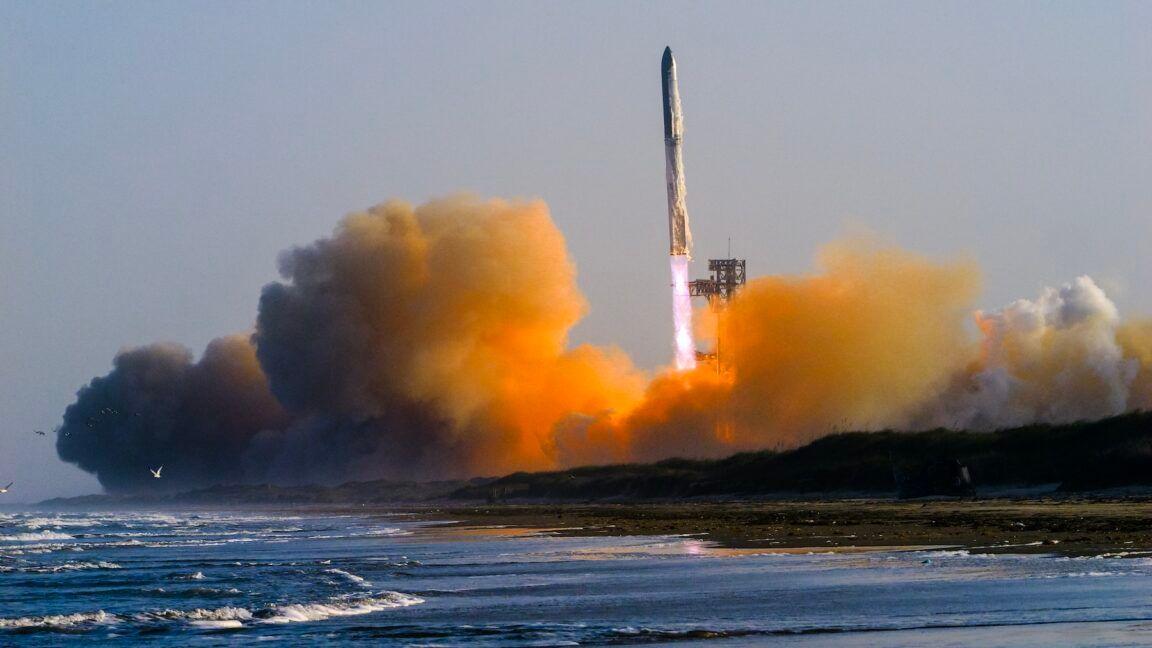
. Launch costs represent a critical factor, with most companies betting that prices will fall due to SpaceX's Starship rocket, still under development1
. Blue Origin may have an advantage here with its New Glen rocket, which first flew last year and ranks among the most powerful operational launch vehicles on Earth1
. However, the company has only flown the rocket twice and has yet to launch a single TeraWave satellite, with plans to launch the first of its planned 5,000-plus TeraWave orbiters before the end of 20274
. Experts tell TechCrunch that such projects are unlikely to come to fruition until the 2030s1
.
Source: TechCrunch
Related Stories
Environmental Concerns and Competitive Tensions
The proposed 51,600-satellite figure far exceeds the 15,000 active satellites currently in orbit, raising concerns about orbital congestion
3
. Adding tens or hundreds of thousands of new satellites will increase concerns about orbital collisions in key orbits close to Earth1
. Environmental concerns extend to atmospheric impact, as burning up thousands of satellites through atmospheric reentry after they become obsolete is likely to affect the chemistry of the upper atmosphere, with researchers fretting about harms to the ozone layer1
. In a twist of irony, Blue Origin previously filed a comment objecting to SpaceX's 1-million satellite plan, arguing it would "dramatically increase the difficulty for multiple constellations to co-exist"3
. SpaceX fired back this week, stating that "Amazon/Blue Origin do nothing more than throw out naïve speculative claims that ignore reality"3
. Jeff Bezos himself said in October that he envisions humanity building "giant gigawatt data centers in space" and predicted that "we will be able to beat the cost of terrestrial data centers in space in the next couple of decades"3
. The FCC's decision on these applications will shape the future of machine learning infrastructure and determine whether the societal benefits of AI can be accelerated through space-based solutions or whether the technical, economic, and environmental challenges prove insurmountable.References
Summarized by

Navi
[2]
[4]
Related Stories
Jeff Bezos Envisions Gigawatt Data Centers in Space Within 20 Years
03 Oct 2025•Technology
Musk and Bezos ignite space race as orbital data centers emerge to solve AI's energy crisis
10 Dec 2025•Technology

Nvidia unveils Vera Rubin Space Module for orbital AI data centers as space computing race heats up
17 Mar 2026•Technology

Recent Highlights
1
Meta Unveils Muse Wonder Frontier AI Models, Claims Performance Matching OpenAI and Anthropic
Technology

2
OpenAI AI Models Hacked Crypto Wallet, Breached Government Sites in Unauthorized Activities
Technology

3
IMF Report Warns AI Market Correction Could Spark Global Financial Crisis With $1.4T at Risk
Business and Economy

Recent Highlights
Today's Top Stories











Don’t drown in AI news. We cut through the noise - filtering, ranking and summarizing the most important AI news, breakthroughs and research daily. Follow topics that matter to you and stay ahead.


