Master Chief Actor Steve Downes Draws the Line on AI Voice Cloning: 'I Don't Like It'


3 Sources
3 Sources
[1]
'Halo' Actor Steve Downes Doesn't Want You to AI Clone HIs Voice
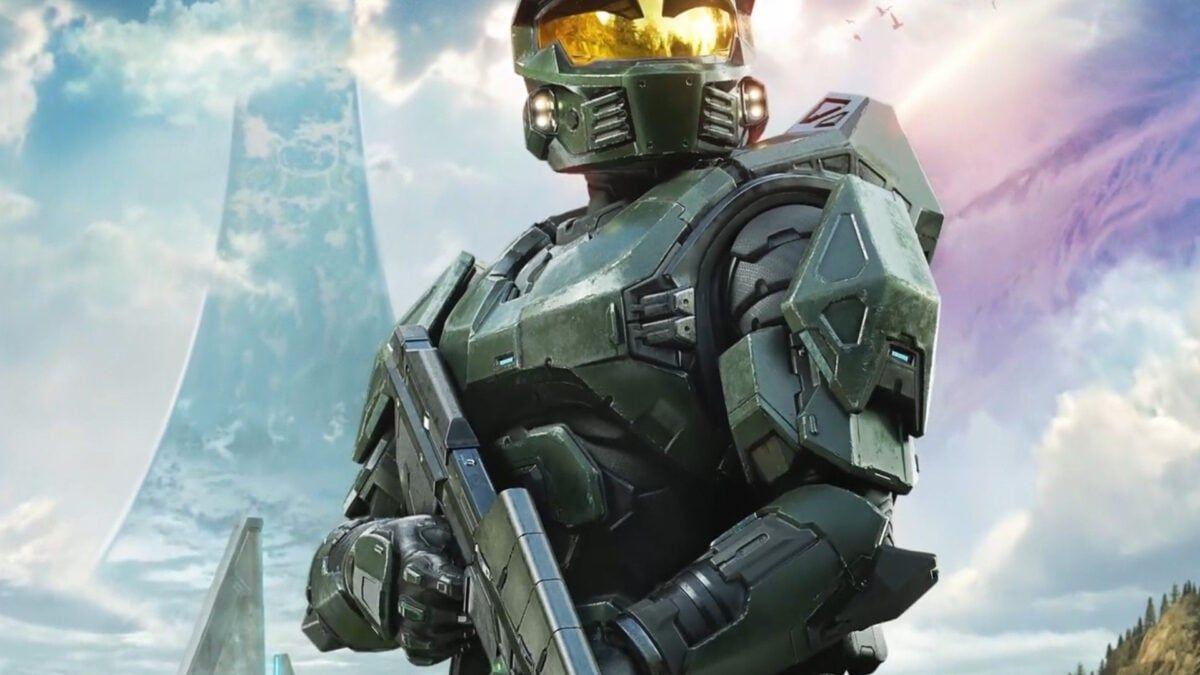
Steve Downes, the longtime voice actor of Halo protagonist Master Chief, has called on fans not to use generative AI to replicate his voice. In a YouTube AMA, Downes admitted that he's seen videos online where his voice has been recreated using the controversial technology. While he generally considers voice cloning to be "harmless," he acknowledged that it could easily backslide and "deprive an actor of [their] work." As such, he would prefer "it not be done [to me]. There's a lot of fan projects that are really cool and done just from the heart. But when you get to the AI part and deceiving somebody that these are lines I actually spoke...that's where we cross a line that gets into an area I'm uncomfortable with." Recent years have seen voice actors express concern about the use of generative AI in VO. Last year, a leaked Sony test demo featured a test bot that had the voice of Aloy, the lead of the Horizon games, that was made with genAI. Aloy's actor Ashly Burch then released a video saying she'd been informed that the Aloy bot was purely for demonstrative purposes and wasn't made using her face or voice data. Even so, she said she was "worried" about the art form of game performances and how this technology could affect voice actors below her. Halo is owned by Xbox, whose parent company Microsoft has been gradually going all-in on generative AI in its production pipeline and products. It's partnered with generative AI companies to create tools meant to assist with facets of game development, which has garnered criticism among developers and players. It's been murky whether the upcoming Halo: Campaign Evolved was made with genAI: last year, an insider alleged it was, but Halo Studios has been somewhat evasive, instead saying there was no requirement to use technology some of its staff consider "a tool in a toolbox." [via IGN] Want more io9 news? Check out when to expect the latest Marvel, Star Wars, and Star Trek releases, what's next for the DC Universe on film and TV, and everything you need to know about the future of Doctor Who.
[2]
Halo Master Chief actor tells AI to keep its filthy paws off of his voice: "That's where we cross a line"
Steve Downes, the iconic voice behind Master Chief from the Halo franchise, has joined the chorus of high-profile voice actors speaking out against the use of AI in voice performances. However, his concern is very specifically related to the alarming prospect of developers using real voice recordings to make AI clones of those voices. In a YouTube AMA going live today, Downes made it very clear that he does not approve of anyone using AI to replicate his voice. "That's where we cross a line that gets into an area that I am uncomfortable with," Downes said in a clip taken from the AMA and shared to his official YouTube channel. "I'm not a proponent. I don't like it, and I would prefer that it not be done," Downes added. While he's clearly passionate about the issue of AI in voice acting, Downes struck a measured tone and clarified that he believes AI has "many, many positive effects on not only showbusiness but humanity in general" - but that it "can also be something that deprives the actor of his work. "I'll go on the record with that," Downes said. Yeah, all in all, not exactly a full-throated rebuke of generative AI in game development. Certainly not an endorsement either, but Downes limited his critiques of AI to its voice cloning abilities, whereas you've got actors like Neil Newbon, who played Astarion in Baldur's Gate 3, straight-up saying "fuck AI" and "there's no fucking way" AI could make anything like Baldur's Gate 3. Hating AI is a spectrum, I suppose is what I'm saying. Downes, rather excitingly, is returning to voice Master Chief for Halo: Campaign Evolved, Halo Studios' ground-up remake of the 2001 FPS classic, Combat Evolved. Notably, one of the project's lead developers said last October that AI is "a tool in a toolbox" comparable to Photoshop, but assured "the people are the ones who are creating the game."
[3]
'I Don't Like It. I Would Prefer That It Not Be Done' -- Master Chief Actor Steve Downes Says Deceptive AI Reproductions of His Voice 'Cross a Line'
Steve Downes, the actor behind Master chief's iconic voice, has said deceptive AI reproductions of his voice "cross a line that gets into an area I am uncomfortable with" -- and he wants it to stop. Speaking in an AMA on his YouTube channel, Downes acknowledged the inevitability of AI, and even described some fan-made projects as "really cool," but hit out at unauthorized use of his voice. "One of the things that can be overwhelming when it comes to attention from fans is when AI gets involved," he said. "A lot of it is harmless I suppose, but some of it cannot be harmless. I've been very vocal about my feelings about the use of artificial intelligence, which on the one hand is inevitable and has many positive effects on not only show business but humanity in general, but it can also be a detriment. It can also be something that deprives the actor of his work. "I've heard some things online in terms of AI and the reproduction of my voice that sounds like my voice that... like I said, most of the stuff I've seen is pretty harmless, but it can be not that way real quick. So, I'm not a proponent. I don't like it. I would prefer that it not be done. "There's a lot of fan-made projects out there that are really cool, that are done just from the heart. But when you get to the AI part and deceiving somebody into thinking, in my case, that these are lines that I actually spoke when they're not, that's when we cross a line that gets into an area that I am uncomfortable with. I'll go on the record with that." In the absence of significant law reform, AI deepfakes have exploded alongside the emergence of generative AI and its increasing accuracy and availability. And Downes is certainly not alone in complaining about how deceptive it can be for video game voice actors. In 2023, voice actors spoke out on AI-generated NSFW Skyrim mods, which they said "should be seen as the violation it is." Assassin's Creed Syndicate voice actress Victoria Atkin called AI-generated mods the "invisible enemy we're fighting right now" after discovering her voice was used by cloning software. Paul Eiding, the voice actor behind Colonel Campbell in the Metal Gear Solid series, also condemned its use. It's a significant problem in the world of TV and film, too. Last year, The Matrix and John Wick star Keanu Reeves hit out at AI deepfakes selling products without his permission, insisting "it's not a lot of fun." In July, it was reported that Reeves pays a company a few thousand dollars a month to get the likes of TikTok and Meta to take down imitators. There have been a number of high-profile cases in which celebrities have complained publicly about fake adverts. In 2023, Tom Hanks warned fans that an AI version of his likeness was being used without his consent in an online advert for a dental plan. In 2024, Morgan Freeman thanked fans who alerted him to AI-generated imitations of his voice online after a series of videos created by someone posing as his niece went viral. And last year, Jamie Lee Curtis was forced to appeal to Meta CEO Mark Zuckerberg in an Instagram post because she couldn't get the company to pull an AI-generated ad that featured her likeness for "some bullshit that I didn't authorize, agree to or endorse." Photo by Daniel Boczarski/Getty Images. Wesley is Director, News at IGN. Find him on Twitter at @wyp100. You can reach Wesley at [email protected] or confidentially at [email protected].
Share
Share
Copy Link
Steve Downes, the iconic voice behind Halo's Master Chief, has publicly condemned the use of AI voice cloning technology to replicate his performance. In a YouTube AMA, Downes said deceptive AI reproductions cross a line into uncomfortable territory, joining a growing chorus of voice actors raising ethical concerns about generative AI in the entertainment industry.
Master Chief Actor Speaks Out Against AI Voice Cloning
Steve Downes, the longtime voice behind Halo protagonist Master Chief, has joined the growing movement of voice actors opposing unauthorized AI reproductions of their performances. During a YouTube AMA, Downes made his position clear: "I'm not a proponent. I don't like it, and I would prefer that it not be done."
1
The Master Chief actor acknowledged he's encountered videos online where his voice has been recreated using generative AI, a technology that has rapidly proliferated across the entertainment industry.
Source: IGN
While Downes struck a measured tone, recognizing that AI has "many, many positive effects on not only showbusiness but humanity in general," he emphasized the technology's darker potential. The actor specifically warned that AI voice cloning could "deprive an actor of his work," highlighting economic concerns that extend beyond simple intellectual property violations.
3
Deceptive AI Reproductions Cross Ethical Boundaries
Downes drew a clear distinction between fan-made projects created "from the heart" and deceptive AI reproductions that mislead audiences. "When you get to the AI part and deceiving somebody into thinking, in my case, that these are lines that I actually spoke when they're not, that's when we cross a line that gets into an area that I am uncomfortable with," he explained.
3
This lack of consent and transparency represents a fundamental ethical concern for performers whose digital likeness can be replicated without authorization.The timing of Downes's statement carries particular significance given Microsoft's aggressive integration of AI in game development. Halo is owned by Xbox, whose parent company Microsoft has partnered with generative AI companies to create tools for various facets of game production.
1
Questions have swirled around whether the upcoming Halo: Campaign Evolved was made with generative AI, though Halo Studios has described it merely as "a tool in a toolbox" rather than a requirement.1
Source: Gizmodo
Voice Actors Unite Against AI in Game Development
Downes is far from alone in raising ethical concerns of AI within the gaming industry. Ashly Burch, who voices Aloy in the Horizon games, expressed worry about game performances after a leaked Sony test demo featured a bot with Aloy's voice created using generative AI.
1
Though Sony claimed the bot was purely demonstrative and wasn't made using Burch's voice data, the incident highlighted how AI threatens performers at all career levels.Paul Eiding, the voice behind Colonel Campbell in Metal Gear Solid, has similarly condemned unauthorized use of voice cloning technology.
3
The issue extends beyond gaming into broader entertainment, with deepfakes affecting major celebrities. Keanu Reeves reportedly pays a company thousands of dollars monthly to remove AI-generated imitations from platforms like TikTok and Meta.3
Tom Hanks warned fans about an AI version of his likeness being used without consent in dental plan advertisements.3
Related Stories

The Future of AI Voice Cloning and Industry Regulation
In the absence of significant law reform, AI deepfakes have exploded alongside the emergence of increasingly accurate and accessible creative tools.
3
The entertainment industry faces a critical juncture as it balances technological innovation with protecting performers' rights and consent. While Downes's critique focused specifically on voice cloning rather than AI broadly, his statement reflects growing tension between studios eager to leverage AI as a cost-cutting measure and performers defending their livelihoods. As Microsoft and other major players continue integrating AI into their production pipelines, the question remains whether industry standards or legal frameworks will emerge to protect voice actors from having their work replicated without authorization or compensation.References
Summarized by

Navi
[2]
Related Stories
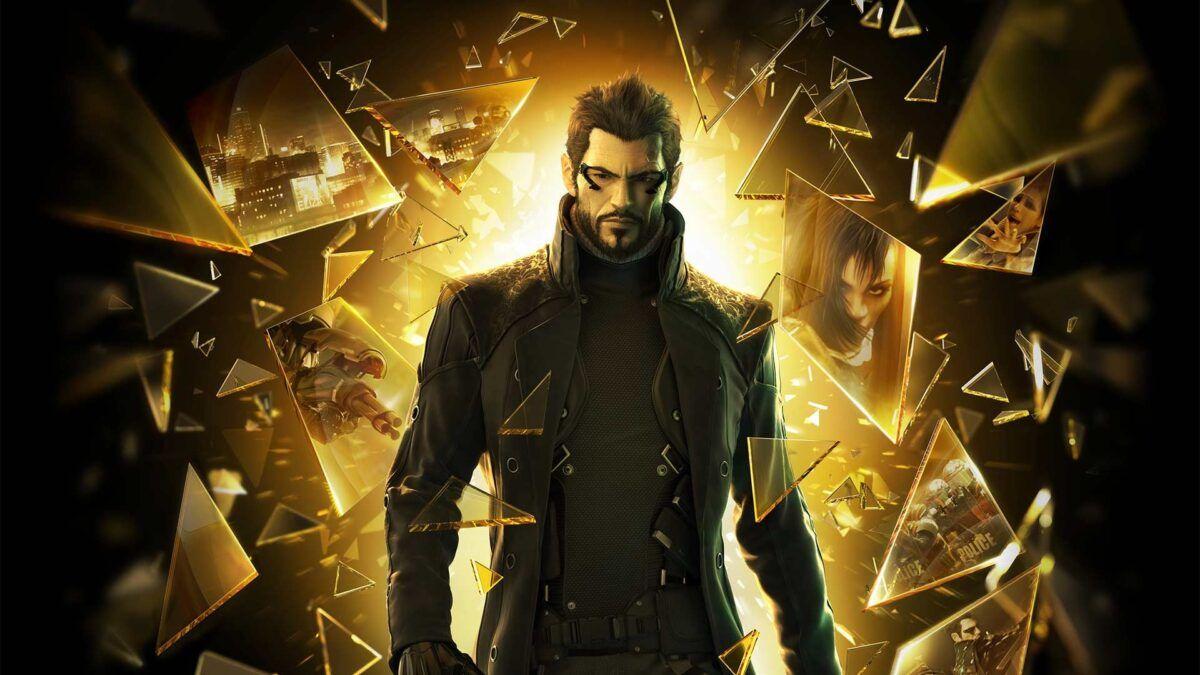
Deus Ex Voice Actor Condemns AI-Generated Voice Mod for Cyberpunk 2077
05 Aug 2025•Technology
Baldur's Gate 3 Actor Neil Newbon Criticizes AI in Gaming: "It's Shit"
29 Jul 2025•Entertainment and Society

Harrison Ford Praises Human Talent, Dismisses AI Concerns in Video Game Voice Acting
06 Feb 2025•Entertainment and Society

Recent Highlights
1
Apple Plans Major Siri AI Overhaul in iOS 27 With Third-Party Chatbot Integration
Technology

2
OpenAI shuts down Sora after six months, ending Disney's $1 billion licensing partnership
Technology

3
AI chatbots validate you too much, making you less kind to others, Stanford study reveals
Science and Research
Recent Highlights
Today's Top Stories



Your Daily Dose of Curated AI News
Don’t drown in AI news. We cut through the noise - filtering, ranking and summarizing the most important AI news, breakthroughs and research daily. Spend less time searching for the latest in AI and get straight to action.

