AI Demand Triggers Component Shortage as Dell and Lenovo Plan 15% Price Increases for Servers


11 Sources
11 Sources
[1]
Why is AI making computers and games consoles more expensive?
The AI industry consumes vast amounts of energy, fresh water and investor cash. Now it also needs memory chips - the same ones used in laptops, smartphones and games consoles The latest commodity coveted by the AI industry is computer memory, and the industry is signing deals directly with manufacturers for billions of dollars worth of chips - the very same chips that consumers use in smartphones, laptops and games consoles. At best, this is driving up prices, and at worst, it is causing shortages that limit production. AI models are very, very big. You can think of them as huge grids of billions or even trillions of parameters - numbers stored in memory - on which extremely repetitive but, taken in bulk, demanding calculations are performed. This is how a large language model takes an input and generates an output. Shuffling that amount of data back and forth to processors from cheap but slow hard discs - what we commonly call computer storage - creates preposterous bottlenecks. To avoid this, huge amounts of much faster RAM - what we normally call computer memory - are used instead. And there is one more factor: the models that AI companies create operate at enormous scale. This means they require computers capable of running hundreds, thousands or millions of copies of these models so that large numbers of customers can use them at the same time. Take a hugely computationally intensive task, scale it up to huge amounts of users, remove limits on expansion by adding virtually infinite investment cash into the mix, and you have an insatiable demand for hardware. A company making a few million laptops a year is simply no match. That's easier said than done. Semiconductor factories have limited capacity, and building new factories takes massive investment and often several years. There are also signs that manufacturers don't want to end the drought. Korean media reports that Samsung Electronics and SK Hynix, which together make around 70 per cent of these chips, are reluctant to boost supply too much in case there's an AI industry slump and they are left with idle and expensive new chip plants and a shortfall of orders. And with current demand soaring, and Samsung in the comfortable position of being able to raise prices by as much as 60 per cent, why would the company rock that boat? Figures show that a 32-gigabyte chip that Samsung was selling for $149 in September was on sale for $239 in November. Over and over again. For years, the AI boom has seen companies vacuuming up all the graphics processing unit (GPU) computer chips they can to build vast data centres capable of training and running ever-larger models. That unrelenting demand is why chip-maker Nvidia's share price soared from $13 at the start of 2021 to over $200 in recent months. In 2021, we had a shortage of all kinds of computer chips thanks to a perfect storm of factors, including the global pandemic, a trade war, fires, drought and snowstorms. That affected the manufacturing of everything from pickup trucks to microwaves. We even saw shortages of hard discs that same year when a new cryptocurrency called Chia, which ran on storage space rather than computer power, spiked in popularity. In short, technology moves fast. Sometimes much faster than global supply chains. Not soon. OpenAI has signed deals with Samsung and SK Hynix that will see it take delivery of an estimated 40 per cent of global memory supply. And that's just one AI company, albeit one of the giants. Microsoft, Google and ByteDance, among others, are also buying all the chips they can. One way the shortage could end - and perhaps rapidly create a glut - is if the AI bust that economists, bankers and even the boss of OpenAI are warning about does happen. But that would be likely to bring devastating economic fallout, so perhaps isn't a panacea. If that bust doesn't arrive, then estimates suggest it might be 2028 before things calm down and demand and supply reach equilibrium once again, with some smaller firms bringing new factories online. Some suggest that this wait could be a problematic drain on the wider manufacturing industry. Sanchit Vir Gogia, an industry analyst at Greyhound Research, told Reuters that "the memory shortage has now graduated from a component-level concern to a macroeconomic risk".
[2]
RAM is ruining everything
Memory suppliers just blew a hole in the PC gaming industry - and they're about to do the same to everything else. For weeks, PC enthusiasts have borne the brunt of skyrocketing memory prices, but the shockwaves will soon impact a wider range of products as suppliers pour resources into a far bigger and more lucrative endeavor: AI. The biggest names in the AI industry are buying up DRAM memory for their sprawling data centers, and memory makers are prioritizing their demands over everyone else's. DRAM is embedded "in every part of our digital society today," Jeff Janukowicz, research VP at IDC, tells The Verge. That's everything from laptops to smartphones, gaming consoles, smart TVs, cars, and even small amounts in solid-state drives (SSDs). "There's a lot at stake," he says. The smartphone upgrade you've been eyeing might cost even more next year: the 12GB of memory in a flagship Samsung Galaxy smartphone now reportedly costs the company nearly $40 more. IDC is already predicting fewer smartphone sales in 2026 due to the RAM shortage, and a $9 increase in average phone prices. Some brands, like China's Xiaomi, are already warning customers of future price hikes. Laptop manufacturers may cut corners, and price increases might be coming to gaming consoles. Today, just three companies -- Samsung, SK Hynix, and Micron -- control 93 percent of the entire global DRAM market. Specifically, data from Counterpoint Research shows SK Hynix holding a 38 percent market share in the second quarter of 2025, followed by Samsung at 32 percent and Micron at 23 percent. No other company has more than a 5 percent share. And the three big RAM companies seem to be in no great hurry to reverse sky-high prices; all three boasted about record revenue in their most recent earnings reports, while their net profits exploded. They don't seem troubled that data centers are eating up RAM that'd normally appear in consumer products, either. For Samsung, memory is bigger than most consumer products anyhow. Samsung's memory business raked in a record 26.7 trillion Korean won (~$18.12 billion) in its most recent earnings report, making up more than a quarter of its total revenue. That's nearly double what its entire appliance and TV business made during that time. So far, Micron, which raked in a record-breaking $11.32 billion in the fourth quarter of 2025, made the most dramatic change in response to DRAM demand. It announced that it's winding down its longstanding consumer-facing brand, Crucial, so it can focus on supplying AI companies with the memory they need to power their servers. "If you are not a server customer, you will be considered a second priority for memory vendors," Gartner analyst Shrish Pant tells The Verge. Meanwhile, Samsung and SK Hynix, the other two big DRAM companies, may have already committed 40 percent of the world's entire memory output to a single AI project, according to Tom's Hardware, when it struck a deal with OpenAI to supply up to 900,000 DRAM wafers per month as part of the AI giant's Stargate infrastructure initiative. With the AI memory boom in full swing, the big DRAM makers seem to be riding the wave to profit, too. SK Hynix's net profits more than doubled from 5.75 trillion Korean won ($3.92 billion) in Q3 2024 to 12.6 trillion Korean won (~$8.6 billion) in Q3 2025. Micron saw a 10x increase in its annual net income, going from $778 million in fiscal 2024 to $8.6 billion for fiscal year 2025. To make DRAM -- whether for AI companies or for consumer products -- memory suppliers need silicon wafers: thin, disc-shaped materials used as the base of semiconductors, including memory chips. Part of today's problem is that AI data centers require far more of these wafers than consumer products. Data centers gobble up DRAM to power the servers behind the world's most advanced AI models, and they also use another kind called high-bandwidth memory (HBM), which comes packaged with high-end GPUs like Nvidia's Blackwell Ultra chip. Demand for these HBM-equipped AI chips isn't slowing down. Nvidia reported selling more AI chips than ever during its most recent earnings report, with some even selling out completely. With memory suppliers earmarking production lines and silicon wafers for HBM and AI, it's leaving "less wafer output for standard PC and consumer DRAM," according to David Naranjo, the associate director at Counterpoint. HBM also uses up far more resources, as a report from NAND Research states that "wafer capacity consumed by HBM exceeds that of standard DRAM by a factor of three." Though PC builders may be the first to experience these price hikes as the memory stick values skyrocket, the increase "could affect a broad range of industries," Naranjo says. Lenovo is stockpiling memory as part of an attempt to "strike a balance between price and availability" for customers next year, according to Bloomberg, and Dell and HP are planning to make adjustments, too. During an earnings call last month, Dell CEO Jeff Clarke said the company is "going to do everything we can to minimize the impact, but the fact is, the cost basis is going up across all products." Meanwhile, HP's Enrique Lores said it will try to mitigate the shortage by raising prices or cutting the amount of memory it puts inside its devices. Companies may cut other corners, too. "You may use a cheaper battery, maybe a smaller capacity battery," Janukowicz suggests. "Display might be another area where you might look to do some cost reductions." Even with those potential solutions, companies might "pass along some of those price increases to consumers" anyway, says Janukowicz. That's especially true for more affordable devices like Chromebooks and the Google Pixel 9A, since there's less room to swap out parts that have already been cost-optimized -- and that could make it harder to find budget-friendly options, period. For some companies, price increases are already becoming a reality. Custom PC builders CyberPowerPC and Maingear have said they will have to raise prices due to the surging cost of RAM, and so will modular laptop company Framework. Even Raspberry Pi, which makes single-board computers, has been forced to increase the price of its newer devices, while gaming handheld maker OneXPlayer announced plans to raise the price of its latest device before halting sales completely. Concerns are growing around the price of the highly anticipated Steam Machine, too, as Valve's Pierre-Loup Griffais has said it will be "in line with the current PC market." Leaker Moore's Law is Dead suggests Microsoft will price hike the Xbox Series X yet again due to the shortage; it already costs $150 more than it did at launch five years ago. PC builders looking to upgrade are seeing memory prices double, triple, even quadruple. For example, G. Skill's Trident Z5 Neo RGB DDR5-6000 RAM (2x16GB) went from $124.99 in September to $389.99, according to data from PCPartPicker. The similarly specced Corsair Vengeance DDR5 RAM (2x16GB) cost $134.99 in September before spiking to $427.99 in December. SSDs, which primarily use NAND flash memory rather than DRAM, are facing similar challenges as AI companies buy up storage for their data centers as well. SK Hynix, Samsung, and Micron also make these devices, and just like with DRAM, they're shifting focus to AI customers. "It's really a combined problem," says Janukowicz. Even with rising demand for DRAM, the big three are hesitant to ramp up production. They may be taking a more careful stance after oversupply took a chunk out of their revenue in 2023 -- but they're also holding back because it's profitable. A Samsung representative told investors that the company plans to "pursue a strategy of maintaining long-term profitability" instead of addressing the shortage by "rapidly expanding facilities," as reported by PCGamer. SK Hynix just celebrated "its highest-ever quarterly performance, driven by the full-scale rise in prices of DRAM and NAND," and pointed out that operating profit in particular "exceeded 10 trillion won for the first time in the company's history." Korean outlet Seoul Economic Daily says SK Hynix does plan to spend $500 billion to build new production plants, with its first expected in 2027. Micron is also planning to build a plant in New York, though we now know that it won't focus on making consumer-focused products. When asked whether SK Hynix plans to discontinue the production of consumer products, spokesperson Paul Jang tells The Verge that the company "is not considering to discontinue the related business." Samsung didn't respond to a request for comment. With memory makers holding off on greater expansion, Janukowicz says prices could stay the same or continue to increase throughout 2026, while SK Hynix told investors last week that it expects the shortage to continue through late 2027. Either way, it's bad timing for PC gaming enthusiasts, who just got over the hump of GPU price hikes -- and it's bad news for everyone else, too, as RAM becomes yet another reason for companies to raise prices.
[3]
Dell and Lenovo set to increase server and PC costs by as much as 15% as soon as this month, according to industry sources -- DRAM and AI demand create tight market for businesses and consumers
The component crisis ushered in by the AI boom seems to be poisoning supply chains even faster than first imagined. Things were expected to worsen in 2026, but we're already starting to see a teaser for the future with new industry reports coming from TrendForce, citing major price increases planned across the sector by every single player -- including Dell and Lenovo. Lenovo has reportedly started warning clients of a price hike coming in early 2026 as the DRAM shortage keeps accelerating at an unprecedented rate. All current quotes for servers and PCs are set to expire as soon as 1st January 2026, after which new, severely marked-up prices will be introduced. On the other hand, Dell might not wait even that long and is reportedly considering a 15-20% increment in prices in the middle of December, so just a few days. Jeff Clarke, COO at the company, has already said he's "never seen memory-chip costs rise this fast," which hints at more than just DRAM being affected; it's the entire pipeline from NAND to HDDs, and even chip nodes. TrendForce initially forecasted a 1.7% year-over-year (YoY) growth in notebook/laptop shipments for 2026, which has now been downgraded to a 2.6% YoY decline following reports that big players like Samsung, LG, Dell, HP, and Lenovo are all reconsidering their roadmaps for next year. Everyone is affected by AI, eating up production lines. Just two days ago, Micron killed off its nearly 30-year-old consumer brand, Crucial, to focus on fulfilling AI demand, since margins with those clients are significantly higher. "There is an unprecedented cost increase widely in the industry, especially on memory and SSD. The cost increase itself is more dramatic than usual - more than any player can mitigate," warned Marco Andresen, an executive at Lenovo, told The Register. That report further reiterates that Dell and Lenovo, as well as HP and HPE, are planning price increases of 15 percent for servers and 5 percent for PCs. Lenovo is reportedly recommending placing orders as soon as possible to avoid the next surge that's due in a couple of weeks. The company says that global supply strains were already suppressing DRAM production, but the advent of Big Tech chasing AI with seemingly unlimited funding only exacerbates the situation, causing the retail segment to suffer the most. And to think we're still in the beginning, folks.
[4]
AI boom forces delays on Transcend SSDs, SD cards and flash drives -- SanDisk and Samsung short on supplying NAND chips
At the risk of sounding like a broken record: if there's any computing or computing-adjacent device you're thinking of buying, better do it now. The latest development in the story of AI-driven shortages comes from Transcend, which has just let its resellers know that manufacturing of its wares will be delayed due to shortages at upstream suppliers stemming from the ongoing AI datacenter boom. In a letter sent to its customers on Tuesday, Transcend said that SanDisk and Samsung, both of whom supply the requisite NAND flash chips, have delayed their deliveries a second time. In turn, that means that Transcend hasn't gotten any chip deliveries since October and consequently its Q4 2025 allocation of chips has been further reduced. Predictably, Transcend listed the usual reasons for the situation, stating that "the market is experiencing a serious shortage of both DRAM and NAND Flash". The Taiwanese maker notes that the situation is particularly dire in this quarter, "due to growing demand from large data centers and hyperscalers." The company even says the quiet part out loud: "all major chip makers are prioritizing those customers first". Transcend sates its supply costs rose 50 to 100% in just the last week, and that this situation is expected to continue for at least three to five months, affecting deliveries of its SSDs, SD cards, and USB flash drives. Naturally, the company also stated that lead times are now longer and that prices will be higher than in the previous quarter. DigiTimes Asia reached out to Transcend, which stated that the message "does not represent the company's official position" and "does not fully reflect the actual situation", though it reportedly acknowledged dwindling supplies in the past weeks. This entire situation is sadly predictable, against the backdrop of the swarm of AI locusts devouring every major computing resource, from chips, to RAM, to hard drives, to SSDs. Hard drives have risen about 20% in the past couple months, SSDs are 10 to 20% higher (with larger capacity models in higher demand), and RAM simply launched into orbital flight and isn't planning on coming back soon. Additionally, graphics cards are rumored to see price increases, Intel CPUs are going up, Nvidia's 5000 Super line might get a paper launch due to GDDR7 shortages, and companies like Adata, TeamGroup, and Framework have all issued alerts about availability and pricing. Yesterday, Micron even outright put the kibosh on its long-running consumer brand Micron . Things are looking just peachy for us mere mortals looking to build or buy a PC.
[5]
AI demand fuels hardware chaos as DRAM and PC prices surge
Dell and Lenovo announce double-digit price increases for enterprise servers Server and PC manufacturers are facing a sharp rise in component costs, largely driven by memory shortages. Analysts warn that DRAM and HBM production is increasingly focused on AI servers, reducing availability for standard consumer hardware. TrendForce estimates that DRAM prices could climb between 8 and 13%, while Counterpoint predicts an even steeper increase. This shift in production priorities has prompted companies to reconsider product lines, with some brands halting consumer focused memory to meet enterprise demand. Major OEMs, including Dell, Lenovo, HP, and HPE, are planning large price hikes for servers, projected at around 15%, while PC prices are expected to rise roughly 5%. Dell's COO described the shortages as "unprecedented," noting that supply is struggling to keep pace with growing demand. Memory components, NAND, hard drives, and advanced semiconductor nodes are all under pressure. Channel sources suggest that elongated lead times are now common across brands, with the exception of Apple Macs and Microsoft Surface products, which appear less affected. Memory makers are increasingly pivoting toward AI focused production, affecting the availability and cost of components for general hardware. Micron recently announced the discontinuation of its Crucial brand, aiming to prioritize large clients with AI servers. Samsung reportedly increased memory prices by up to 60% as fabs shift capacity toward AI workloads. This surge in demand has created volatility across the memory market, leaving manufacturers scrambling to adjust pricing and supply strategies. Supply chain sources indicate that nearly all major manufacturers plan double digit increases in server prices and moderate hikes in PCs. Lenovo's COO warned that cost pressures on memory and SSDs are "more dramatic than usual," making mitigation difficult. HP described higher memory costs as a "temporary headwind" that primarily affects PCs rather than peripheral devices. Despite these adjustments, IDC analysts note that the current market movement is unusually large compared to past fluctuations. The trend reveals the growing influence of AI on hardware markets, with demand for servers, CPUs, and GPUs driving memory scarcity. While manufacturers work to manage the impact, the pace of these price shifts suggests that budgets for enterprise and consumer hardware will face sustained pressure. Via The Register
[6]

AI Data Centers Are Making RAM Crushingly Expensive, Which Is Going to Skyrocket the Cost of Laptops, Tablets, and Gaming PCs
Budget-wise, there have certainly been better times to be a PC gamer in search of higher framerates. For the past few months, RAM prices have been shooting through the roof, as the rapid buildout of AI datacenters causes an ever tightening shortage of memory chips. What was once considered to be one of the most affordable components of building a gaming rig has now doubled or even tripled in price. Prices are so volatile, in fact, that some retailers are now selling RAM kits at market prices that go up and down -- or usually up and up -- by the day, instead of having a fixed price tag. Or as The Verge put it: they're being sold "like lobster." And now, a new omen is casting a somehow even more ominous shadow over the future to come. On Wednesday, the computer hardware company Micron announced that it was ending its "Crucial" line of consumer RAM kits and solid-state drives (SSD), and will instead "improve supply and support" for its "larger, strategic customers in faster-growing segments," it said in an announcement. Those "larger, strategic customers," of course, are AI companies. In effect, the US manufacturer is ditching gamers for good to cash in on the LLM hype train. "The AI-driven growth in the data center has led to a surge in demand for memory and storage," Sumit Sadana, executive vice president and chief business officer at Micron, said in the announcement. The Crucial brand has been a staple of affordable PC gaming for nearly three decades, and its death is being seen as a canary in a coal mine. It won't just be gamers who are affected, either: pricier RAM means pricier laptops, tablets, and even smartphones for everyone. RAM prices have already surged by 171 percent year-over-year on average, with many products seeing even worse price hikes. The pre-built PC company CyberPowerPC warned last month that surging RAM prices have "had a direct impact on the cost of building gaming PCs" that are forcing it to raise prices. Micron is considered to be one of the three major memory chip manufacturers, along with the South Korean conglomerates Samsung and SK Hynix. As of this year's second quarter, it boasted an almost 25 percent market share of DRAM production, which is what forms the RAM used in consumer computers. Now all of it will practically be vanishing from the shelves. That's because DRAM is also used to create what's known as high bandwidth memory, or HBH, which data centers need to quickly process the vast amounts of data used to train AI models. Perhaps trillions of dollars are expected to be spent building more and more data centers over the coming years. ChatGPT maker OpenAI's astronomical Stargate project to expand its data center empire is projected to cost $500 billion on its own. As part of that project, OpenAI reportedly signed an agreement with Samsung and SK Hynix to buy up to 900,000 wafers of DRAM per month, which would be close to nearly 40 percent of all DRAM production on the planet. All that's to say is that don't expect RAM to become cheap again anytime soon. The death of Crucial epitomizes how the tech industry's single-minded obsession with pushing AI tech -- which many consumers have no interest in -- is making casualties out of beloved products left and right.
[7]

RAM shortages are here until 2028: 64GB DDR5 is now $500, 256GB DDR4 costs over $3000
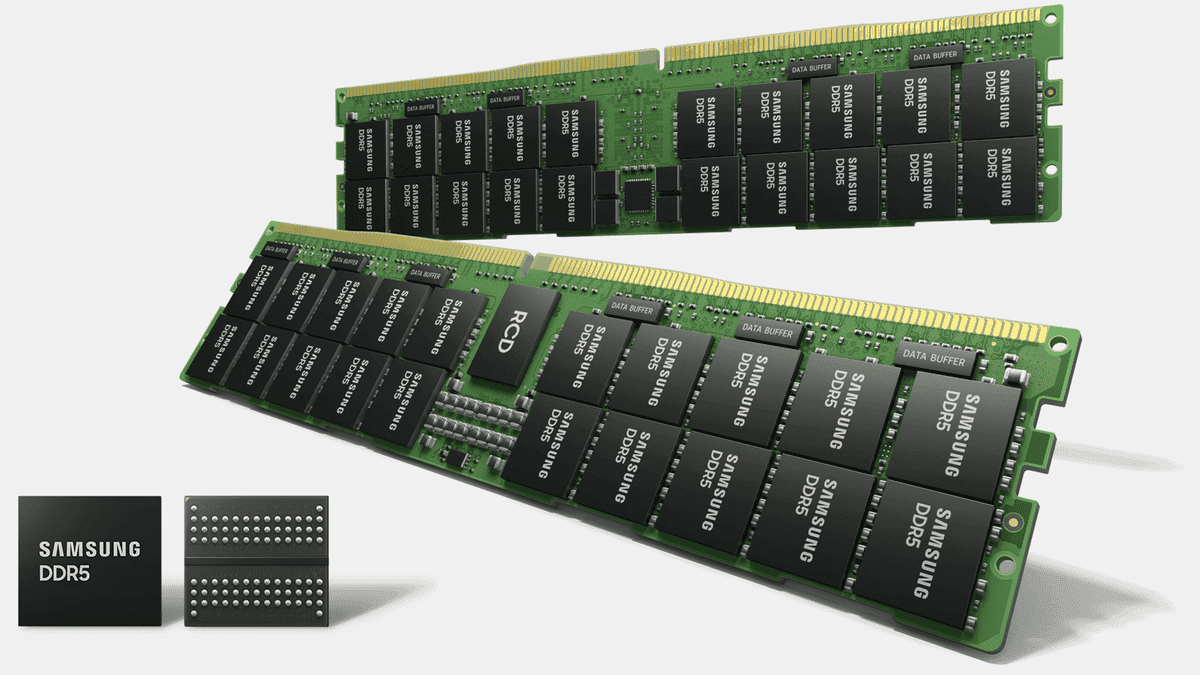
TL;DR: RAM prices are soaring due to ongoing DRAM shortages driven by AI demand, with DDR4 and DDR5 kits costing thousands of dollars. These supply constraints will persist through 2027, impacting consumer memory, GPUs, and gaming hardware, with no significant price relief expected until 2028. RAM prices aren't slowing down, with skyrocketing costs seeing things like a 256GB kit of DDR4 memory now retailing for over $3000... with RAM shortages here to stay until 2028, and high prices for DDR5 and DDR4 throughout 2026 and 2027. If you thought there would be a magical fix for the DRAM shortages and price increases, you're out of luck... this is like a triple-storm all at once. DDR5 and DDR4 memory shortages will likely stay until at least Q4 2027 (two years from now), so don't expect cheap RAM prices until 2028 most likely. Why is this happening? AI, we can all blame AI. AI is gobbling up all of the DRAM and NAND that it can get, where just a couple of days ago we had Micron dive out of the consumer SSD and RAM business with the closure of its Crucial brand, as the company goes all-in with AI. This leaves South Korean memory manufacturers SK hynix and Samsung to provide all of the DRAM and NAND for both AI and consumer products. DRAM shortages will cause issues with the supply of not just DDR4 and DDR5 RAM, and not just GPUs either, but DDR5, LPDDR5, GDDR6, GDDR7, and DDR4, which are all facing shortages that will last well into the first half of 2026, and most likely far beyond that. Zoning in on Taiwan's PCHome retailer, a 256GB kit of DDR4-3600 memory costs $96,899 NTD (which is over $3000 USD), while a 256GB kit of DDR5 memory is a little cheaper, but getting close to $2000. It's truly out of control. If you didn't get a big RAM kit a few months ago, I'm sure most people wouldn't (and couldn't) want to splash down 3-5x what those kits cost just a few months ago.
[8]

Memory Shortages To Last Till At Least Q4 2027, Higher Prices Expected Throughout 2026-2027, 256 GB DDR4 Kits Retail For Over $3000, Entry-Level 32 GB Kits Over $300
Memory prices are getting out of control on both the DDR5 & DDR4 fronts, and it looks like the situation won't improve even in 2027. DDR5 & DDR4 Memory Prices Are Out of Control, Shortages Will Last Till Q4 2027, & Prices To Peak Out In 2026 A few days ago, we all saw the unfortunate news of Micron killing off its consumer brand, Crucial. The DRAM and NAND manufacturer made this difficult decision due to rising demand from the AI segment, which has hit all aspects of the consumer market with full force, leading to higher prices across all tech products such as memory kits, SSDs, and GPUs. But the storm is only just brewing up. We have been talking to multiple sources, and it looks like things are about to get way worse than you can possibly imagine. Think of the crypto boom, COVID shortages, and scalpers era, all combined into one. What we have heard is that memory shortages across all products, including DDR5 and DDR4 memory, will last till at least Q4 2027. We haven't even entered 2026 yet, and our sources are saying that these shortages will last for two years from now. This means that consumers shouldn't expect prices of various tech products to return to normal till late 2027 or even 2028. The problem is that DRAM goes into two key PC products, memory kits and GPUs. Both of these have already started seeing price hikes. Then there are products that use these technologies, such as desktop PCs, Laptops, Mini PCs, handhelds, and even consoles. Every product that utilizes some form of these technologies will see a price bump. Why the price bump, you ask? The answer is simple: AI. The surging AI demand means that data centers have a bigger demand for memory and storage space. Data Center customers are also willing to pay more than consumers to secure these technologies, which is why Micron killed off Crucial because they know they can gain an unimaginable amount of profits from the booming AI segment versus the much smaller desktop and laptop PC markets. And Micron isn't the only one, major DRAM/NAND suppliers such as SK hynix, Samsung, etc, are all gunning for higher profitability from AI, and there's nothing that's going to stop them from doing so. Gamers and consumers can boycott, but that's not going to lead to any change; in fact, that's going to make things worse since that would lead to even lower supply for consumers when demand falls, and more allocation towards AI segments. We also have a statement from Teamgroup on this matter, and that only paints a further bleak picture of the entire situation: We have indeed observed noticeable upward pressure on prices across the NAND and DRAM markets. The current situation is not merely a matter of price fluctuation but a result of an unprecedented supply shortage, primarily driven by surging demand for AI and DDR5 server platforms. In addition, as data storage demand in data centers continues to grow while hard drive manufacturers have yet to expand production, cold data storage has gradually shifted toward SSDs, further tightening NAND Flash supply. With wafer foundries and component suppliers already operating near full capacity, all categories of DRAM products -- including DDR5, LPDDR5, GDDR6, GDDR7, and DDR4 -- are facing widespread shortages, and the supply-demand imbalance is expected to persist through at least the first half of next year. While the market remains dynamic, we continue to leverage strong partnerships and agile inventory management to maintain supply stability and strengthen our foundation for future growth. via Teamgroup General Manager - Chen Qingwen It is also reported that the current prices aren't even the peak that we will see on the memory front. The actual peak will occur sometime close to mid of 2026, which is crazy to think since memory prices have already doubled, tripled, and in some cases, even quadrupled versus what they were selling for just a few months back. A few memory makers have stated that they are already paying double for memory ICs, and some have stated that major memory suppliers give them only a couple of hours to make the payment before they drop it, raise the price, and tell them that their batch was sold off to someone else, and now they gotta pay up even more than before. Looking at Taiwan's PCHome retailer, the memory prices for 256 GB DDR4 kits have now hit a peak of $98,070 NTD, which is over $3000 US. The prices for 256 GB DDR5 kits are now closing up on the $2000 USD mark, which is insane. And for US retailers, the lowest prices for DDR5 memory kits at Newegg are as follows: The lowest prices for DDR5 memory kits at Amazon are as follows: According the PCPartPicker's memory price trends, we get a clear picture of just how much DDR5 and DDR4 prices have exploded in a span of 2-3 months: * DDR4-3200 16 GB - ~$50 (May 2025) - ~$120 (Dec 2025) * DDR4-3600 16 GB - ~$60 (May 2025) - ~$130 (Dec 2025) * DDR4-3000 32 GB - ~$75 (May 2025) - ~$200 (Dec 2025) * DDR4-3200 32 GB - ~$80 (May 2025) - ~$200 (Dec 2025) * DDR4-3600 32 GB - ~$90 (May 2025) - ~$240 (Dec 2025) * DDR4-3200 64 GB - ~$150 (May 2025) - ~$380 (Dec 2025) * DDR4-3600 64 GB - ~$180 (May 2025) - ~$470 (Dec 2025) * DDR5-4800 32 GB - ~$90 (May 2025) - ~$310 (Dec 2025) * DDR5-5200 32 GB - ~$120 (May 2025) - ~$390 (Dec 2025) * DDR5-5600 32 GB - ~$120 (May 2025) - ~$380 (Dec 2025) * DDR5-6000 32 GB - ~$120 (May 2025) - ~$410 (Dec 2025) * DDR5-5600 64 GB - ~$180 (May 2025) - ~$710 (Dec 2025) * DDR5-6000 64 GB - ~$210 (May 2025) - ~$750 (Dec 2025) So yeah, there you have it, our current report on the memory shortages and what the future holds within this segment. I know things are only going to get worse from here, but PC gamers and PC consumers have braved previous periods of shortages, higher prices, and we can just sit back and wait till everything goes back to normal. Follow Wccftech on Google to get more of our news coverage in your feeds.
[9]

The AI frenzy is driving a new global supply chain crisis
An acute global shortage of memory chips is forcing artificial intelligence and consumer-electronics companies to fight for dwindling supplies as prices soar for the unglamorous but essential components that allow devices to store data. Japanese electronics stores have begun limiting how many hard-disk drives shoppers can buy. Chinese smartphone makers are warning of price increases. Tech giants including Microsoft, Google and ByteDance are scrambling to secure supplies from memory-chip makers such as Micron, Samsung Electronics and SK Hynix, according to three people familiar with the discussions. The squeeze spans almost every type of memory, from flash chips used in USB drives and smartphones to advanced high-bandwidth memory (HBM) that feeds AI chips in data centers. Prices in some segments have more than doubled since February, according to market-research firm TrendForce, drawing in traders betting that the rally has further to run.
[10]

The AI frenzy is causing a worldwide supply chain crisis, as prices...
An acute global shortage of memory chips is forcing artificial intelligence and consumer-electronics companies to fight for dwindling supplies, as prices soar for the unglamorous but essential components that allow devices to store data. Japanese electronics stores have begun limiting how many hard-disk drives shoppers can buy. Chinese smartphone makers are warning of price increases. Tech giants including Microsoft, Google and ByteDance are scrambling to secure supplies from memory-chip makers such as Micron, Samsung Electronics and SK Hynix, according to three people familiar with the discussions. The squeeze spans almost every type of memory, from flash chips used in USB drives and smartphones to advanced high-bandwidth memory (HBM) that feeds AI chips in data centers. Prices in some segments have more than doubled since February, according to market-research firm TrendForce, drawing in traders betting that the rally has further to run. The fallout could reach beyond tech. Many economists and executives warn the protracted shortage risks slowing AI-based productivity gains and delaying hundreds of billions of dollars in digital infrastructure. It could also add inflationary pressure just as many economies are trying to tame price rises and navigate US tariffs. "The memory shortage has now graduated from a component-level concern to a macroeconomic risk," said Sanchit Vir Gogia, CEO of Greyhound Research, a technology advisory firm. The AI build-out "is colliding with a supply chain that cannot meet its physical requirements." This Reuters examination of the spiraling supply crisis is based on interviews with almost 40 people, including 17 executives at chipmakers and distributors. It shows industry efforts to meet voracious appetite for advanced chips -- driven by Nvidia and tech giants like Google, Microsoft and Alibaba -- created a dual bind: Chipmakers still can't produce enough high-end semiconductors for the AI race, yet their tilt away from traditional memory products is choking supply to smartphones, PCs and consumer electronics. Some are now hurrying to course-correct. Details of the global scramble by tech firms and price increases described by electronics retailers and component suppliers in China and Japan are reported here for the first time. Average inventory levels at suppliers of dynamic random-access memory (DRAM) -- the main type used in computers and phones -- fell to two to four weeks in October from three to eight weeks in July and 13 to 17 weeks in late 2024, according to TrendForce. The crunch is unfolding as investors question whether the billions of dollars poured into AI infrastructure have inflated a bubble. Some analysts predict a shakeout, with only the biggest and financially strongest companies able to stomach the price increases. One memory-chip executive told Reuters the shortage would delay future data-center projects. New capacity takes at least two years to build but memory-chip makers are wary of overbuilding for fear it could end up idle should the demand surge pass, the person said. Samsung and SK Hynix have announced investments in new capacity but haven't detailed the production split between HBM and conventional memory. SK Hynix has told analysts that the memory shortfall would last through late 2027, Citi said in November. "These days, we're receiving requests for memory supplies from so many companies that we're worried about how we'll be able to handle all of them. If we fail to supply them, they could face a situation where they can't do business at all," Chey Tae-won, chairman of SK Hynix parent SK Group, said at an industry forum in Seoul last month. OpenAI in October signed initial deals with Samsung and SK Hynix to supply chips for its Stargate project, which would require up to 900,000 wafers per month by 2029. That's about double current global monthly HBM production, Chey said. Samsung told Reuters it is monitoring the market but wouldn't comment on pricing or customer relationships. SK Hynix said it is boosting production capacity to meet increased memory demand. Microsoft declined to comment and ByteDance didn't address questions about the chip strain. Micron and Google didn't respond to comment requests. After ChatGPT's release in November 2022 ignited the generative AI boom, a global rush to build AI data centers led memory makers to allocate more production to HBM, used in Nvidia's powerful AI processors. Competition from Chinese rivals making lower-end DRAM, such as ChangXin Memory Technologies, also pushed Samsung and SK Hynix to accelerate their shift to higher-margin products. The South Korean firms account for two-thirds of the DRAM market. Samsung told customers in May 2024 that it planned to end production of one type of DDR4 chips -- an older variety used in PCs and servers -- this year, according to a letter seen by Reuters. (The company has since changed course and will extend production, two sources said). In June, Micron said it had informed customers it would stop shipping DDR4 and its counterpart LPDDR4 -- a type used in smartphones -- in six to nine months. ChangXin followed suit in ending most DDR4 production, one source said. The firm declined to comment. This shift, however, coincided with a replacement cycle for traditional data centers and PCs, as well as stronger-than-expected sales of smartphones, which rely on conventional chips. In hindsight, "one could say the industry was caught off-guard," said Dan Hutcheson, senior research fellow at TechInsights. Samsung raised prices of server memory chips by up to 60% last month, Reuters has reported. Nvidia CEO Jensen Huang, who in October announced deals and shared fried chicken with Samsung Electronics Chairman Jay Y. Lee during a trip to South Korea, acknowledged the price surge as significant but said Nvidia had secured substantial supply. Google, Amazon, Microsoft and Meta in October asked Micron for open-ended orders, telling the company they will take as much as it can deliver, irrespective of price, according to two people briefed on the talks. China's Alibaba, ByteDance and Tencent are also leaning on suppliers, dispatching executives to visit Samsung and SK Hynix in October and November to lobby for allocation, the two people and another source told Reuters. "Everyone is begging for supply," one said. The Chinese firms didn't address questions about the chip crunch. Nvidia, Meta, Amazon and OpenAI didn't respond to requests for comment. In October, SK Hynix said all its chips are sold out for 2026, while Samsung said it had secured customers for its HBM chips to be produced next year. Both firms are expanding capacity to meet AI demand, but new factories for conventional chips won't come online until 2027 or 2028. Shares in Micron, Samsung and SK Hynix have rallied this year on chip demand. In September, Micron forecast first-quarter revenue above market estimates while Samsung in October reported its biggest quarterly profit in more than three years. Consultancy Counterpoint Research expects prices of advanced and legacy memory to rise by 30% through the fourth quarter and possibly another 20% in early 2026. Chinese smartphone makers Xiaomi and Realme have warned they may have to raise prices. Francis Wong, Realme India's chief marketing officer, told Reuters the steep increases in memory costs were "unprecedented since the advent of smartphones" and could force the company to lift handset prices by 20% to 30% by June. "Some manufacturers might save costs on imaging cameras, some on processors, and some on batteries," he said. "But the cost of storage is something all manufacturers must completely absorb; there's no way to transfer it." Xiaomi told Reuters it would offset higher memory costs by raising prices and selling more premium phones, adding that its other businesses would help cushion the impact. In November, Taiwanese laptop maker ASUS said it had about four months of inventory, including memory components, and would adjust pricing as needed. Winbond, a Taiwanese chipmaker with around 1% of the DRAM market, was among the first to announce a capacity expansion to meet demand. Its board of directors approved a plan in October to sharply boost capital expenditure to $1.1 billion. "Many customers have been coming to us saying, 'I really need your help,' and one even asked for a six-year long-term agreement," Winbond's President Pei-Ming Chen said. In Tokyo's electronics hub of Akihabara, stores are restricting purchases of memory products to curb hoarding. A sign outside PC shop Ark says that since November 1 customers have been limited to buying a total of eight products across hard-disk drives, solid-state drives and system memory. Ark declined to comment. Clerks at five shops said shortages had pushed prices sharply higher in recent weeks. At some stores, one-third of products were sold out. Products such as 32-gigabyte DDR5 memory -- popular with gamers -- were over 47,000 yen, up from around 17,000 yen in mid-October. Higher-end 128-gigabyte kits had more than doubled to around 180,000 yen. The hikes are driving customers to the secondhand market -- benefiting people like Roman Yamashita, owner of iCON in Akihabara, who said his business selling used PC parts is booming. Eva Wu, a sales manager at component trader Polaris Mobility in Shenzhen, said prices are changing so rapidly that distributors issue broker-style quotes that expire daily -- and in some cases hourly -- versus monthly before the crunch. In Beijing, a DDR4 seller said she had hoarded 20,000 units in anticipation of further increases. Some 6,000 miles away in California, Paul Coronado said monthly sales at his company, Caramon, which sells recycled low-end memory chips pulled from decommissioned data-center servers, have surged since September. Almost all its products are now bought by Hong Kong-based intermediaries who resell them to Chinese clients, he said.
[11]

The AI frenzy is driving a new global supply chain crisis
Dec 3 (Reuters) - An acute global shortage of memory chips is forcing artificial intelligence and consumer-electronics companies to fight for dwindling supplies, as prices soar for the unglamorous but essential components that allow devices to store data. Japanese electronics stores have begun limiting how many hard-disk drives shoppers can buy. Chinese smartphone makers are warning of price increases. Tech giants including Microsoft, Google and ByteDance are scrambling to secure supplies from memory-chip makers such as Micron, Samsung Electronics and SK Hynix, according to three people familiar with the discussions. The squeeze spans almost every type of memory, from flash chips used in USB drives and smartphones to advanced high-bandwidth memory (HBM) that feeds AI chips in data centers. Prices in some segments have more than doubled since February, according to market-research firm TrendForce, drawing in traders betting that the rally has further to run. The fallout could reach beyond tech. Many economists and executives warn the protracted shortage risks slowing AI-based productivity gains and delaying hundreds of billions of dollars in digital infrastructure. It could also add inflationary pressure just as many economies are trying to tame price rises and navigate U.S. tariffs. "The memory shortage has now graduated from a component-level concern to a macroeconomic risk," said Sanchit Vir Gogia, CEO of Greyhound Research, a technology advisory firm. The AI build-out "is colliding with a supply chain that cannot meet its physical requirements." This Reuters examination of the spiraling supply crisis is based on interviews with almost 40 people, including 17 executives at chipmakers and distributors. It shows industry efforts to meet voracious appetite for advanced chips -- driven by Nvidia and tech giants like Google, Microsoft and Alibaba -- created a dual bind: Chipmakers still can't produce enough high-end semiconductors for the AI race, yet their tilt away from traditional memory products is choking supply to smartphones, PCs and consumer electronics. Some are now hurrying to course-correct. Details of the global scramble by tech firms and price increases described by electronics retailers and component suppliers in China and Japan are reported here for the first time. Average inventory levels at suppliers of dynamic random-access memory (DRAM) -- the main type used in computers and phones -- fell to two to four weeks in October from three to eight weeks in July and 13 to 17 weeks in late 2024, according to TrendForce. The crunch is unfolding as investors question whether the billions of dollars poured into AI infrastructure have inflated a bubble. Some analysts predict a shakeout, with only the biggest and financially strongest companies able to stomach the price increases. One memory-chip executive told Reuters the shortage would delay future data-center projects. New capacity takes at least two years to build but memory-chip makers are wary of overbuilding for fear it could end up idle should the demand surge pass, the person said. Samsung and SK Hynix have announced investments in new capacity but haven't detailed the production split between HBM and conventional memory. SK Hynix has told analysts that the memory shortfall would last through late 2027, Citi said in November. "These days, we're receiving requests for memory supplies from so many companies that we're worried about how we'll be able to handle all of them. If we fail to supply them, they could face a situation where they can't do business at all," Chey Tae-won, chairman of SK Hynix parent SK Group, said at an industry forum in Seoul last month. OpenAI in October signed initial deals with Samsung and SK Hynix to supply chips for its Stargate project, which would require up to 900,000 wafers per month by 2029. That's about double current global monthly HBM production, Chey said. Samsung told Reuters it is monitoring the market but wouldn't comment on pricing or customer relationships. SK Hynix said it is boosting production capacity to meet increased memory demand. Microsoft declined to comment and ByteDance didn't address questions about the chip strain. Micron and Google didn't respond to comment requests. 'BEGGING FOR SUPPLY' After ChatGPT's release in November 2022 ignited the generative AI boom, a global rush to build AI data centers led memory makers to allocate more production to HBM, used in Nvidia's powerful AI processors. Competition from Chinese rivals making lower-end DRAM, such as ChangXin Memory Technologies, also pushed Samsung and SK Hynix to accelerate their shift to higher-margin products. The South Korean firms account for two-thirds of the DRAM market. Samsung told customers in May 2024 that it planned to end production of one type of DDR4 chips -- an older variety used in PCs and servers -- this year, according to a letter seen by Reuters. (The company has since changed course and will extend production, two sources said.) In June, Micron said it had informed customers it would stop shipping DDR4 and its counterpart LPDDR4 - a type used in smartphones - in six to nine months. ChangXin followed suit in ending most DDR4 production, one source said. The firm declined to comment. This shift, however, coincided with a replacement cycle for traditional data centers and PCs, as well as stronger-than-expected sales of smartphones, which rely on conventional chips. In hindsight, "one could say the industry was caught off-guard," said Dan Hutcheson, senior research fellow at TechInsights. Samsung raised prices of server memory chips by up to 60% last month, Reuters has reported. Nvidia CEO Jensen Huang, who in October announced deals and shared fried chicken with Samsung Electronics Chairman Jay Y. Lee during a trip to South Korea, acknowledged the price surge as significant but said Nvidia had secured substantial supply. Google, Amazon, Microsoft and Meta in October asked Micron for open-ended orders, telling the company they will take as much as it can deliver, irrespective of price, according to two people briefed on the talks. China's Alibaba, ByteDance and Tencent are also leaning on suppliers, dispatching executives to visit Samsung and SK Hynix in October and November to lobby for allocation, the two people and another source told Reuters. "Everyone is begging for supply," one said. The Chinese firms didn't address questions about the chip crunch. Nvidia, Meta, Amazon and OpenAI didn't respond to requests for comment. In October, SK Hynix said all its chips are sold out for 2026, while Samsung said it had secured customers for its HBM chips to be produced next year. Both firms are expanding capacity to meet AI demand, but new factories for conventional chips won't come online until 2027 or 2028. Shares in Micron, Samsung and SK Hynix have rallied this year on chip demand. In September, Micron forecast first-quarter revenue above market estimates while Samsung in October reported its biggest quarterly profit in more than three years. Consultancy Counterpoint Research expects prices of advanced and legacy memory to rise by 30% through the fourth quarter and possibly another 20% in early 2026. SMARTPHONE STICKER SHOCK Chinese smartphone makers Xiaomi and Realme have warned they may have to raise prices. Francis Wong, Realme India's chief marketing officer, told Reuters the steep increases in memory costs were "unprecedented since the advent of smartphones" and could force the company to lift handset prices by 20% to 30% by June. "Some manufacturers might save costs on imaging cameras, some on processors, and some on batteries," he said. "But the cost of storage is something all manufacturers must completely absorb; there's no way to transfer it." Xiaomi told Reuters it would offset higher memory costs by raising prices and selling more premium phones, adding that its other businesses would help cushion the impact. In November, Taiwanese laptop maker ASUS said it had about four months of inventory, including memory components, and would adjust pricing as needed. Winbond, a Taiwanese chipmaker with around 1% of the DRAM market, was among the first to announce a capacity expansion to meet demand. Shareholders approved a plan in October to sharply boost capital expenditure to $1.1 billion. "Many customers have been coming to us saying, 'I really need your help,' and one even asked for a six-year long-term agreement," Winbond's President Pei-Ming Chen said. TRADERS RUSH IN In Tokyo's electronics hub of Akihabara, stores are restricting purchases of memory products to curb hoarding. A sign outside PC shop Ark says that since November 1 customers have been limited to buying a total of eight products across hard-disk drives, solid-state drives and system memory. Clerks at five shops said shortages had pushed prices sharply higher in recent weeks. At some stores, one-third of products were sold out. Products such as 32-gigabyte DDR5 memory - popular with gamers - were over 47,000 yen, up from around 17,000 yen in mid-October. Higher-end 128-gigabyte kits had more than doubled to around 180,000 yen. The hikes are driving customers to the secondhand market -- benefiting people like Roman Yamashita, owner of iCON in Akihabara, who said his business selling used PC parts is booming. Eva Wu, a sales manager at component trader Polaris Mobility in Shenzhen, said prices are changing so rapidly that distributors issue broker-style quotes that expire daily - and in some cases hourly - versus monthly before the crunch. In Beijing, a DDR4 seller said she had hoarded 20,000 units in anticipation of further increases. Some 6,000 miles away in California, Paul Coronado said monthly sales at his company, Caramon, which sells recycled low-end memory chips pulled from decommissioned data-center servers, have surged since September. Almost all its products are now bought by Hong Kong-based intermediaries who resell them to Chinese clients, he said. (Reporting by Hyunjoo Jin in Seoul, Fanny Potkin in Singapore, Wen-Yee Lee in Taipei, Anton Bridge in Tokyo and Max A. Cherney in San Francisco. Additional reporting by Eduardo Baptista, Che Pan, Liam Mo, David Kirton, Heekyong Yang, Stephen Nellis, Jun Yuan Yong and Rachel More. Writing by Brenda Goh. Editing by David Crawshaw.) By Hyunjoo Jin, Fanny Potkin, Wen-Yee Lee, Anton Bridge and Max A. Cherney
Share
Share
Copy Link
Major PC and server manufacturers are implementing steep price increases as AI demand creates severe component shortages. Dell and Lenovo plan 15% server price hikes, with Dell potentially raising prices as early as mid-December. Memory chip prices have surged up to 60%, forcing manufacturers across the industry to reconsider production roadmaps and warn customers of sustained supply chain turbulence.
AI Demand Creates Unprecedented Component Shortage
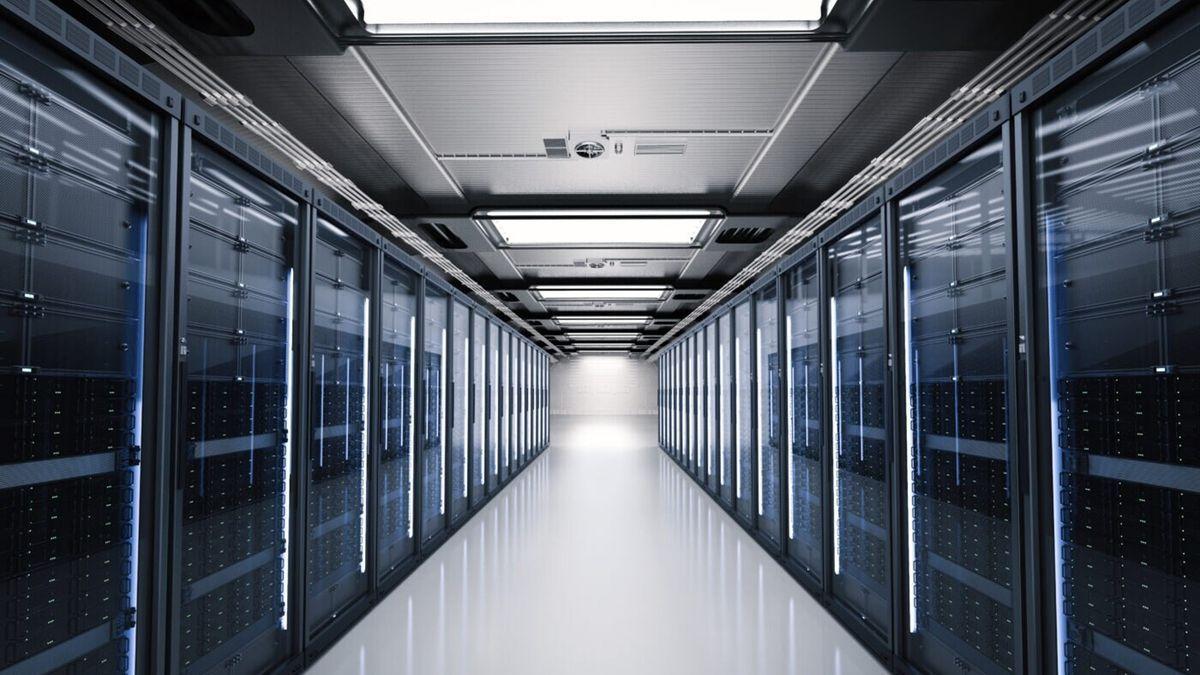
The AI boom is reshaping the hardware industry in ways that extend far beyond data centers, creating a component shortage that threatens to disrupt consumer electronics, enterprise computing, and manufacturing supply chains worldwide. Major PC and server manufacturers including Dell, Lenovo, HP, and HPE are planning significant price increases—up to 15% for enterprise servers and 5% for PCs—as memory chip suppliers prioritize AI companies over traditional customers
1
3
. Dell's COO Jeff Clarke stated he has "never seen memory-chip costs rise this fast," signaling that the turbulence in the hardware market may be more severe than initially anticipated3
.
Source: TechRadar
The timing of these price increases underscores the urgency manufacturers face. Dell is reportedly considering implementing a 15-20% price increment as early as mid-December, while Lenovo has warned clients that all current quotes for servers and PCs will expire on January 1, 2026, with new, heavily marked-up prices taking effect immediately
3
. Lenovo executive Marco Andresen described the situation bluntly: "There is an unprecedented cost increase widely in the industry, especially on memory and SSD. The cost increase itself is more dramatic than usual - more than any player can mitigate"3
.Memory Manufacturers Prioritize AI Over Consumer Markets
The shortage of NAND and DRAM chips stems from a fundamental shift in manufacturing priorities. Just three companies—Samsung, SK Hynix, and Micron—control 93% of the global DRAM market, with SK Hynix holding 38%, Samsung at 32%, and Micron at 23%
2
. These manufacturers are openly prioritizing AI companies and hyperscalers over traditional consumer and enterprise customers, creating a two-tier market where "if you are not a server customer, you will be considered a second priority for memory vendors," according to Gartner analyst Shrish Pant2
.
Source: Wccftech
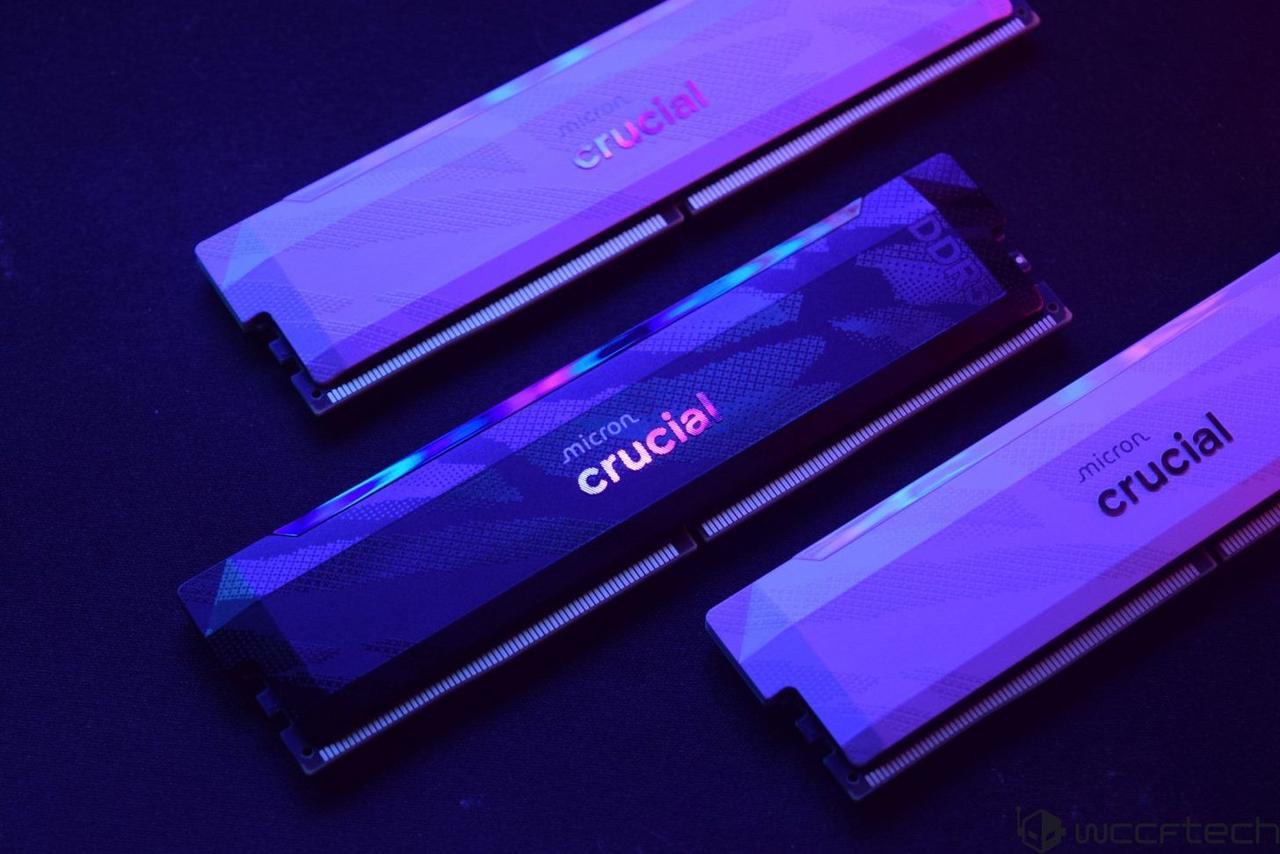
The most dramatic example of this shift came when Micron announced it would wind down its nearly 30-year-old consumer-facing brand, Crucial, to focus exclusively on supplying AI companies with the memory they need to power their servers
2
4
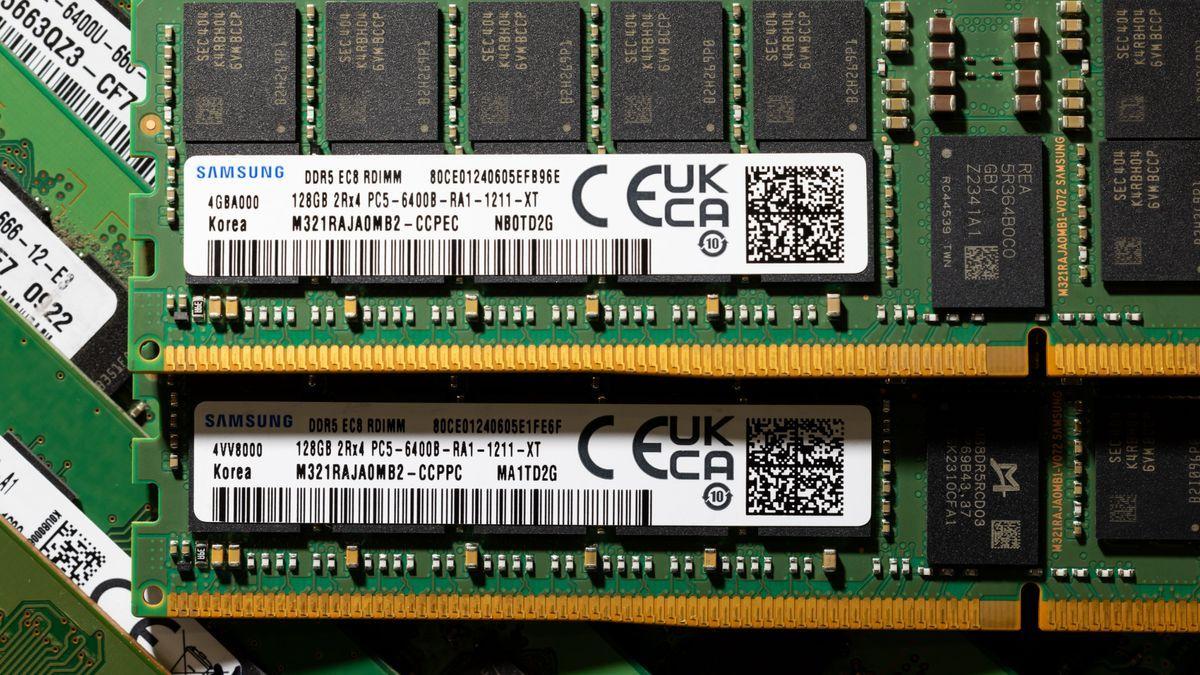
. Samsung has reportedly increased memory prices by up to 60%, with a 32-gigabyte chip that sold for $149 in September reaching $239 by November1
5
.Samsung and SK Hynix have reportedly committed up to 40% of the world's entire memory output to a single AI project, striking a deal with OpenAI to supply up to 900,000 DRAM wafers per month as part of the Stargate infrastructure initiative
2
. This represents an enormous diversion of resources from the global supply chain that previously served diverse industries.Skyrocketing Prices for Memory Components Reshape Industry Economics
The financial impact on memory manufacturers has been substantial, revealing why they're reluctant to shift priorities back to consumer markets. SK Hynix's net profits more than doubled from 5.75 trillion Korean won ($3.92 billion) in Q3 2024 to 12.6 trillion Korean won (~$8.6 billion) in Q3 2025
2
. Micron saw a tenfold increase in annual net income, jumping from $778 million in fiscal 2024 to $8.6 billion for fiscal year 2025, with a record-breaking $11.32 billion in revenue during Q4 2025 alone2
. Samsung's memory business generated a record 26.7 trillion Korean won (~$18.12 billion) in its most recent quarter, representing more than a quarter of its total revenue—nearly double what its entire appliance and TV business produced2
.These record profits suggest manufacturers have little incentive to rapidly expand production capacity. Korean media reports indicate Samsung Electronics and SK Hynix are reluctant to boost supply too aggressively, fearing an AI industry slump could leave them with idle and expensive new chip plants
1
. The technical demands of AI also compound the problem: HBM (High Bandwidth Memory) used in AI data centers consumes wafer capacity that exceeds standard DRAM by a factor of three, according to NAND Research2
.Related Stories
Widespread Impact Across Consumer Electronics and Enterprise Hardware
The ripple effects extend far beyond PCs and servers. IDC predicts fewer smartphone sales in 2026 due to the RAM shortage, with an estimated $9 increase in average phone prices
2
. The 12GB of memory in a flagship Samsung Galaxy smartphone now reportedly costs the company nearly $40 more than previously2
. Chinese smartphone maker Xiaomi has already begun warning customers of future price hikes, while laptop manufacturers may be forced to cut corners on specifications2
.
Source: TweakTown
Gaming consoles, smart TVs, cars, and even SSDs (Solid State Drives) all rely on DRAM, which is "embedded in every part of our digital society today," according to Jeff Janukowicz, research VP at IDC
2
. Transcend, a major storage manufacturer, recently informed resellers that SanDisk and Samsung have delayed NAND flash chip deliveries for the second time, meaning Transcend hasn't received any chip deliveries since October4
. The company reported that supply costs rose 50 to 100% in just one week, affecting deliveries of SSDs, SD cards, and USB flash drives4
.Market Volatility and Long-Term Outlook
Manufacturers are scrambling to adapt. Lenovo is stockpiling memory in an attempt to "strike a balance between price and availability" for customers next year, while Dell and HP are planning operational adjustments
2
. TrendForce initially forecast a 1.7% year-over-year growth in notebook shipments for 2026 but has now downgraded that to a 2.6% year-over-year decline as major players including Samsung, LG, Dell, HP, and Lenovo reconsider their roadmaps3
.Analysts predict DRAM prices could climb between 8 and 13%, though some forecasts suggest even steeper increases
5
. Industry analyst Sanchit Vir Gogia from Greyhound Research told Reuters that "the memory shortage has now graduated from a component-level concern to a macroeconomic risk"1
. Estimates suggest the market might not reach equilibrium until 2028, when smaller firms bring new factories online1
.The situation could resolve rapidly if the AI bust that economists, bankers, and even OpenAI's leadership have warned about materializes, potentially creating a sudden glut of memory components. However, such a scenario would likely trigger devastating economic fallout across the technology sector. For now, Nvidia continues reporting record sales of AI chips, with some GPUs (Graphics Processing Units) selling out completely, suggesting sustained demand from data centers and enterprise servers shows no signs of slowing
2
. Memory and SSD prices are expected to remain elevated for at least three to five months, with extended lead times becoming the new normal across the industry4
.References
Summarized by

Navi
[1]
[2]
[4]
Related Stories
AI Demand Triggers Memory Crisis: DRAM Prices Surge 50% as Supply Chain Buckles
23 Oct 2025•Business and Economy
RAM and Storage Prices Surge 500% as AI Demand Triggers Global Memory Crisis
26 Nov 2025•Business and Economy
AI Demand Drives Memory Prices to Record Highs, Impacting Consumer Tech Market
31 Oct 2025•Business and Economy

Recent Highlights
1
Apple Plans Major Siri AI Overhaul in iOS 27 With Third-Party Chatbot Integration
Technology

2
OpenAI shuts down Sora after six months, ending Disney's $1 billion licensing partnership
Technology

3
AI chatbots validate you too much, making you less kind to others, Stanford study reveals
Science and Research

Recent Highlights
Today's Top Stories





Your Daily Dose of Curated AI News
Don’t drown in AI news. We cut through the noise - filtering, ranking and summarizing the most important AI news, breakthroughs and research daily. Spend less time searching for the latest in AI and get straight to action.

