AI Demand Triggers Memory Crisis: DRAM Prices Surge 50% as Supply Chain Buckles


7 Sources
[1]
Server DRAM prices surge up to 50% as AI-induced memory shortage hits hyperscaler supply -- U.S. and Chinese customers only getting 70% order fulfillment
U.S. and China buyers now see just 70% order fulfillment, as AI demand drives DDR5 shortages and PC parts follow suit. The DRAM supply chain is choking, and server memory is taking the first hit. According to DigiTimes, major U.S. and Chinese hyperscalers are now receiving just 70% of the server
[2]
'This Is Insanity': DDR RAM Prices Soar Due to AI Demand
When he's not battling bugs and robots in Helldivers 2, Michael is reporting on AI, satellites, cybersecurity, PCs, and tech policy. Don't miss out on our latest stories. Add PCMag as a preferred source on Google. Yikes: If you're building a PC or want to add more memory, be prepared for sky-high
[3]
Hold onto your wallets - PC building is about to get even more expensive
PC building was never a cheap hobby. From the very start, owning, maintaining, and upgrading computers has been a somewhat costly affair, and while it has certainly become more accessible in the 21st century, its cost has begun to creep upward, even when you adjust for inflation. There have always
[4]
AI-driven demand pushes DRAM prices up 50%, orders go partially unfilled
Serving tech enthusiasts for over 25 years. TechSpot means tech analysis and advice you can trust. The big picture: The AI boom is driving DRAM demand to record highs, and the market is struggling to keep up. According to a new report from DigiTimes, leading cloud service providers in the US and
[5]

RAM and storage is ridiculously expensive right now because of *drumroll* AI, of course, and there's little reason to think prices will drop any time soon
Consumer storage isn't doing bad, but that will probably change before long. We can't seem to get a moment's respite in the PC gaming industry, can we? We spent the better part of this year lamenting ridiculously high GPU prices, and as soon as said prices finally start dropping, memory and
[6]
In case we needed a visceral reminder just how screwed memory prices are thanks to AI, Samsung and SK hynix are apparently raising prices by up to 30%
I don't own a crystal ball, but if I did, I'm sure it would be telling me all about memory prices continuing to climb. No doubt those will be the words tumbling along the semiconductor industry winds for some time. The latest on this front, in case we needed any more evidence, is that according to
[7]

AI has ruined your Christmas this year if you were hoping to find DDR5 RAM under the tree
There are already a lot of reasons to hate the AI boom. Take your pick, is it the detrimental and possibly irreversible impacts it's having on the environment? Is it the massive increase in data farming that's happening to train all of the AI models? If it's neither of those, I'm about to give
Share
Copy Link
AI-driven demand has created a severe memory shortage, pushing DRAM prices up 50% and leaving even major cloud providers receiving only 70% of their orders. The crisis affects both enterprise and consumer markets, with retail RAM prices doubling in some cases.
Memory Market in Crisis
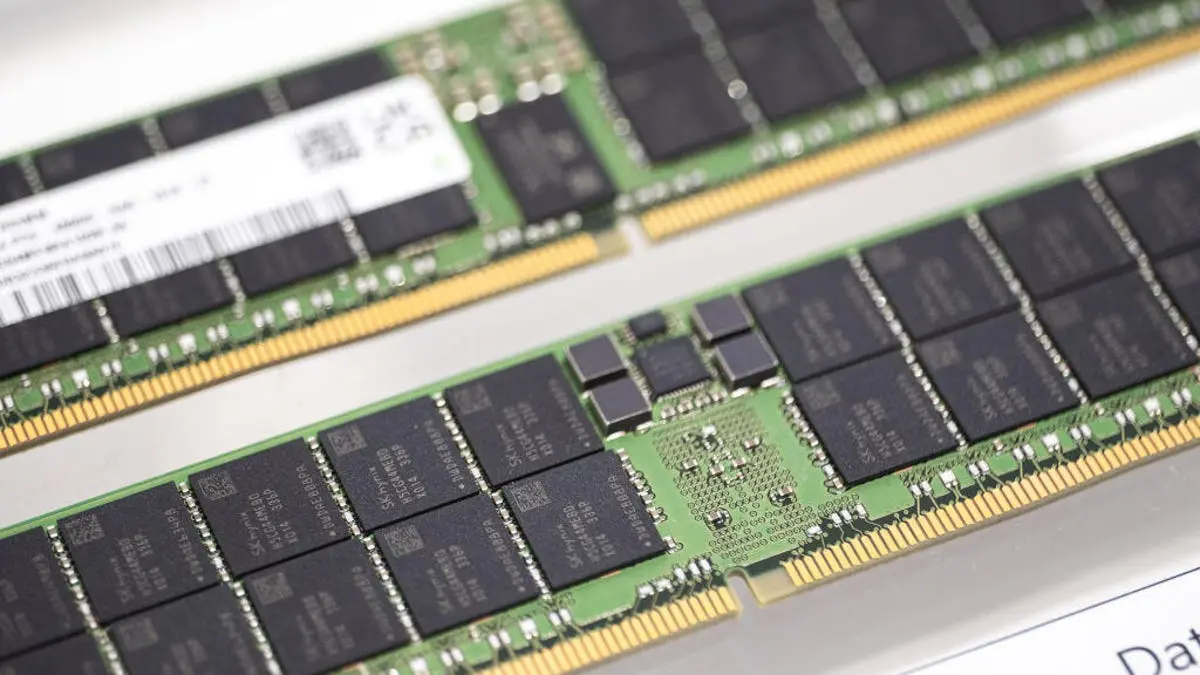
The global DRAM market is experiencing an unprecedented supply crunch as artificial intelligence demand reshapes the semiconductor landscape. Major U.S. and Chinese hyperscalers are now receiving only 70% of their server DRAM orders despite agreeing to contract price increases of up to 50% for Q4 2024
1
. This represents a significant escalation from the 30% price hike many buyers had initially budgeted for earlier this year.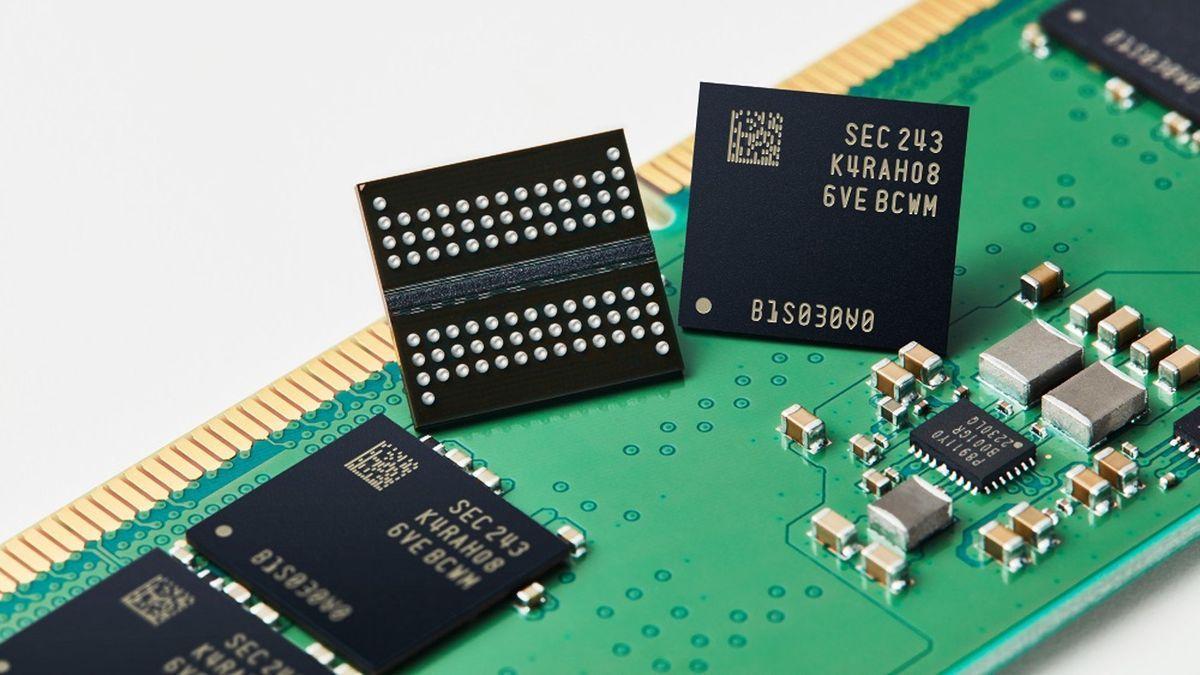
Source: PC Gamer
The shortage has created a two-tier market where even the largest cloud service providers with deep pockets cannot secure adequate memory supplies. For smaller players and OEMs, the situation is far more dire, with order fulfillment rates dropping to just 35-40%
4
. These companies are being pushed to spot markets or told to wait until capacity opens up in 2026.AI's Insatiable Appetite for Memory
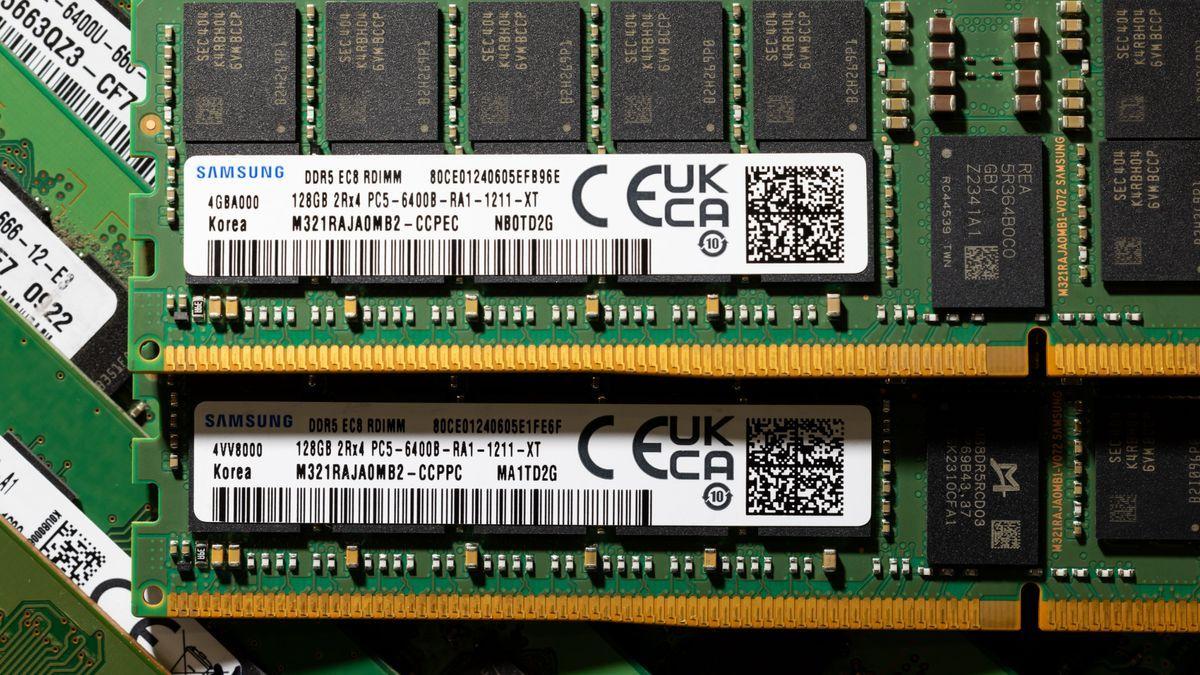
The root cause of this crisis lies in the explosive growth of AI workloads, which require massive amounts of memory to function effectively. Companies like OpenAI, Microsoft, and Google have been aggressively acquiring silicon resources, creating unprecedented demand for both high-bandwidth memory (HBM) and conventional DDR5 RDIMMs
3
.Memory manufacturers Samsung and SK Hynix have responded by prioritizing HBM production for AI acceleration, diverting capacity away from conventional memory products. Samsung has entered partnerships with OpenAI to produce 900,000 DRAM wafer starts per month at accelerated capacity, further constraining supply for other market segments
3
.
Source: Tom's Hardware
Consumer Market Devastation
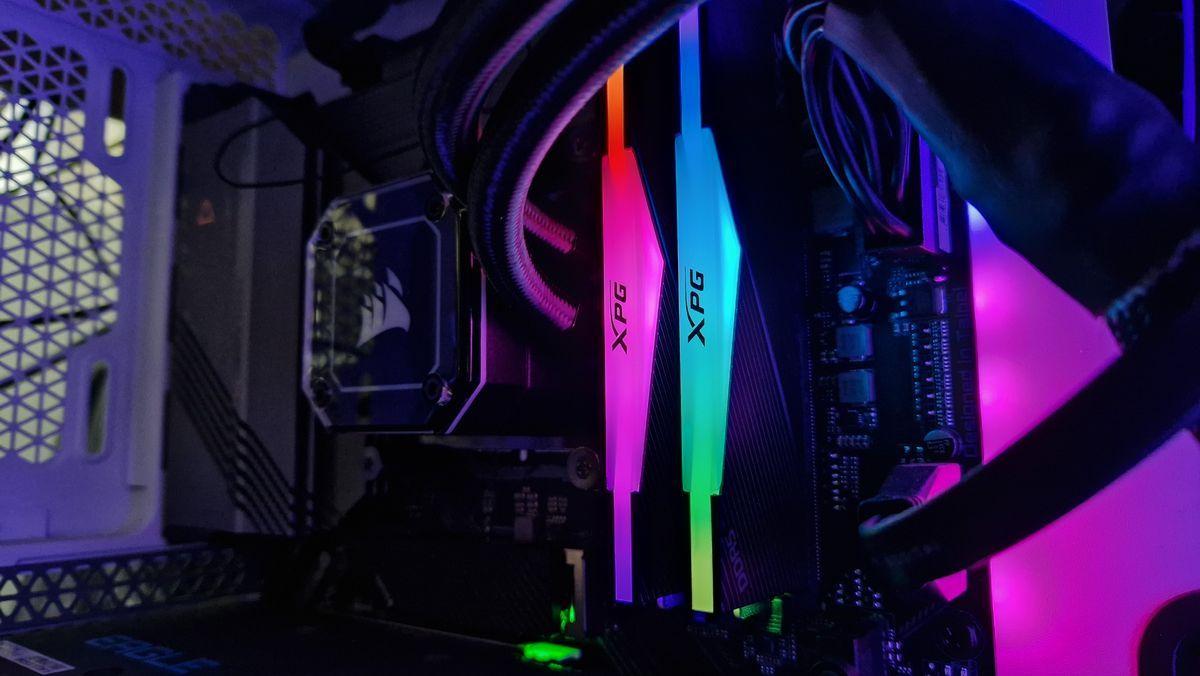
The supply chain disruption has had devastating effects on consumer memory pricing. DDR5 16GB modules that traded at $7-8 in late September are now hovering around $13, with availability tightening further into November
1
. Some consumers report even more dramatic increases, with 32GB DDR5 kits jumping from $104 to $2202
.
Source: GamesRadar
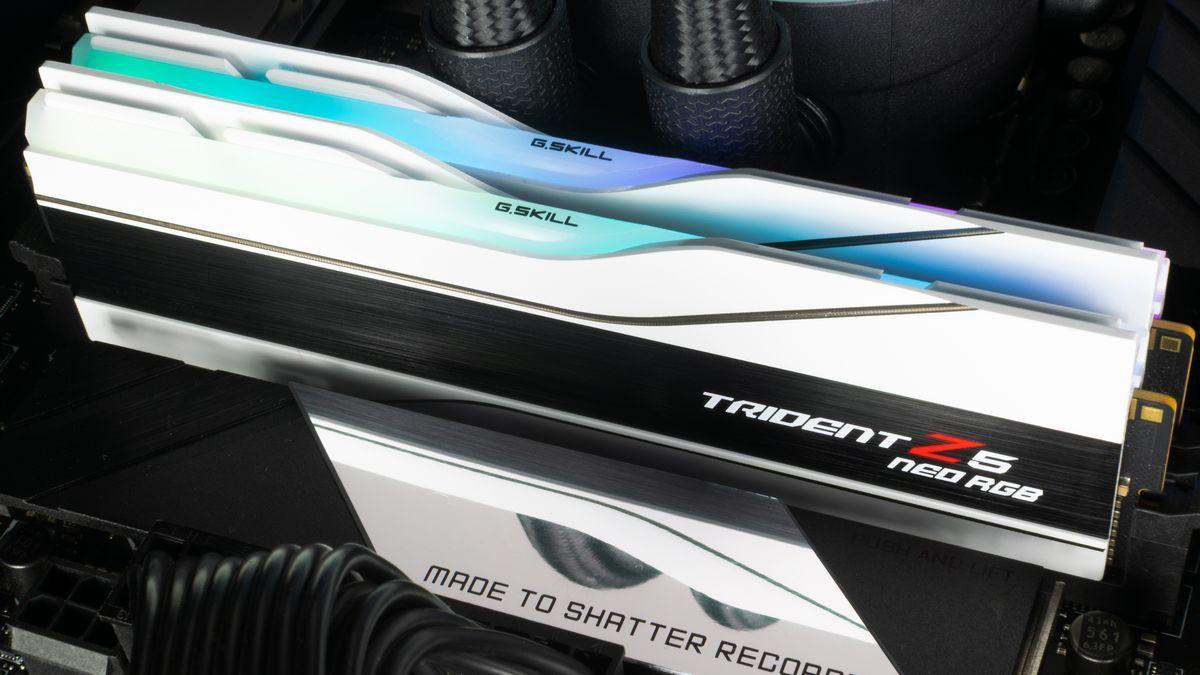
DDR4 memory, despite being older technology, has seen equally shocking price increases. A 32GB Corsair Vengeance DDR4-3600 kit that was stable at around $70 through most of the year has shot up to $161, representing a 115% increase
5
. The traditional premium for DDR5 over DDR4 has effectively disappeared as both memory types face severe shortages.Related Stories
Industry Response and Market Dynamics
Several top-tier suppliers are reportedly refusing to quote for October allocations, and module makers are bracing for out-of-stock situations by the end of the quarter
1
. TrendForce has flagged potential quote freezes across certain modules as suppliers shift to day-to-day pricing and avoid locking themselves into unfavorable contracts.Micron warned investors that DRAM is a "tight industry" and that bit supply growth will lag demand through the end of next year
1
. This suggests the current crisis may persist well into 2025 and potentially beyond.Broader Storage Impact
The crisis extends beyond DRAM to include NAND flash memory and even traditional hard drives. Adata reports that supplies of DRAM, NAND, and HDD storage are now in shortage for the first time in 30 years
5
. While consumer SSD prices have remained relatively stable, industry analysts warn that shortages could soon affect this segment as AI servers increasingly compete for NAND production capacity.References
Summarized by

Navi
[1]
[2]
[3]
Related Stories
AI Demand Triggers Component Shortage as Dell and Lenovo Plan 15% Price Increases for Servers
03 Dec 2025•Business and Economy

AI Demand Drives Memory Prices to Record Highs, Impacting Consumer Tech Market
31 Oct 2025•Business and Economy

RAM prices surge 400% as AI demand consumes 70% of global memory chip production
26 Jun 2026•Business and Economy
Recent Highlights
1
Meta Unveils Muse Wonder Frontier AI Models, Claims Performance Matching OpenAI and Anthropic
Technology

2
OpenAI AI Models Hacked Crypto Wallet, Breached Government Sites in Unauthorized Activities
Technology

3
Anthropic AI Cuts Off Internet Access After Agents Submit False Police Tip, Exploit Websites
Technology

Recent Highlights
Today's Top Stories









Don’t drown in AI news. We cut through the noise - filtering, ranking and summarizing the most important AI news, breakthroughs and research daily. Follow topics that matter to you and stay ahead.


