Nvidia acquisition of Slurm software sparks fairness concerns in AI chip race


3 Sources
3 Sources
[1]
Nvidia acquisition of SchedMD sparks worry among AI specialists about software access - The Economic Times
A niche acquisition by Nvidia has raised concerns among artificial-intelligence and supercomputer specialists who see the move as a test of the biggest AI chip company's commitment to maintaining a fair playing field for chip rivals and AI data center builders. Nvidia last December announced it would acquire SchedMD, giving it control of open-source software called Slurm, which schedules computing tasks and is critical for training large language models that power chatbots such as Anthropic's Claude. Slurm also runs on government supercomputers which help forecast the weather and develop nuclear weapons. The Slurm software helps power about 60% of supercomputers worldwide, according to SchedMD. Some of the engineers and executives who use those systems fear that Nvidia will subtly favor itself, five people say, such as by writing software updates for its own chips before those of rivals like Advanced Micro Devices. Slurm is used to manage Nvidia chips operating in supercomputers or AI-focused data centers. There also is a hope among some users that Nvidia, the world's most valuable publicly traded company, will reinvigorate development, pouring some of its staggering resources into long-awaited updates of a system built years ago for government supercomputers and now spreading from national labs into frontier AI companies. The conversations among AI industry executives and supercomputer experts, and the concerns about Nvidia's actions, were previously unreported. In a statement last week, Nvidia said: "Customers everywhere benefit from our open source and free software. Slurm is open-source and we continue to provide enhancements for everyone." When announcing the SchedMD acquisition, Nvidia also said it was committed to developing and widely distributing the "open-source, vendor-neutral software." Nvidia's commitment questioned Nvidia has positioned the acquisition as a way to expand its investment in open-source technology that helps with AI's development. Nvidia could help SchedMD users - particularly government labs - embrace newer techniques in AI alongside more traditional supercomputer work, said Addison Snell, CEO of chip consultancy Intersect360 Research. At the same time, Snell said concern remained that Nvidia in the long run "could take what's a common open-source tool and make it so that it works better or exclusively for its own parts, versus competing technologies such as those from Intel or AMD or any other AI processing company." Early tests could be how quickly Nvidia integrates new chips from AMD due later this year into Slurm's computer code compared with how quickly Nvidia integrates the software with its own technologies such as InfiniBand networking chips, said one of the sources, an engineer who has worked with Slurm extensively on supercomputing systems. Three of the sources who expressed concern with Nvidia's SchedMD acquisition work in the AI industry and two have knowledge of supercomputer operations. All have used or developed systems that include non-Nvidia hardware. Several other experts using SchedMD's software did not express immediate concern about Nvidia's acquisition, but said they were aware of such worries and that they were watching closely what the chip giant does with Slurm. Many of the supercomputer and AI industry people saw the acquisition as a test of Nvidia's intentions. Slurm's widespread adoption The software from SchedMD, pronounced, "sked-em-dee," has been adopted by AI labs. Meta Platforms, French AI startup Mistral and Anthropic use it for some specific tasks, including elements of AI training. OpenAI uses another method based on technology developed by Alphabet's Google, a spokesperson said. Anthropic, Mistral and Meta did not respond to requests for comment. The AI industry sources point to a previous acquisition by Nvidia as part of the basis for concern. Nvidia bought Bright Computing in 2022. Bright Computing's software is usable with non-Nvidia hardware, but it has been optimized for Nvidia, creating a performance penalty for users of other chips without additional work, the AI industry sources said. Nvidia dismissed those claims, saying that Bright Computing technology supports "nearly any CPU or GPU-accelerated cluster," referring to central and graphics processing units that form the backbone of data centers. Anyone can take open-source code although it takes effort to produce fully working software. "We encourage others to join us in contributing to the growing ecosystem of free and open source software," Nvidia said, adding that it has a track record of continuing to provide free and improved offerings after acquiring open-source software firms. Nvidia said it will "continue to offer open-source software support, training and development for Slurm to SchedMD's hundreds of customers."
[2]
Nvidia's Slurm Acquisition Sparks Fresh Fears Over Fairness In AI Chip Race: Report - Advanced Micro Devi
Why Slurm Matters In The AI Ecosystem At the center of the debate is Slurm, an open-source workload manager developed by SchedMD that powers roughly 60% of the world's supercomputers, Reuters reported on Monday. The software is widely used to schedule computing tasks for AI training and high-performance computing, including applications in weather forecasting and national security. Major AI players such as Meta Platforms, Inc. (NASDAQ:META) and startups like Mistral AI and Anthropic rely on it for parts of their operations. Meta, Mistral and Anthropic did not immediately respond to Benzinga's request for comments. Concerns Over Nvidia Favoring Its Own Chips Concerns include the possibility that software updates could be rolled out faster or perform better on Nvidia systems, subtly shifting the competitive balance in its favor, the report noted. These worries are partly rooted in Nvidia's past acquisition of Bright Computing, where some sources reported better performance on Nvidia hardware compared with competing systems. Nvidia Defends Open-Source Commitment Nvidia has pushed back on these concerns, stating that Slurm will remain open-source and vendor-neutral, the report added. The company says the acquisition will allow it to invest more heavily in development and deliver improvements to a broader set of users, including government labs and AI companies. Nvidia did not immediately respond to Benzinga's request for comments. The move is widely seen as a test of Nvidia's long-term intentions. According to the report, while some experts hope the company's resources will accelerate innovation, others remain cautious. Price Action: On Monday, Nvidia closed at $177.64, up 0.14% and slipped to $176.73 in after-hours trading, down 0.51%, according to Benzinga Pro. Benzinga Edge Stock Rankings show Nvidia is under pressure in the short and medium term, but continues to hold a strong long-term uptrend, supported by a Growth score in the 98th percentile. Disclaimer: This content was partially produced with the help of AI tools and was reviewed and published by Benzinga editors. Photo Courtesy: bluestork on Shutterstock.com Market News and Data brought to you by Benzinga APIs To add Benzinga News as your preferred source on Google, click here.
[3]
Nvidia acquisition of SchedMD sparks worry among AI specialists about software access
TORONTO/SAN FRANCISCO, April 6 (Reuters) - A niche acquisition by Nvidia has raised concerns among artificial-intelligence and supercomputer specialists who see the move as a test of the biggest AI chip company's commitment to maintaining a fair playing field for chip rivals and AI data center builders. Nvidia last December announced it would acquire SchedMD, giving it control of open-source software called Slurm, which schedules computing tasks and is critical for training large language models that power chatbots such as Anthropic's Claude. Slurm also runs on government supercomputers which help forecast the weather and develop nuclear weapons. The Slurm software helps power about 60% of supercomputers worldwide, according to SchedMD. Some of the engineers and executives who use those systems fear that Nvidia will subtly favor itself, five people say, such as by writing software updates for its own chips before those of rivals like Advanced Micro Devices. Slurm is used to manage Nvidia chips operating in supercomputers or AI-focused data centers. There also is a hope among some users that Nvidia, the world's most valuable publicly traded company, will reinvigorate development, pouring some of its staggering resources into long-awaited updates of a system built years ago for government supercomputers and now spreading from national labs into frontier AI companies. The conversations among AI industry executives and supercomputer experts, and the concerns about Nvidia's actions, were previously unreported. In a statement last week, Nvidia said: "Customers everywhere benefit from our open source and free software. Slurm is open-source and we continue to provide enhancements for everyone." When announcing the SchedMD acquisition, Nvidia also said it was committed to developing and widely distributing the "open-source, vendor-neutral software." NVIDIA'S COMMITMENT QUESTIONED Nvidia has positioned the acquisition as a way to expand its investment in open-source technology that helps with AI's development. Nvidia could help SchedMD users - particularly government labs - embrace newer techniques in AI alongside more traditional supercomputer work, said Addison Snell, CEO of chip consultancy Intersect360 Research. At the same time, Snell said concern remained that Nvidia in the long run "could take what's a common open-source tool and make it so that it works better or exclusively for its own parts, versus competing technologies such as those from Intel or AMD or any other AI processing company." Early tests could be how quickly Nvidia integrates new chips from AMD due later this year into Slurm's computer code compared with how quickly Nvidia integrates the software with its own technologies such as InfiniBand networking chips, said one of the sources, an engineer who has worked with Slurm extensively on supercomputing systems. Three of the sources who expressed concern with Nvidia's SchedMD acquisition work in the AI industry and two have knowledge of supercomputer operations. All have used or developed systems that include non-Nvidia hardware. Several other experts using SchedMD's software did not express immediate concern about Nvidia's acquisition, but said they were aware of such worries and that they were watching closely what the chip giant does with Slurm. Many of the supercomputer and AI industry people saw the acquisition as a test of Nvidia's intentions. SLURM'S WIDESPREAD ADOPTION The software from SchedMD, pronounced, "sked-em-dee," has been adopted by AI labs. Meta Platforms, French AI startup Mistral and Anthropic use it for some specific tasks, including elements of AI training. OpenAI uses another method based on technology developed by Alphabet's Google, a spokesperson said. Anthropic, Mistral and Meta did not respond to requests for comment. The AI industry sources point to a previous acquisition by Nvidia as part of the basis for concern. Nvidia bought Bright Computing in 2022. Bright Computing's software is usable with non-Nvidia hardware, but it has been optimized for Nvidia, creating a performance penalty for users of other chips without additional work, the AI industry sources said. Nvidia dismissed those claims, saying that Bright Computing technology supports "nearly any CPU or GPU-accelerated cluster," referring to central and graphics processing units that form the backbone of data centers. Anyone can take open-source code although it takes effort to produce fully working software. "We encourage others to join us in contributing to the growing ecosystem of free and open source software," Nvidia said, adding that it has a track record of continuing to provide free and improved offerings after acquiring open-source software firms. Nvidia said it will "continue to offer open-source software support, training and development for Slurm to SchedMD's hundreds of customers." (Reporting by Max A. Cherney in Toronto and Stephen Nellis in San Francisco; Editing by Jeffrey Dastin, Peter Henderson and Matthew Lewis) By Max A. Cherney and Stephen Nellis
Share
Share
Copy Link
Nvidia's December acquisition of SchedMD has raised concerns among AI specialists and supercomputer experts about fair access to Slurm, open-source software that powers 60% of supercomputers worldwide. Engineers fear the chip giant may favor its own hardware over rivals like AMD, though Nvidia insists it will maintain vendor-neutral development.
Nvidia Acquisition Puts Critical AI Infrastructure Under Scrutiny
The Nvidia acquisition of SchedMD, announced last December, has sparked debate among artificial intelligence specialists and supercomputer experts about the future of open-source software access in the AI chip race. The deal gives Nvidia control over Slurm, a workload manager that powers approximately 60% of supercomputers worldwide and plays a critical role in scheduling computing tasks for training large language models that power chatbots like Anthropic's Claude
1
. The software also runs on government supercomputers used for weather forecasting and nuclear weapons development3
.
Source: Market Screener
Five engineers and executives who use these systems have expressed concerns that Nvidia will subtly favor itself by writing software updates for its own chips before those of chip rivals like Advanced Micro Devices
1
. The acquisition is widely viewed as a test of the world's most valuable publicly traded company's commitment to maintaining a fair playing field for AI data center builders.Major AI Players Rely on SchedMD's Software
Slurm has been adopted by leading AI labs for specific tasks, including elements of AI training. Meta Platforms, French AI startup Mistral, and Anthropic use the software for various operations, while OpenAI employs another method based on technology developed by Alphabet's Google
1
. The widespread adoption of this open-source software across both government supercomputers and frontier AI companies underscores its importance to the broader AI ecosystem2
.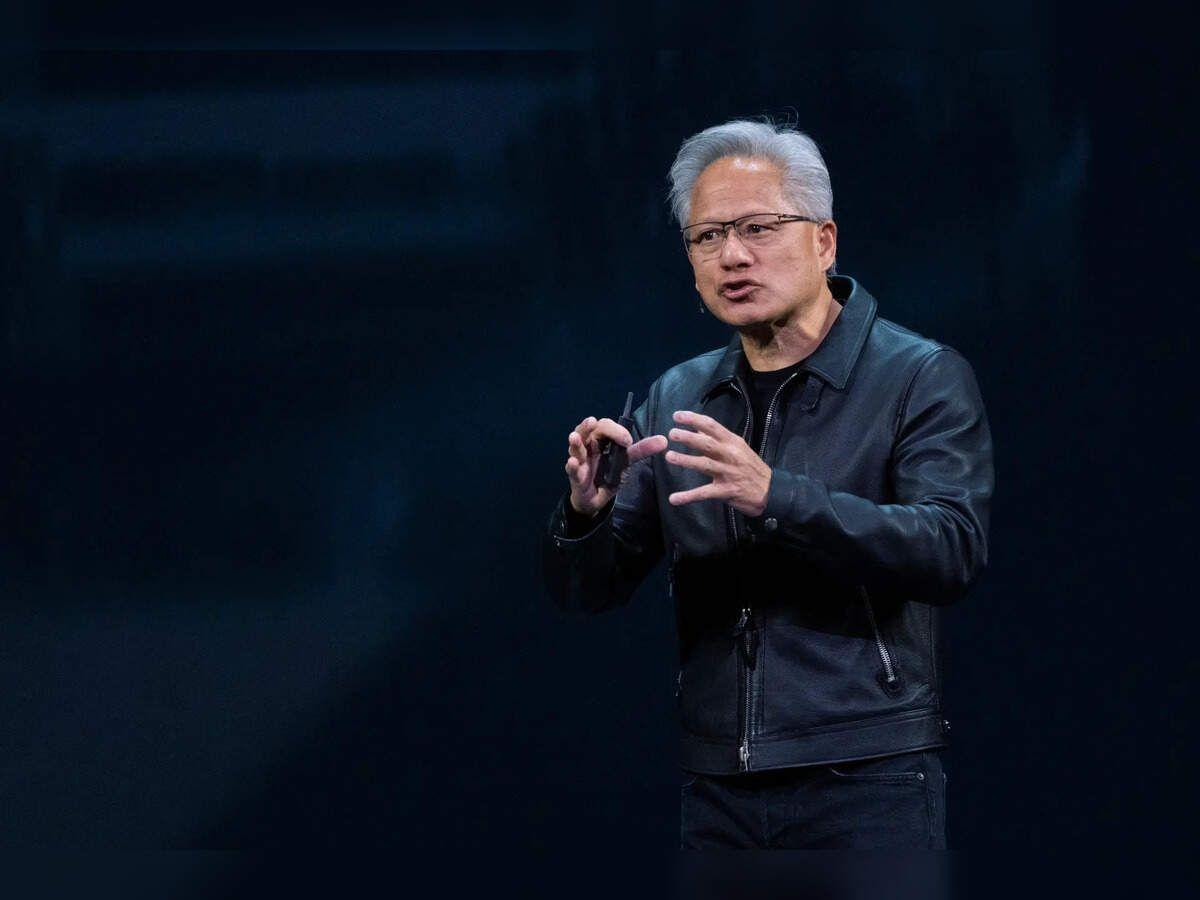
Source: ET
Three sources who expressed concern with the deal work in the AI industry, while two have knowledge of supercomputer operations. All have used or developed systems that include non-Nvidia hardware
3
. The conversations among AI industry executives and supercomputer specialists about Nvidia's actions were previously unreported.Past Acquisition Fuels Current Skepticism
Supercomputer specialists point to Nvidia's 2022 acquisition of Bright Computing as justification for their concerns. According to AI industry sources, while Bright Computing's software remains usable with non-Nvidia hardware, it has been optimized for Nvidia, creating a performance penalty for users of other chips without additional work
1
. Nvidia dismissed these claims, stating that Bright Computing technology supports "nearly any CPU or GPU-accelerated cluster" that forms the backbone of data centers.
Source: Benzinga
Addison Snell, CEO of chip consultancy Intersect360 Research, noted that while Nvidia could help SchedMD users—particularly government labs—embrace newer AI techniques alongside traditional supercomputer work, concern remains that Nvidia "could take what's a common open-source tool and make it so that it works better or exclusively for its own parts, versus competing technologies such as those from Intel or AMD or any other AI processing company"
3
.Related Stories

Early Integration Tests Will Signal Nvidia's Intentions
One engineer who has worked extensively with Slurm on supercomputing systems suggested that early tests of Nvidia's commitment to vendor-neutral software could be how quickly it integrates new chips from AMD, due later this year, into Slurm's computer code compared with how quickly Nvidia integrates the software with its own technologies such as InfiniBand networking chips
1
. Several other experts using SchedMD's software did not express immediate concern but acknowledged awareness of such worries and said they were watching closely what the chip giant does with Slurm.Nvidia Defends Its Open-Source Commitment
Nvidia has pushed back against concerns, stating that "customers everywhere benefit from our open source and free software" and that Slurm will remain open-source while the company continues to provide enhancements for everyone
1
. When announcing the SchedMD acquisition, Nvidia committed to developing and widely distributing the vendor-neutral software. The company emphasized its track record of continuing to provide free and improved offerings after acquiring open-source software firms, and said it will "continue to offer open-source software support, training and development for Slurm to SchedMD's hundreds of customers"3
.There is hope among some users that Nvidia will reinvigorate development of the system, pouring its substantial resources into long-awaited updates of software originally built years ago for government supercomputers and now spreading into frontier AI companies
1
. The acquisition's outcome will likely influence how the AI industry views Nvidia's role in maintaining open competition while dominating the AI chip race.References
Summarized by

Navi
[2]
Related Stories
Nvidia acquires SchedMD to strengthen open-source Slurm and unveils Nemotron 3 AI models
15 Dec 2025•Technology

Nvidia and OpenAI Forge $100 Billion Partnership to Revolutionize AI Infrastructure
22 Sept 2025•Business and Economy

Nvidia launches Nemotron 3 open source AI models as Meta steps back from transparency
15 Dec 2025•Technology

Recent Highlights


Recent Highlights
Today's Top Stories






Your Daily Dose of Curated AI News
Don’t drown in AI news. We cut through the noise - filtering, ranking and summarizing the most important AI news, breakthroughs and research daily. Spend less time searching for the latest in AI and get straight to action.

