OpenAI asks contractors to upload real work from past jobs to train advanced AI agents


3 Sources
3 Sources
[1]
OpenAI is reportedly asking contractors to upload real work from past jobs | TechCrunch
OpenAI reportedly asking contractors to upload real work from past jobs OpenAI and training data company Handshake AI are asking third-party contractors to upload real work that they did in past and current jobs, according to a report in Wired. This appears to be part of a larger strategy across AI companies that are hiring contractors to generate high-quality training data in the hopes that this will eventually allow their models to automate more white-collar work. In OpenAI's case, a company presentation reportedly asks contractors to describe tasks they've performed at other jobs and upload examples of "real, on-the-job work" that they've "actually done." These examples can include "a concrete output (not a summary of the file, but the actual file), e.g., Word doc, PDF, Powerpoint, Excel, image, repo." The company reportedly instructs contractors to delete proprietary and personally identifiable information before uploading, and it points them to a ChatGPT "Superstar Scrubbing" tool to do so. Nonetheless, intellectual property lawyer Evan Brown told Wired that any AI lab taking this approach is "putting itself at great risk" with an approach that requires "a lot of trust in its contractors to decide what is and isn't confidential."
[2]
OpenAI Is Asking Contractors to Upload Work From Past Jobs to Evaluate the Performance of AI Agents
OpenAI is asking third-party contractors to upload real assignments and tasks from their current or previous workplaces so that it can use the data to evaluate the performance of its next-generation AI models, according to records from OpenAI and the training data company Handshake AI obtained by WIRED. The project appears to be part of OpenAI's efforts to establish a human baseline for different tasks that can then be compared with AI models. In September, the company launched a new evaluation process to measure the performance of its AI models against human professionals across a variety of industries. OpenAI says this is a key indicator of its progress towards achieving AGI, or an AI system that outperforms humans at most economically valuable tasks. "We've hired folks across occupations to help collect real-world tasks modeled off those you've done in your full-time jobs, so we can measure how well AI models perform on those tasks," reads one confidential document from OpenAI. "Take existing pieces of long-term or complex work (hours or days+) that you've done in your occupation and turn each into a task." OpenAI is asking contractors to describe tasks they've done in their current job or in the past and to upload real examples of work they did, according to an OpenAI presentation about the project viewed by WIRED. Each of the examples should be "a concrete output (not a summary of the file, but the actual file), e.g., Word doc, PDF, Powerpoint, Excel, image, repo," the presentation notes. OpenAI says people can also share fabricated work examples created to demonstrate how they would realistically respond in specific scenarios. OpenAI and Handshake AI declined to comment. Real-world tasks have two components, according to the OpenAI presentation. There's the task request (what a person's manager or colleague told them to do) and the task deliverable (the actual work they produced in response to that request). The company emphasizes multiple times in instructions that the examples contractors share should reflect "real, on-the-job work" that the person has "actually done." One example in the OpenAI presentation outlines a task from a "Senior Lifestyle Manager at a luxury concierge company for ultra-high-net-worth individuals." The goal is to "Prepare a short, 2-page PDF draft of a 7-day yacht trip overview to the Bahamas for a family who will be traveling there for the first time." It includes additional details regarding the family's interests and what the itinerary should look like. The "experienced human deliverable" then shows what the contractor in this case would upload: a real Bahamas itinerary created for a client. OpenAI instructs the contractors to delete corporate intellectual property and personally identifiable information from the work files they upload. Under a section labeled "Important reminders," OpenAI tells the workers to"Remove or anonymize any: personal information, proprietary or confidential data, material nonpublic information (e.g., internal strategy, unreleased product details)." One of the files viewed by WIRED document mentions an ChatGPT tool called ""Superstar Scrubbing" that provides advice on how to delete confidential information. Evan Brown, an intellectual property lawyer with Neal & McDevitt, tells WIRED that AI labs that receive confidential information from contractors at this scale could be subject to trade secret misappropriation claims. Contractors who offer documents from their previous workplaces to an AI company, even scrubbed, could be at risk of violating their previous employers' non-disclosure agreements, or exposing trade secrets. "The AI lab is putting a lot of trust in its contractors to decide what is and isn't confidential," says Brown. "If they do let something slip through, are the AI labs really taking the time to determine what is and isn't a trade secret? It seems to me that the AI lab is putting itself at great risk."
[3]
OpenAI asks contractors to upload real work from past jobs to test AI agents: Report
OpenAI reportedly provides a tool called the ChatGPT "Superstar Scrubbing" tool to help removing the personal information. OpenAI has asked contractors to upload real work they have done in previous jobs, according to a report from Wired. The move is part of a larger trend among AI companies that hire contractors to create high-quality training data. The goal is likely to eventually enable AI models to handle more complex office tasks. According to the report, OpenAI has asked contractors to describe the tasks they've completed at other jobs and to share actual examples of their work. These examples could include Word documents, PDFs, PowerPoint presentations, Excel files or images. The company reportedly specifies that the files must be real outputs, not just summaries of the work. Contractors are instructed to remove any proprietary or personal information before uploading their work. OpenAI reportedly provides a tool called the ChatGPT "Superstar Scrubbing" tool to help with this process. Also read: Instagram denies data breach reports, says user accounts are secure Despite these precautions, the approach carries risks. Intellectual property lawyer Evan Brown told Wired, any AI lab using this method "is putting itself at great risk" because it relies heavily on contractors to judge what is confidential and what is not. AI companies have been increasingly looking for ways to make models capable of handling office tasks like creating presentations, drafting emails, or analysing spreadsheets. By studying actual work from humans, companies hope their AI agents can learn from realistic examples rather than artificial or synthetic data. Also read: Samsung Galaxy Z Fold 7 price drops by over Rs 19,000: Check details here The practice raises important questions about privacy, intellectual property, and the ethics of using real work for AI training.
Share
Share
Copy Link
OpenAI and Handshake AI are requesting third-party contractors to upload actual work files from current and previous jobs to establish a human performance baseline for next-generation AI models. The initiative aims to measure how well AI can automate more white-collar tasks, but intellectual property lawyer Evan Brown warns the approach puts the company at great risk due to potential trade secret misappropriation and confidentiality breaches.
OpenAI Solicits Real Work Files From Contractors
OpenAI has begun asking contractors to upload real work from past jobs as part of an ambitious effort to train advanced AI agents capable of handling complex professional tasks. According to records obtained by Wired
2
, the company is working with training data firm Handshake AI to collect authentic workplace assignments from third-party workers across various industries. The initiative marks a significant shift in how AI models are being developed, moving away from synthetic data toward real-world examples that reflect actual professional output.
Source: TechCrunch
A confidential OpenAI presentation instructs contractors to describe tasks they've performed at other jobs and upload examples of "real, on-the-job work" they've "actually done"
1
. These examples should include concrete outputs such as Word documents, PDFs, PowerPoint presentations, Excel spreadsheets, images, or code repositories—not summaries, but the actual files themselves2
. The company emphasizes that contractors should focus on long-term or complex work that took hours or days to complete.Establishing a Human Performance Baseline
The project appears designed to establish a human performance baseline that OpenAI can use to evaluate the performance of AI against human professionals. In September, the company launched a new evaluation process to measure its AI models' capabilities across various industries, positioning this as a key indicator of progress toward Artificial General Intelligence (AGI)—an AI system that outperforms humans at most economically valuable tasks
2
. Each task submission requires two components: the task request (what a manager or colleague asked for) and the task deliverable (the actual work produced in response).One example from the OpenAI presentation outlines a task from a "Senior Lifestyle Manager at a luxury concierge company for ultra-high-net-worth individuals," requiring a two-page PDF draft of a seven-day yacht trip overview to the Bahamas, complete with a real itinerary the contractor created for a client
2
. This approach reflects a broader strategy among AI companies to generate high-quality training data that will eventually allow their models to automate more white-collar tasks1
.Intellectual Property Risks and Confidentiality Concerns
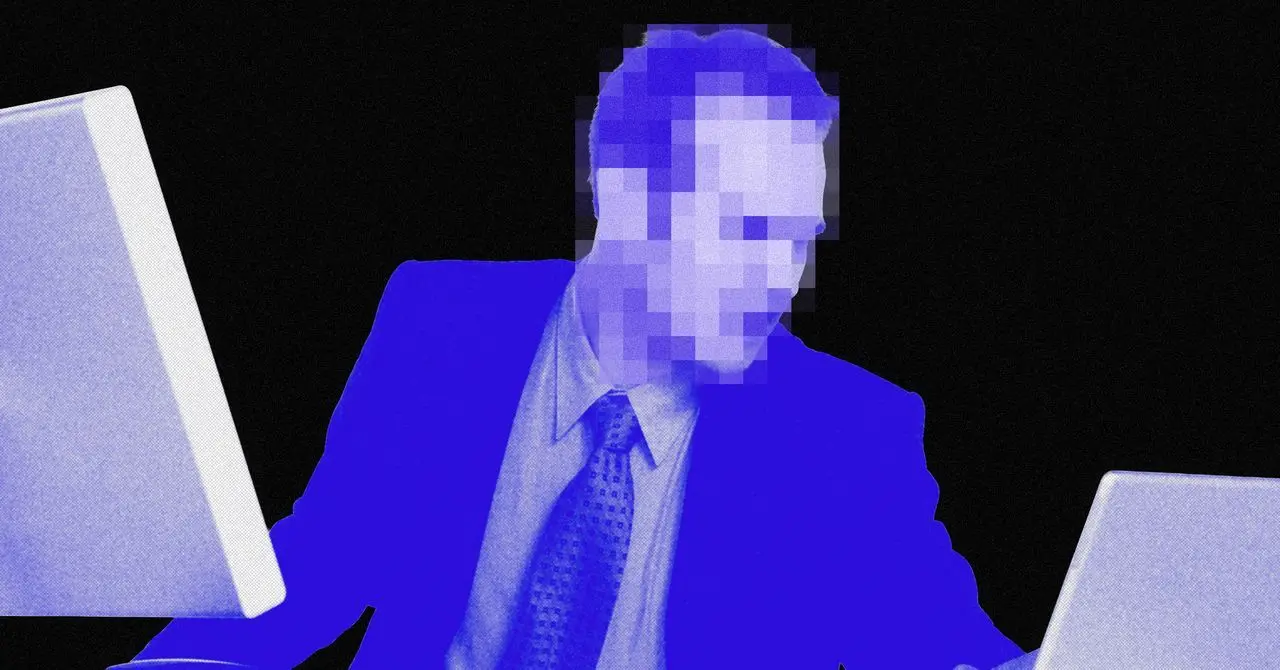
While OpenAI instructs contractors to remove proprietary information and personally identifiable data before uploading files, the approach has raised significant intellectual property risks. The company points workers to a ChatGPT tool called "Superstar Scrubbing" to help delete confidential information
1
. Under a section labeled "Important reminders," OpenAI tells workers to "Remove or anonymize any: personal information, proprietary or confidential data, material nonpublic information (e.g., internal strategy, unreleased product details)"2
.
Source: Wired
Intellectual property lawyer Evan Brown of Neal & McDevitt warns that any AI lab taking this approach "is putting itself at great risk" because it requires "a lot of trust in its contractors to decide what is and isn't confidential"
1
. Brown told Wired that AI labs receiving confidential information from contractors at this scale could face trade secret misappropriation claims2
. Contractors who offer documents from previous workplaces, even scrubbed versions, could risk violating non-disclosure agreements or exposing trade secrets.Related Stories



Implications for AI Development and Data Privacy
The initiative raises critical questions about data privacy and the ethical implications of using real work for AI training
3
. By studying actual work from humans rather than relying solely on synthetic data, AI companies hope their AI agents can learn from realistic examples that better reflect professional environments. This could accelerate the development of models capable of handling office tasks like creating presentations, drafting emails, or analyzing spreadsheets.However, the reliance on contractors to determine what constitutes confidential information creates a vulnerable point in the process. Brown questions whether AI labs are "really taking the time to determine what is and isn't a trade secret" when something slips through
2
. As OpenAI and other companies push toward more capable AI models, the tension between accessing high-quality real-world data and protecting proprietary business information will likely intensify. Both OpenAI and Handshake AI declined to comment on the reports2
.References
Summarized by

Navi
[1]
[2]
Related Stories
Recent Highlights
1
Anthropic's Claude AI can now control your computer to complete tasks autonomously
Technology
2
Nvidia's Jensen Huang calls OpenClaw the next ChatGPT, sending Chinese AI stocks soaring
Technology

3
Elon Musk unveils $20 billion Terafab chip manufacturing project to produce terawatt of computing
Technology
Recent Highlights
Today's Top Stories



Your Daily Dose of Curated AI News
Don’t drown in AI news. We cut through the noise - filtering, ranking and summarizing the most important AI news, breakthroughs and research daily. Spend less time searching for the latest in AI and get straight to action.

