OpenAI awards $40.5 million to over 200 nonprofits through new foundation structure


2 Sources
2 Sources
[1]
OpenAI awards millions to nonprofits under new foundation structure
OpenAI was formed as a nonprofit in 2015 but then incorporated a for-profit subsidiary that has grown to be one of the most valuable start-ups in the world. OpenAI has awarded $40.5 million (€34.74mn) to more than 200 nonprofits in the first round of grants it has made since it rebranded its nonprofit as the OpenAI Foundation in October. The foundation has committed $25 billion (€21.45bn) to fund health research and what it calls AI resilience, meaning ways to minimise the risks of these technologies. It hasn't said how quickly it will grant out those funds. OpenAI promised to give out $50mn (€42.89mn) in July in response to the recommendations of an advisory commission, convened to offer feedback about how it should accomplish its mission of building safe AI for the benefit of humanity. It said it would announce another $9.5mn (€8.15mn) in grants in the coming months based on recommendations from its board of directors. The grant funding is unrestricted, meaning the nonprofits can use it however they choose. However, OpenAI asked groups to apply with projects that support AI literacy, strengthen civic life, or foster economic opportunity. The awards were limited to nonprofits with an annual budget between $500,000 and $10mn (€429,000 and €8.58mn). OpenAI said more than 3,000 nonprofits applied for this first round of funding and said a group of outside advisers reviewed the applications with the board making final grant decisions. Few of the grantees are dedicated to technology. Instead, they include journalism organisations, dance companies and community organisations. The Three Rivers Young People's Orchestras based in Pittsburgh received $90,000 (€77,200), which is 10% of its annual budget this year. Executive director Lindsey Nova said she was shocked to have been chosen. Her organisation already uses ChatGPT as an assistant and drafting tool, which she mentioned in her application. Her organisation, which runs multiple kinds of youth orchestras, proposed to use the funds to research the possibility of developing two different apps. One would record rehearsals and add bookmarks when queued by the conductor. The goal would be to produce notes about what the conductor said during the rehearsal paired with the relevant clip of the rehearsal. "That can't replace the conductor. It can't replace the kids learning how to play their instrument," Nova said. "There's nothing about the children's experience that will be replaced by a robot, but they'll have a better sense of what they need to work on between rehearsals." Her organisation worked with Adam Hertzman, who runs Adartova, a small philanthropic consulting practice, to brainstorm ideas and apply for the grant. His wife is also on the organisation's board. Hertzman said he'd been eager to let his clients and network know about the grant opportunity from OpenAI because he thought few small and medium nonprofits had heard of the open call. "Given the size of the potential grants, the simplicity of the application process and the fact that the grants are unrestricted, I would have expected more (nonprofits to apply)," he said. OpenAI was formed as a nonprofit in 2015 but then incorporated a for-profit subsidiary that has grown to be one of the most valuable start-ups in the world. For years, it had been trying to escape its nonprofit roots to make it easier to attract investors. In October, the company reached an agreement with regulators to formally reincorporate as a public benefit corporation, though the nonprofit board of directors remains the highest decision making body. On Monday, the for-profit wing of OpenAI said issued a new call for applications for research proposals into AI and mental health that would mostly go to nonprofits. It said it would award $2 million (€1.72mn) by the middle of January to applicants. The company faces multiple lawsuits alleging that ChatGPT drove people to suicide or created harmful delusions in people with no prior mental health issues.
[2]
OpenAI Awards $40.5M to a Wide Range of Nonprofits Under New Foundation Structure
OpenAI will award $40.5 million to more than 200 nonprofits before the end of the year, following an open call for applications in September. This is the first wave of donations since the maker of ChatGPT rebranded its nonprofit as the OpenAI Foundation in October. The company has committed $25 billion to helping fund health research and what it calls AI resilience or ways to minimize the risks of these technologies. It hasn't said how quickly it will grant out those funds. OpenAI promised to grant out $50 million in July in response to the recommendations of an advisory commission they convened to offer feedback about how it should accomplish its mission of building safe artificial intelligence for the benefit of humanity. It said it would announce another $9.5 million in grants in the coming months based on recommendations from its board of directors. The grant funding is unrestricted, meaning the nonprofits can use it however they choose. However, OpenAI asked groups to apply with projects that support AI literacy, strengthen civic life or foster economic opportunity. Few of the grantees are dedicated to technology. Instead, they include journalism organizations, dance companies and community organizations. OpenAI was formed as a nonprofit in 2015 but then incorporated a for-profit subsidiary that has grown to be one of the most valuable startups in the world. For years, it had been trying to escape its nonprofit roots to make it easier to attract investors. In October, the company reached an agreement with regulators to formally reincorporate as a public benefit corporation, though the nonprofit board of directors remains the highest decision making body. OpenAI said more than 3,000 applications applied for this first round of funding and said a group of advisors reviewed the application process. ___ Associated Press coverage of philanthropy and nonprofits receives support through the AP's collaboration with The Conversation US, with funding from Lilly Endowment Inc. The AP is solely responsible for this content. For all of AP's philanthropy coverage, visit https://apnews.com/hub/philanthropy.
Share
Share
Copy Link
OpenAI has distributed $40.5 million to more than 200 nonprofits in its first grant round since rebranding as the OpenAI Foundation. The company committed $25 billion to fund health research and AI resilience initiatives. Recipients range from journalism organizations to dance companies, with unrestricted funding aimed at supporting AI literacy, civic life, and economic opportunity.
OpenAI Foundation Distributes First Major Grant Round
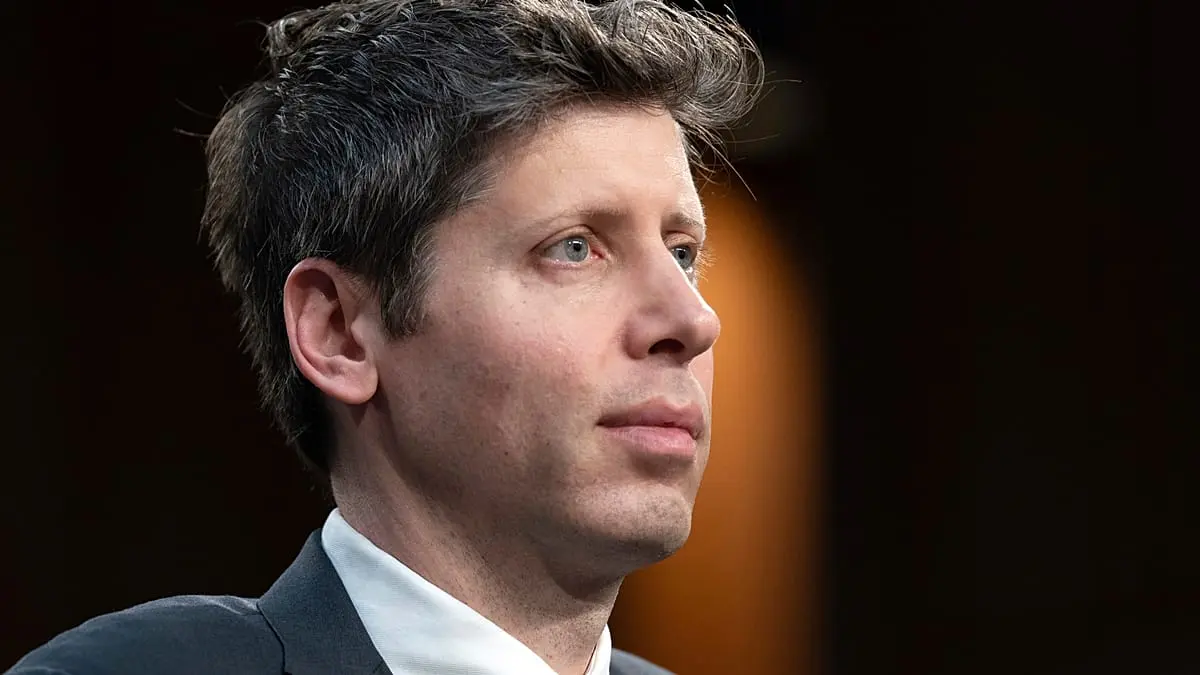
OpenAI awarded $40.5 million to more than 200 nonprofits in December, marking the first significant distribution since the company rebranded its nonprofit arm as the OpenAI Foundation in October
1
2
. This initial wave of nonprofit grants follows an open call for applications launched in September, which attracted more than 3,000 applicants1
. The funding represents part of a broader $50 million commitment OpenAI announced in July, responding to recommendations from an advisory commission focused on building safe AI for humanity1
.
Source: Euronews
The OpenAI Foundation has pledged $25 billion to support health research and AI resilience, which refers to strategies designed to minimize risks associated with AI technologies
1
2
. However, the company has not disclosed a timeline for distributing these committed funds. An additional $9.5 million in grants will be announced in coming months based on board recommendations1
.Unrestricted Funding Supports Diverse Organizations
The grant funding is unrestricted, allowing nonprofits complete flexibility in how they use the money. OpenAI requested that applicants propose projects supporting AI literacy, strengthening civic life, or fostering economic opportunity
1
2
. Awards were limited to organizations with annual budgets between $500,000 and $10 million1
.Recipients span a surprisingly diverse range of sectors. Few grantees focus exclusively on technology. Instead, journalism organizations, dance companies, and community groups received funding
1
2
. The Three Rivers Young People's Orchestras in Pittsburgh received $90,000, representing 10% of its annual budget. Executive director Lindsey Nova expressed shock at being selected and plans to research developing apps that record rehearsals with conductor bookmarks1
. "There's nothing about the children's experience that will be replaced by a robot, but they'll have a better sense of what they need to work on between rehearsals," Nova explained1
.Related Stories

Structural Transformation and Future Implications
OpenAI was formed as a nonprofit in 2015 but incorporated a for-profit subsidiary that evolved into one of the world's most valuable startups
1
2
. After years of attempting to separate from its nonprofit origins to attract investors more easily, the company reached an agreement with regulators in October to formally reincorporate as a public benefit corporation. The nonprofit board of directors remains the highest decision-making body under this new foundation structure1
2
.On the same day as the grant announcement, OpenAI's for-profit wing issued a new call for research proposals focused on AI and mental health, committing $2 million to be awarded by mid-January
1
. This initiative comes as the company faces multiple lawsuits alleging that ChatGPT contributed to suicides or created harmful delusions in individuals with no prior mental health issues1
. The focus on philanthropy and mental health research suggests OpenAI is actively working to address concerns about the societal impact of its technology while fulfilling its stated mission of developing safe AI for humanity.References
Summarized by

Navi
Related Stories
OpenAI Launches $50 Million Fund for Nonprofit and Community AI Initiatives
19 Jul 2025•Technology
OpenAI Foundation commits $1 billion to tackle AI risks as Altman warns of societal threats
24 Mar 2026•Policy and Regulation

OpenAI Considers Corporate Restructure Amid Valuation Surge and Ethical Concerns
10 Oct 2024•Business and Economy

Recent Highlights
1
AI chatbots validate you too much, making you less kind to others, Stanford study reveals
Science and Research

2
Anthropic's Claude Code Source Leak Reveals Hidden AI Agent Plans and Extensive System Access
Technology

3
Judge blocks Pentagon from branding Anthropic a security risk over AI safety guardrails dispute
Policy and Regulation

Recent Highlights
Today's Top Stories




Your Daily Dose of Curated AI News
Don’t drown in AI news. We cut through the noise - filtering, ranking and summarizing the most important AI news, breakthroughs and research daily. Spend less time searching for the latest in AI and get straight to action.

