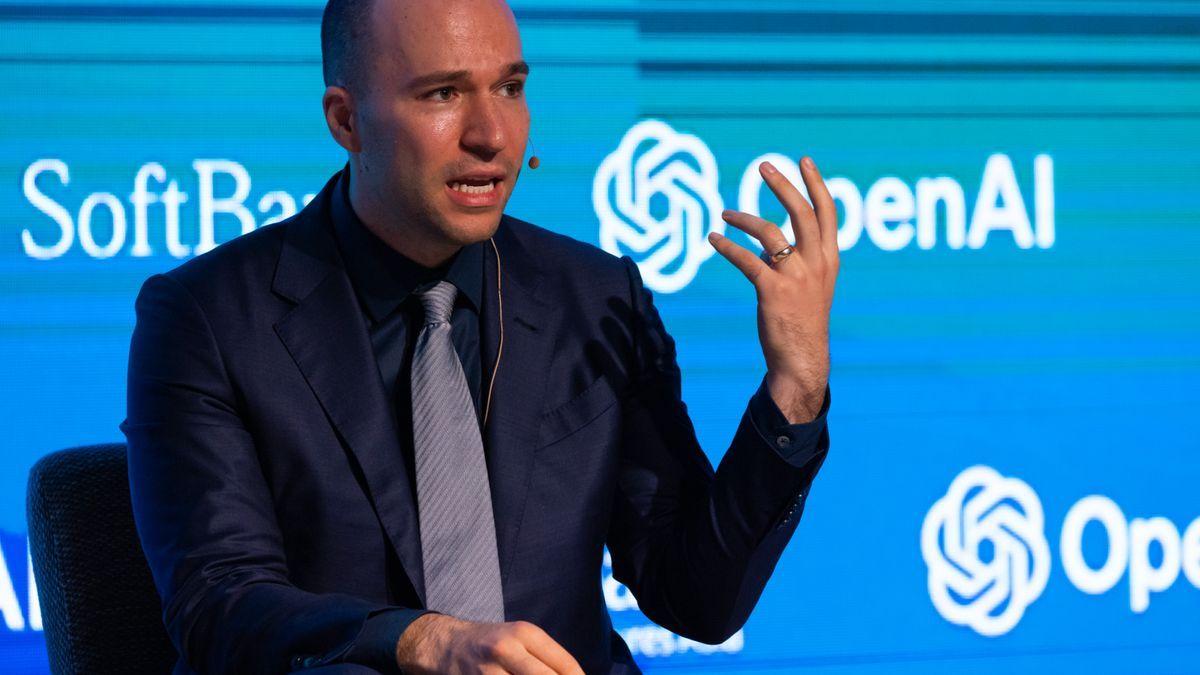
26 Sources
26 Sources
[1]
OpenAI takes on another "side quest," buys tech-focused talk show TBPN
OpenAI has struck a deal to acquire TBPN, a technology-focused talk show popular in Silicon Valley, making an unexpected move into broadcasting after pledging to abandon "side quests" and focus on its core business. The ChatGPT maker had purchased the 11-person company in a "low hundreds of millions of dollars" deal, according to a person with knowledge of the terms. TBPN, or Technology Business Programming Network, has acquired a devoted following among start-up founders and their investors since its launch in October 2024. Co-hosts and self-styled "technology brothers" Jordi Hays and John Coogan have interviewed Meta's Mark Zuckerberg and OpenAI founder Sam Altman, becoming a fixture at tech conferences. Fidji Simo, who runs OpenAI's product business, told staff on Thursday that TBPN was "one of the places where the conversation about AI and builders is actually happening day to day." Coogan and Hays had built "a space for a real, constructive conversation about the changes AI creates -- with builders and people using the technology at the center," she added. In a separate memo last month, Simo urged staff to zero in on primary business lines including ChatGPT and coding tools for business customers. "We cannot miss this moment because we are distracted by side quests," she wrote. One person close to OpenAI dismissed the idea that the deal was a distraction for a company competing against Google and Anthropic. "Researchers and engineers will not devote time to this and it's not a new product, so it's not a side quest," they said. TBPN averages about 70,000 viewers per daily episode and was on course to generate around $30 million in revenue this year, largely from advertising, before the deal, according to the person with knowledge of the terms. OpenAI said TBPN would remain in Los Angeles and continue to be editorially independent, despite its new owners being among the most recognisable AI companies in the world and a competitor to a number of the talk show's existing advertisers. "While we've been critical of the industry at times, after getting to know Sam and the OpenAI team, what stood out most was their openness to feedback and commitment to getting this right," said Hays. "Moving from commentary to real impact in how this technology is distributed and understood globally is incredibly important to us." Hays and his team would report to OpenAI's head of global affairs, Chris Lehane, and "help with marketing and communications at OpenAI but keep their editorial independence," the company said. Altman on Thursday posted on X: "I don't expect [TBPN] to go any easier on us, am sure I'll do my part to help enable that with occasional stupid decisions." The Wall Street Journal first reported that OpenAI was acquiring TBPN.
[2]
OpenAI acquires TBPN, the buzzy founder-led business talk show | TechCrunch
OpenAI has acquired popular tech industry talk show TBPN, short for the Technology Business Programming Network, making the AI giant's first acquisition of a media company. The show will report to OpenAI's chief political operative, Chris Lehane. TBPN, hosted by former tech founders John Coogan and Jordi Hays, is a daily live show that airs on YouTube and X for three hours, focusing on tech, business, AI, and defense. TBPN has gained a cult following in Silicon Valley, a safe space where industry power players can speak candidly and be questioned by fellow insiders. The show has a reputation for being something of a Sports Center for the tech industry -- a place where top tech CEOs like Mark Zuckerberg, Satya Nadella, Marc Benioff, and, yes, Sam Altman, come to chop it up, react to the news of the day, and occasionally make some of their own. TBPN will continue to live on as its own brand, which OpenAI will help scale. Not that it necessarily needed help on that front; TBPN has grown into an empire that's on track to pull in more than $30 million this year, according to The Wall Street Journal. OpenAI already has its own podcast for long-form conversations with the people building tech at the company. OpenAI will also tap the founders' "amazing comms and marketing instincts" outside the show, according to OpenAI's head of AGI deployment Fidji Simo, who said TBPN will "bring AI to the world in a way that helps people understand the full impact of this technology on their daily lives." Simo went even further, noting that TBPN's prowess is necessary for an atypical company like OpenAI where "the standard communications playbook just doesn't apply." Simo said TBPN will have editorial independence and continue to "run their programming, choose their guests, and make their own editorial decisions." Still, the acquisition might give some pause. After all, OpenAI is a valuable AI lab on the brink of an IPO buying a buzzy talk show that often discusses the company and its competitors. And once the deal closes, TBPN will operate under OpenAI's strategy team and report to Chris Lehane, the man who invented the phrase 'vast right-wing conspiracy' as a tool to deflect press scrutiny of the Clinton White House. Lehane, who has been described as a master of the "political dark arts," is also behind the crypto industry super PAC Fairshake, which spent hundreds of millions to kneecap anti-crypto candidates in the 2024 election. He joined OpenAI that same year and has been in President Trump's ear ever since, whispering recommendations for sweeping and controversial policies like preventing states from regulating AI and easing environmental restrictions that might slow data center construction. OpenAI CEO Sam Altman, who said in a social media post that TBPN is his favorite tech show, seems to believe the acquisition won't change TBPN's commentary and even criticism of the company. "I don't expect them to go any easier on us, am sure I'll do my part to help enable that with occasional stupid decisions," he wrote. TBPN, meanwhile, sees the acquisition as a means to do more than just commentary. "While we've been critical of the industry at times, after getting to know Sam and the OpenAI team, what stood out most was their openness to feedback and commitment to getting this right," Hays said in a statement. "Moving from commentary to real impact in how this technology is distributed and understood globally is incredibly important to us."
[3]
OpenAI Buys Some Positive News
OpenAI announced Thursday that it had acquired the online business talk show TBPN for an undisclosed sum. The move comes as OpenAI struggles with its public image, which has taken a significant hit in recent months. Since launching in 2024, TBPN has risen in popularity among Silicon Valley circles by offering a daily live stream about the technology industry that's seen as more tech-friendly than traditional outlets. The show's two hosts, John Coogan and Jordi Hays, offer real-time commentary on breaking news, cycle through viral social media posts, and interview executives from companies including Meta, Salesforce, Palantir and OpenAI. It's become especially popular among OpenAI staff and other AI researchers, many of whom are addicted to the social media platform X. It's hard to understand how a media startup fits into OpenAI's core businesses selling ChatGPT, Codex, and a new super app the company is developing to consumers and enterprises. Last month, OpenAI's CEO of Applications, Fidji Simo, told staff in an all hands meeting that the company needed to cancel its side projects and refocus around its core businesses. In a memo to staff announcing the acquisition, Simo said the typical communications playbook does not apply to OpenAI. "We're not a typical company," she said in the memo, which was also published as a blog. "We're driving a really big technological shift. And with the mission of bringing AGI to the world comes a responsibility to help create a space for a real, constructive conversation about the changes AI creates -- with builders and people using the technology at the center." TBPN is a small business compared to OpenAI. The media firm says it generated $5 million in ad revenue last year, and was on track to make more than $30 million in revenue in 2026, according to the The Wall Street Journal. The show reportedly reaches around 70,000 viewers per episode across a variety of platforms. A source close to OpenAI says the company doesn't expect TBPN to contribute financially to the business, though it will help with OpenAI's communications strategy. OpenAI has fallen under increased public scrutiny in recent months. After the company signed a deal with the Department of Defense in February, Anthropic's Claude surged in downloads and claimed the top spot among Apple's free apps. OpenAI's leaders are also dealing with a growing QuitGPT movement which is made up of people who vow to never use OpenAI's products. OpenAI President Greg Brockman cited AI's popularity issues as a core reason for his increased political spending. The acquisition makes OpenAI the latest Silicon Valley player to try owning and operating a news business. In recent decades, there have been several notable examples of technology leaders purchasing media firms, including Jeff Bezos buying The Washington Post, Marc Benioff buying Time Magazine, and Robinhood buying the newsletter company MarketSnacks. In each case, the acquisitions raised immediate questions about whether the outlets would remain truly independent. In her memo, Simo told staff that TBPN will retain editorial independence. "TBPN is my favorite tech show. We want them to keep that going and for them to do what they do so well," said OpenAI CEO Sam Altman in a post on X. "I don't expect them to go any easier on us, [and I] am sure I'll do my part to help enable that with occasional stupid decisions." OpenAI said TBPN will continue to "run their programming, choose their guests, and make their own editorial decisions," according to Simo's memo The company also said that TBPN will report directly to OpenAI's VP of global affairs, Chris Lehane. WIRED previously reported how an economic research team under Lehane had struggled to report on AI's negative impacts on the economy.
[4]
After Cutting Down on 'Side Quests,' OpenAI Bought a Talk Show
Alex Valdes from Bellevue, Washington has been pumping content into the Internet river for quite a while, including stints at MSNBC.com, MSN, Bing, MoneyTalksNews, Tipico and more. He admits to being somewhat fascinated by the Cambridge coffee webcam back in the Roaring '90s. OpenAI has spent the last few weeks seemingly trying to refocus on using AI for business instead of what execs dubbed "side quests," dumping its AI video generator and its plans for an adult-themed chatbot. So this week, of course, the company announced it's jumping into the media business. OpenAI said it was acquiring Technology Business Programming Network, better known as TBPN, which runs a 3-hour show streamed on weekdays that delves into the biggest topics -- and brings in the biggest names -- in tech business. (Disclosure: Ziff Davis, CNET's parent company, in 2025 filed a lawsuit against OpenAI, alleging it infringed Ziff Davis copyrights in training and operating its AI systems.) OpenAI said it added TBPN to "help create a space for a real, constructive conversation about the changes AI creates," Fidji Simo, CEO of AGI deployment at OpenAI, wrote in a message to employees shared by OpenAI. Simo said the company also wanted to take advantage of TBPN's marketing prowess. "They have a strong pulse on where the industry is going, their comms and marketing ideas have really impressed me," Simo said. TBPN launched in October 2024 and has been compared to ESPN in how it covers tech -- two guys at a big desk with news, analysis, commentary and banter about topics such as AI, crypto, startups and the defense industry. The show's two hosts and co-founders, Jordi Hays and John Coogan, have had some of tech's biggest names in studio -- OpenAI's Sam Altman, Meta's Mark Zuckerberg, Microsoft's Satya Nadella, entrepreneur Mark Cuban and Salesforce's Marc Benioff, to name some. The show is streamed live from 11 a.m. to 2 p.m. PT Monday through Friday on YouTube and X from the Ultradome, a studio on a Hollywood film lot. The show has 70,000 viewers daily and looks set to make more than $30 million in revenue this year, according to the Wall Street Journal. TBPN co-host Hays acknowledged in a statement that the show has been "critical" of the AI industry. "After getting to know Sam and the OpenAI team, what stood out most was their openness to feedback and commitment to getting this right," Hays said. "Moving from commentary to real impact in how this technology is distributed and understood globally is incredibly important to us." In an era of fast-moving media consolidation, it's a fair question -- can TBPN keep saying what they really think, even if that ruffles OpenAI's feathers? In her statement, Simo said OpenAI wants the show to maintain its "editorial independence." "TBPN will continue to run their programming, choose their guests, and make their own editorial decisions," she said. "That's foundational to their credibility, and it's something we're explicitly protecting as part of this agreement." Altman, OpenAI founder, echoed that sentiment with a posting on X. also calling TBPN his "favorite tech show." "We want them to keep that going and for them to do what they do so well," Altman posted. "I don't expect them to go any easier on us, am sure I'll do my part to help enable that with occasional stupid decisions." The acquisition prompted some criticism and concern on social media as people wondered whether TBPN could really maintain editorial independence. "Reporters doing accountability journalism are getting mowed down by mass layoffs & are now almost extinct -- while the targets of their accountability reporting are giving hundreds of millions of dollars to pundits," David Sirota, a longtime columnist and founder of the investigative news outlet The Lever, posted on X. "What stage of the media dystopia is this?" TBPN will be under the supervision of OpenAI's Chief Global Affairs Officer Chris Lehane, who joined the company in October 2024 and is the company's main strategist in working with government officials. Decades ago, he worked in the White House of President Bill Clinton -- helping to handle the Whitewater and Monica Lewinsky investigations -- and as press secretary to Vice President Al Gore. Lehane also set up a procrypto super PAC called Fairshake that helped defeat anticrypto candidates during the 2024 elections and helped Airbnb battle housing regulations.
[5]
OpenAI just bought TBPN
TBPN's views averages about 70,000 viewers per episode, and it generated more than $5 million in advertising revenue this year, with projections to draw in more than $30 million in 2026 revenue, according to The Wall Street Journal. OpenAI's reasoning for purchasing the show involved "accelerating the global conversation around AI," according to a company blog post, which includes a memo sent Thursday by Fidji Simo, OpenAI's CEO of AGI deployment. Simo wrote, "As I've been thinking about the future of how we communicate at OpenAI, one thing that's become clear is that the standard communications playbook just doesn't apply to us ... With the mission of bringing AGI to the world comes a responsibility to help create a space for a real, constructive conversation about the changes AI creates -- with builders and people using the technology at the center."
[6]
OpenAI acquires technology talk show TBPN in surprise move
April 2 (Reuters) - OpenAI, jostling with Anthropic for enterprise customers, has bought TBPN, an online tech talk show that has built a loyal Silicon Valley following through interviews with industry CEOs. Entrepreneurs John Coogan and Jordi Hays, who started TBPN in late 2024 with the aim of competing with industry heavyweights including CNBC, will join OpenAI as part of Thursday's move. The deal is surprising given that OpenAI had not previously indicated any plans to enter the news business and had recently shelved its Sora video-generation tool as part of its efforts to focus on the lucrative market for AI coding tools. OpenAI, which did not disclose the financial details of the deal, said the move would help communicate its plans better and guide the conversation about the changes AI creates. The money-losing startup said it would maintain TBPN's editorial independence and drew parallels to other such efforts by large tech companies over the years in its newsletter, the Prompt. "This isn't new in form. Media has long sat within larger enterprises, whether that was ABC/CBS/NBC sitting within large conglomerates, or Microsoft co-creating MSNBC, or Bloomberg News belonging to Bloomberg LP," it said in the newsletter. OpenAI has recently faced backlash over its move to strike a deal with the U.S. government to let it use its technology in classified military operations, after rival Anthropic and Washington got into a dispute. The talk show has hosted high-profile guests, including Meta CEO Mark Zuckerberg, Microsoft CEO Satya Nadella, filmmaker James Cameron and OpenAI chief Sam Altman. Reporting by Aditya Soni and Kritika Lamba in Bengaluru; Editing by Anil D'Silva Our Standards: The Thomson Reuters Trust Principles., opens new tab
[7]
OpenAI just bought the TBPN talk show because the normal PR playbook "doesn't apply" to it
This article covers a developing story. Continue to check back with us as we will be adding more information as it becomes available. Back when LLMs were new, OpenAI had the lion's share of the popularity. However, as rival companies such as Google and Anthropic managed to get a strong foothold, it seemed like the company was struggling to keep up with everyone. However, it seems that the minds at OpenAI have figured out why that's the case; it's because the tech giant isn't a typical company, but instead a huge player in one of the biggest tech shifts in years. As such, the company believes that unconventional circumstances demand unconventional solutions. The company has just purchased talk show TBPN in a bid to communicate with the world better. OpenAI buys up TBPN to better spread the word Although it's not a complete takeover by any means As reported by Yahoo News, Fidji Simo, chief of applications at OpenAI, wrote a note to company staff about the acquisition. On the surface, an AI company buying a talk show sounds strange, but Simo believes that OpenAI is in a strange position to begin with. As Simo notes in her note: "As I've been thinking about the future of how we communicate at OpenAI, one thing that's become clear is that the standard communications playbook just doesn't apply to us. We're not a typical company. We're driving a really big technological shift. And with the mission of bringing AGI to the world comes a responsibility to help create a space for a real, constructive conversation about the changes AI creates -- with builders and people using the technology at the center." As part of the deal, Jordi Hays and John Coogan, the hosts and founders of TBPN, will aid OpenAI with communication and marketing. They will also report back to strategy executive Chris Lehane about what's happening. However, despite the buyout, Simo was quick to note that Hays and Coogan will still have full editorial freedom over the show, and will continue to run what they want and bring on the guests they want to see. Simo notes that this freedom is "foundational to their credibility," which OpenAI is "explicitly protecting as part of this agreement."
[8]
OpenAI acquires popular tech talk show for 'low hundreds of millions'
OpenAI has struck a deal to acquire TBPN, a technology-focused talk show popular in Silicon Valley, making an unexpected move into broadcasting after pledging to abandon "side quests" and focus on its core business. The ChatGPT-maker had purchased the 11-person company in a "low hundreds of millions of dollars" deal, according to a person with knowledge of the terms. TBPN, or Technology Business Programming Network, has acquired a devoted following among start-up founders and their investors since its launch in October 2024. Co-hosts and self-styled "technology brothers" Jordi Hays and John Coogan have interviewed Meta's Mark Zuckerberg and OpenAI founder Sam Altman, becoming a fixture at tech conferences. Fidji Simo, who runs OpenAI's product business, told staff on Thursday that TBPN was "one of the places where the conversation about AI and builders is actually happening day to day". Coogan and Hays had built "a space for a real, constructive conversation about the changes AI creates -- with builders and people using the technology at the centre", she added. In a separate memo last month, Simo urged staff to zero in on primary business lines including ChatGPT and coding tools for business customers. "We cannot miss this moment because we are distracted by side quests," she wrote. One person close to OpenAI dismissed the idea that the deal was a distraction for a company competing against Google and Anthropic. "Researchers and engineers will not devote time to this and it's not a new product, so it's not a side quest," they said. TBPN averages about 70,000 viewers per daily episode and was on course to generate around $30mn in revenue this year, largely from advertising, before the deal, according to the person with knowledge of the terms. OpenAI said TBPN would remain in Los Angeles and continue to be editorially independent, despite its new owners being among the most recognisable AI companies in the world and a competitor to a number of the talk show's existing advertisers. "While we've been critical of the industry at times, after getting to know Sam and the OpenAI team, what stood out most was their openness to feedback and commitment to getting this right," said Hays. "Moving from commentary to real impact in how this technology is distributed and understood globally is incredibly important to us." Hays and his team would report to OpenAI's head of global affairs, Chris Lehane, and "help with marketing and communications at OpenAI but keep their editorial independence", the company said. Altman on Thursday posted on X: "I don't expect [TBPN] to go any easier on us, am sure I'll do my part to help enable that with occasional stupid decisions." The Wall Street Journal first reported that OpenAI was acquiring TBPN.
[9]
'Chasing vibes' -- OpenAI's M&A strategy gets more confusing with TBPN purchase
TBPN launched in 2024 and quickly rose to prominence within Silicon Valley, cultivating a loyal audience of investors, founders and tech workers. Over 10 months after shelling out an eye-popping $6.4 billion for Jony Ive's nascent devices startup, OpenAI announced another surprising deal on Thursday, snapping up a media business that streams a three-hour daily tech talk show. For a company that's facing intensifying investor scrutiny as it racks up billions of dollars in losses tied to its infrastructure buildout, OpenAI's M&A strategy is tough to pin down. After the startup, now valued at over $850 billion, announced it purchase of Technology Business Programming Network, OpenAI CEO Sam Altman said in a Thursday post on X that, "TBPN is my favorite tech show." "I don't expect them to go any easier on us, am sure I'll do my part to help enable that with occasional stupid decisions," Altman wrote. It's a pivotal moment for OpenAI, which is prepping for an IPO as soon as this year. The company's core products -- its popular artificial intelligence models and ChatGPT chatbot -- face intensifying competition from Google, Anthropic and Elon Musk's xAI, which is likely to hit the public market first through the anticipated offering of SpaceX. OpenAI has been reeling in its spending expectations and last month shuttered its Sora video app that quickly went viral after its launch six months earlier. It's not readily clear how TBPN fits into OpenAI's strategy, but the AI market is moving so quickly that the most logical moves today may make little sense tomorrow. "When you have more and more disruptive competitors showing up, they need to build things that give people a unique reason to pick ChatGPT over other AI platforms," Daniel Newman, CEO of Futurum Group, said in an interview. "They are kind of chasing vibes a little bit." While not all of OpenAI's acquisitions will pay off, Newman said the company, fresh off a $122 billion funding close, can afford to experiment. He called TBPN "a fairly small bet for a lot of attention." OpenAI didn't disclose deal terms. The company didn't respond to a request for comment. OpenAI's biggest deal to date by far was the purchase of Ive's io, which pushed the company into the complex world of hardware development for the first time. Ive is legendary in the space for designing the iPod, iPhone, iPad and many other gadgets in his years at Apple, and is angling to get OpenAI's first devices to market as soon as next year. In December, OpenAI hired Google's Albert Lee to lead corporate development, a sign that the company was on the hunt for more targets. It's purchased several startups across a range of industries since then, including software startup Astral, cybersecurity startup Promptfoo, and health-tech startup Torch. OpenAI's last big splashy acquisition came in the form of a developer rather than a company. In February, the company hired Peter Steinberger, the Austrian software developer behind the viral AI assistant OpenClaw. Much like the surprise TBPN announcement, news of the Steinberger hire lit up social media. Newman said Altman is likely trying to figure out the company's next focus area, and whether there's "an M&A path to relevance." "He hasn't succeeded with a lot of other big, ambitious ideas yet," Newman said. Founded in 2024 by hosts John Coogan and Jordi Hays, TBPN quickly rose to prominence within Silicon Valley, cultivating a loyal audience of investors, founders and tech workers. The company has less than 60,000 subscribers on YouTube, but high-profile guests like Altman, Microsoft CEO Satya Nadella and Meta CEO Mark Zuckerberg regularly appear on the show. In a memo to employees on Thursday, Fidji Simo, OpenAI's CEO of Applications, said the company believes it has a "responsibility to help create a space for a real, constructive conversation about the changes AI creates." OpenAI will leverage TBPN's "amazing comms and marketing instincts," Simo said, though she added that TBPN will make its "own editorial decisions." Andrew Frank, an analyst at Gartner, said TBPN wasn't on his "bingo card" as an acquisition candidate. But he said it could make sense if seen as a way for OpenAI to counter the narrative that AI is a danger. "If you're a company like OpenAI, where everyone is kind of leaning forward for news, I think that you just need an established outlet through which you can communicate with the broader world," Frank said in an interview. Paul Nary, an M&A professor at the Wharton School of the University of Pennsylvania, doesn't quite get it. "OpenAI acquiring @tbpn makes zero sense to me," he wrote on X. In an interview with CNBC, Nary elaborated on his thinking, and said OpenAI's explanation didn't help much. "We'll give you editorial control, but you'll still be involved in our company," Nary said. "So is there a conflict of interest there, and what does it mean for the business going forward?" Nary said media and entertainment transactions are some of the most likely to fail, but he suggested that TBPN's size doesn't present a lot of financial liability to OpenAI. He does expect the show to change a lot over time. "What this looks like a year from now, in terms of the show or what the founders are doing, I think that there will be something different going on from what it is today," Nary said. Choose CNBC as your preferred source on Google and never miss a moment from the most trusted name in business news.
[10]
OpenAI Buys Streaming Show 'TBPN,' Aiming to Change Narrative on A.I.
Mike Isaac covers artificial intelligence and wrote about the rise of "TBPN" last year. For the past 18 months, every chief executive in Silicon Valley has clawed at the door to talk to "TBPN," a streaming show focused on technology and business. They have embraced the "TBPN" hosts, John Coogan and Jordi Hayes, who often speak optimistically about technology on their show, which airs online three hours a day, five days a week. Now, a leading artificial intelligence start-up is giving the show a full-on bear hug. On Thursday, OpenAI said it had bought "TBPN" for an undisclosed amount and would continue to support it as the show promoted the business of technology and media. "One thing that's become clear is that the standard communications playbook just doesn't apply to us," Fidji Simo, a top OpenAI executive, said in an internal memo to employees about the deal. She added that buying "TBPN" would help OpenAI "create a space for a real, constructive conversation about the changes A.I. creates -- with builders and people using the technology at the center." "TBPN," which employs 11 people, said it would remain editorially independent and continue running its daily show but would wind down its advertising operations. The company had not raised a major amount of venture capital. OpenAI and "TBPN" declined to disclose the terms of the deal. The Wall Street Journal earlier reported the deal. (The New York Times sued OpenAI and Microsoft in 2023 for copyright infringement of news content related to A.I. systems. The two companies have denied those claims.) The acquisition comes at a pivotal moment for Silicon Valley as A.I. companies face more scrutiny amid an accelerating boom. Sam Altman, OpenAI's chief executive, has said he "miscalibrated" the level of mistrust for A.I. companies from the public after OpenAI struck a deal with the Pentagon in February to provide services for military operations. Prominent venture capitalists like Marc Andreessen and Peter Thiel have claimed the mainstream news media does not give the tech industry a fair shake. OpenAI executives have expressed similar concerns, current and former employees said. "TBPN," which aired its first episode in October 2024, gained traction among techies because it bucked that discourse. Mr. Coogan and Mr. Hays, both former start-up founders, have professed their love of capitalism, building businesses and watching technology companies reshape the world. Mr. Altman also invested in Mr. Coogan's first company, the nutritional supplement drink Soylent, more than a decade ago. Dylan Abruscato, the president of "TBPN," said in an interview that the show had ambitions to expand, which would be easier to do with OpenAI's support and funding. "TBPN" will sit in OpenAI's strategy division and report to Chris Lehane, the chief global affairs officer. As part of the deal contract, the companies created a "commitment to editorial independence." OpenAI will not have a say in which guests Mr. Coogan and Mr. Hays have on the show or in the topics they cover. OpenAI also does not get the rights to the likenesses of Mr. Coogan and Mr. Hays, should the company one day decide an A.I. version of them may be better than the real thing. "I don't expect them to go any easier on us, am sure I'll do my part to help enable that with occasional stupid decisions," Mr. Altman said in a social media post on Thursday. The reality may not be so simple. Part of the success of "TBPN" has been its independence, with guests like Satya Nadella of Microsoft and Mark Zuckerberg of Meta, whose companies compete with OpenAI. It may be difficult for the "TBPN" hosts to continue nabbing high-profile interviewees with their new affiliation. Mr. Abruscato said "TBPN" pushed hard for contract terms that would ensure the show would remain in control of its own direction. He added that it had ambitions of building an events business, or potentially taking the "TBPN" broadcast on the road in the future. In a text message to The New York Times on Thursday, Mr. Coogan put it more succinctly. "Expect the unexpected," he wrote.
[11]
OpenAI has acquired the Silicon Valley talk show TBPN
The daily live show, hosted by former founders John Coogan and Jordi Hays, will sit inside OpenAI's strategy organisation and report to chief global affairs officer Chris Lehane. Terms were not disclosed. OpenAI says TBPN will keep its editorial independence. OpenAI has acquired TBPN, the Technology Business Programming Network, the Silicon Valley talk show that has built a cult following among founders, investors, and executives since launching in March 2025. The deal, terms of which were not disclosed, marks OpenAI's first acquisition of a media company. TBPN will sit inside OpenAI's strategy organisation and report to Chris Lehane, the company's chief global affairs officer. The show is hosted by John Coogan and Jordi Hays, both former tech founders, and airs daily on YouTube and X for roughly three hours, covering tech, business, AI, and defence. It has attracted an influential Silicon Valley audience, averaging around 70,000 viewers per episode across platforms, and has featured guests including Meta CEO Mark Zuckerberg, Microsoft CEO Satya Nadella, and Sam Altman himself. The show generated approximately $5 million in advertising revenue in 2025 and is on track to exceed $30 million this year, according to the Wall Street Journal. Sponsors include fintech firms Ramp and Plaid, Google's Gemini division, and the New York Stock Exchange. TBPN has 11 employees and says it is profitable. Fidji Simo, OpenAI's CEO of Applications, announced the acquisition internally in a memo to staff, describing TBPN as "one of the places where the conversation about AI and builders is actually happening day to day." Simo pledged that OpenAI would maintain TBPN's editorial independence, with the team continuing to choose its own guests and make its own editorial decisions. Altman, who has appeared on the show multiple times, posted on X that TBPN is "my favourite tech show" and added: "I don't expect them to go any easier on us." The acquisition is an unusual move for an AI laboratory, and raises immediate questions about editorial independence that OpenAI is pre-emptively trying to answer. TBPN will report to Lehane, a figure who served as a senior strategist in the Clinton administration and who has been described as a political operative skilled at managing press narratives. The show has previously covered OpenAI and its competitors as a subject, a dynamic that will now exist within an ownership structure. Coogan, for his part, noted on X that he has known Altman for over a decade, with Altman having backed his first company in 2013. Whether the promised editorial firewall holds will become apparent over time.
[12]
OpenAI acquires popular tech podcast TBPN
TBPN is a daily podcast hosted by John Coogan and Jordi Hays that covers technology news and features interviews with major tech leaders, including Meta CEO Mark Zuckerberg, Microsoft CEO Satya Nadella, and OpenAI co-founder and CEO Sam Altman. The Wall Street Journal was first to report the news. In the announcement, OpenAI CEO of AGI Deployment Fidji Simo wrote that their mission of bringing artificial general intelligence comes with a responsibility to have a space for "constructive conversation about the changes AI creates." OpenAI did not disclose the terms of the deal but said TBPN will be housed within its strategy organization. "While we've been critical of the industry at times, after getting to know Sam and the OpenAI team, what stood out most was their openness to feedback and commitment to getting this right," wrote Hays in a statement. "Moving from commentary to real impact in how this technology is distributed and understood globally is incredibly important to us." CNBC has reached out to OpenAI for additional comment. TBPN generated about $5 million in advertising revenue in 2025 and is on track to exceed $30 million this year, according to the Wall Street Journal.
[13]
Why OpenAI bought 'SportsCenter for Silicon Valley'
When news broke last week that OpenAI was buying the Technology Business Programming Network, a streaming talk show popular with a small but influential Silicon Valley fanbase, some thought it was a belated April Fools' Day joke. TBPN co-host Jordi Hays winked at the idea on last Thursday's livestream. "It is 364 days until April Fool's," Hays interjected as co-founder and co-host John Coogan introduced the show. "We have some huge news," Coogan chimed in. "This is from the OpenAI blog: 'OpenAI acquires TBPN, accelerating the global conversation about AI.'" He reassured viewers: "This is real." OpenAI's foray into media comes just a few weeks after executives told staff to cut back on "side quests" and focus on artificial intelligence offerings for businesses. It shut down its AI video app Sora and paused plans to release an erotic chatbot. While snapping up a talk show may seem tangential to OpenAI's stated mission to "ensure that artificial general intelligence benefits all of humanity," the purchase also aims to shape the company's public narrative amid growing scrutiny from the public -- and from the tight-knit tech community that TBPN reaches. "This particular move by OpenAI does seem like, 'We're buying a niche publication in part because we like it and we can,'" said Margaret O'Mara, a University of Washington professor who studies the history of technology and politics. "It's trying to control the conversation within the industry, within this very highly competitive space of tech insiders." TBPN has been described as SportsCenter for Silicon Valley. After launching in October 2024 as the Technology Brothers Podcast, Hays and Coogan rebranded the show to TBPN in March 2025 and began livestreaming for three hours every weekday. Coogan introduces the show with the tagline "live from the TBPN ultradome, the temple of technology, the fortress of finance, the capital of capital." Coogan and Hays come from the world of tech start-ups, not journalism. Their show is a high-energy mix of friendly interviews with tech titans, industry gossip, and celebrations of funding rounds and other successes that involve banging a giant gong. TBPN is decidedly not a household name. It counts around 345,000 followers on X and 74,000 YouTube subscribers. But its audience is a devoted one, from start-up founders to wealthy investors to executives. Among them is OpenAI CEO Sam Altman, who says it's his "favorite tech show." He's been friendly with Coogan for more than a decade, since Altman invested in Coogan's first company, the meal replacement brand Soylent. Altman has made multiple appearances on TBPN, most recently in February. Other big names have stopped by (or Zoomed in), from Meta CEO Mark Zuckerberg to Microsoft chief Satya Nadella to Mark Cuban, the billionaire investor and entrepreneur. TBPN's defining trait is techno-optimism, which explains its popularity among tech enthusiasts and industry power players alike. "They generally believe that most of what's happening in Silicon Valley is a good thing for society, it's a good thing for innovation. And you can sort of see that in the way that their viewpoint comes across in the coverage," said Elizabeth Spiers, a columnist and media strategist who co-founded the website Gawker. In OpenAI's blog post announcing the deal, executive Fidji Simo said the company wants to foster a "constructive conversation" about AI with the people building and using the technology. She promised the show would remain editorially independent, while also describing the purchase as part of its communications strategy. "I can't wait to leverage their talent outside of the show to innovate on how we bring AI to the world in a way that helps people understand the full impact of this technology on their daily lives," Simo wrote. The purchase comes at a time of growing anxiety in the tech industry over the public perception of artificial intelligence. "To me this reads as AI and tech has a larger narrative change problem," said tech scholar and critic Sara M. Watson. "Popular opinion has shifted to say, 'We're actually quite skeptical of your claims.'" An NBC News poll in March found a majority of American voters think the risks of AI outweigh its benefits. There are growing concerns about the environmental and energy impacts of data centers and the specter of AI-driven job losses. Altman himself recently said he miscalibrated the level of distrust towards AI, amid rival Anthropic's fight with the Pentagon over military use of the technology. Those worries also exist within the workforces of big AI companies. Watson points to staffers who have recently quit OpenAI and other firms. That includes a safety researcher at Anthropic who said he was abandoning the field altogether to study poetry. "There's enough people who are leaving these companies to become poets that there is a need for supporting the optimistic viewpoint," Watson said. That's a change for the tech industry, which enjoyed largely positive coverage for decades. Now, many tech giants are running a familiar playbook: buying or creating media in the hopes it will reflect positively on their brands. In the 1950s, General Electric sponsored General Electric Theater on radio and TV, presented by Ronald Reagan and starring fellow Hollywood actors. In 1996, Microsoft partnered with NBC News to launch MSNBC. Today, companies from JPMorganChase to Trader Joe's have their own podcasts, while tech moguls Jeff Bezos and Marc Benioff own the Washington Post and Time magazine, respectively. O'Mara, the historian, said OpenAI's acquisition fits the mold of tech companies and investors launching their own media channels -- like Future, a short-lived website rolled out by venture capital firm Andreessen Horowitz in 2021. "These are vehicles that are advancing the goals of their owners and sponsors," O'Mara said. But she says there's a risk that TBPN could appear too controlled, despite OpenAI's assurances of independence. "It's a double edged sword," O'Mara said. "If a journalistic outlet is seen as just being a company organ [or] kind of a PR vehicle, then perhaps its audience is not going to take its messaging quite as seriously."
[14]
OpenAI buys tech talkshow TBPN in push to shape AI narrative
OpenAI's chief of strategy says acquisition of show will help company engage with public about AI as it evolves OpenAI is wading into the media business by acquiring TBPN, a technology-focused talkshow closely watched by Silicon Valley insiders, its hosts said on Wednesday. Co-hosts John Coogan and Jordi Hays broadcast TBPN live for three hours every weekday from Los Angeles, lining up guests that include founders, venture capitalists and major figures in the technology world. The financial terms of the deal were not disclosed. Fidji Simo, OpenAI's chief of strategy, said in an internal message to staff that the acquisition would help the company engage more authentically with the public at a pivotal moment for artificial intelligence. "We're driving a really big technological shift. And with the mission of bringing AGI to the world comes a responsibility to help create a space for a real, constructive conversation about the changes AI creates," she wrote. Simo said TBPN "will continue to run their programming, choose their guests, and make their own editorial decisions. That's foundational to their credibility, and it's something we're explicitly protecting as part of this agreement." The show - which is broadcast on X, YouTube and Spotify - is also known for a ritual in which the hosts bang a gong as guests announce their latest fundraising haul. TBPN will continue broadcasting daily at its regular time, Coogan said in a post on X, adding that the acquisition represented a "full circle moment" given his longstanding ties to OpenAI chief executive Sam Altman. "He funded my first company in 2013," Coogan wrote, tracing a relationship with Altman that spanned stints at Y Combinator - the startup incubator where Altman served as president. Coogan also worked at venture capital giant Founders Fund, where he said the first deal he encountered was OpenAI's post-ChatGPT funding round in late 2022. "This is not an April fools joke," Coogan said, confirming the deal at the start of their show on Thursday.
[15]
OpenAI acquires tech talk show TBPN
Why it matters: The deal underscores OpenAI's effort to not just release AI tools but also shape the public conversation on AI. Driving the news: "TBPN is my favorite tech show," OpenAI CEO Sam Altman posted on X. "We want them to keep that going and for them to do what they do so well. I don't expect them to go any easier on us, am sure I'll do my part to help enable that with occasional stupid decisions." * TBPN will maintain its editorial independence and continue to run its programming and choose their guests, OpenAI's CEO of applications Fidji Simo wrote in Thursday's announcement. * Simo said the "acquisition brings a team with strong editorial instincts, deep audience understanding, and a proven ability to convene influential voices across tech, business, and culture." * TBPN will report to OpenAI chief global affairs officer Chris Lehane. Its advertising business will wind down under the new structure, the Wall Street Journal reported. Catch up quick: Launched in 2024, TBPN quickly became an influential media startup in tech with a daily, three-hour live show that covers tech and finance in the style of an ESPN "SportsCenter" broadcast. * The show, which streams on X, YouTube and LinkedIn, has hosted high-profile guests including Meta CEO Mark Zuckerberg, Microsoft CEO Satya Nadella and Altman. * Coogan and Hays previously worked as investors and entrepreneurs. On Thursday's live broadcast, Coogan said Altman invested in his first company and they had known each other for about 13 years. Follow the money: OpenAI and TBPN did not disclose deal terms. * TBPN expected to generate $5 million in ad revenue in 2025 and was profitable with no outside investors, the Wall Street Journal reported. It hired former Postmates and HQ Trivia executive Dylan Abruscato to help triple that to $15 million in 2026. * OpenAI this week announced its latest funding round of $122 billion at an $852 billion post-money valuation. Between the lines: Coogan and Hays framed the acquisition as a continuation of their work on Thursday's show. * "TBPN is not going away," Coogan said. "We're going to be live every day, three hours, long as we want. We have a lot of flexibility. We're going to do a lot of interesting things." * "A core part of this is editorial independence," he added. "We can say whatever we want because we're live, and we don't need to run anything through anyone." Reality check: TBPN has gained prominence for its ability to attract top executives across the tech industry. Now that the show is owned by OpenAI, it's unclear whether it will be able to secure interviews with competitors. * Instead, it could begin to resemble a traditional owned content strategy, featuring conversations with current and potential OpenAI partners and investors. Zoom out: Other companies have acquired or launched their own media properties to shape perception and deepen customer relationships. * Plaid, the $8 billion startup connecting banks and fintechs, acquired This Week in Fintech last month, Axios exclusively reported. * Robinhood launched Sherwood back in 2023. * Penn Entertainment acquired Barstool Sports, though later sold it back to founder Dave Portnoy. What to watch: The acquisition comes shortly after OpenAI said it would focus on its enterprise business and wind down experimental consumer products like its video generation app Sora.
[16]
OpenAI to 'drive AI conversation' with purchase of tech talk show TBPN
The purchase will be part of OpenAI's strategy to further the conversation on the changes brought about by artificial intelligence. OpenAI, in what is being described as an unusual move, is set to purchase the Technology Business Programming Network (TBPN), a daily, live tech talk show hosted by Jordi Hays and John Coogan, that often features high-profile tech leaders and entrepreneurs. The purchase is part of OpenAI's long-term strategy to alter how topics in the AI sphere are communicated. Particularly the subject of the many changes resulting from artificial intelligence. OpenAI's chief executive officer of applications Fidji Simo said, "As I've been thinking about the future of how we communicate at OpenAI, one thing that's become clear is that the standard communications playbook just doesn't apply to us. We're not a typical company. "We're driving a really big technological shift. And with our mission to ensure artificial general intelligence benefits all of humanity comes a responsibility to help create a space for a real, constructive conversation about the changes AI creates, with builders and people using the technology at the centre." While the full details of the deal have yet to be disclosed, the TBPN team will maintain editorial independence and make decisions on their guests and programming. According to the Wall Street Journal TBPN generated $5m in advertising revenue last year and is on track to exceed $30m in 2026. However, OpenAI has stated that the platform is not aiming to make TBPN a money-making enterprise, rather it is a device to further the AI conversation. In a statement Jordi Hays expressed excitement at the venture, whilst making note of the importance of a strong partnership where both parties work as a team to communicate change and innovation in the AI and tech spaces. He said, "While we've been critical of the industry at times, after getting to know Sam and the OpenAI team, what stood out most was their openness to feedback and commitment to getting this right. Moving from commentary to real impact in how this technology is distributed and understood globally is incredibly important to us." Earlier this week OpenAI closed a larger than expected funding round in which it raised $122bn, exceeding the projected figure of $110bn. Part of that funding is expected to be put towards the scale and growth of the platform's AI technologies and research, in line with current global demands. Don't miss out on the knowledge you need to succeed. Sign up for the Daily Brief, Silicon Republic's digest of need-to-know sci-tech news.
[17]
OpenAI acquires tech industry podcast TBPN - SiliconANGLE
OpenAI Group PBC today announced that it has acquired the company behind TBPN, a popular tech industry podcast. The terms of the deal were not disclosed. According to The Wall Street Journal, TBPN expects to generate more than $30 million in advertising revenue this year. That suggests the buyout price was relatively small compared to some of OpenAI's earlier acquisitions. TBPN is a 3-hour podcast hosted on weekdays by technology entrepreneurs Jordi Hays (left) and John Coogan (right). Hays earlier launched Party Round, a company that focused on helping startups raise funding. Coogan, in turn, co-founded a food brand called Soylent that has proven particularly popular among tech workers. TBPN has aired dozens of segments about artificial intelligence since launching in late 2024. Many of them focused on OpenAI and its rivals. OpenAI Chief Executive Officer Sam Altman has appeared in several of the segments, including a February broadcast that discussed the GPT-5.3-Codex coding assistant. Google LLC has signed a Gemini-focused sponsorship deal with TBPN. It's unclear how the acquisition will affect the podcast company's ability to win advertising contracts from OpenAI rivals. Additionally, it may become more difficult for TBPN to convince executives at such companies to appear on the show. The podcast has hosted not only Altman but also Microsoft Corp. CEO Satya Nadella, Apple Inc. executive Eddy Cue and other prominent industry figures. Fidji Simo, OpenAI's CEO of AGI deployment, wrote in an internal memo that TBPN will retain its editorial independence following the deal. She also explained the reasoning behind the acquisition. "With our mission to ensure artificial general intelligence benefits all of humanity comes a responsibility to help create a space for a real, constructive conversation about the changes AI creates," Simo wrote. "That's exactly what TBPN has built. So rather than trying to recreate that ourselves, it made a lot of sense to bring them in." Simo went on to list TBPN team's "comms and marketing instincts" as another factor behind the acquisition. Before co-host Jordi Hays launched Party Round, he founded a YouTube advertising network that connects brands with influencers. Simo wrote that the TBPN team will help OpenAI refine its marketing and communications programs "in a way that helps people understand the full impact of this technology on their daily lives." Given TBPN's limited revenue, it's possible the marketing know-how of its team was the main motivation behind the deal. OpenAI is reportedly gearing up to enter the hardware market with several consumer devices. Driving broad adoption of those products will likely require the company to significantly ramp up its marketing efforts. OpenAI has a track record of spending heavily to recruit key talent. Last May, it paid $5 billion to acquire a startup founded by former Apple Chief Design Officer Jony Ive. The team that joined OpenAI through the deal is now leading its consumer electronics push.
[18]
Silicon Valley turns to new media to sell AI
Silicon Valley is embracing nontraditional media to sell its vision of technology as concerns mount over artificial intelligence's impact on the workforce, economy and environment. Tech and business leaders are turning to everything from podcasts to Substack blogs to avoid the traditional media and get more control over their preferred narratives on AI. OpenAI's recent acquisition of the viral technology podcast "TBPN" underscored this trend, with the AI firm declaring last week that the "standard communications playbook just doesn't apply to us." "TBPN," launched just last year, hosts a daily livestreamed podcast and features some of the biggest technology leaders, such as Meta CEO Mark Zuckerberg, who does not typically talk to media outlets otherwise. The push for influence comes as voter sentiment about technology -- especially AI -- plummets, forcing companies such as OpenAI to rethink public outreach. Tech companies "know that there is a backlash against" them, Darrell West, a senior fellow at the Brookings Institution's Center for Technology Innovation, told The Hill in an interview. "The data centers have become very contentious in many communities across the country," West continued. "So the tech sector understands it needs to invest in public outreach because at the election, their issues are becoming controversial." Recent polling shows U.S. voters feel just as negatively, if not more so, about AI as they do about other controversial subjects, such as Immigration and Customs Enforcement. The polling also suggests voters do not trust either political party to handle the technology. The numbers, mixed with the public backlash, are a wake-up call for the AI industry, which has largely forged ahead with development so far under little regulation. OpenAI CEO Sam Altman told the "Mostly Human" podcast last week he "miscalibrated" the mood of distrust when it comes to AI. "There's at least a group of loud people online who really don't trust the government to follow the law," Altman said, discussing the company's deal with the Pentagon. "And that feels like a very bad sign for our democracy." In less than a year, "TBPN" surged in popularity in Silicon Valley, making it an attractive platform for OpenAI's strategy to combat fears about AI. Hosted by entrepreneurs John Coogan and Jordi Hays, the podcast livestreams for three hours daily, giving tech founders a unique and unedited platform to speak on. Hays and Coogan do not consider themselves journalists but are not afraid to voice their opinions on the firms they cover, The New York Times reported in a company profile last year. The hosts also were hesitant to conduct interviews with the Times reporters for that piece. It stated that Coogan pointed to how their Silicon Valley peers think of legacy media outlets such as the Times as "the enemy." Frequent "TBPN" guests include tech leaders such as Altman, but also federal officials such as Defense Under Secretary Emil Michael and Michael Kratsios, the director of the White House Office of Science and Technology Policy. Having guests such as Michael and Kratsios is notable because the officials do not speak frequently with the traditional media. Fidji Simo, OpenAI's CEO of AGI deployment, said in a blog post that the "TBPN" acquisition will "help create a space for real, constructive conversation about the changes AI creates -- with builders and people using the technology at the center." The podcast deal follows a string of other media ventures on the part of technology companies looking to make their case and own a slice of the already crowded ecosystem. Venture capital fund Andreessen Horowitz, also known as a16z, created a dedicated "New Media" in-house team, which includes an eight-week fellowship program, and a Substack page with more than 200,000 subscribers. "Our goal is to build the best turnkey media operation in venture: a single place where founders acquire the legitimacy, taste, brandbuilding, expertise, and momentum they need to win the narrative battle online," the company said last year. The shift to new media platforms builds upon Silicon Valley's pushback against a legacy media system they say distorts or misrepresents them. In new media, according to a16z co-founder Ben Horowitz, "offense is always better than defense." "We've spent many years fretting about our results being leaked," Horowitz said last month. "Old media tries to please every audience, old media is terrified of upsetting people and new media only cares about being interesting." Days ahead of the "TBPN" deal, entrepreneur and "All In" podcast co-host Jason Calacanis urged company founders to "not talk to the press" but "go direct and do long-form podcasts." "Wired and the NYT are as biased as Fox News and MSNOW these days," Calacanis wrote on the social platform X while criticizing a WIRED magazine piece. "This is a function of their need to pander to one side to survive, be it through $3-a-month subs or rage-baiting ad-based stories." "Founders: If you talk to the NYT or WIRED, they will trash and misrepresent you 95% of the time in order to get more subscribers and page views," Calacanis continued. "It is what it is." Since purchasing X, which had been known as Twitter until 2022, tech billionaire Elon Musk has amplified this perspective, repeatedly telling online users, "You are the media now." Musk, a former adviser to President Trump, has described X as "citizen journalism," noting that users can write long-form articles on the platform. When previously reached for comment, the press email for Musk's AI firm xAI automatically responded with "Legacy Media Lies." Tech moguls wading into the alternative media landscape may be new, but the pattern of the world's wealthiest innovators purchasing parts of the media is nothing unique. Some tech moguls are not shying away from legacy media, but rather seeking to have a more direct voice from the top. "Wealthy people want to influence the information system," West remarked. "They know that the way in which people get information affects the conclusions that they draw." Amazon founder Jeff Bezos owns The Washington Post, while Salesforce co-founder Marc Benioff and his wife Lynne own Time magazine. Paramount Skydance, led by David Ellison, the son of Oracle founder Larry Ellison, bought Warner Bros. Discovery, which owns CNN. Paramount Skydance also owns CBS. All of these deals have drawn concerns over how the tech leaders might influence coverage, especially given the declining trust in mainstream media. As for OpenAI, the company maintains "TBPN" will have editorial independence, but online users expressed skepticism given the podcast will report to Chris Lehane, the company's chief global affairs officer and a longtime political consultant. "They [OpenAI] may not be too overt but everybody knows their interests," West added. "They want to promote AI, they want to open data centers, they don't have to lean too hard on hosts for hosts to understand where the owner is coming from."
[19]
OpenAI Acquires TBPN, the Irreverent Tech Podcast With a Cult Following
OpenAI has acquired popular technology podcast TBPN for an undisclosed sum. The ChatGPT creator says that the podcast's creators and cohosts, John Coogan and Jordi Hays, will continue the show while contributing to OpenAI's messaging and communication strategy. TBPN (which stands for Technology Business Programming Network) began in October 2024, and has quickly amassed a following of technology and business obsessives. Coogan and Hays livestream the show every day for three hours, starting at 11am PT, with tens of thousands of viewers watching the show. The show, which is known for its irreverent tone (the hosts hit a gong when a company announces a fundraise) has drawn an impressive lineup of guests in a short time, including Sam Altman, Mark Zuckerberg, Mark Cuban, and famed documentarian Ken Burns. In a statement, OpenAI CEO of Applications Fidji Simo announced that OpenAI had acquired TBPN, describing the show as "one of the places where the conversation about AI and builders is actually happening day to day." Simo wrote that "the standard communications playbook just doesn't apply" to OpenAI, necessitating bold strategies to "create a space for a real, constructive conversation about the changes AI creates."
[20]
AI needs 'better marketing', says Sam Altman after buying chat show TBPN
OpenAI CEO Sam Altman is acquiring popular podcast The Best Possible Node (TBPN) to improve AI's public image, calling it a poorly marketed technology. Altman praised TBPN's ability to explain complex AI concepts accessibly and without hype. The podcast will retain editorial independence, reporting to OpenAI's global affairs chief, and will also aid the company's communications and marketing efforts. OpenAI chief executive Sam Altman said he wanted to acquire the popular podcast The Best Possible Node (TBPN) because he believes artificial intelligence (AI) needs better marketing and storytelling, terming it one of the least "popular" technologies despite its immense potential. Speaking to Axios cofounder Mike Allen about the deal, Altman said TBPN makes complex AI developments accessible to a wider audience without resorting to hype. "Those guys do the best and most interesting job of covering what's happening in AI in a way people understand and relate to," he said. "They're fun, not sensationalist, go into real levels of technical depth, and it resonates with people, with the community of developers and builders." Altman reiterated that the podcast's editorial independence will be maintained, while also acknowledging the importance of public trust if individuals associated with major tech firms start funding or supporting media outlets. "The world's got to trust that they will continue to cover the industry fairly," he said. The OpenAI CEO noted that while he doesn't yet have a specific role in mind for TBPN yet but the team's talent for communication could be important in helping reshape public perception of OpenAI. "They're genius marketers, and I would love to have better marketing," Altman said. "If AI were a political candidate, it would be the least popular one in history. And given the amazing things AI can do, there's got to be better marketing for AI." The ChatGPT maker confirmed the deal on Friday without divulging any details. "TBPN will continue to run their programming, choose their guests, and make their own editorial decisions. That's foundational to their credibility, and it's something we're explicitly protecting as part of this agreement," OpenAI said in a blog post. The show will report to Chris Lehane, OpenAI's chief global affairs officer, and also assist with the company's communications and marketing outside of the programme. Although its audience is relatively small, the show has become popular among Silicon Valley executives. Guests have included Meta Platforms' Mark Zuckerberg, Microsoft's Satya Nadella, and Altman.
[21]
OpenAI Buys Tech Talk Show TBPN in Media Expansion | PYMNTS.com
By completing this form, you agree to receive marketing communications from PYMNTS and to the sharing of your information with our sponsor, if applicable, in accordance with our Privacy Policy and Terms and Conditions. According to the FT, OpenAI has acquired the 11-person Technology Business Programming Network, or TBPN, a fast-rising show that has built a following among startup founders, investors and tech executives since launching in October 2024. Hosted by Jordi Hays and John Coogan, the show has featured high-profile guests including Meta CEO Mark Zuckerberg and OpenAI CEO Sam Altman. The FT reported that TBPN averages about 70,000 viewers per daily episode and was on pace to generate roughly $30 million in revenue this year, mostly from advertising, before the deal. OpenAI said TBPN will remain in Los Angeles and continue to operate with editorial independence, even as it comes under the ownership of one of the most influential AI companies in the world. Hays and his team will report to OpenAI's head of global affairs, Chris Lehane, and the company said they will help with marketing and communications while preserving that editorial separation. The FT frames the purchase as notable not just because of what OpenAI bought, but because of what it says about the company's broader ambitions. The deal comes after Fidji Simo, who runs OpenAI's product business, urged staff in a separate memo to stay focused on core business lines such as ChatGPT and coding tools, writing, "We cannot miss this moment because we are distracted by side quests," according to the FT. That makes the TBPN acquisition look like more than a standard media buy. It suggests OpenAI sees control of distribution, influence and audience access as part of the AI race itself. At the same time, OpenAI is signaling that it understands the tension this creates. As the FT reported, Hays said that after getting to know Altman and OpenAI, what stood out was "their openness to feedback and commitment to getting this right." Altman, for his part, posted on X that he did not expect TBPN to "go any easier on us."
[22]
OpenAI Gets Into Media, Buys Streaming Business Talk Show TBPN
WME Inks $500 Million Deal to Sell 160over90 Sports Marketing Firm to Publicis The AI tech giant has acquired TBPN, the red-hot streaming show that covers big business, with a heavy emphasis on tech. The show will continue to stream on YouTUbe, X and every pother platform where it is available, and OpenAI CEO of applications Fidji Simo told employees at the company that it will have editorial independence. "TBPN will continue to run their programming, choose their guests, and make their own editorial decisions," she wrote in a note to staff. "That's foundational to their credibility, and it's something we're explicitly protecting as part of this agreement." So why is OpenAI buying the Gen Z CNBC? It's about helping the company communicate. "As I've been thinking about the future of how we communicate at OpenAI, one thing that's become clear is that the standard communications playbook just doesn't apply to us," Simo wrote. "We're not a typical company. We're driving a really big technological shift. And with the mission of bringing AGI to the world comes a responsibility to help create a space for a real, constructive conversation about the changes AI creates -- with builders and people using the technology at the center." TBPN's founders and hosts Jordi Hays and John Coogan will help OpenAI on communications and marketing, and report to strategy executive Chris Lehane. "I can't wait to leverage their talent outside of the show to innovate on how we bring AI to the world in a way that helps people understand the full impact of this technology on their daily lives," Simo wrote. TBPN has become a Silicon Valley obsession, with their hours-long daily streams and in-depth conversations with founders. "Over the past year, we've had a front-row seat not just to OpenAI, but to the entire ecosystem, covering the daily news, announcements, and launches in real time," Hays said in a statement. "While we've been critical of the industry at times, after getting to know Sam and the OpenAI team, what stood out most was their openness to feedback and commitment to getting this right. Moving from commentary to real impact in how this technology is distributed and understood globally is incredibly important to us."
[23]
OpenAI Steps into Media With TBPN Acquisition
OpenAI Buys TBPN to Join the Conversation Around AI, Not Just Build It! OpenAI has acquired TBPN, a fast-growing tech talk show. The deal was announced on April 2, 2026. The company did not share how much it paid, yet, the news has caught a lot of attention. The . Still, it highlights a crucial part. OpenAI has been thinking beyond just building AI tools. The AI giant is now planning to be a part of a show that talks about the evolving tech space and AI technologies. People who use AI technology in their daily routines need explanations that are both basic and understandable.
[24]
ChatGPT owner OpenAI acquires technology talk show TBPN in surprise move
OpenAI, jostling with Anthropic for enterprise customers, has bought TBPN, an online tech talk show that has built a loyal Silicon Valley following through interviews with industry CEOs. Entrepreneurs John Coogan and Jordi Hays, who started TBPN in late 2024 with the aim of competing with industry heavyweights including CNBC, will join OpenAI as part of Thursday's move. The deal is surprising given that OpenAI had not previously indicated any plans to enter the news business and had recently shelved its Sora video-generation tool as part of its efforts to focus on the lucrative market for AI coding tools. OpenAI, which did not disclose the financial details of the deal, said the move would help communicate its plans better and guide the conversation about the changes AI creates. The money-losing startup said it would maintain TBPN's editorial independence and drew parallels to other such efforts by large tech companies over the years in its newsletter, the Prompt. "This isn't new in form. Media has long sat within larger enterprises, whether that was ABC/CBS/NBC sitting within large conglomerates, or Microsoft co-creating MSNBC, or Bloomberg News belonging to Bloomberg LP," it said in the newsletter. OpenAI has recently faced backlash over its move to strike a deal with the US government to let it use its technology in classified military operations, after rival Anthropic and Washington got into a dispute. The talk show has hosted high-profile guests, including Meta CEO Mark Zuckerberg, Microsoft CEO Satya Nadella, filmmaker James Cameron and OpenAI chief Sam Altman.
[25]
OpenAI acquires technology talk show TBPN in surprise move
April 2 (Reuters) - OpenAI, jostling with Anthropic for enterprise customers, has bought TBPN, an online tech talk show that has built a loyal Silicon Valley following through interviews with industry CEOs. Entrepreneurs John Coogan and Jordi Hays, who started TBPN in late 2024 with the aim of competing with industry heavyweights including CNBC, will join OpenAI as part of Thursday's move. The deal is surprising given that OpenAI had not previously indicated any plans to enter the news business and had recently shelved its Sora video-generation tool as part of its efforts to focus on the lucrative market for AI coding tools. OpenAI, which did not disclose the financial details of the deal, said the move would help communicate its plans better and guide the conversation about the changes AI creates. The money-losing startup said it would maintain TBPN's editorial independence and drew parallels to other such efforts by large tech companies over the years in its newsletter, the Prompt. "This isn't new in form. Media has long sat within larger enterprises, whether that was ABC/CBS/NBC sitting within large conglomerates, or Microsoft co-creating MSNBC, or Bloomberg News belonging to Bloomberg LP," it said in the newsletter. OpenAI has recently faced backlash over its move to strike a deal with the U.S. government to let it use its technology in classified military operations, after rival Anthropic and Washington got into a dispute. The talk show has hosted high-profile guests, including Meta CEO Mark Zuckerberg, Microsoft CEO Satya Nadella, filmmaker James Cameron and OpenAI chief Sam Altman. (Reporting by Aditya Soni and Kritika Lamba in Bengaluru; Editing by Anil D'Silva)
[26]
OpenAI buys Sam Altman favourite tech show TBPN, internet calls it PR move
Despite the acquisition, TBPN will continue to operate as its own brand. OpenAI has acquired the popular tech talk show Technology Business Programming Network (TBPN), marking the company's first-ever acquisition of a media platform. The show will now operate under OpenAI's strategy team and report to the company's chief political operative, Chris Lehane. Despite the acquisition, TBPN will continue to operate as its own brand. TBPN, hosted by former tech founders John Coogan and Jordi Hays, is a daily live show that runs for about three hours on YouTube and X. The program focuses on discussions around technology, business, AI and defense, and has built a strong following within Silicon Valley. Even top executives, such as Mark Zuckerberg, Satya Nadella and OpenAI CEO Sam Altman, have appeared on the show to talk about industry developments, react to major news and share insights. OpenAI's head of AGI deployment, Fidji Simo, says the acquisition will bring TBPN's 'amazing comms and marketing instincts to the team.' 'I can't wait to leverage their talent outside of the show to innovate on how we bring AI to the world in a way that helps people understand the full impact of this technology on their daily lives.' Simo also emphasised that TBPN will have editorial independence and continue to 'run their programming, choose their guests, and make their own editorial decisions.' The deal has also raised some questions since TBPN often discusses OpenAI and its competitors, with some people calling it a PR move by the AI company. However, OpenAI CEO Sam Altman appears confident the show will remain honest about the company. In a post on X (formerly Twitter), Atlman said that TBPN is his favourite tech show. He further added, 'I don't expect them to go any easier on us, am sure I'll do my part to help enable that with occasional stupid decisions.'
Share
Share
Copy Link
OpenAI has purchased TBPN, a Silicon Valley tech talk show hosted by Jordi Hays and John Coogan, for a sum in the low hundreds of millions of dollars. The move comes just weeks after executives urged staff to abandon side quests and focus on core business. TBPN, which draws 70,000 daily viewers and was on track to generate $30 million in revenue this year, will report to OpenAI's chief political operative Chris Lehane while maintaining editorial independence.
OpenAI has completed a deal to acquire TBPN, the Technology Business Programming Network, a tech industry talk show that has become a fixture in Silicon Valley since launching in October 2024. The ChatGPT maker purchased the 11-person company for a sum in the low hundreds of millions of dollars, according to sources familiar with the terms
1
. This marks OpenAI's first media acquisition, an unusual strategic move for an AI company racing against competitors like Google and Anthropic2
.
Source: New York Post
The OpenAI acquisition comes just weeks after Fidji Simo, CEO of AGI deployment at OpenAI, urged staff to eliminate side quests and concentrate on primary business lines including ChatGPT and coding tools for business customers. "We cannot miss this moment because we are distracted by side quests," she wrote in a memo last month
1
. However, one person close to the company dismissed concerns, noting that researchers and engineers would not devote time to this venture1
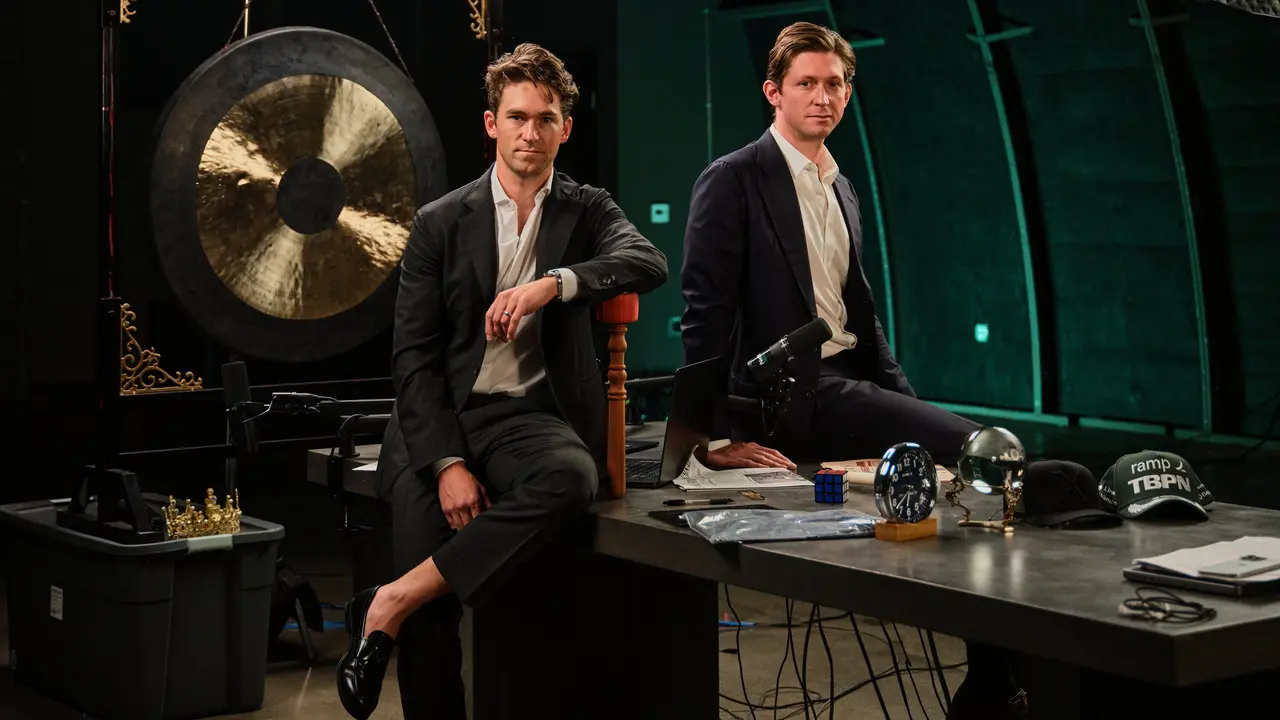
.Hosted by former tech founders John Coogan and Jordi Hays, who style themselves as "technology brothers," TBPN operates as a daily live show streaming for three hours on YouTube and X. The show has earned a reputation as something of a Sports Center for the tech industry, where top executives like Mark Zuckerberg, Satya Nadella, Marc Benioff, and Sam Altman come to discuss breaking news and make announcements
2
.
Source: NYT
TBPN averages about 70,000 viewers per daily episode and was on course to generate around $30 million in revenue this year, largely from advertising, up from $5 million last year
3
.The show broadcasts from the Ultradome, a studio on a Hollywood film lot, covering topics including AI, crypto, startups, and the defense industry
4
. It has cultivated a devoted following among startup founders, investors, and AI researchers, many of whom are active on social media platform X3
.
Source: Silicon Republic
In a memo to staff announcing the deal, Simo explained that the standard communications playbook does not apply to OpenAI. "We're not a typical company," she wrote. "We're driving a really big technological shift. And with the mission of bringing AGI to the world comes a responsibility to help create a space for a real, constructive conversation about the changes AI creates -- with builders and people using the technology at the center"
3
. Simo told staff that TBPN was "one of the places where the conversation about AI and builders is actually happening day to day"1
.The acquisition comes as OpenAI struggles with its public image, which has taken a significant hit in recent months. After the company signed a deal with the Department of Defense in February, Anthropic's Claude surged in downloads and claimed the top spot among Apple's free apps. OpenAI's leaders are also dealing with a growing QuitGPT movement of people who vow to never use OpenAI's products
3
.Related Stories

TBPN will continue to operate from Los Angeles and report to Chris Lehane, OpenAI's VP of global affairs and chief political operative
2
. Lehane, who invented the phrase "vast right-wing conspiracy" as a tool to deflect press scrutiny of the Clinton White House, has been described as a master of "political dark arts." He is also behind the crypto industry super PAC Fairshake, which spent hundreds of millions to defeat anti-crypto candidates in the 2024 election2
.OpenAI insists TBPN will maintain editorial independence despite its new owners being among the most recognizable AI companies in the world and a competitor to several of the talk show's existing advertisers. "TBPN will continue to run their programming, choose their guests, and make their own editorial decisions," Simo stated. "That's foundational to their credibility, and it's something we're explicitly protecting as part of this agreement"
4
. Hays and his team will help with marketing and communications at OpenAI but keep their editorial independence, the company said1
.Sam Altman posted on X that TBPN is his favorite tech show, adding: "I don't expect them to go any easier on us, am sure I'll do my part to help enable that with occasional stupid decisions"
1
.The media acquisition makes OpenAI the latest Silicon Valley player to own and operate a news business, following Jeff Bezos buying The Washington Post, Marc Benioff buying Time Magazine, and Robinhood buying MarketSnacks. In each case, the acquisitions raised immediate questions about whether the outlets would remain truly independent
3
. The acquisition prompted criticism on social media, with journalist David Sirota posting: "Reporters doing accountability journalism are getting mowed down by mass layoffs & are now almost extinct -- while the targets of their accountability reporting are giving hundreds of millions of dollars to pundits"4
.Hays acknowledged the show has been critical of AI companies at times. "After getting to know Sam and the OpenAI team, what stood out most was their openness to feedback and commitment to getting this right," he said. "Moving from commentary to real impact in how this technology is distributed and understood globally is incredibly important to us"
2
. A source close to OpenAI says the company doesn't expect TBPN to contribute financially to the business, though it will help with OpenAI's communications strategy3
.Summarized by
Navi
[3]
[5]
1
Technology

2
Science and Research

3
Technology