OpenAI explores major fusion energy deal as Sam Altman exits Helion Energy's board


5 Sources
5 Sources
[1]
OpenAI CEO Sam Altman exits Helion Energy's board as firms explore partnership
March 23 (Reuters) - OpenAI Chief Executive Sam Altman said on Monday he has stepped down from the board of directors of Helion Energy, the fusion startup he has backed since 2015, as the companies start to explore working together "at significant scale". Altman, who is also on the OpenAI board, said the dual roles had become untenable as the ChatGPT maker eyes future partnerships with Helion. In a post on social media platform X, Altman added that he will have a financial interest in Helion and will recuse himself from any deal negotiations. "Sam has played an integral role in Helion's development... I look forward to working with (Altman) in this new capacity," Helion CEO David Kirtley said in an X post separately. OpenAI is also in advanced talks to buy electricity from Helion Energy, Axios reported on Monday, citing a person familiar with the situation. Under the terms being discussed, OpenAI could secure a guaranteed portion of Helion's production, initially 12.5%, with talks centering on OpenAI receiving the equivalent of 5 gigawatts by 2030, scaling to 50 gigawatts by 2035, the report added. OpenAI did not immediately respond to Reuters request for comment on the Axios report. A spokesperson for Helion said: "beyond the previously announced deals with Microsoft and Nucor, Helion has not made any new customer announcements." A potential deal underscores a broader race among the world's largest technology companies to lock in long-term energy supplies as the explosive growth of artificial intelligence strains power grids. Microsoft (MSFT.O), opens new tab, Google (GOOGL.O), opens new tab, and Amazon (AMZN.O), opens new tab have all struck deals with nuclear and fusion companies that would have seemed far-fetched just a few years ago. Helion was founded in 2013 by Kirtley, along with John Slough, Chris Pihl, and George Votroubek. It has raised over $1 billion in total funding, with a $425 million Series F closed in January 2025 that valued the company at $5.4 billion. Reporting by Kritika Lamba in Bengaluru; Editing by Shailesh Kuber Our Standards: The Thomson Reuters Trust Principles., opens new tab
[2]
Scoop: OpenAI bets on Altman-backed fusion startup
Why it matters: The move shows OpenAI is serious about tapping fusion energy to help meet massive power demands. Driving the news: OpenAI could secure a guaranteed portion of Helion's production, initially 12.5%, per the source. * The talks center on OpenAI receiving the equivalent of 5 gigawatts by 2030, scaling to 50 gigawatts by 2035. Between the lines: OpenAI CEO Sam Altman, who is an investor in Helion, has stepped down as Helion's board chair and is no longer involved in the company's board, the source told Axios. * Altman has also recused himself from the deal discussions, according to the same source. * Altman holds a sizable stake in Helion, though the size has not been disclosed. He led the company's $500 million Series E round in 2021. Helion closed a further $425 million funding round in January 2025. * Helion is also backed by SoftBank, Peter Thiel's Mithril Capital and Facebook co-founder Dustin Moskovitz. How it works: Fusion energy -- which creates energy using the same process as the sun and stars -- could be a key step in giving AI companies an abundant clean energy source to match its needs. * Helion believes it is on the cusp of "scientific breakeven" -- a key step to reaching the point where the company's fusion process can generate more energy than it consumes, the source said. * No private company has yet achieved this milestone. Yes, but: The talks with OpenAI involve the basic framework of an agreement, with many conditions yet to be fulfilled, including the selection of a site for Helion to produce the energy. * An OpenAI representative declined to comment. The big picture: Google has several agreements with Helion rival Commonwealth Fusion Systems, including a deal to buy 200 megawatts worth of power. * Helion also inked a power purchase deal with Microsoft in 2023, calling for it to deliver 50 megawatts to the software giant. What we're watching: Whether Helion can hit scientific breakeven on a timeline that makes those 2030 and 2035 power commitments a reality.
[3]
OpenAI In Talks With Helion Energy To Secure Fusion Power Supply
OpenAI CEO Sam Altman is understood to be holding conversations with Helion Energy as the artificial intelligence company seeks to buy fusion energy. Fusion energy, which mimics the Sun's process of energy creation, offers AI companies like OpenAI a potential source of abundant clean energy. Altman is reportedly in discussions to lock in a fixed share of Helion's output, starting at about 12.5%, sources told Axios. The proposed agreement would give OpenAI access to roughly 5 gigawatts of power by 2030, with plans to scale that up to 50 gigawatts by 2035. Helion aims to achieve "scientific breakeven," where the energy produced surpasses the energy consumed, a milestone no private firm has yet reached, according to Axios. The agreement with OpenAI is still in its early stages, with numerous conditions pending, such as determining a production site for Helion's energy generation. Meanwhile, Helion has already secured a power purchase agreement with Microsoft for 50 megawatts and competes with Commonwealth Fusion Systems, which has deals with Google. Altman, who has invested in Helion, has stepped down from his role as the company's board chair and is not participating in these negotiations, sources told the publication. Altman, who led Helion's $500 million Series E funding round in 2021, owns a significant, though undisclosed, stake in the company. In January 2025, Helion announced a $425 million Series F funding round. Investors included Lightseed Venture Partners, Softbank, Sam Altman, Mithril Capital and Capricorn Investment Group. OpenAI has also presented a 17.5% return for private equity investors as it seeks to establish joint ventures aimed at expanding enterprise AI adoption. Last week it was reported that OpenAI is set to significantly expand its workforce this year. OpenAI has been making significant strides. In February, the company secured $110 billion in a private round, with a pre-money valuation of $730 billion, setting the stage for a potential blockbuster IPO. Photo: Shutterstock This content was partially produced with the help of AI tools and was reviewed and published by Benzinga editors. Market News and Data brought to you by Benzinga APIs To add Benzinga News as your preferred source on Google, click here.
[4]
Sam Altman steps down from Helion Energy board as OpenAI eyes partnership By Investing.com
Investing.com -- Sam Altman has stepped down from the board of directors at Helion Energy, the fusion startup he has supported since 2015, as OpenAI begins exploring collaboration with the company at significant scale. Altman, who serves as chief executive of OpenAI and sits on its board, said Monday that holding both positions had become untenable as the ChatGPT maker considers future partnerships with Helion. In a post on social media platform X, Altman stated he will maintain a financial interest in Helion and will recuse himself from any deal negotiations. Helion CEO David Kirtley said in a separate X post that Altman has played an integral role in Helion's development and expressed his anticipation of working with Altman in this new capacity. OpenAI is in advanced talks to purchase electricity from Helion Energy, according to an Axios report Monday citing a person familiar with the situation. This article was generated with the support of AI and reviewed by an editor. For more information see our T&C.
[5]

OpenAI CEO Sam Altman exits Helion Energy's board as firms explore partnership
March 23 (Reuters) - OpenAI Chief Executive Sam Altman said on Monday he has stepped down from the board of directors of Helion Energy, the fusion startup he has backed since 2015, as the companies start to explore working together "at significant scale". Altman, who is also on the OpenAI board, said the dual roles had become untenable as the ChatGPT maker eyes future partnerships with Helion. In a post on social media platform X, Altman added that he will have a financial interest in Helion and will recuse himself from any deal negotiations. "Sam has played an integral role in Helion's development... I look forward to working with (Altman) in this new capacity," Helion CEO David Kirtley said in an X post separately. OpenAI is also in advanced talks to buy electricity from Helion Energy, Axios reported on Monday, citing a person familiar with the situation. Under the terms being discussed, OpenAI could secure a guaranteed portion of Helion's production, initially 12.5%, with talks centering on OpenAI receiving the equivalent of 5 gigawatts by 2030, scaling to 50 gigawatts by 2035, the report added. OpenAI did not immediately respond to Reuters request for comment on the Axios report. A spokesperson for Helion said: "beyond the previously announced deals with Microsoft and Nucor, Helion has not made any new customer announcements." A potential deal underscores a broader race among the world's largest technology companies to lock in long-term energy supplies as the explosive growth of artificial intelligence strains power grids. Microsoft, Google, and Amazon have all struck deals with nuclear and fusion companies that would have seemed far-fetched just a few years ago. Helion was founded in 2013 by Kirtley, along with John Slough, Chris Pihl, and George Votroubek. It has raised over $1 billion in total funding, with a $425 million Series F closed in January 2025 that valued the company at $5.4 billion. (Reporting by Kritika Lamba in Bengaluru; Editing by Shailesh Kuber)
Share
Share
Copy Link
OpenAI CEO Sam Altman has stepped down from Helion Energy's board of directors as the AI company enters advanced talks to purchase electricity from the Altman-backed fusion startup. The proposed deal could secure 12.5% of Helion's production, targeting 5 gigawatts by 2030 and scaling to 50 gigawatts by 2035, highlighting the race among tech giants to lock in long-term energy supplies for AI operations.
OpenAI CEO Sam Altman Exits Helion Energy's Board Amid Partnership Talks
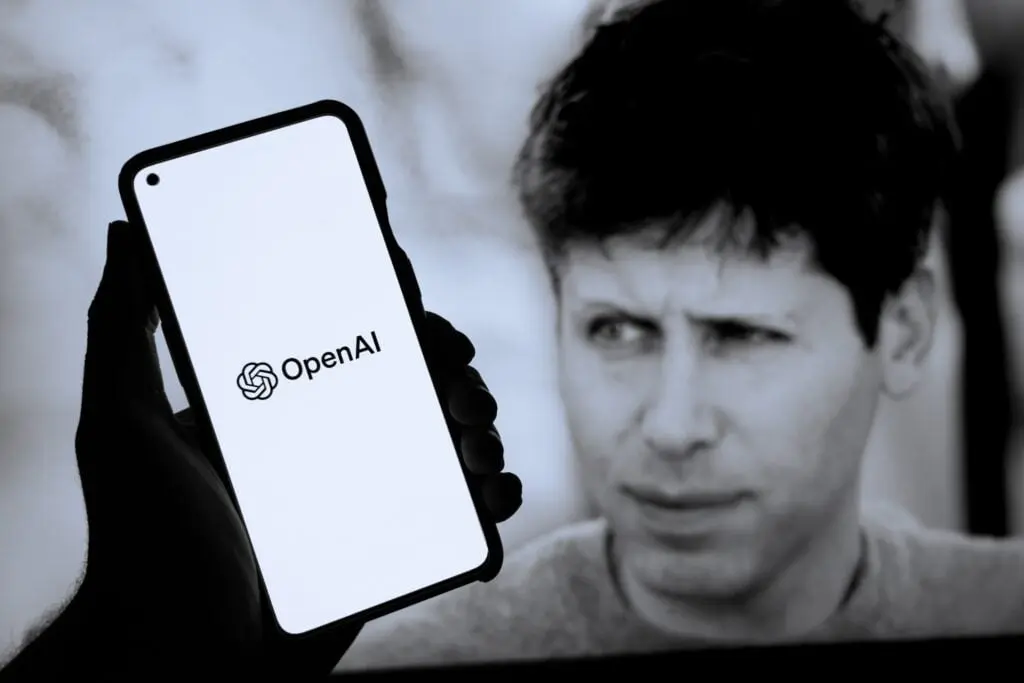
OpenAI CEO Sam Altman announced Monday that he has stepped down from the board of directors at Helion Energy, the fusion startup he has supported since 2015, as both companies begin exploring collaboration "at significant scale"
1
. Altman stated that holding dual roles had become untenable as the ChatGPT maker considers future partnerships with the Altman-backed fusion startup. Despite stepping down, Altman will maintain a financial interest in Helion Energy and has recused himself from any deal negotiations to avoid conflicts of interest2
.
Source: Benzinga
Helion CEO David Kirtley acknowledged Altman's integral role in the company's development and expressed anticipation about working with him in this new capacity
1
. Altman led Helion's $500 million Series E funding round in 2021 and holds a sizable, though undisclosed, stake in the company2
.Advanced Talks to Purchase Electricity for AI Operations
OpenAI is in advanced talks to buy electricity from Helion Energy, according to reports citing sources familiar with the situation
1
. Under the terms being discussed, OpenAI could secure a guaranteed portion of Helion's production, initially 12.5%, with discussions centering on OpenAI receiving the equivalent of 5 gigawatts by 2030, scaling to 50 gigawatts by 20352
. This significant partnership would position OpenAI to power AI operations with fusion energy, which mimics the sun's process of creating energy and offers a potential source of abundant clean energy3
.
Source: Axios
The proposed agreement remains in early stages, with numerous conditions pending, including the selection of a site for Helion to produce the energy
2
. A Helion spokesperson stated that beyond previously announced deals with Microsoft and Nucor, the company has not made any new customer announcements1
.Race to Secure Long-Term Energy Supplies for AI
This potential deal underscores a broader race among the world's largest technology companies to lock in long-term energy supplies as the explosive growth of artificial intelligence strains power grids
1
. The power demands of artificial intelligence have pushed tech giants toward nuclear and fusion energy solutions that would have seemed far-fetched just a few years ago. Microsoft, Google, and Amazon have all struck deals with nuclear and fusion companies5
.Google has secured several agreements with Helion rival Commonwealth Fusion Systems, including a deal to purchase 200 megawatts worth of power
2
. Helion also inked a power purchase deal with Microsoft in 2023, calling for it to deliver 50 megawatts to the software giant2
.Related Stories
Helion's Path to Scientific Breakeven
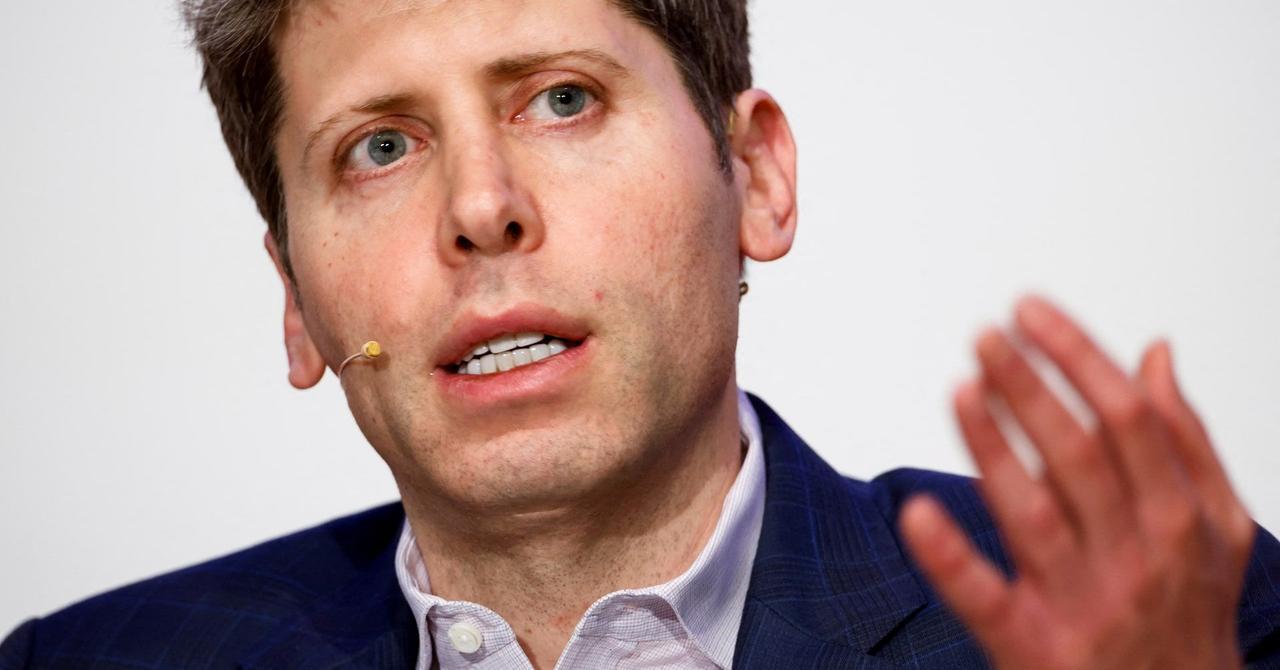
Helion believes it is on the cusp of achieving scientific breakeven, a key milestone where the company's fusion process can generate more energy than it consumes
2
. No private company has yet achieved this critical threshold3
. Whether Helion can hit scientific breakeven on a timeline that makes those 2030 and 2035 power commitments a reality remains the key question observers are watching2
.Founded in 2013 by David Kirtley, John Slough, Chris Pihl, and George Votroubek, Helion has raised over $1 billion in total funding
1
. The company closed a $425 million Series F round in January 2025 that valued it at $5.4 billion5
. Investors in that round included Lightseed Venture Partners, SoftBank, Sam Altman, Mithril Capital, and Capricorn Investment Group3
.References
Summarized by

Navi
[4]
Related Stories
Sam Altman Steps Down as Oklo Chair, Paving Way for AI-Nuclear Power Partnerships
23 Apr 2025•Business and Economy
OpenAI faces mounting investor concerns as $9B cash burn outpaces revenue growth
19 Jan 2026•Business and Economy

OpenAI's Sam Altman Claims AGI Breakthrough, Reflects on Company Turmoil
06 Jan 2025•Technology

Recent Highlights
1
Tennessee Teens Sue Elon Musk's xAI Over Grok AI-Generated Child Abuse Images
Policy and Regulation

2
Supermicro Co-Founder Indicted in $2.5 Billion Nvidia AI Chip Smuggling Scheme to China
Policy and Regulation
3
Val Kilmer to appear posthumously in As Deep as the Grave through AI-generated performance
Entertainment and Society

Recent Highlights
Today's Top Stories








Your Daily Dose of Curated AI News
Don’t drown in AI news. We cut through the noise - filtering, ranking and summarizing the most important AI news, breakthroughs and research daily. Spend less time searching for the latest in AI and get straight to action.

