OpenAI launches GPT Image 1.5 as AI image generator war with Google intensifies


17 Sources
17 Sources
[1]
OpenAI's new ChatGPT image generator makes faking photos easy
For most of photography's roughly 200-year history, altering a photo convincingly required either a darkroom, some Photoshop expertise, or, at minimum, a steady hand with scissors and glue. On Tuesday, OpenAI released a tool that reduces the process to typing a sentence. It's not the first company to do so. While OpenAI had a conversational image-editing model in the works since GPT-4o in 2024, Google beat OpenAI to market in March with a public prototype, then refined it to a popular model called Nano Banana image model (and Nano Banana Pro). The enthusiastic response to Google's image-editing model in the AI community got OpenAI's attention. OpenAI's new GPT Image 1.5 is an AI image synthesis model that reportedly generates images up to four times faster than its predecessor and costs about 20 percent less through the API. The model rolled out to all ChatGPT users on Tuesday and represents another step toward making photorealistic image manipulation a casual process that requires no particular visual skills. GPT Image 1.5 is notable because it's a "native multimodal" image model, meaning image generation happens inside the same neural network that processes language prompts. (In contrast, DALL-E 3, an earlier OpenAI image generator previously built into ChatGPT, used a different technique called diffusion to generate images.) This newer type of model, which we covered in more detail in March, treats images and text as the same kind of thing: chunks of data called "tokens" to be predicted, patterns to be completed. If you upload a photo of your dad and type "put him in a tuxedo at a wedding," the model processes your words and the image pixels in a unified space, then outputs new pixels the same way it would output the next word in a sentence. Using this technique, GPT Image 1.5 can more easily alter visual reality than earlier AI image models, changing someone's pose or position, or rendering a scene from a slightly different angle, with varying degrees of success. It can also remove objects, change visual styles, adjust clothing, and refine specific areas while preserving facial likeness across successive edits. You can converse with the AI model about a photograph, refining and revising, the same way you might workshop a draft of an email in ChatGPT. Fidji Simo, OpenAI's CEO of applications, wrote in a blog post that ChatGPT's chat interface was never designed for visual work. "Creating and editing images is a different kind of task and deserves a space built for visuals," Simo wrote. To that end, OpenAI introduced a dedicated image creation space in ChatGPT's sidebar with preset filters and trending prompts. The release's timing seems like a direct response to Google's technical gains in AI, including a massive growth in chatbot user base. In particular, Google's Nano Banana image model (and Nano Banana Pro) became popular on social media after its August release, thanks to its ability to render text relatively clearly and preserve faces consistently across edits. OpenAI's previous token-based image synthesis model could make some targeted edits based on conversational prompts, but it often changed facial details and other elements that users might have wanted to keep. GPT Image 1.5 appears designed to match the editing features that Google already shipped. But if you happen to prefer the older ChatGPT image generator, OpenAI says the previous version will remain available as a custom GPT (for now) for users who prefer it. The friction keeps dropping GPT Image 1.5 is not perfect. In our brief testing, it didn't always follow prompting directions very well. But when it does work, the results seem more convincing and detailed than OpenAI's previous multimodal image model. For a more detailed comparison, a software consultant named Shaun Pedicini has put together an instructive site ("GenAI Image Editing Showdown") that conducts A/B testing of various AI image models. And while we've written about this a lot over the past few years, it's probably worth repeating that barriers to realistic photo editing and manipulation keep dropping. This kind of seamless, realistic, effortless AI image manipulation may prompt (pun intended) a cultural recalibration of what visual images mean to society. It can also feel a little scary, for someone who grew up in an earlier media era, to see yourself put into situations that didn't really happen. For most of photography's history, a convincing forgery required skill, time, and resources. Those barriers made fakery rare enough that we could treat many photographs as a reasonable proxy for truth, although they could be manipulated (and often were). That era has ended due to AI, but GPT Image 1.5 seems to remove yet more of the remaining friction. The capability to preserve facial likeness across edits has obvious utility for legitimate photo editing and equally obvious potential for misuse. Image generators have already been used to create non-consensual intimate imagery and impersonate real people. With those hazards in mind, OpenAI's image generators have always included a filter that usually blocks sexual or violent outputs. But it's still possible to create embarrassing images of people without their consent (even though it violates OpenAI's terms of service) while avoiding those topics. The company says generated images include C2PA metadata identifying them as AI-created, though that data can be stripped by resaving the file. Speaking of fakes, text rendering has been a long-standing weakness in image generators that has slowly gotten better. By prompting some older image synthesis models to create a sign or poster with specific words, the results often come back garbled or misspelled. OpenAI says GPT Image 1.5 can handle denser and smaller text. The company's blog post includes a demonstration where the model generated an image of a newspaper with a multi-paragraph article, complete with headlines, a byline, benchmark tables, and body text that remains legible at the paragraph level. Whether this holds up across varied prompts will require broader testing. While the newspaper in the example looks fake now, it's another step toward the potential erosion of the public's perception of the pre-Internet historical record as image synthesis becomes more realistic. OpenAI acknowledged in its blog post that the new model still has problems, including limited support for certain drawing styles and mistakes when generating images that require scientific accuracy. But they think it will get better over time. "We believe we're still at the beginning of what image generation can enable," the company wrote. And if the past three years of progress in image synthesis are any indication, they may be correct.
[2]
OpenAI continues on its 'code red' warpath with new image generation model | TechCrunch
OpenAI is rolling out a new version of ChatGPT Images that promises better instruction-following, more precise editing, and up to 4x faster image generation speeds. The new model, dubbed GPT-Image-1.5, is available starting Tuesday to all ChatGPT users and via the API. It's the latest escalation in the competition with Google's Gemini after OpenAI CEO Sam Altman last month declared a "code red" in a leaked internal memo. The memo detailed OpenAI's plans to regain its position as the AI leader after Google had begun to take market share following the release of Gemini 3, its latest flagship model, and Nano Banana Pro, the newest version of Google's viral image generator - both of which have topped the LMArena leaderboard across multiple benchmarks. Google maintains its lead even after OpenAI responded to its success last week with the launch of GPT-5.2, pitching it as its most advanced model yet for developers and everyday professional use. OpenAI had reportedly been planning to release a new image generator in early January, accelerating those plans with this week's announcement. Its last image model release was GPT-Image-1 in April. GPT-Image-1.5 arrives as image and video generators advance beyond prototypes and gain more production-ready capabilities. Like Nano Banana Pro, ChatGPT Images offers post-production features, providing more granular edit controls to maintain visual consistency, like facial likeness, lighting, composition, and color tone across edits. Most GenAI image tools are bad at iteration, so this would be a huge step up. Asked for a specific change, like 'adjust the facial expression' or 'make lighting colder,' models will often reinterpret the entire image, leading to a lack of consistency. The update isn't just about new features. ChatGPT Images will also now be accessible via a dedicated entry point in the ChatGPT sidebar that works "more like a creative studio," Fidji Simo, OpenAI's CEO of applications, wrote in a blog post Tuesday. "The new image viewing and editing screens make it easier to create images that match your vision or get inspiration from trending prompts and preset filters," Simo wrote. On top of the new image generator, OpenAI is introducing new ways to improve the ChatGPT experience with more visual elements. The plan is to make search queries display more visuals with clear sources, which could be helpful for tasks like converting measurements or checking sports scores, per Simo. "When you're creating, you should be able to see and shape the thing you're making. When visuals tell a story better than words alone, ChatGPT should include them," Simo wrote. "When you need a quick answer or the next step lives in another tool, it should be right there. As we do this, we can keep closing the distance between what's in your mind and your ability to bring it to life."
[3]
OpenAI Strikes Back at Google's Nano Banana With ChatGPT Images
2025 has seen some rapid advances in AI image generation models, with Google's nano banana pro going viral last month. But OpenAI is hoping to have the last word: On Tuesday the company announced the newest version of ChatGPT Images, an AI image model with improvements that should help it follow instructions and create more detailed images. You can take advantage of the new model beginning today. It's available to all ChatGPT users globally and available in the API as GPT-Image-1.5. You can use the model in a new dedicated space in ChatGPT for images in the sidebar, with preset styles and trending designs, built specifically for image creation -- a major upgrade from simply talking with ChatGPT to generate images. "Many people's first experience with ChatGPT involves turning a text prompt into a picture. It's a magical way to see what this technology can do, but the chat interface wasn't originally designed for this," Fidji Simo, CEO of applications at OpenAI, wrote in a blog post. "Creating and editing images is a different kind of task and deserves a space built for visuals." (Disclosure: Ziff Davis, CNET's parent company, in April filed a lawsuit against OpenAI, alleging it infringed Ziff Davis copyrights in training and operating its AI systems.) OpenAI says that the new model is four times faster than the previous one and better able to follow instructions and handle precise editing. You'll be able to use those editing tools to add in specific objects, change styles of objects, try on specific pieces of clothing and remove elements. OpenAI says the new 1.5 model is also better at generating legible text in AI images. This is a notoriously tricky task for generative media models, with even the first generation of OpenAI's model falling flat on similar promises. Test images made with 1.5 seem to highlight improvements but we'll have to wait to see how our hands-on testing goes. Don't miss any of our unbiased tech content and lab-based reviews. Add CNET as a preferred Google source on Chrome. All of those updates would be massive upgrades compared to the original model. When I reviewed the first model, it was noticeably slower than competitors and lacked essential editing tools to refine your images. The improvements in the 1.5 model strive to fix those annoyances. This updated model comes a week after Disney and OpenAI struck an agreement to bring more than 200 of Disney's iconic characters to ChatGPT images and Sora AI videos. You won't yet be able to use the new model to make Disney characters -- that's set to come in early 2026 -- but it will surely make it easier to create those recognizable superheroes and villains. OpenAI's timing with this new model likely isn't to help you make your holiday cards with AI. Google recently dropped nano banana pro, the updated version of its viral AI image tool that came with the new Gemini 3. Nano banana pro's ability to make hyper-realistic images, with legible text, based on Gemini's world knowledge, marked a massive leap forward in generative media. It also renewed fears that it's harder than ever to identify AI-generated content. OpenAI issued an internal code red after Google dropped Gemini 3, highlighting the company's desire to compete with the cutting-edge AI prowess Google displayed. Last week's release of OpenAI's GPT-5.2 was another effort to close the gap between itself and Google. The first generation of OpenAI's image model prompted a trend of AI users making "Studio Ghibli" versions of themselves with ChatGPT. It also reignited the debate about the ethics and legality of using AI creative tools like AI image generators, particularly with Hayao Miyazaki, co-founder of Studio Ghibli, having said that AI tools are "an insult to life itself." Since March, we've seen a number of creators -- authors, writers and actors -- speak out about the danger of letting AI tools use human-created artistic works and human likenesses to create AI content. OpenAI's popular video generator Sora inflamed those debates this fall.
[4]
OpenAI's new flagship image generator AI is here
OpenAI is overhauling its image generator with a new model and redesigned interface. On Tuesday, the company announced its "new flagship image generation model," GPT Image 1.5, which it said has a better ability to follow instructions, edit photos in specific ways, and generate results up to four times more quickly. It's available today to all users. The new model will be able to better "match your intent," the company wrote in a blog post, particularly when modifying an existing photo. The changes include "more useful photo edits, more believable clothing and hairstyle try-ons, alongside stylistic filters and conceptual transformations that retain the essence of the original image." A new dedicated Images tab in the ChatGPT sidebar will include preset filters and trending prompts and ideas, per the company. OpenAI is positioning the new model and features as especially useful tools for enterprise, as part of its push to turn a profit under pressure from investors. And the image generation competition is heating up among AI labs, particularly after the viral success of Google's Nano Banana. It's "a shift from novelty image generation to practical, high-fidelity visual creation," the company said in a release, "turning ChatGPT into a fast, flexible creative studio for everyday edits, expressive transformations, and real-world use." A section of the blog post also focused on how the image generation tools could be useful for work and product images. OpenAI's CEO of Applications, Fidji Simo, wrote in a Substack post that the new model and image features work "more like a creative studio."
[5]
OpenAI Just Dropped a New AI Image Model in ChatGPT to Rival Google's Nano Banana
AI image generation models have been getting more and more advanced all year, and with just two weeks left in 2025, those improvements haven't stopped. OpenAI on Tuesday dropped the newest version of its AI image model, named GPT-Image Model 1.5, with the company saying it's upgraded to better follow your instructions and create more detailed images. You can take advantage of the new model beginning today. It's available to all ChatGPT users globally and available in the API as GPT-Image-1.5. You can use the model in a new dedicated space in ChatGPT for images in the sidebar, with preset styles and trending designs, built specifically for image creation -- a major upgrade from simply talking with ChatGPT to generate images. "Many people's first experience with ChatGPT involves turning a text prompt into a picture. It's a magical way to see what this technology can do, but the chat interface wasn't originally designed for this," Fidji Simo, CEO of applications at OpenAI, wrote in a blog post. "Creating and editing images is a different kind of task and deserves a space built for visuals." (Disclosure: Ziff Davis, CNET's parent company, in April filed a lawsuit against OpenAI, alleging it infringed Ziff Davis copyrights in training and operating its AI systems.) OpenAI says that the new model is four times faster than the previous one and better able to follow instructions and handle precise editing. You'll be able to use those editing tools to add in specific objects, change styles of objects, try on specific pieces of clothing and remove elements. OpenAI says the new 1.5 model is also better at generating legible text in AI images. This is a notoriously tricky task for generative media models, with even the first generation of OpenAI's model falling flat on similar promises. Test images made with 1.5 seem to highlight improvements, but we'll have to wait and see how our hands-on testing goes. All of those updates would be massive upgrades compared to the original model. When I reviewed the first model, it was noticeably slower than competitors and lacked essential editing tools to refine your images. The improvements in the 1.5 model aim to fix those annoyances. This updated model comes a week after Disney and OpenAI struck an agreement to bring over 200 of Disney's iconic characters to ChatGPT images and Sora AI videos. You won't yet be able to use the new model to make Disney characters -- that's set to come in early 2026 -- but it will surely make it easier to create those recognizable superheroes and villains. OpenAI's timing with this new model likely isn't to help you make your holiday cards with AI. Google recently dropped nano banana pro, the updated version of its viral AI image tool that came with the new Gemini 3. Nano banana pro's ability to make hyper-realistic images, with legible text, based on Gemini's world knowledge, marked a massive leap forward in generative media. It also renewed fears that it's harder than ever to identify AI-generated content. OpenAI issued an internal code red after Google dropped Gemini 3, highlighting the company's desire to compete with the cutting-edge AI prowess Google displayed. Last week's release of OpenAI's GPT-5.2 was another effort to close the gap between itself and Google. The first generation of OpenAI's image model prompted a trend of AI users making "Studio Ghibli" versions of themselves with ChatGPT. It also reignited the debate about the ethics and legality of using AI creative tools like AI image generators, particularly with Hayao Miyazaki, co-founder of Studio Ghibli, having said that AI tools are "an insult to life itself." Since March, we've seen a number of creators -- authors, writers and actors -- speak out about the danger of letting AI tools use human-created artistic works and human likenesses to create AI content. OpenAI's popular video generator Sora enflamed those debates this fall.
[6]

OpenAI launches GPT Image 1.5 with faster generation and smarter edits
The accelerated release aims to compete with Google's recent AI advancements while addressing consistency issues in consecutive image adjustments. OpenAI has launched its newest image model GPT Image 1.5, which offers up to 4 times faster image generation, more accurate image editing, and better compliance with user instructions. One of the more noticeable improvements is that the new version should provide more consistent results between consecutive edits. For example, when adjusting lighting, facial expressions, or color tone on a specific image, GPT Image should no longer make drastic unwanted changes -- something many AI image tools have difficulty with. At the same time, ChatGPT also has a new image tab that acts as a creative studio mode, where users can edit images, be inspired by trends, and apply ready-made filters. The new GPT Image 1.5 model is rolling out to all ChatGPT users and API users globally across surfaces. It works across ChatGPT models, so you don't need to select anything in order to use it. TechCrunch reports that GPT Image 1.5 was originally slated for release in January 2026 but has been rushed to take up the fight against Google, who recently strengthened its position in the AI market with Gemini 3 and its virally impressive Nano Banana Pro image model.
[7]

OpenAI just supercharged ChatGPT images -- here's 5 prompts to try now
These upgrades promise more realistic and 4x faster image generation If you thought ChatGPT was already pretty good at generating images, buckle up because ChatGPT Images just got a major upgrade that OpenAI promises to be as useful as it is fast. OpenAI just announced that starting today, the company is rolling out a completely revamped version of its Images tool -- and it's live for all ChatGPT users right now. Whether you're editing real photos or generating visuals from scratch, the new ChatGPT Images promises to deliver much better results -- and up to 4x faster than before. Want to see what the new ChatGPT Images can really do? These prompts are designed to show off its improved accuracy, editing control and creative range -- no prompt engineering degree required. 1. Turn a photo into a stylized portrait Prompt: Turn this photo into a cinematic portrait with soft lighting, shallow depth of field and a warm, moody color grade -- keep the facial features realistic. Because the new model is said to be much better at presevering facial structure this prompt is the key to applying artistic styles while avoiding the uncanny valley effect. 2. Edit an image without ruining the original Prompt: Remove the background and replace it with a minimal studio backdrop -- keep the lighting, shadows and subject exactly the same. This shows how well ChatGPT now understands selective edits, instead of re-generating the entire image from scratch. This is a huge upgrade that we've all been waiting for: text inside images has improved dramatically, making this useful for social posts, slides and quick marketing visuals. 4. Generate concept art from an idea Prompt: Create concept art for a cozy suburban home at dusk with warm lights, autumn trees and a slightly whimsical tone. This type of prompt highlights how well the model handles atmosphere, lighting and mood. 5. Try a fun style remix Prompt: Reimagine this image as a Pixar-style animated scene -- keep the composition the same but soften the colors and add playful detail. Users should notice that style transfers feel more intentional now, without losing the structure or emotion of the original image. ChatGPT image generation has been sub-par in comparison to major players like Gemini 3.0 and Grok 4.1, but this new update might change the game. Give these prompts a try or look to the sidebar for inspiration and see for yourself what is possible. If you've been meaning to try AI image generation, there's never been a better time to dive in.
[8]

ChatGPT Adds Realism to Its Powerful Image Generator
ChatGPT has announced a new AI image generator, which can not only create pictures from scratch but can also make precise edits to photos. Called ChatGPT Images, the model delivers images up to four times faster and there's also a new Images feature, "designed to make image generation delightful -- to spark inspiration and make creative exploration effortless." OpenAI, the company that makes ChatGPT, is trumpeting the photo editing powers of the new model. "When you ask for edits to an uploaded image, the model adheres to your intent more reliably -- down to the small details -- changing only what you ask for while keeping elements like lighting, composition, and people's appearance consistent across inputs, outputs, and subsequent edits," OpenAI says in a blog post. Whether this model or a similar one could pose a threat to established photo editing apps like Adobe Photoshop remains to be seen. Google has also been pushing similar AI editing tools. OpenAI also highlights the model's ability to try on different clothing, try different hairstyles, and conceptual transformations. "Together, these improvements mean ChatGPT can act as a creative studio in your pocket, capable of both practical edits and expressive reimaginings," it adds. In one example, ChatGPT Images is asked to create a skateboarding photo taken on a 35mm Leica M with a Kodak Portra 400 color palette in L.A. in the 1990s. It then asks for a series of edits, including changing the skateboarder's t-shirt, adding a blimp flying in the sky, and then eventually the final image as a t-shirt that's being worn by the skateboarder. According to TechCrunch, last month a leaked memo by OpenAI CEO Sam Altman declared a "code red" in relation to the escalation in competition the company is facing from Google's Gemini AI model. Google Nano Banana has shocked many with its remarkable realism, making AI images virtually indistinguishable from real photos. It's done this by imitating some of the flaws associated with smartphone photography. ChatGPT Images is rolling out this week to all users and is available in the API as GPT Image 1.5.
[9]

OpenAI just launched a Nano Banana competitor: ChatGPT Images
ChatGPT Images doesn't roll off the tongue like Nano Banana, but OpenAI finally has an answer for Google's uber-popular AI image editor. The company's "new flagship image generation model" is available now in ChatGPT Images and in the API under the model name GPT Image 1.5. OpenAI has been on a tear recently, in fact. The company, which was rumored to be in a "code red" state following the launch of Google Gemini 3, launched GPT-5.2 last week. Today, OpenAI continues its counterattack against Google's newfound momentum in the AI space with a rather large update to ChatGPT Images, promising to generate better images, edit images more effectively, and do so more quickly. "Whether you're creating something from scratch or editing a photo, you'll get the output you're picturing," OpenAI says in its announcement post. "It makes precise edits while keeping details intact, and generates images up to 4x faster." In addition to the update, which does not appear to have a catchy name like Google's Nano Banana, OpenAI also launched a new Images tab within the ChatGPT app and browser. In addition to being a dedicated space to create images, the new ChatGPT Images also acts as a sort of discovery and brainstorming feed to give you ideas of what to create. OpenAI says that the new feature is "designed to make image generation delightful -- to spark inspiration and make creative exploration effortless." For general performance, the latest update seems like a refinement rather than something totally new. OpenAI says the new ChatGPT Image model will be more reliable, adhere better to user intent, and keep details more consistent across multiple outputs. That last bit has been a bit of a meme in the AI user community, and many have tried the 100x ChatGPT image trend to see what they come up with. OpenAI's announcement post includes the full list of updates with GPT Image 1.5, plus some impressive examples of the new image model at work. Nano Banana is the nickname for Gemini 2.5 Flash Image, Google's AI image generator. The tool has proven remarkably capable as a fast and easy-to-use AI image editor, and as its popularity has grown, Google has integrated it into Gemini, Google Photos, Search, and Messages. So, how does the new ChatGPT Images compare? It took all of about 10 minutes, but GPT-Image-1.5 immediately took first place on LMArena's Text-to-Image leaderboard, bumping Nano Banana Pro to second place. However, real-world examples so far have been a little mixed. I asked both Nano Banana and the new ChatGPT Images to edit the same photo, and received very similar results. Using the same prompt and image, I asked both models to edit a photo of my car from nighttime to daytime. While both models earn a passing grade, Google's version looks better to my eye. Per OpenAI, the update is rolling out as we speak to all users, so it should be available to try immediately. In short, all you need to do is head to ChatGPT and look for the new Images tab. You can find the tool at chatgpt.com/images. As per usual, free users will have very limited access. The new image model is also available in the OpenAI API, and you can check the pricing on the OpenAI website. So, developers and people with their own AI tools can start using it right away.
[10]

ChatGPT has a new image update to rival Google's Nano Banana
Why it matters: Users have been marveling at the image advances in Google's Nano Banana, putting the pressure on OpenAI to show real progress to keep up. Driving the news: The new ChatGPT Images is designed for both editing images and generating them. * OpenAI says the tool offers precise edits while keeping details intact, and generates images up to four times faster. * The update will appear in a new ChatGPT sidebar for all users, and in the API as GPT Image 1.5. What they're saying: The original ChatGPT interface wasn't designed for creating images, Fidji Simo, OpenAI's CEO of applications, said in a blog post Tuesday. * "The new image viewing and editing screens make it easier to create images that match your vision or get inspiration from trending prompts and preset filters," Simo says. * "The model adheres to your intent more reliably -- down to the small details -- changing only what you ask for while keeping elements like lighting, composition, and people's appearance consistent across inputs, outputs, and subsequent edits," OpenAI said in a separate blog post. State of play: The advanced image generation and editing model behind Nano Banana launched in late November 2025 and has the industry buzzing about studio-quality outputs, precise text rendering, multi-image blending, and natural-language edits. * Nano Banana has been integrated into Adobe Firefly and Photoshop since its release. * But ChatGPT Images' integration into ChatGPT (still the most popular chatbot in the world), could pose another big threat to Adobe, the once undisputed king of photo editing. OpenAI teased the release of ChatGPT Images in a post on X with a yearbook-style image of CEO Sam Altman, presumably created with the new tool, and the words "Most likely to launch a new image model." What we're watching: The AI race appears to be narrowing into a binary competition between OpenAI and Google, with the fronts they compete on widening.
[11]

OpenAI's GPT Image 1.5 challenges Google at enterprise-grade visuals
OpenAI made its image generation offerings more precise and consistent in its latest update to ChatGPT Images, as more enterprises and brands use AI image generation to help with design visualization. The updates will roll out to all ChatGPT users and the API as GPT Image 1.5. The company said it's powered by GPT 5.2, which many early users found to be a powerful update for business use cases. "Many people's first experience with ChatGPT involves turning a text prompt into a picture," said Fidji Simo, OpenAI CEO of Applications, in a Substack post. "It's a magical way to see what this technology can do, but the chat interface wasn't originally designed for this. Creating and editing images is a different kind of task and deserves a space built for visuals." One of the biggest updates to ChatGPT Images is more targeted editing, even when the image is generated on the chat platform rather than through the API. Image generation models such as ChatGPT Images, Google's Nano Banana, and Stable Diffusion tout prompt-based tweaks to AI-made pictures, where the user can pinpoint specific parts of the photo to change. But those features can sometimes be hit-and-miss. With the update, OpenAI said the model better adheres to what the user wants "while keeping elements like lighting, composition, and people's appearances consistent across inputs, outputs and subsequent edits." Users can instruct the model to do most types of image editing, such as adding or subtracting an element, combining, blending, and transposing. OpenAI said that this model "follows instructions more reliably" than previous versions. It's also able to render text better and generate actual, readable letters, even when these are denser or smaller. OpenAI updated the model to create better, smaller faces in photos featuring a large group of people. "These transformations work for both simple and more intricate concepts, and are easy to try using preset styles and ideas in the new ChatGPT Images feature -- no written prompt required," according to OpenAI. OpenAI's image model update comes after Google's much-lauded Nano Banana Pro image model, which drew praise from the developer community. The company must compete with other ever-growing, continually improving image-generation models that aim to attract more enterprise users. And it isn't just Google that OpenAI has to contend with. In August, Alibaba announced that Qwen-Image can render readable text in both Chinese and English. Black Forest Labs released Flux.2, which also offers a robust, open-source image model.
[12]

OpenAI releases new image model as it races to outpace Google's Nano Banana amid company Code Red | Fortune
OpenAI released a new flagship image generation model today as it moves to counter recent concerns that it is slipping behind rivals in the race to capture both consumer and business mindshare. The new image generation model allows for more precise image editing and can generate images up to four times faster than OpenAI's previous image creation AI, the company said in a blog post. It said the new model, as well as a new images feature in ChatGPT are designed to make image generation "delightful." According to an OpenAI blog post, the new ChatGPT Images is rolling out to all ChatGPT users and API users globally today. The company said it works across models, so users don't need to select a specific model in the drop-down menu in order to use it. "We believe we're still at the beginning of what image generation can enable," the company said in the blog post. "Today's update is a meaningful step forward with more to come, from finer-grained edits to richer, more detailed outputs across languages." While it may seem like a Christmas present for loyal ChatGPT users, OpenAI staffers have been the busy elves responding to Santa -- er, CEO -- Sam Altman's post-Thanksgiving "Code Red" memo, which was meant to push the company to improve ChatGPT over the next eight weeks amid intense competition from rivals, most notably Google. Google's Gemini model had been gaining steam after its image generation model, Nano Banana, was released in August. Google said monthly active users grew from 450 million in July to 650 million in October. The company's latest version, Nano Banana Pro, went viral after its November 20 release, thanks to the model's newfound ability to handle text in images cleanly (something that had been a thorny problem for years). Users were also wowed by Nano Banana Pro's ability to produce diagrams and infographics that made sense, and the fact that it allowed people to edit their images rather than regenerating them from scratch. Last week, OpenAI released the latest version of its text model, GPT-5.2; since then, industry-watchers have waited to see if the company would release a new image model before the New Year. But will it be good enough to outpace Google? Fidji Simo, OpenAI's CEO of applications, wrote in a Substack post that ChatGPT's chat interface was not originally designed to go beyond text, so the new image model is accompanied by a "dedicated entrypoint" in ChatGPT for images that works more like a "creative studio," available in the sidebar through the mobile app and on the web. "The new image viewing and editing screens make it easier to create images that match your vision or get inspiration from trending prompts and preset filters," she wrote. "On top of that, our new model is faster and better at following detailed instructions so you get more accurate edits and creative transformations." The model can keep key elements like lighting, composition, and likeness consistent between what users input and what the model outputs, "so the results stay much closer to what you imagined," she added. Still, Nano Banana Pro may still have an early mindshare advantage. In a recent interview with Fortune, Allie Miller, an AI advisor and investor, discussed how she recently attended a Shark Tank-type event hosted by Mark Cuban and was struck by what happened when Cuban said the words "Nano Banana." She expected that the mention of Google's whimsically-named AI image generator might cause confusion among the thousands of people in the audience, who Miller described as mostly new to AI. Instead, the crowd nodded in recognition. Like ChatGPT itself, she explained, "there are certain AI tools or models that you just start hearing over and over and over again that gain such a big pop culture moment." Whether OpenAI's elves can make its new ChatGPT Images as irresistible as the most sought-after toys of the season remains to be seen. But the moment -- coming amid the company's Code Red -- underscores a broader reality: While model quality still matters in the AI race, it's increasingly a battle for consumer hearts and minds.
[13]

OpenAI released GPT Image 1.5 with 4x faster generation
OpenAI released GPT Image 1.5, a new version of ChatGPT Images, on Tuesday to all ChatGPT users and via API, offering improved instruction-following, precise editing, and four times faster generation speeds to counter Google's AI advances following CEO Sam Altman's leaked "code red" memo. GPT Image 1.5 builds on the company's prior image model, GPT Image 1, which launched in April. This update arrives as image and video generators transition from prototypes to production-ready tools capable of handling complex, real-world applications. The model introduces post-production features that enable granular control over edits, preserving visual consistency in areas such as facial likeness, lighting, composition, and color tone. These capabilities directly align with those in Google's Nano Banana Pro, the latest iteration of its image generator that has gained widespread attention. The release stems from competitive pressures outlined in Altman's internal memo leaked last month. In it, he declared a "code red" and specified OpenAI's strategies to reclaim leadership in AI after Google captured market share. Google's Gemini 3, its flagship model, and Nano Banana Pro both ascended to the top of the LMArena leaderboard across various benchmarks, surpassing previous frontrunners. OpenAI accelerated its timeline for this image generator, originally slated for early January, to respond more urgently. Google retains its position at the forefront even after OpenAI launched GPT-5.2 last week. OpenAI presented GPT-5.2 as its most advanced model to date, tailored for developers and everyday professionals. Despite this effort, Google's models continue to dominate key performance metrics on platforms like LMArena. Demonstrations of GPT Image 1.5 highlight its enhanced instruction-following. Users can request targeted modifications, such as "adjust the facial expression" or "make lighting colder," and the model applies these changes without reinterpreting or altering the entire image. This precision addresses a common limitation in generative AI image tools, where iterative edits often result in inconsistent outputs that deviate from the original intent. Video: OpenAI Access to the new generator occurs through a dedicated entry point in the ChatGPT sidebar. Fidji Simo, OpenAI's CEO of applications, described this interface in a Tuesday blog post as functioning "more like a creative studio." She stated, "The new image viewing and editing screens make it easier to create images that match your vision or get inspiration from trending prompts and preset filters." OpenAI simultaneously rolled out enhancements to integrate more visual elements into the ChatGPT experience. Search queries now display additional visuals accompanied by clear sources, supporting practical tasks like converting measurements or verifying sports scores. Simo explained the rationale: "When you're creating, you should be able to see and shape the thing you're making. When visuals tell a story better than words alone, ChatGPT should include them." She added, "When you need a quick answer or the next step lives in another tool, it should be right there. As we do this, we can keep closing the distance between what's in your mind and your ability to bring it to life."
[14]

OpenAI's New ChatGPT Images Rolled Out With Nano Banana-Like Features
OpenAI has launched an upgraded version of ChatGPT Images, a major overhaul of the company's visual generation feature. The new tool is powered by a flagship image generation model called GPT Image 1.5, bringing major improvements in instruction-following, editing precision and generation speed. The San Francisco-based artificial intelligence (AI) giant said image creation and iterations are now up to four times faster than before. Interestingly, these improvements make ChatGPT Images comparable to Google's Nano Banana Pro, which was also released recently. ChatGPT Images Features and Capabilities In a post, OpenAI announced and detailed the upgraded ChatGPT Images feature. With this iteration, the company has made the tool more responsive to instructions. Users can describe what they want, and the tool will produce results that match those instructions more closely, whether they are creating visuals from scratch or using other photos. The precision also comes in handy in editing tasks where unwanted changes can now be mitigated. One of the biggest changes with the new ChatGPT Images is speed. OpenAI says the updated model can generate and edit images up to four times faster than before. This can matter a lot when people are iterating on ideas, such as testing variations on a design or refining a photo edit, because less waiting time means a more efficient experience. Under the hood, these capabilities are powered by a new flagship image generation model, which replaces previous bases for image generation. OpenAI says it now follows user intent more reliably, and when making edits, it only changes the requested area and can now keep more abstract elements, such as lighting, composition, and people's appearance, consistent across multiple edits. OpenAI has also added a dedicated Images interface within ChatGPT. This separates image generation from general chat interactions and provides users with a clearer space to explore visual ideas. The space can be accessed from the sidebar in the app and website. Users can find a large number of preset filters that they can tap, upload an image, and make an edit in that style without having to type long and highly detailed prompts. The company says the space also acts as an inspiration zone. ChatGPT Images is now rolling out to all users, including those on the free tier, globally. Additionally, developers can also select the AI model by selecting GPT Image 1.5 in the application programming interface (API). Notably, the older version of the image tool will be available as a custom GPT.
[15]

OpenAI launches faster, smarter ChatGPT Images
OpenAI has launched GPT Image 1.5 for ChatGPT users. This new version brings faster image generation and better editing capabilities. Users can now make detailed changes to images, like altering expressions or styles. The tool also handles complex requests such as multiple faces and text. OpenAI has rolled out a new version of its image generation tool, ChatGPT Images, promising faster speeds, improved instruction-following, and more precise editing. The updated model, GPT Image 1.5, is available from Tuesday to all ChatGPT users and via the API. The tool allows users to make granular edits to uploaded images, such as adjusting facial expressions, changing lighting, or transforming styles -- from photorealistic to watercolour -- without losing important details. It can render dense text, multiple faces in one frame, and maintain composition and colour consistency across iterative edits. "The new image viewing and editing screens make it easier to create images that match your vision or get inspiration from trending prompts and preset filters," wrote Fidji Simo, OpenAI's CEO of applications in a blog post. The update introduces a dedicated Images workspace in the ChatGPT sidebar, functioning like a mobile and web-based creative studio that makes exploring, generating, and editing images faster and more intuitive. OpenAI noted that instruction-following has been improved, enabling more precise original compositions, concept transformations, and stylistic changes while preserving the key elements of the image. The tool also supports creative workflows like adding, subtracting, combining, blending, and transposing image elements with minimal manual effort. The update is part of OpenAI's broader strategy to position ChatGPT as an all-in-one platform, including AI search, voice, image, and video capabilities. GPT Image 1.5 arrives amid growing competition from Google's Gemini 3 and Nano Banana Pro, as well as other AI image tools such as xAI's Grok, reflecting a broader push for production-ready, user-friendly generative AI tools. The new ChatGPT Images 1.5 is available globally for individual users today, with business and enterprise access to follow. OpenAI says this marks a significant step in delivering professional-grade image generation with faster speeds, richer outputs, and enhanced creative flexibility, bringing users closer to turning their visual ideas into reality. (You can now subscribe to our Economic Times WhatsApp channel)
[16]

Image Generation and Editing in ChatGPT Just Got a Big Upgrade
The new image generation model is rolling out to all ChatGPT users, starting today. OpenAI has rolled out Images in ChatGPT which is powered by GPT Image 1.5, its flagship image generation model. It's 4x faster and makes precise edits while keeping the likeness consistent across multiple generations. In addition, it's much better at following instructions. You can either generate images from scratch or upload an image and make targeted edits inside ChatGPT. OpenAI has also replaced the Library section in ChatGPT with a new Images section, which can be accessed from the left sidebar. Here, you can try new styles, find inspiration to create new images, and find your library of generated images. From Dramatic to Plushie, Doodle, holiday portrait, etc., you can find many different styles here. As for image editing, OpenAI says the new AI model follows your intent more closely and keeps people's appearance consistent across multiple edits. In terms of creativity too, the new image model in ChatGPT is very capable. It can generate movie posters, create ads in different styles, dress up characters, and much more. Next, you can generate images with accurate text with the new image model in ChatGPT. It's capable of rendering denser and smaller text as well. You can now reliably use it to create infographics, explainer graphics, and more. After Google launched Nano Banana in Gemini which produces incredible images, OpenAI has now come up with a more advanced model to compete with the latest Nano Banana Pro model. In fact, on Artificial Analysis' leaderboard, OpenAI's GPT Image 1.5 has outranked Google's Nano Banana Pro in both AI image generation and editing. The new ChatGPT image model is rolling out to all users including Free, Go, Plus, Edu and Pro plans, starting today.
[17]

OpenAI launches faster ChatGPT Images with GPT Image 1.5 to rival Gemini Nano Banana: How to use it
OpenAI has also introduced a dedicated space for Images in ChatGPT. OpenAI has supercharged ChatGPT Images with the launch of a new model called GPT Image 1.5, aiming to compete with Google's Gemini Nano Banana AI. The update brings faster image creation, more accurate edits, and better image quality. Also, the company has introduced a dedicated space for Images in ChatGPT, which offers preset filters and prompts. Keep reading for all the details. One of the biggest improvements is more precise image editing. When users upload a photo and ask for changes, ChatGPT is now said to do a better job at following instructions. It can change only what you ask for while keeping important details the same, such as lighting, background, facial features, and composition. The model also supports many types of edits, including adding or removing objects, blending elements together, and rearranging parts of an image. Text in images has also improved, with clearer results even for smaller or denser writing. Also read: Google Pixel 9a price drops by over 8,800 discount on Amazon: Check deal details here OpenAI says the new model produces images that look more natural overall, especially in challenging cases like scenes with many small faces. Images are now said to be generated up to four times faster. Alongside the model upgrade, OpenAI has introduced a new Images space inside ChatGPT. This dedicated area, available on mobile and web, includes ready-made styles, filters, and ideas to help users get started. Also read: Motorola Edge 50 Pro price drops by over Rs 13,900 on Amazon, check deal details How to use ChatGPT Images on mobile * Open the ChatGPT app on your smartphone. * Tap the two lines in the top left corner to open the menu. * Below the New chat, you will see a new option called Images. Tap on that option, and you will be taken to a new interface. * Upload the photo you want to edit and choose any preset style. Or, you can provide your own prompt. How to use ChatGPT Images on web
Share
Share
Copy Link
OpenAI released GPT Image 1.5, a new image generation model that generates images up to four times faster than its predecessor and costs about 20 percent less through the API. The release comes as OpenAI responds to Google's viral Nano Banana Pro model, with CEO Sam Altman having declared a 'code red' after Gemini 3's success. The new model promises better instruction-following and photorealistic image manipulation through a dedicated creative studio interface in ChatGPT.
OpenAI Releases GPT Image 1.5 to Counter Google's Lead
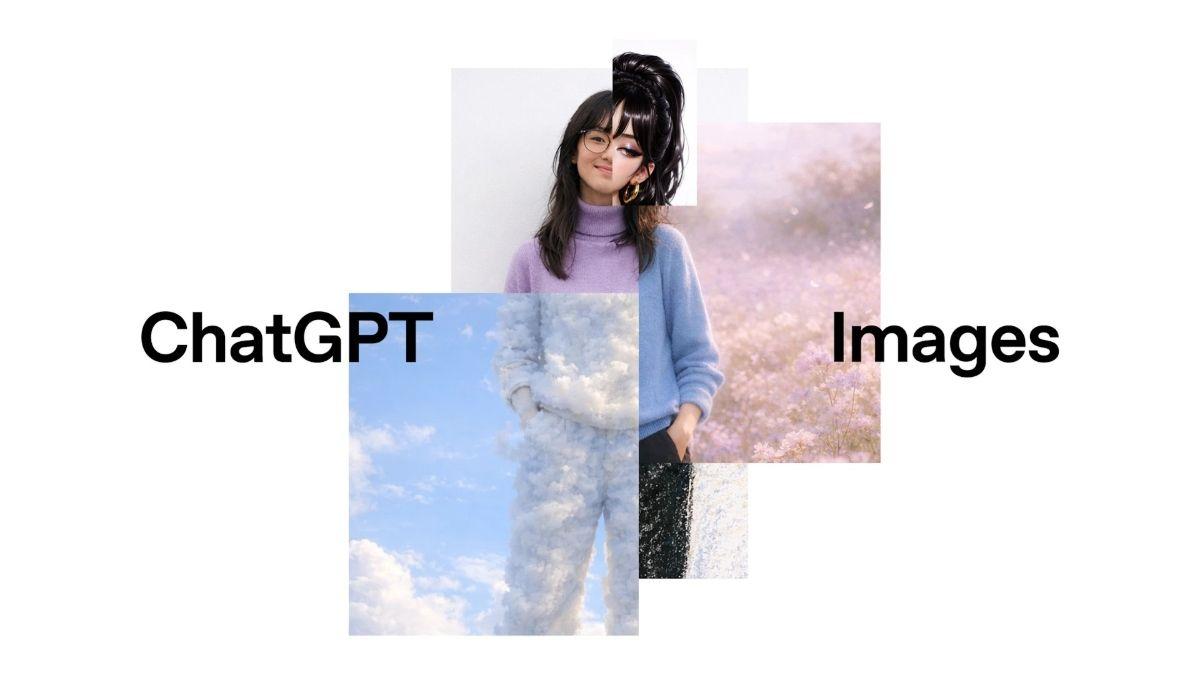
OpenAI rolled out GPT Image 1.5 on Tuesday, marking its latest escalation in the intensifying AI image generation market competition with Google. The new image generation model generates images up to four times faster than its predecessor while costing approximately 20 percent less through the API
1
2
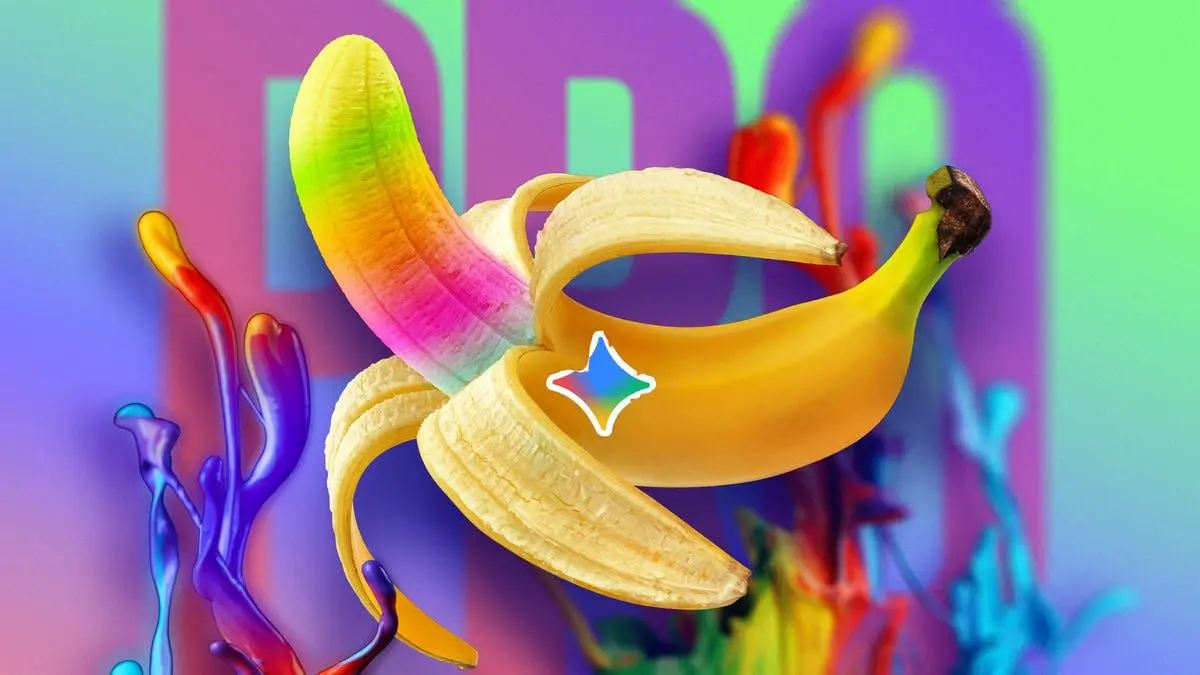
. Available immediately to all ChatGPT users globally and via API, the release represents OpenAI's direct response to Google's Nano Banana Pro, which went viral after its August release and has maintained dominance on the LMArena leaderboard across multiple benchmarks2
3
.
Source: Beebom
The timing reflects OpenAI CEO Sam Altman's internal code red declaration last month, which detailed plans to regain the company's position as AI leader after Google began capturing market share with Gemini 3 and Google's Nano Banana image models
2
5
. OpenAI had reportedly planned to release the update in early January but accelerated the launch following competitive pressure. This marks the company's first image model release since GPT-Image-1 launched in April2
.Native Multimodal Architecture Enables Photorealistic Image Manipulation
GPT Image 1.5 distinguishes itself as a native multimodal AI image generator, meaning image synthesis happens inside the same neural network that processes language prompts
1
. This contrasts with DALL-E 3, OpenAI's earlier image generator previously built into ChatGPT, which used diffusion techniques. The newer architecture treats images and text as identical data types called tokens to be predicted, processing uploaded photos and text prompts in a unified space before outputting new pixels the same way it would generate the next word in a sentence1
.This technical approach enables improved instruction following and more precise photo editing features. Users can now change someone's pose or position, render scenes from different angles, remove objects, adjust clothing, and refine specific areas while preserving facial likeness across successive edits
1
3
. The model also promises better generation of legible text in images, a notoriously difficult task where even the first generation fell short3
5
.
Source: Axios
Creative Studio Interface Transforms ChatGPT Experience
Fidji Simo, OpenAI's CEO of applications, explained that ChatGPT's chat interface was never designed for visual work. "Creating and editing images is a different kind of task and deserves a space built for visuals," Simo wrote
1
3
. OpenAI introduced a dedicated Images tab in the ChatGPT sidebar that functions more like a creative studio interface, featuring preset filters, trending prompts, and specialized viewing and editing screens2
4
.
Source: Gadgets 360
The interface addresses a critical weakness in most GenAI image tools: poor iteration capabilities. When asked for specific changes like adjusting facial expressions or modifying lighting, earlier models would often reinterpret the entire image, leading to inconsistent results
2
. GPT Image 1.5 provides more granular edit controls to maintain visual consistency, including facial likeness, lighting, composition, and color tone across edits2
. Users can now converse with the AI model about photographs, refining and revising iteratively the same way they might workshop an email draft in ChatGPT1
.Related Stories
Enterprise Focus and Disney Partnership Signal Production-Ready Shift
OpenAI positions the new model as especially useful for enterprise users, part of its push to turn a profit under investor pressure
4
. The company describes it as "a shift from novelty image generation to practical, high-fidelity visual creation," turning ChatGPT into a fast, flexible creative studio for everyday edits, expressive transformations, and real-world use4
. Simo emphasized that search queries will display more visuals with clear sources, helpful for tasks like converting measurements or checking sports scores2
.The release comes one week after Disney and OpenAI struck an agreement to bring over 200 Disney characters to ChatGPT images and Sora AI videos, set to launch in early 2026
3
5
. This partnership signals how image and video generators are advancing beyond prototypes toward production-ready capabilities with commercial applications.Societal Implications and Ethical Debates Intensify
The capability to seamlessly manipulate photographs raises significant concerns about misuse potential. For most of photography's roughly 200-year history, altering a photo convincingly required darkroom skills, Photoshop expertise, or at minimum a steady hand with scissors and glue. OpenAI's release reduces the process to typing a sentence
1
. Barriers to realistic photo editing keep dropping, with GPT Image 1.5 removing yet more friction from photorealistic image manipulation1
.This seamless manipulation may prompt a cultural recalibration of what visual images mean to society. For most of photography's history, convincing forgery required skill, time, and resources—barriers that made fakery rare enough that photographs could serve as reasonable proxies for truth
1
. That era has ended due to AI, with Google's Nano Banana Pro already renewing fears that identifying AI-generated content grows harder3
5
.Since March, creators including authors, writers, and actors have spoken out about dangers of AI tools using human-created artistic works and human likenesses to create AI content. OpenAI's video generator Sora inflamed these ethical debates this fall
5
. The first generation of OpenAI's image model sparked trends like "Studio Ghibli" versions of users, reigniting debate about ethics and legality of AI creative tools, particularly given Hayao Miyazaki's statement that AI tools are "an insult to life itself"3
5
.References
Summarized by

Navi
[1]
[2]
[4]
Related Stories
OpenAI's ChatGPT Image Generator Expands to Developers and Major Tech Platforms
24 Apr 2025•Technology

OpenAI's GPT-4o Image Generator: A Leap Forward in AI-Powered Visual Creation
27 Mar 2025•Technology
AI Image Generators: A Comparative Analysis of ChatGPT, Apple's Genmoji, and Canva's Magic Studio
04 Jun 2025•Technology
Recent Highlights


Recent Highlights
Today's Top Stories




Your Daily Dose of Curated AI News
Don’t drown in AI news. We cut through the noise - filtering, ranking and summarizing the most important AI news, breakthroughs and research daily. Spend less time searching for the latest in AI and get straight to action.

