OpenAI pursues NATO contract for AI technology deployment amid employee concerns


8 Sources
8 Sources
[1]
OpenAI looking at contract with NATO, source says
March 3 (Reuters) - OpenAI is considering a contract to deploy its AI technology on North Atlantic Treaty Organization's (NATO) "unclassified" networks, a person familiar with the matter said on Tuesday, days after the ChatGPT-owner struck a deal with the Pentagon. The Wall Street Journal first reported that OpenAI was considering an agreement with NATO. The newspaper said the OpenAI CEO, Sam Altman, had initially said in a company meeting that it was looking to deploy on all NATO classified networks, but a company spokeswoman later clarified to the Journal that Altman misspoke and the contract opportunity was for NATO's "unclassified networks." NATO, a 32-member military alliance, did not immediately respond to a request for comment outside regular business hours. OpenAI, which is backed by Microsoft (MSFT.O), opens new tab, Amazon (AMZN.O), opens new tab and others, announced a deal late last week to deploy its technology in the Pentagon's classified network, after U.S. President Donald Trump directed the government to stop working with rival Anthropic. MASS SURVEILLANCE Anthropic's removal followed a standoff in contract talks with the Pentagon over the use of the firm's technology. Anthropic CEO, Dario Amodei, had stressed the company's opposition to the Pentagon using its AI models for mass domestic surveillance or to power fully autonomous weapons. The Pentagon has said previously it had no interest in using AI to conduct mass surveillance of Americans or using AI to develop weapons that operate without human involvement, but wanted any lawful use of AI to be allowed. In an updated statement on Monday after striking a deal on Friday, OpenAI said its AI systems "shall not be intentionally used for domestic surveillance of U.S. persons and nationals," adding that the Pentagon also affirmed that AI services would not be used by intelligence agencies such as the National Security Agency (NSA). "I think this was an example of a complex, but right decision with extremely difficult brand consequences and very negative PR for us in the short term," Altman said in a company meeting on Tuesday, referring to the Pentagon deal, according to the Wall Street Journal. Reporting by Abu Sultan in Bengaluru; Writing by Shubham Kalia; Editing by Alan Barona and Kate Mayberry Our Standards: The Thomson Reuters Trust Principles., opens new tab * Suggested Topics: * Technology Hyunsu Yim Thomson Reuters Senior Correspondent for Global News Monitoring based in Barcelona. Previously he was based in Seoul covering the Korean Peninsula.
[2]
Altman Reportedly Tells Staff OpenAI Wants Another Classified Contract. This Time with NATO
The AI giant is in the middle of a consumer backlash after it made a deal with the U.S. Department of Defense. Multiple news outlets got a peek at transcripts from an OpenAI all-hands meeting Tuesday in which CEO Sam Altman sought to soothe his apparently agitated employees in the wake of the company’s fatefully timed contract with the Pentagon. Altman mostly comes across as conciliatory. The Wall Street Journal says he called the ordeal “painful†and seemed to regret looking “not united with the field." CNBC’s reporting says Altman “has been vocally criticized†by some of his employees. But a standout passage in the Wall Street Journal’s write-up on the meeting says OpenAI is actually going back for seconds. Altman apparently told his staff that OpenAI is “looking at a contract to deploy on all North Atlantic Treaty Organization classified networks.†To be clear, clearance just to be used on NATO’s classified networks is already an apparently lucrative trophy. Apple proudly announced that it received an approval from NATO just last month, saying iPhones and iPads can now be used for classified NATO purposesâ€"a first for any consumer device, apparently. OpenAI’s freshly inked Pentagon contract does more or less the reverse of this: grants permission for the Department of Defense to use OpenAI’s technology freely, and without OpenAI getting to “make operational decisions,†according to CNBC’s reading of the meeting transcript. The New York Times describes it as a "deal to provide artificial intelligence technologies for the Defense Department’s classified systems."  NATO signaled last year that its members would be increasing their defense budgets drastically, triggering what venture capitalist Dave Harden said at the time would be an “AI gold rush.†OpenAI’s broader monetary contract with the Pentagon was announced back in June of last year when the company announced its OpenAI for Government product. Through the Pentagon’s Chief Digital and Artificial Intelligence Office (CDAO) OpenAI was awarded up to $200 million in projects. Gizmodo reached out to OpenAI for confirmation and clarity about the contract it is seeking with NATO. We will update if we hear back.
[3]
OpenAI May Be Doubling Down on Defense With a Reported NATO Deal
OpenAI is reportedly considering a deal to supply NATO with AI solutions, just days after making a similar deal with the United States Department of War. According to The Wall Street Journal, during an all-hands meeting on Tuesday, Sam Altman told OpenAI staff that the company was "looking at a contract" to deploy its AI systems across NATO's classified networks, although an OpenAI spokesperson later clarified that the deal is for unclassified networks. The purpose of the meeting had been to address employee concerns about OpenAI's surprise deal with the Department of War on Friday, February 27. Earlier in the day, Altman had expressed solidarity with rival Anthropic, which refused to budge on "red lines" in its contract with the Pentagon regarding the use of its AI, Claude, to power autonomous weapons and domestic surveillance. OpenAI's original proposed terms, which were approved by the Pentagon, included language that said OpenAI's technology "will not be used to independently direct autonomous weapons in any case where law, regulation, or Department policy requires human control." A few days later, OpenAI amended the contract with more specific definitions for domestic surveillance activities.
[4]
OpenAI Looking at Contract With NATO, Source Says
March 3 (Reuters) - OpenAI is considering a contract to deploy its AI technology on North Atlantic Treaty Organization's (NATO) "unclassified" networks, a person familiar with the matter said on Tuesday, days after the ChatGPT-owner struck a deal with the Pentagon. The Wall Street Journal first reported that OpenAI was considering an agreement with NATO. The newspaper said the OpenAI CEO, Sam Altman, had initially said in a company meeting that it was looking to deploy on all NATO classified networks, but a company spokeswoman later clarified to the Journal that Altman misspoke and the contract opportunity was for NATO's "unclassified networks." NATO, a 32-member military alliance, did not immediately respond to a request for comment outside regular business hours. OpenAI, which is backed by Microsoft, Amazon and others, announced a deal late last week to deploy its technology in the Pentagon's classified network, after U.S. President Donald Trump directed the government to stop working with rival Anthropic. MASS SURVEILLANCE Anthropic's removal followed a standoff in contract talks with the Pentagon over the use of the firm's technology. Anthropic CEO, Dario Amodei, had stressed the company's opposition to the Pentagon using its AI models for mass domestic surveillance or to power fully autonomous weapons. The Pentagon has said previously it had no interest in using AI to conduct mass surveillance of Americans or using AI to develop weapons that operate without human involvement, but wanted any lawful use of AI to be allowed. In an updated statement on Monday after striking a deal on Friday, OpenAI said its AI systems "shall not be intentionally used for domestic surveillance of U.S. persons and nationals," adding that the Pentagon also affirmed that AI services would not be used by intelligence agencies such as the National Security Agency (NSA). "I think this was an example of a complex, but right decision with extremely difficult brand consequences and very negative PR for us in the short term," Altman said in a company meeting on Tuesday, referring to the Pentagon deal, according to the Wall Street Journal. (Reporting by Abu Sultan in Bengaluru; Writing by Shubham Kalia; Editing by Alan Barona and Kate Mayberry)
[5]

OpenAI looking at contract with NATO, source says
The Wall Street Journal first reported that OpenAI was considering an agreement with NATO. The newspaper said the OpenAI CEO, Sam Altman, had initially said in a company meeting that it was looking to deploy on all NATO classified networks, but a company spokeswoman later clarified to the Journal that Altman misspoke and the contract opportunity was for NATO's "unclassified networks." OpenAI is considering a contract to deploy its AI technology on North Atlantic Treaty Organization's (NATO) "unclassified" networks, a person familiar with the matter said on Tuesday, days after the ChatGPT-owner struck a deal with the Pentagon. The Wall Street Journal first reported that OpenAI was considering an agreement with NATO. The newspaper said the OpenAI CEO, Sam Altman, had initially said in a company meeting that it was looking to deploy on all NATO classified networks, but a company spokeswoman later clarified to the Journal that Altman misspoke and the contract opportunity was for NATO's "unclassified networks." NATO, a 32-member military alliance, did not immediately respond to a request for comment outside regular business hours. OpenAI, which is backed by Microsoft, Amazon and others, announced a deal late last week to deploy its technology in the Pentagon's classified network, after U.S. President Donald Trump directed the government to stop working with rival Anthropic. MASS SURVEILLANCE Anthropic's removal followed a standoff in contract talks with the Pentagon over the use of the firm's technology. Anthropic CEO, Dario Amodei, had stressed the company's opposition to the Pentagon using its AI models for mass domestic surveillance or to power fully autonomous weapons. The Pentagon has said previously it had no interest in using AI to conduct mass surveillance of Americans or using AI to develop weapons that operate without human involvement, but wanted any lawful use of AI to be allowed. In an updated statement on Monday after striking a deal on Friday, OpenAI said its AI systems "shall not be intentionally used for domestic surveillance of U.S. persons and nationals," adding that the Pentagon also affirmed that AI services would not be used by intelligence agencies such as the National Security Agency (NSA). "I think this was an example of a complex, but right decision with extremely difficult brand consequences and very negative PR for us in the short term," Altman said in a company meeting on Tuesday, referring to the Pentagon deal, according to the Wall Street Journal.
[6]

OpenAI looking at contract with NATO, source says
Image credit: Getty Images OpenAI is considering a contract to deploy its AI technology on North Atlantic Treaty Organization's (NATO) "unclassified" networks, a person familiar with the matter said on Tuesday, days after the ChatGPT-owner struck a deal with the Pentagon. The Wall Street Journal first reported that OpenAI was considering an agreement with NATO. Read more-OpenAI clinches $840bn valuation with new funding from Amazon, Nvidia, SoftBank The newspaper said the OpenAI CEO, Sam Altman, had initially said in a company meeting that it was looking to deploy on all NATO classified networks, but a company spokeswoman later clarified to the Journal that Altman misspoke and the contract opportunity was for NATO's "unclassified networks." NATO, a 32-member military alliance, did not immediately respond to a request for comment outside regular business hours. OpenAI, which is backed by Microsoft, Amazon and others, announced a deal late last week to deploy its technology in the Pentagon's classified network, after US President Donald Trump directed the government to stop working with rival Anthropic. Mass surveillance Anthropic's removal followed a standoff in contract talks with the Pentagon over the use of the firm's technology. Anthropic CEO, Dario Amodei, had stressed the company's opposition to the Pentagon using its AI models for mass domestic surveillance or to power fully autonomous weapons. The Pentagon has said previously it had no interest in using AI to conduct mass surveillance of Americans or using AI to develop weapons that operate without human involvement, but wanted any lawful use of AI to be allowed. In an updated statement on Monday after striking a deal on Friday, OpenAI said its AI systems "shall not be intentionally used for domestic surveillance of US persons and nationals," adding that the Pentagon also affirmed that AI services would not be used by intelligence agencies such as the National Security Agency (NSA). "I think this was an example of a complex, but right decision with extremely difficult brand consequences and very negative PR for us in the short term," Altman said in a company meeting on Tuesday, referring to the Pentagon deal, according to the Wall Street Journal.
[7]

OpenAI considering new contract with NATO after Pentagon deal- reports By Investing.com
Investing.com-- OpenAI is looking at a new contract with the North Atlantic Treaty Organization, several media reports showed on Tuesday, after the ChatGPT maker announced a deal with the U.S. Defense Department. The Wall Street Journal first reported comments from OpenAI CEO Sam Altman that the artificial intelligence startup was looking at a contract to deploy on all NATO classified networks. The WSJ also said that an OpenAI representative later clarified that Altman misspoke and the contract was for unclassified networks. Reuters reported that the AI startup is considering a contract to deploy its AI technology on NATO's unclassified networks. Get more updates on the largest AI firms by upgrading to InvestingPro OpenAI had announced a deal last week that will deploy the company's AI technology in the Pentagon's classified network, after the defense department had a major falling out with rival Anthropic, which also saw the company designated as a "supply-chain risk" by Washington. Anthropic's removal was tied to the company's refusal to allow its AI models to be used for domestic mass surveillance or to power fully autonomous lethal weapons. The WSJ report showed Altman defending OpenAI's deal with the Pentagon, with the CEO stating that while he didn't regret signing the deal, he wished it had not been announced as quickly, telling staff it appeared "opportunistic." OpenAI- which is backed by several tech majors, including Microsoft, Nvidia, and Softbank- faced widespread backlash over its Pentagon deal. Uninstalls of the company's flagship ChatGPT mobile app surging 295% day-over-day on Saturday, according to data from Sensor Tower. Anthropic's Claude was also seen overtaking ChatGPT as the top app on Apple's App Store.
[8]

OpenAI looking at contract with NATO, source says
March 3 (Reuters) - OpenAI is considering a contract to deploy its AI technology on North Atlantic Treaty Organization's (NATO) "unclassified" networks, a person familiar with the matter said on Tuesday, days after the ChatGPT-owner struck a deal with the Pentagon. The Wall Street Journal first reported that OpenAI was considering an agreement with NATO. The newspaper said the OpenAI CEO, Sam Altman, had initially said in a company meeting that it was looking to deploy on all NATO classified networks, but a company spokeswoman later clarified to the Journal that Altman misspoke and the contract opportunity was for NATO's "unclassified networks." NATO, a 32-member military alliance, did not immediately respond to a request for comment outside regular business hours. OpenAI, which is backed by Microsoft, Amazon and others, announced a deal late last week to deploy its technology in the Pentagon's classified network, after U.S. President Donald Trump directed the government to stop working with rival Anthropic. MASS SURVEILLANCE Anthropic's removal followed a standoff in contract talks with the Pentagon over the use of the firm's technology. Anthropic CEO, Dario Amodei, had stressed the company's opposition to the Pentagon using its AI models for mass domestic surveillance or to power fully autonomous weapons. The Pentagon has said previously it had no interest in using AI to conduct mass surveillance of Americans or using AI to develop weapons that operate without human involvement, but wanted any lawful use of AI to be allowed. In an updated statement on Monday after striking a deal on Friday, OpenAI said its AI systems "shall not be intentionally used for domestic surveillance of U.S. persons and nationals," adding that the Pentagon also affirmed that AI services would not be used by intelligence agencies such as the National Security Agency (NSA). "I think this was an example of a complex, but right decision with extremely difficult brand consequences and very negative PR for us in the short term," Altman said in a company meeting on Tuesday, referring to the Pentagon deal, according to the Wall Street Journal. (Reporting by Abu Sultan in Bengaluru; Writing by Shubham Kalia; Editing by Alan Barona and Kate Mayberry)
Share
Share
Copy Link
OpenAI is considering a contract to deploy its AI technology on NATO's unclassified networks, just days after securing a Pentagon deal. CEO Sam Altman addressed employee concerns at a company meeting, calling the Pentagon agreement a complex but right decision with difficult brand consequences. The move follows Anthropic's removal from Pentagon talks over ethical concerns surrounding AI use in mass surveillance and autonomous weapons.
OpenAI Explores Contract with NATO for Unclassified Networks
OpenAI is considering a contract with NATO to deploy its AI technology on the military alliance's unclassified networks, according to a person familiar with the matter
1
. The development comes just days after the ChatGPT-owner struck a deal with the Pentagon to deploy its technology on the Department of Defense's classified network. During a company-wide meeting on Tuesday, Sam Altman initially told staff that OpenAI was "looking at a contract to deploy on all North Atlantic Treaty Organization classified networks," but a company spokeswoman later clarified that Altman misspoke and the contract opportunity was actually for NATO's unclassified networks2
. NATO, a 32-member military alliance, has not yet commented on the potential agreement.
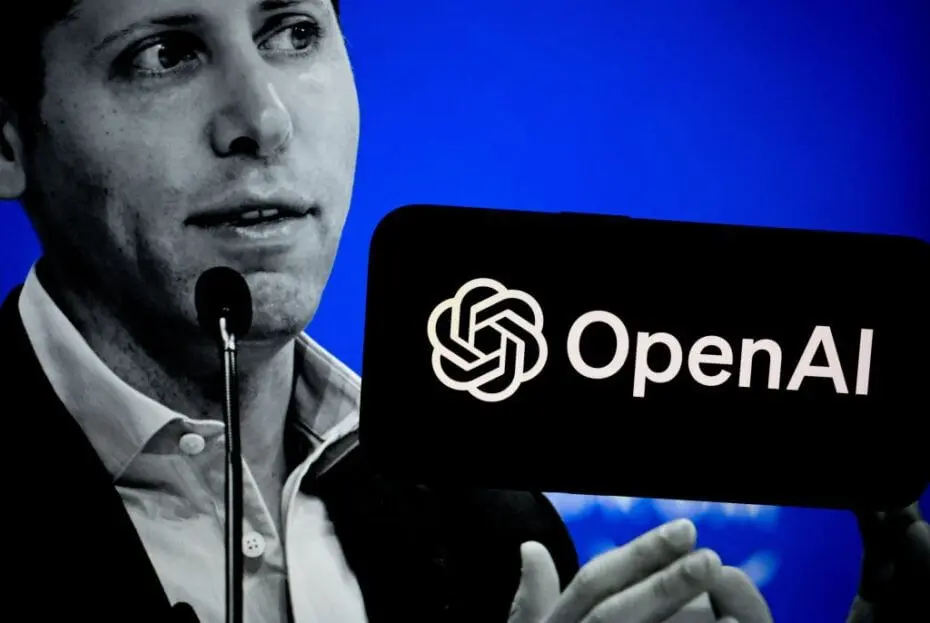
Source: Inc.
Pentagon Deal Sparks Employee Concerns and Internal Tensions
The purpose of Tuesday's all-hands meeting was to address employee concerns about OpenAI's surprise deal with the Pentagon announced on Friday, February 27
3
. Altman acknowledged the difficulty of the decision, stating "I think this was an example of a complex, but right decision with extremely difficult brand consequences and very negative PR for us in the short term"4
. Multiple news outlets reported that Altman appeared conciliatory during the meeting, with some reports indicating he has been vocally criticized by employees and seemed to regret looking "not united with the field"2
. The Pentagon contract, announced through OpenAI's OpenAI for Government product, was awarded through the Pentagon's Chief Digital and Artificial Intelligence Office (CDAO) and is worth up to $200 million in projects2
.
Source: Gulf Business
Anthropic Standoff Highlights Ethical Concerns Surrounding AI in Military Contexts
The OpenAI contract with NATO comes after U.S. President Donald Trump directed the government to stop working with rival Anthropic
1
. Anthropic's removal followed a standoff in contract talks with the Pentagon over the use of the firm's technology. Anthropic CEO Dario Amodei had stressed the company's opposition to the Pentagon using its AI models for mass surveillance or to power fully autonomous weapons5
. The Pentagon has previously stated it had no interest in using AI to conduct mass surveillance of Americans or developing weapons that operate without human involvement, but wanted any lawful use of AI to be allowed.Related Stories

OpenAI Clarifies Safeguards Against Domestic Surveillance
In an updated statement on Monday after striking a deal on Friday, OpenAI said its AI systems "shall not be intentionally used for domestic surveillance of U.S. persons and nationals"
4
. The company added that the Pentagon also affirmed that AI services would not be used by U.S. intelligence agencies such as the National Security Agency (NSA). OpenAI's original proposed terms included language stating the technology "will not be used to independently direct autonomous weapons in any case where law, regulation, or Department policy requires human control"3
. The company later amended the classified contract with more specific definitions for domestic surveillance activities.Defense Budgets Signal Broader AI Gold Rush in Military Sector
NATO signaled last year that its members would be increasing their defense budgets drastically, triggering what venture capitalist Dave Harden described as an "AI gold rush"
2
. OpenAI, which is backed by Microsoft, Amazon and others, appears positioned to capitalize on this trend despite the consumer backlash it currently faces1
. Apple recently announced that it received approval from NATO to use iPhones and iPads for classified NATO purposes—a first for any consumer device2
. The Pentagon contract grants permission for the Department of Defense to use OpenAI's technology freely, without OpenAI getting to "make operational decisions," raising questions about oversight and accountability as AI in military contexts expands rapidly.
Source: Market Screener
References
Summarized by

Navi
[2]
[4]
Related Stories
Trump bans Anthropic from government as AI companies clash with Pentagon over weapons and surveillance
25 Feb 2026•Policy and Regulation

Anthropic stands firm against Pentagon's demand for unrestricted military AI access
21 Feb 2026•Policy and Regulation

OpenAI Partners with Defense Contractor Anduril, Sparking Ethical Debate
05 Dec 2024•Technology

Recent Highlights
1
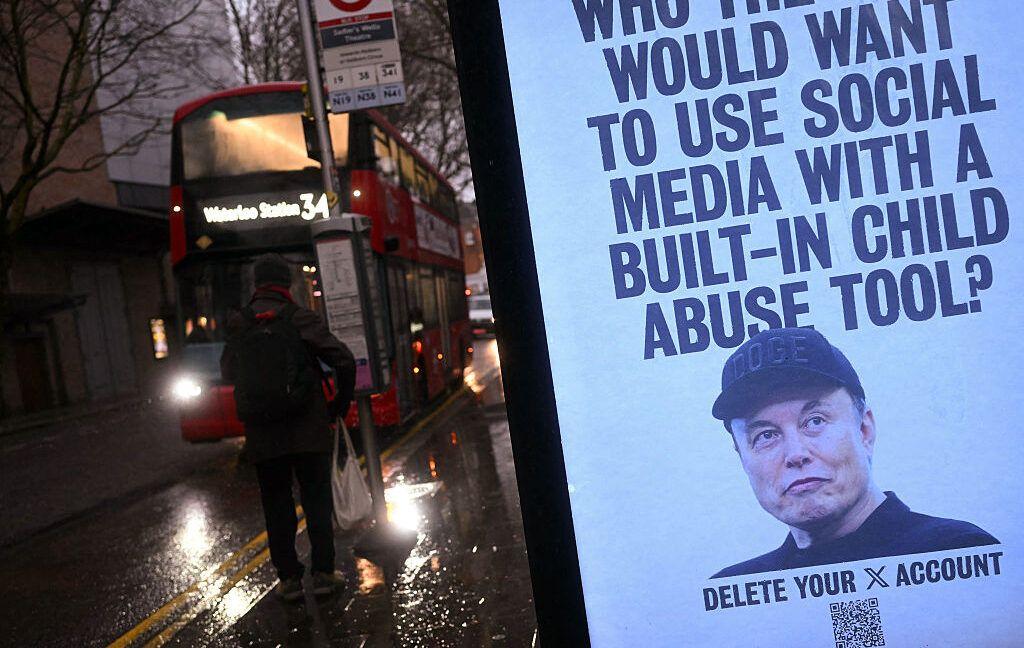
Tennessee Teens Sue Elon Musk's xAI Over Grok AI-Generated Child Abuse Images
Policy and Regulation
2
Supermicro Co-Founder Indicted in $2.5 Billion Nvidia AI Chip Smuggling Scheme to China
Policy and Regulation

3
Val Kilmer to appear posthumously in As Deep as the Grave through AI-generated performance
Entertainment and Society

Recent Highlights
Today's Top Stories









Your Daily Dose of Curated AI News
Don’t drown in AI news. We cut through the noise - filtering, ranking and summarizing the most important AI news, breakthroughs and research daily. Spend less time searching for the latest in AI and get straight to action.

