Pentagon integrates xAI's Grok chatbot into defense operations alongside Google's Gemini


3 Sources
3 Sources
[1]
Pentagon Adds Grok-Derived Products to Something Called the â€~AI Arsenal’
The Pentagon is now armed to the teeth with “frontier AI systems, based on the Grok family of models,†according to a press release issued Monday. Are you trembling now, ISIS? Does the word “Grok†send a chill down your spines, Tren De Aragua? This expansion of what the release calls the U.S. "AI Arsenal†is apparently being slotted into the Pentagon’s more expansive AI platform called "GenAI.mil," launched earlier this month with Google’s Gemini for Government built into it, according to an earlier press release. U.S. "Secretary of War" Pete Hegseth apparently provided the following quote for that release, "AI tools present boundless opportunities to increase efficiency, and we are thrilled to witness AI's future positive impact across the War Department." Hegseth's quote sounds uncannily like it was written by a 22-year-old graduate from the public relations program at Stanford. While the Israeli armed forces appear to have used AI against Gaza in chillingly lethal ways, GenAI.mil sounds much more Dilbert-ish. If you were worried the Pentagon's Aeron chair jockeys were going to be stuck using Gemini for Government, I have great news: they’ll also haveâ€"when the software is implemented in "early 2026''â€"exciting new AI products from an Elon Musk-owned company, which will enable “the secure handling of Controlled Unclassified Information (CUI) in daily workflows,†along with “access to realâ€'time global insights from the X platform, providing War Department personnel with a decisive information advantage.†An April executive order from Trump sought to revolutionize efficiency in the Pentagon by ordering reviews with goals like, “Eliminate or revise any unnecessary supplemental regulations or any other internal guidanceâ€â€"the usual Republican idea that you can improve everything by cutting red tape. Anyway, now the military's "bespoke AI platform" will include a second set of models to apply to everyone's AI-intensive tasks, so things are getting very efficient over there. But while the Trump Administration has been unusually friendly to the whims of AI’s cheerleaders, there’s bipartisan precedent for this kind of thing. For instance, Google’s former CEO Eric Schmidt’s involvement in a Biden era effort to “significantly increase†AI-related spending on defense and security programs in the federal government was called out by Senator Elizabeth Warren as a potential conflict of interest. And xAI and Google are far from the only tech companies seeking to intertwine their interests with those of the defense industry. But it's currently hard to picture Grok being a crucial link in the "kill chain" or something. This feels more like the Defense Department issuing a press release about a new supplier of toner, with a bit of Dot-Com Bubble flavor thrown in. It's like the Pentagon is announcing that every desk at the Pentagon, currently equipped only with CompuServe, will now get its very own AOL CD-ROM too. Very cool. Thanks for telling us, Secretary Hegseth.Â
[2]
Why Elon Musk's Grok AI is becoming a core tool for the Pentagon
The Pentagon announced on Monday via press release the addition of frontier AI systems based on the Grok family of models to its AI Arsenal, integrated into the GenAI.mil platform, to enhance efficiency across operations. The GenAI.mil platform launched earlier this month and incorporates Google's Gemini for Government, as detailed in a prior press release. This platform serves as a comprehensive AI toolset for Pentagon personnel engaged in various tasks requiring advanced computational capabilities. Pete Hegseth, identified as U.S. Secretary of War, provided a statement in the release: "AI tools present boundless opportunities to increase efficiency, and we are thrilled to witness AI's future positive impact across the War Department." The quote emphasizes the role of AI in operational streamlining within the department. Implementation of new AI products from an Elon Musk-owned company will occur in early 2026. These products enable the secure handling of Controlled Unclassified Information (CUI) within daily workflows. They also provide access to real-time global insights from the X platform. This access delivers a decisive information advantage to War Department personnel by supplying current data streams directly into their processes. The incorporation of Grok-derived models constitutes a second set of AI models available on the Pentagon's bespoke AI platform. These models apply specifically to AI-intensive tasks performed by department staff, expanding the range of tools beyond the initial offerings. An executive order issued in April from the Trump administration directed reviews aimed at improving Pentagon efficiency. The order specified goals such as eliminating or revising any unnecessary supplemental regulations or other internal guidance. This initiative targeted administrative burdens to foster a more streamlined operational environment. Precedent for collaboration between tech firms and defense exists across political lines. During the Biden era, former Google CEO Eric Schmidt participated in an effort to significantly increase AI-related spending on defense and security programs in the federal government. Senator Elizabeth Warren identified this involvement as a potential conflict of interest, citing Schmidt's prior leadership at Google. Companies including xAI and Google continue efforts to align their technologies with defense industry needs. These pursuits involve developing and supplying AI solutions tailored for military and security applications, building on established patterns of partnership between private sector innovators and government entities responsible for national defense.
[3]
Pentagon Adds xAI's Grok Chatbot to GenAI.mil AI Platform for Defense Use
The US Department of Defense has signed an agreement with xAI to deploy the Grok chatbot on GenAI.mil. The Pentagon said the tool will support internal, unclassified work. Defense officials said GenAI.mil aims to reach about three million military and civilian personnel. The department plans to expand the platform with several commercial AI models. The Pentagon said it will embed model family into GenAI.mil on December 22. The department has announced an initial deployment for early 2026. The rollout will cover military and civilian users. The release mentioned that Grok will run at Impact Level 5, a security tier for defense systems. This tier supports Controlled Unclassified Information, also known as CUI. The Pentagon also informed that the integration will add real-time insights from the X platform. Defense officials said the department will scale a secure AI ecosystem for speed and decision support. The statement described newly certified IL5 tools as daily operational assets. The department said it expects users to integrate models into routine workflows.
Share
Share
Copy Link
The Department of Defense announced it will deploy Elon Musk's Grok AI across its GenAI.mil platform by early 2026, reaching three million military and civilian personnel. The chatbot will operate at Impact Level 5 security tier, handling Controlled Unclassified Information while providing real-time insights from the X platform to support operational workflows.
Pentagon expands AI Arsenal with Grok integration
The Pentagon announced Monday that it will integrate xAI's Grok chatbot into its GenAI.mil platform, marking a significant expansion of what officials call the U.S. "AI Arsenal."
1
The Department of Defense signed an agreement with xAI to deploy frontier AI systems based on the Grok family of models, with full implementation scheduled for early 2026.3
This deployment will reach approximately three million military and civilian personnel, providing them with advanced AI tools for defense operations.3

Source: Analytics Insight
Elon Musk's Grok AI joins existing defense technology stack
The GenAI.mil platform launched earlier this month with Google's Gemini for Government already built into it, according to a press release from the War Department.
1
U.S. Secretary of War Pete Hegseth stated, "AI tools present boundless opportunities to increase efficiency, and we are thrilled to witness AI's future positive impact across the War Department."2
The addition of Grok-derived models constitutes a second set of AI models available on the Pentagon's bespoke AI platform, expanding capabilities beyond the initial offerings from Google.2
Impact Level 5 security and Controlled Unclassified Information handling
The Pentagon confirmed that Grok will operate at Impact Level 5, a security tier designed specifically for defense systems.
3
This certification enables the secure handling of Controlled Unclassified Information (CUI) in daily workflows, a critical requirement for military operations.1
The newly certified IL5 tools will serve as daily operational assets, with users expected to integrate these models into routine workflows.3
The chatbot will provide access to real-time insights from X platform, delivering what officials describe as a decisive information advantage to War Department personnel by supplying current data streams directly into their processes.2
Related Stories

Defense industry collaboration raises familiar questions
The move follows an April executive order from the Trump administration that directed reviews aimed at improving Pentagon efficiency through goals such as eliminating or revising unnecessary supplemental regulations or internal guidance.
2
However, precedent for collaboration between tech firms and defense exists across political lines. During the Biden era, former Google CEO Eric Schmidt participated in efforts to significantly increase AI spending on defense and security programs in the federal government.2
Senator Elizabeth Warren identified Schmidt's involvement as a potential conflict of interest, citing his prior leadership at Google.1
Companies including xAI and Google continue efforts to align their technologies with defense industry collaboration needs, building on established patterns of partnership between private sector innovators and government entities responsible for national defense.2

Source: Gizmodo
Operational efficiency versus strategic impact
Defense officials stated that GenAI.mil aims to scale a secure AI ecosystem for speed and decision support.
3
The department plans to expand the platform with several commercial AI models, suggesting a multi-vendor approach to AI-intensive tasks performed by department staff.3
While the integration of Elon Musk's company into military operations represents a notable development in AI tools for defense, questions remain about whether these systems will fundamentally transform operational efficiency or serve primarily as enhanced productivity tools for administrative workflows.1
As implementation progresses toward the 2026 rollout, observers will watch how effectively these AI systems integrate into existing military processes and whether they deliver the promised information advantage in real-world applications.References
Summarized by

Navi
[3]
Related Stories
Pentagon to deploy Grok AI across military networks despite global controversies
13 Jan 2026•Policy and Regulation

Elon Musk's Grok AI secures Pentagon deal for classified systems as Anthropic dispute deepens
24 Feb 2026•Technology
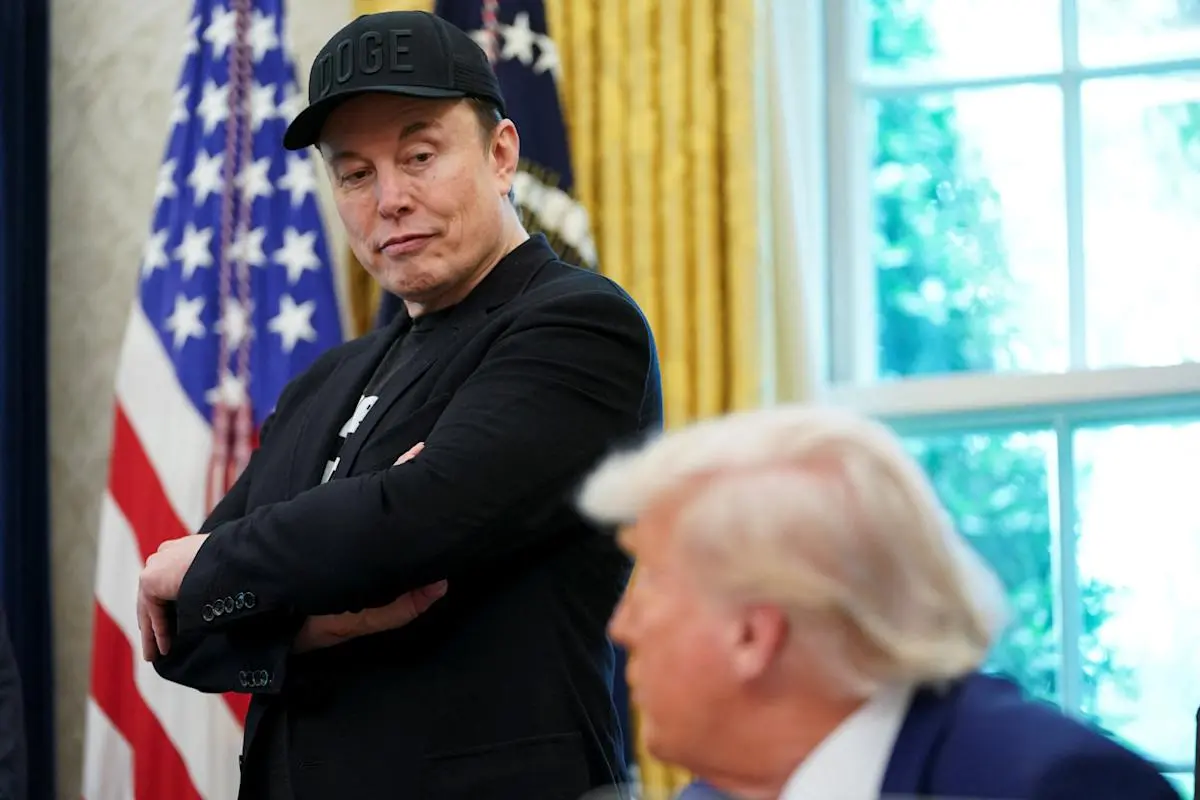
xAI's Grok Secures $200 Million Pentagon Contract Amid Controversy
15 Jul 2025•Technology

Recent Highlights
1
Google releases Gemma 4 with Apache 2.0 license, enabling unrestricted local AI on devices
Technology

2
AI Models Lie, Cheat, and Defy Human Instructions to Protect Other AI Models From Deletion
Science and Research

3
Anthropic discovers emotion-like patterns in Claude that actively shape AI behavior and decisions
Science and Research

Recent Highlights
Today's Top Stories



Your Daily Dose of Curated AI News
Don’t drown in AI news. We cut through the noise - filtering, ranking and summarizing the most important AI news, breakthroughs and research daily. Spend less time searching for the latest in AI and get straight to action.

