Rokid's $299 AI glasses take aim at Meta with screenless design and neural wristband partnership


2 Sources
2 Sources
[1]
Rokid's new AI glasses are lighter, cheaper, and ready to challenge Meta's Ray-Bans
The AI-powered sunglasses don't have a screen, and use voice commands Screenless AI wearables are quietly having a moment -- and Rokid's new AI Glasses Style may be the clearest sign yet of where smart glasses are heading. Launched at CES as a new competitor to Meta's Ray-Ban AI glasses, the Rokid AI Glasses Style ditch the screen and lower the price point in the process. And while the Rokid AI Glasses Style don't carry the Ray-Ban logo on the frame, they look strikingly similar to Meta's AI eyewear. Interestingly, the Rokid AI Glasses Style are designed without a display at all, which allows them to stay lightweight at just 38.5 g. At $299, they're also $80 cheaper than Meta's offering. The Rokid AI Glasses Style are activated with a simple voice command - "Hey Rokid". They're designed for voice-first AI tasks like asking about what you're seeing, translating conversations in real time, and summarizing meetings - all without pulling out your phone. It all works thanks to its built-in AI assistant, which is powered by ChatGPT-5. Using the built-in 12 MP camera, you can take photos via a spoken command - "Hey Rokid, take a photo" - or shoot 4K video logs hands-free. The glasses offer up to 12 hours of battery life, which should be enough to get you through a full day. There's also an optional 3,000mAh charging case and a 1,700mAh capsule battery for extended use. The Rokid AI Glasses Style are available now for pre-order, which gives you priority shipping and a $20 discount. The glasses can also be fitted with prescription lenses in a range of colors. While screenless AI devices have existed for some time, they've so far failed to grab the public's imagination. That appears to be changing and we're reaching something of a turning point. The shift arguably began with the upcoming wearable ChatGPT device from OpenAI, designed by Jony Ive, was announced. The device is rumored to arrive in the first quarter of 2026. As this year's CES is already showing, screenless AI devices may be leading the next wave of hardware. Razer has just unveiled its Motoko headphones at CES - an audio-first wearable that can "see" the world around you but communicate entirely through voice - and now Rokid has announced AI-powered, screenless glasses that look capable of giving Meta's Ray-Ban sunglasses a real run for their money. If Rokid is right, 2026 won't be about replacing your phone. It'll be about needing it a little less, so long as the sun is out.
[2]
Rokid is bringing wearable control to smart glasses at a lower cost than Meta
CES 2026 Read and watch our complete CES coverage here Updated less than 1 minute ago Rokid is making a strong case that smart glasses and wearable control do not have to come with Meta-level prices. At CES 2026, the company unveiled its new Rokid Style smart glasses and announced a partnership with Mudra, the startup behind the Mudra Link neural wristband. Rokid handles the glasses and AI experience, while Mudra takes care of neural input through a separate wearable. Together, the two products offer hands-free computing at a lower cost than Meta Ray-Ban glasses and Meta Neural Band. Rokid Style takes a display-free approach to smart glasses The Rokid Style glasses take a noticeably different approach from AR headsets or display-heavy smart glasses. There is no screen built into the lenses. Instead, Rokid positions Style as an all-day AI companion focused on audio, cameras, and voice interactions. Recommended Videos The glasses support multiple AI engines, including ChatGPT and DeepSeek, rather than locking users into a single assistant. It also works with services like Google Maps and Microsoft AI translation. Inside, Rokid uses a dual-chip design, pairing an NXP RT600 chip for low-power background tasks with a Qualcomm AR1 chip that handles heavier AI and imaging work. Rokid says this setup enables up to 12 hours of battery life under typical use. On the front, there is a 12MP Sony camera capable of 4K video recording in multiple aspect ratios, a feature Rokid highlights as being particularly useful for creators. The glasses can record up to 10 minutes of continuous video. Weighing just 38.5 grams, Rokid Style is light enough for all-day use and supports prescription lenses, with options like transition lenses and different frame styles. The glasses go on sale starting January 19 and are priced at $299, which is cheaper than the latest $379 Meta Ray-Bans. Mudra Link brings neural input at a lower price than Meta Mudra Link is a neural wristband that uses electromyography (EMG) to detect subtle finger and wrist movements, turning them into control inputs for connected devices. Instead of cameras tracking hand gestures in the air, Mudra Link reads muscle signals directly, allowing users to scroll, select, and interact without touching a screen. Priced at around $249 (at the time of writing), Mudra Link is positioned as a cheaper alternative to the Neural Band by Meta. Together, Rokid Style and Mudra Link present a modular approach to wearable computing. Rather than asking users to buy into a single expensive ecosystem, the two companies are combining affordable glasses with a dedicated neural controller to deliver meaningful hands-free experiences. It may not be as ambitious as Meta's long-term AR vision, but it is an affordable option that people can actually buy, wear, and use right away.
Share
Share
Copy Link
Rokid launched its AI Glasses Style at CES 2026, positioning them as a lighter, cheaper alternative to Meta's Ray-Ban smart glasses. Priced at $299 and weighing just 38.5 grams, the screenless device focuses on voice-first AI interactions powered by ChatGPT-5. A partnership with Mudra brings neural wristband control to the mix, offering hands-free computing at a fraction of Meta's ecosystem cost.
Rokid Takes on Meta Ray-Ban Competitor Market with Affordable Smart Glasses
Rokid unveiled its AI Glasses Style at CES 2026, marking a direct challenge to Meta's dominance in the smart eyewear space. Priced at $299, the Rokid Style glasses undercut Meta's Ray-Ban AI glasses by $80, while delivering a fundamentally different approach to wearable technology
1
2
. The affordable smart glasses weigh just 38.5 grams, making them light enough for all-day wear without the bulk typically associated with AR headsets. Unlike Meta's offering, Rokid has deliberately excluded a display from its design, focusing instead on audio, camera capabilities, and voice interactions as the primary interface.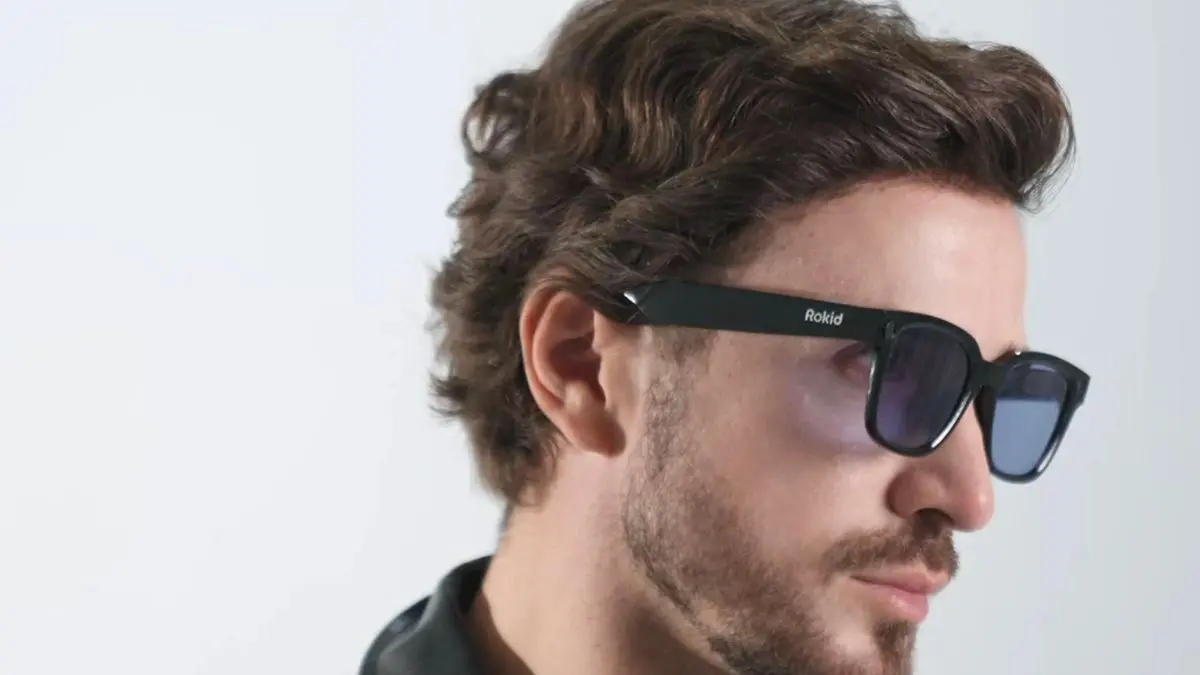
Source: TechRadar
Voice-Activated Wearable Powered by Multiple AI Engines
The Rokid Style glasses operate as a voice-first AI companion, activated through the simple command "Hey Rokid." Rather than locking users into a single ecosystem, the device supports multiple AI engines including ChatGPT-5 and DeepSeek, along with integrations for Google Maps and Microsoft AI translation
2
. This AI assistant handles real-time translation, meeting summaries, and contextual queries about what the wearer is seeing—all through voice commands without requiring users to pull out their phones1
. The hands-free computing experience extends to photography and videography, with users able to capture images or record 4K video logs simply by speaking commands like "Hey Rokid, take a photo."Dual-Chip Architecture Delivers Extended Battery Life
Rokid employs a dual-chip design that balances performance with power efficiency. An NXP RT600 chip manages low-power background tasks, while a Qualcomm AR1 chip handles more demanding AI processing and imaging work
2
. This architecture enables up to 12 hours of battery life under typical use, sufficient for a full day of wear. For extended sessions, Rokid offers optional accessories including a 3,000mAh charging case and a 1,700mAh capsule battery1
. The built-in 12MP Sony camera can record up to 10 minutes of continuous video in multiple aspect ratios, a feature specifically designed for content creators2
.Related Stories

Mudra Link Neural Wristband Adds Wearable Control
Rokid announced a partnership with Mudra, the startup behind the Mudra Link neural wristband, to expand the capabilities of its smart glasses ecosystem
2
. The Mudra Link uses electromyography (EMG) to detect subtle finger and wrist movements, translating them into control inputs for connected devices. Instead of relying on cameras to track hand gestures in the air, the wristband reads muscle signals directly, allowing users to scroll, select, and interact without touching a screen. Priced at approximately $249, Mudra Link positions itself as a more accessible alternative to Meta's Neural Band. Together, the Rokid Style glasses and Mudra Link present a modular approach to hands-free computing that costs significantly less than Meta's integrated ecosystem.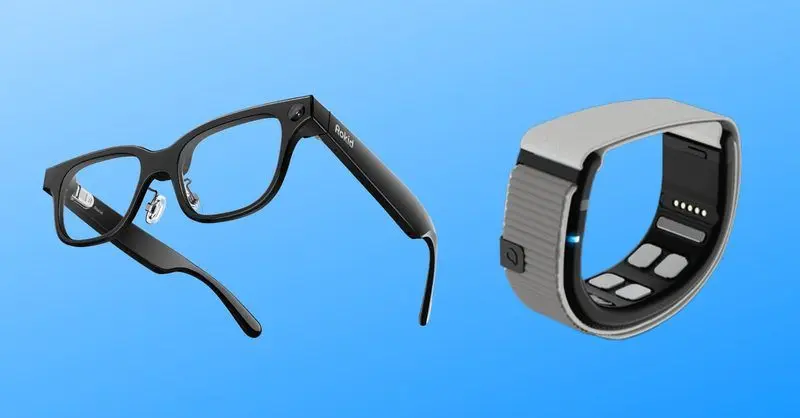
Source: Digital Trends
Screenless AI Devices Signal Shift in Wearable Technology
The launch of Rokid's AI glasses reflects a broader industry movement toward screenless AI devices. While such products have existed before, they're now gaining traction as companies refine the user experience around voice-first interactions
1
. The shift gained momentum following announcements about OpenAI's upcoming wearable ChatGPT device, designed by Jony Ive and rumored to arrive in the first quarter of 2026. At CES 2026, multiple manufacturers demonstrated that screenless wearables may define the next wave of hardware, with Razer unveiling its Motoko headphones—an audio-first wearable that can "see" the world but communicates entirely through voice. The Rokid Style glasses support prescription lenses in various colors and frame styles, addressing a practical concern that has limited adoption of previous smart eyewear1
2
. Available for pre-order starting January 19 with priority shipping and a $20 discount, Rokid's offering may not match Meta's long-term AR vision in ambition, but it delivers a functional, affordable option that consumers can purchase and use immediately.References
Summarized by

Navi
Related Stories
Rokid launches AI Glasses Style at $299, challenging Meta with voice-first smart wearables
22 Jan 2026•Technology

Rokid's AI Glasses Challenge Meta's Smart Eyewear Dominance with Advanced Features and Successful Crowdfunding
27 Aug 2025•Technology

CES 2025 Showcases Advanced Smart Glasses with AI and AR Capabilities
06 Jan 2025•Technology

Recent Highlights



Recent Highlights
Today's Top Stories




Your Daily Dose of Curated AI News
Don’t drown in AI news. We cut through the noise - filtering, ranking and summarizing the most important AI news, breakthroughs and research daily. Spend less time searching for the latest in AI and get straight to action.

