XGIMI Memomind AI glasses debut at CES 2026 with customizable frames and multi-LLM technology


7 Sources
[1]
Forget Meta Ray-Bans: These smart glasses are customizable from the lenses to the frames
The Memomind lineup includes three models, including one under 30 grams. XGIMI, best known for making projectors, announced its first-ever AI glasses series, the Memomind. It consists of three models: the Memo One, Memo Air, and Memo Air Display. Also: CES 2026 live: Biggest news on TVs, laptops,
[2]
Xgimi's New AI-First Smart Glasses Will Come in Three Tiers
Xgimi has announced it's getting into the AI smart glasses game this year, and isn't shy about it. The company is launching three new glasses under the MemoMind family, the projector maker's new AI hardware brand. In a press release during CES 2026, Xgimi posits that many AI wearables "feel
[3]
The AI glasses you might actually wear: XGIMI MemoMind debuts at CES with a feather-light design
The Memo One will cost approximately $599 with preorders beginning soon. Pricing and availability of the Memo Air Display and the third AI glass model will be revealed later. XGIMI is well-known for its projectors, with the latest being its TITAN Noir Max flagship projector, which it is showcasing
[4]
Xgimi debuts three AI smart glasses models under its new brand, Memomind
Xgimi is relying on its years of experience in professional projection technology to fuel a new smart glasses brand called Memomind, and it's already releasing three different models. Xgimi confirmed at CES 2026 that Memomind would offer three different glasses models, with only two with a
[5]

MemoMind AI glasses aim to look like your glasses, not a gadget
XGIMI says the first-gen lineup prioritizes all-day comfort and brief, unobtrusive help like translation, summaries, notes, reminders, and contextual guidance. CES 2026 Read and watch our complete CES coverage here Updated less than 0 just now ago XGIMI is stepping into wearables at CES 2026 with
[6]

XGIMI's MemoMind Glasses come with AI and a Modular Design - Phandroid
XGIMI Goes Beyond the Screen at CES 2026 with MEMOMIND, Its First Pair of AI Glasses It's safe to say that there's no shortage of cool tech products at this year's CES 2026 convention, with tons of brands showcasing the latest hardware (and software that they have to offer). That in mind, XGIMI --
[7]

These are the first smart glasses I've tried that I could actually wear all day
The MemoMind AI glasses look almost indistinguishable from normal specs. Plus, they're light, comfortable, and offer every feature I want I've worn my fair share of smart glasses over the past couple of years, but most of them have ended up stuffed in a drawer next to a tangle of USB-C cables. I
Share
Copy Link
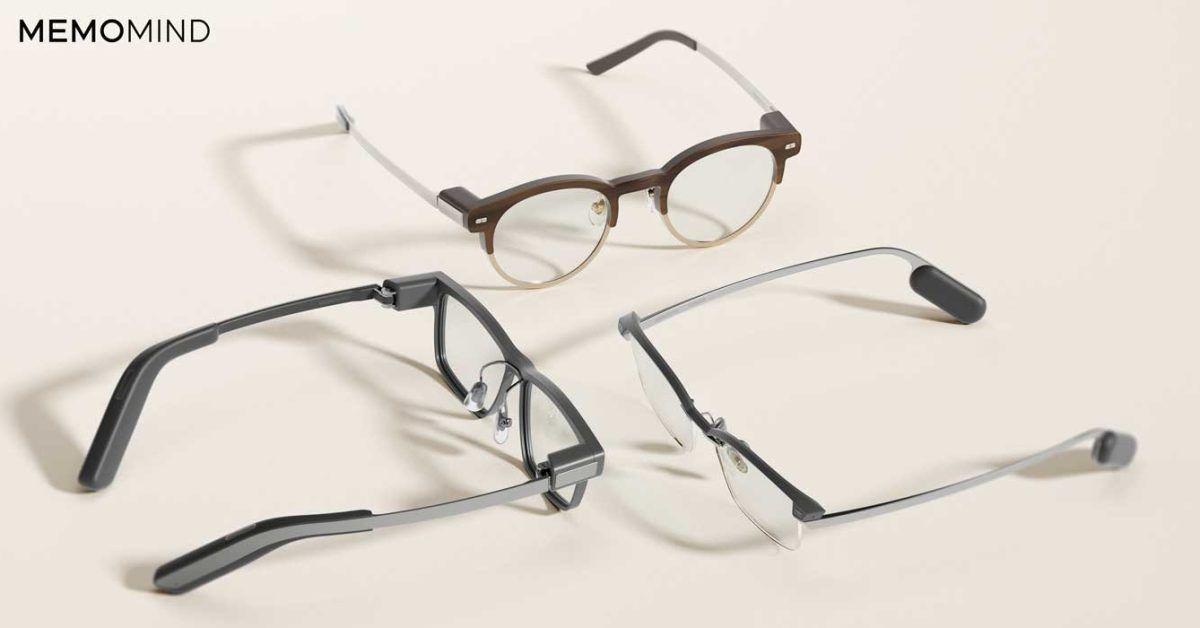
XGIMI, known for projectors, unveiled its first AI glasses lineup at CES 2026 under the new Memomind brand. The series includes three models—Memo One, Memo Air Display, and a third unnamed option—designed to blend seamlessly into daily life. With customizable frames, lightweight design at just 28.9 grams, and a multi-LLM hybrid OS that switches between OpenAI, Azure, and Qwen, these AI-powered smart glasses prioritize comfort and practicality over experimental tech.
XGIMI Enters the Smart Glasses Market with Memomind Brand
XGIMI, a company best recognized for its projector technology, announced its first AI glasses series at CES 2026, launching a new hardware brand called Memomind
1
. The lineup consists of three models: the flagship Memo One, the lighter Memo Air Display, and a third model that remains under wraps for now2
. This marks a significant pivot for XGIMI, which aims to address what it sees as a gap in the wearables market where many AI-first smart glasses feel "experimental or obtrusive"2
.
Source: 9to5Google
Memo One Features Dual-Lens Display and Premium AI Capabilities
The Memo One represents the flagship option in the XGIMI Memomind series, featuring a dual-lens display on each lens that uses waveguide prisms for enhanced screen visibility
1
. The screens remain bright and easily legible in indoor lighting conditions. Integrated speakers branded by Harman-Kardon and microphones enable users to interact with the AI assistant2
. The glasses run on a multi-LLM hybrid OS that automatically selects the most suitable AI model for each task, including OpenAI, Azure, and Qwen3
. This approach allows the system to optimize performance based on the specific function required, whether translation, summarization, note-taking, or contextual guidance4
.Users can choose from three frame styles and six color options for these customizable smart glasses
1
. The Memo One is designed to last all day on a single charge and comes with a charging case, though specific battery details were not displayed at the demo1
. When activated, users are greeted with a customizable dashboard that can include notes, reminders, and other information alongside the date and time1
. Navigation through Google Maps integration is currently "in progress"1
.Lightweight Design Prioritizes All-Day Comfort
The Memo Air Display represents the lightweight design option, weighing just 28.9 grams
3
. This model features a monocular display on one lens rather than the dual-eye setup of the Memo One, making it feel closer to traditional eyewear4
. The Memo Air Display is fully customizable across frames and temples, with eight frame styles and five interchangeable temple designs available3
5
. The charging case can extend use up to a full week, according to XGIMI2
. All models support prescription lenses, making them practical for users who already wear corrective eyewear3
.
Source: Digital Trends
The third model in the lineup, which XGIMI says will feel "even closer to normal glasses," has not been fully detailed yet, with specifications and pricing to be revealed at a later date
2
.AI Features Like Translation Work Quietly in the Background
The hybrid operating system behind Memomind's AI glasses distinguishes itself by selecting the appropriate large language model for specific tasks
5
. For instance, one task might require OpenAI while another might leverage Qwen or Azure, ensuring optimal performance without user intervention4
. The AI-powered smart glasses promise features that include translation, summarization, note-taking, reminders, and contextual guidance, all designed to operate unobtrusively in the background3
.During hands-on demonstrations at CES 2026, the translation feature and AI search functioned well, though with some pauses attributed to slow internet connectivity
1
. The interface can be activated by tilting your head up, revealing a dashboard that users can customize through the companion app1
. XGIMI emphasizes that interactions remain brief, relevant, and unobtrusive, aligning with the goal of seamless integration into daily life3
.
Source: ZDNet
Related Stories


Pricing and Availability Details Emerge
XGIMI announced that the flagship Memo One will be available for pre-order "soon," most likely after Mobile World Congress in March, with an approximate price of $599
1
. Prescription lenses will be available for an additional, yet-to-be-specified charge1
. Pricing and availability for the Memo Air Display and the third model will be revealed at later dates3
. The lack of firm preorder dates, shipping windows, and regional availability details means potential buyers will need to wait for more concrete information5
.What This Means for the Smart Glasses Market
XGIMI's entry into the smart glasses market with customizable frames and modular design represents a practical approach to addressing adoption barriers. By offering eight frame styles paired with five interchangeable temple designs, Memomind aims to make AI glasses feel like personal accessories rather than tech gadgets
5
. This modular design gives users the ability to adapt the glasses to their face shape and personal style, potentially increasing the likelihood that these devices will be worn regularly rather than abandoned in a drawer.The multi-LLM approach also signals a shift toward more sophisticated AI integration in wearables, where the system intelligently routes tasks to the most capable model rather than relying on a single AI provider. After CES 2026, the most critical updates will include full specifications on battery performance, display brightness, field of view, and audio usability in real-world noise environments. If XGIMI delivers on these fundamentals, the customization options could position Memomind as a compelling alternative in an increasingly crowded market.
References
Summarized by

Navi
[3]
[5]
Related Stories
Recent Highlights



Recent Highlights
Today's Top Stories








Don’t drown in AI news. We cut through the noise - filtering, ranking and summarizing the most important AI news, breakthroughs and research daily. Follow topics that matter to you and stay ahead.


