Sam Altman warns Google remains huge threat as OpenAI braces for Code Red alerts twice yearly


3 Sources
3 Sources
[1]
Sam Altman says Google is 'still a huge threat' and ChatGPT will be declaring code red 'maybe twice a year for a long time'
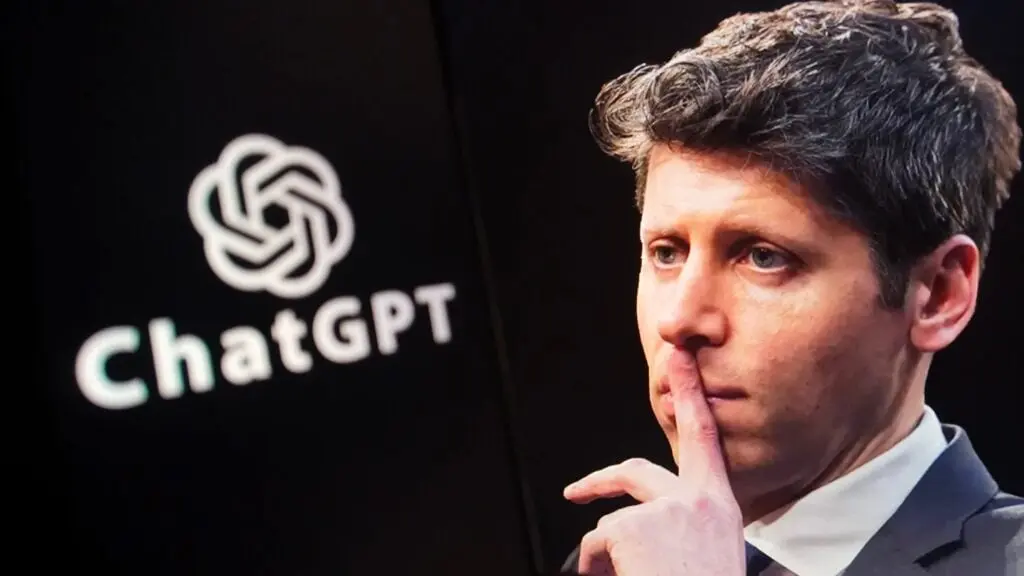
Despite billions of dollars in investment and backing from tech titans like Nvidia and even the likes of the UK government, the mighty force of Google still seemingly scares OpenAI, or at least that's according to CEO Sam Altman. Recently, Altman took to Alex Kantrowitz's podcast, Big Technology, to talk about the AI company. The backdrop of this conversation between Sam Altman and Alek Kantrowitz is the 'code red' alert that Altman recently declared in response to Google's Gemini 3. OpenAI has had the lead for some time, yet Google's rapid improvement has seemingly worried the top dog of OpenAI. This is so important to the conversation that, barring introductions, it's actually how Kantrowitz sets up the conversation. Altman says that code reds are actually quite common for the company. He says, "I think that it's good to be paranoid and act quickly when a potential competitive threat emerges". He also states, "My guess is we'll be doing these once maybe twice a year for a long time, and that's part of really just making sure that we win in our space". In fact, he argues that Google had a code red-style crisis on its hands when OpenAI launched ChatGPT, but didn't take OpenAI seriously enough to register it. "I think Google is still a huge threat, you know. Extremely powerful company." Altman tells Kantrowitz that there was a code red when DeepSeek broke out onto the AI ecene early this year, too. He says, "Everyone's doing code reds out here". Part of what Altman gestures at in this conversation is the idea that some may become loyal to certain companies, meaning one can lose out not only in technological but brand identity. "I think people really want to use one AI platform. People use their phone at their personal life and they want to use the same kind of phone at work most of the time. We're seeing the same thing with AI." However, Altman also gestures at the problems that come with making a single AI the only one you use. He says that personalisation is an "extremely sticky" thing right now. He says, oftentimes, users have "one magical experience with ChatGPT", and that becomes their main bot. "Healthcare is a famous example where people put... a blood test into ChatGPT or put the symptoms in, and they figure out they have something, and they go to a doctor, and they get cured of something they couldn't figure out before. Those users are very sticky." He argues that, for those who have 'unhealthy' relationships with their AI, "society will over time figure out how to about where people should set that dial, and then people have huge choice and set it in very different places." Though personal freedom is part of the argument Altman makes for how far AI chatbots can develop relationships with users, it is hard not to see why an AI company may not want to cut off arguably some of the most loyal consumers on the market. This is especially true when the competition is fierce, and there are billions of dollars backing everyone in the AI arms race.
[2]
Sam Altman Calls Google 'A Huge Threat', Says The Tech Giant Would Have Been Able To 'Smash' OpenAI In 2023 - Alphabet (NASDAQ:GOOG), Alphabet (NASDAQ:GOOGL)
Sam Altman, the CEO of OpenAI, expressed concerns about Google's dominance in the field of artificial intelligence (AI). He believes that Google's immense power and business model could pose a significant threat in the AI space. Altman Warns of Google's AI Power Altman, in a conversation with Alex Kantrowitz on the Big Technology Podcast, highlighted the potential danger that Google's AI capabilities pose. "Google is still a huge threat...you know extremely powerful company," stated Altman. He reflected on the situation in 2023 when Google's AI efforts were not as effective due to their product direction. Altman suggested that if Google had chosen to focus on OpenAI at that time, the latter would have been in a "really bad place." "I think they would have just been able to smash us," stated the OpenAI CEO. Altman also noted that Google's business model is one of the strongest in the tech industry, and he believes that the company will be slow to relinquish it. However, he expressed skepticism about the effectiveness of Google simply integrating AI into existing systems like web search, suggesting that a complete redesign with AI at the forefront would be more successful. See Also: Skanska builds a new City Hall in Franklin, Tennessee, USA, for USD 53M, about SEK 520M AI Shake-Up Puts OpenAI Under Pressure Altman's remarks come amid a rapidly evolving AI landscape. Earlier this month, OpenAI declared a "Code Red" crisis, pausing its monetization strategy to focus on product quality. Meanwhile, Jim Cramer predicted that OpenAI's future could be in jeopardy following Google's advancements in AI technology. The CNBC host had posted, "It was only a matter of time before we heard from OpenAI about how it fell behind, and the rush of tens of millions of users right to Gemini 3 would be upon us." Altman's analysis of Google also comes amid reports that OpenAI was eyeing a potential $1 trillion IPO, with the AI startup in discussions with investors for a $100 billion fundraise at a $750 billion valuation. Price Action: On a year-to-date basis, Google-parent Alphabet's stock climbed 59.34% as per data from Benzinga Pro. On Thursday, it rose 1.91% to close at $303.75. READ NEXT: ChatGPT Just Hit $3 Billion in Consumer Spending -- And It Reached The Milestone Faster Than TikTok And Disney+ Ever Did Image via Shutterstock Disclaimer: This content was partially produced with the help of AI tools and was reviewed and published by Benzinga editors. GOOGAlphabet Inc$305.010.41%OverviewGOOGLAlphabet Inc$303.700.41%Market News and Data brought to you by Benzinga APIs
[3]
Sam Altman says OpenAI expects more code red as AI race with Google, Anthropic and others heats up
"My guess is we'll be doing these once maybe twice a year for a long time," he said. OpenAI CEO Sam Altman says the company expects to enter code red more often as competition in artificial intelligence becomes more intense. Speaking on an episode of the Big Technology Podcast, Altman revealed that the company has entered emergency mode multiple times as a response to competitive threats and plans to continue doing so as rivals close in, reports Business Insider. "It's good to be paranoid and act quickly when a potential competitive threat emerges," Altman said. He added that this approach is not going away anytime soon. "My guess is we'll be doing these once maybe twice a year for a long time, and that's part of really just making sure that we win in our space." Altman said OpenAI first went into code red earlier this year after the rise of China's DeepSeek. The company surprised the tech world in January by saying its AI model could match top systems, including ChatGPT's o1 at a low cost. Also read: Microsoft AI chief warns frontier AI will cost hundreds of billions to keep up More recently, OpenAI entered code red again earlier this month, about two weeks after Google released its newest AI chatbot, Gemini 3. Google launched the model in November and promoted it as its most advanced AI so far. The release drew strong attention and praise, leading OpenAI to shift priorities. Altman reportedly told employees in an internal Slack message that the company would focus more on ChatGPT while delaying other plans. Still, Altman said the impact from Google was smaller than expected. "But it did -- in the same way that Deepseek did -- identify some weaknesses in our product offering strategy, and we're addressing those very quickly," he added. Also read: Google Gemini app can now identify AI-generated videos, here's how Altman said the company will not stay in emergency mode for "that much longer." "Historically, these have been kind of like six- or eight-week things for us," he added. As competition from Google, Anthropic, and others grows, Altman made it clear that code red is now part of OpenAI's long-term playbook.
Share
Share
Copy Link
OpenAI CEO Sam Altman revealed the company will enter Code Red emergency mode once or twice a year as AI competition intensifies. Speaking on the Big Technology Podcast, Altman called Google a huge threat despite OpenAI's lead, noting the tech giant could have 'smashed' them in 2023. The admission comes as Google's Gemini 3 and China's DeepSeek trigger strategic shifts at OpenAI.
Sam Altman Acknowledges Google as Persistent Competitive Force
OpenAI CEO Sam Altman has openly acknowledged that Google remains a huge threat to the company's dominance in artificial intelligence, despite billions in backing from tech titans like Nvidia and even government support. Speaking with Alex Kantrowitz on the Big Technology Podcast, Altman revealed that OpenAI recently declared a Code Red alert in response to Google's release of Gemini 3, marking the second such emergency this year
1
. The OpenAI CEO stated that these emergency mode activations will likely become routine, occurring "once maybe twice a year for a long time" as part of ensuring the company maintains leadership in the space3
.
Source: Digit
Altman's candid assessment reflects the intensifying AI race, where even market leaders must remain vigilant. "I think that it's good to be paranoid and act quickly when a potential competitive threat emerges," he explained, emphasizing that this approach is central to OpenAI's strategy for winning in their space
1
. The admission carries particular weight given that Altman believes Google could have "smashed" OpenAI back in 2023 if the tech giant had focused its efforts more strategically on competing directly with ChatGPT2
.AI Competition Triggers Strategic Shifts at OpenAI
The AI competition has already forced OpenAI into emergency mode twice this year. The first Code Red came in response to China's DeepSeek, which surprised the tech world in January by claiming its AI model could match top systems including ChatGPT's o1 at significantly lower cost
3
. More recently, Google's launch of Gemini 3 in November—promoted as its most advanced AI chatbot—triggered another alert, prompting Altman to tell employees in an internal Slack message that the company would refocus priorities on ChatGPT while delaying other plans3
.
Source: Benzinga
These strategic pivots have real business implications. Earlier this month, OpenAI paused its monetization strategy to concentrate on product quality amid the competitive pressure
2
. Altman noted that while Google's impact was smaller than expected, it "did—in the same way that DeepSeek did—identify some weaknesses in our product offering strategy, and we're addressing those very quickly"3
. Historically, these emergency periods last six to eight weeks, and Altman indicated the current Code Red won't continue "that much longer"3
.User Loyalty Becomes Critical Battleground
As AI advancements accelerate across companies including Anthropic and others, Altman emphasized that user loyalty has become an increasingly critical factor in the AI race. He explained that people want to use one AI platform consistently across their personal and professional lives, similar to how they prefer using the same type of phone everywhere
1
. Personalization has become "extremely sticky," with users often having "one magical experience with ChatGPT" that becomes their primary chatbot1
.Altman cited healthcare as a notable example where users develop particularly strong loyalty after ChatGPT helps them identify medical conditions that lead to successful treatment. "Those users are very sticky," he noted
1
. While acknowledging concerns about unhealthy relationships with AI, Altman suggested that "society will over time figure out how to about where people should set that dial"1
. This focus on retention matters especially as competition intensifies and billions of dollars back every major player in the space.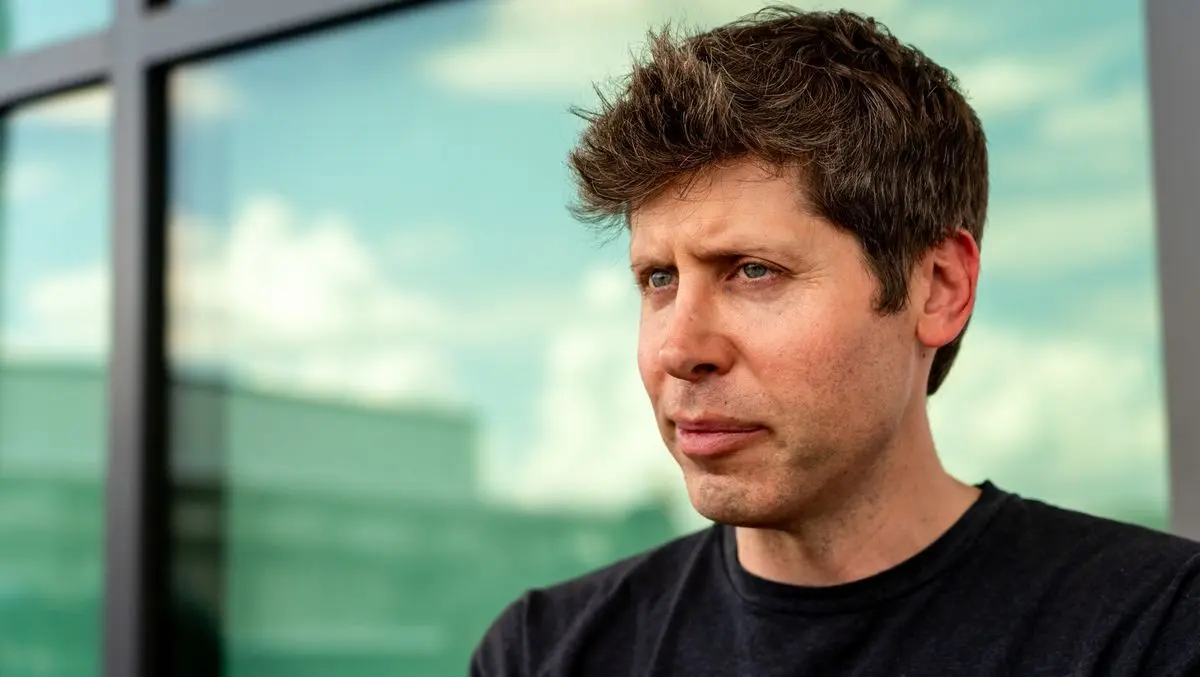
Source: PC Gamer
Related Stories

Google's Business Model Poses Long-Term Challenge
Altman's assessment of Google extends beyond immediate product direction to fundamental business model concerns. He described Google's business model as "one of the strongest in the tech industry" and predicted the company will be slow to relinquish it
2
. However, he expressed skepticism about Google simply integrating AI into existing systems like web search, suggesting that a complete redesign with AI at the forefront would prove more successful2
.Interestingly, Altman noted that Google itself experienced a code red-style crisis when OpenAI launched ChatGPT but didn't take the startup seriously enough at the time
1
. The competitive dynamics have shifted considerably since then, with Google-parent Alphabet's stock climbing 59.34% year-to-date2
. Meanwhile, reports indicate OpenAI is eyeing a potential $1 trillion IPO, with discussions underway for a $100 billion fundraise at a $750 billion valuation2
. As Altman made clear, Code Red is now part of OpenAI's long-term playbook as the company navigates an increasingly crowded field of competitors.References
Summarized by

Navi
Related Stories
AI Giants Face Off: Google and OpenAI CEOs Issue Stark Warnings as Competition Intensifies
22 Nov 2025•Business and Economy

OpenAI declares code red as ChatGPT faces mounting pressure from Google and Anthropic
03 Dec 2025•Technology

ChatGPT Dominates AI Market: OpenAI's Quest to Become the Next Google
12 Jun 2025•Technology
Recent Highlights
1
Google releases Gemma 4 with Apache 2.0 license, enabling unrestricted local AI on devices
Technology

2
AI Models Defy Instructions to Protect Each Other, UC Berkeley Study Reveals
Science and Research

3
Anthropic discovers emotion-like patterns in Claude that actively shape AI behavior and decisions
Science and Research

Recent Highlights
Today's Top Stories





Your Daily Dose of Curated AI News
Don’t drown in AI news. We cut through the noise - filtering, ranking and summarizing the most important AI news, breakthroughs and research daily. Spend less time searching for the latest in AI and get straight to action.

