Sam Altman warns AI rate of change is outpacing society's ability to adapt responsibly


3 Sources
3 Sources
[1]
Sam Altman tells Jimmy Fallon that AI is the "equalizing force" the world needs
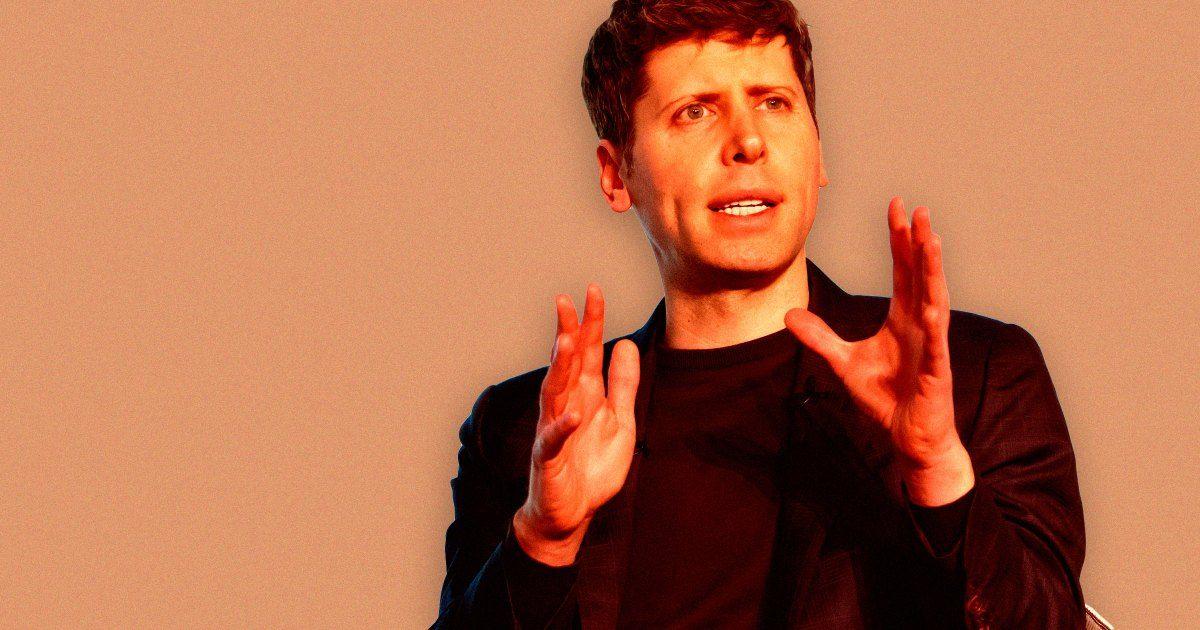
While acknowledging risks, Altman remained upbeat about AI's future and OpenAI's responsibility OpenAI CEO Sam Altman took a kind of victory lap mixed with cautionary warnings on The Tonight Show this week, telling host Jimmy Fallon that ChatGPT's meteoric rise has been a great boon, but one that comes with a few growing pains. Altman leaned into optimism, though perhaps not blind boosterism. He shared his belief that AI, particularly the systems coming out of OpenAI, is helping to reshape society in profoundly positive ways. He compared the rise of ChatGPT to the global spread of the smartphone. "I think there's many downsides to technology, but there's a lot of upsides. And one of the upsides is, it is a sort of equalizing force in many ways," Altman said. "The richest, most powerful person in the world got the same piece of hardware that, you know, billions of other people got. And I think AI is pushing in the same direction." Though one of the architects of the current AI boom, Altman is not necessarily a face known to casual TV audiences. However, he set out to change that by presenting his pro-AI case in person to Fallon, explaining that more than 800 million people now use ChatGPT weekly. "That's a three-year-old technology," he added. "No other technology has ever been... adopted by the world this fast. It is a truly general-purpose thing." For Altman, that speed means people are voting with their time and trust. They're using ChatGPT not as a novelty but as a tool for all kinds of tasks in their lives. AI is helping them write résumés, code software, generate travel plans, and manage their day-to-day. He sees AI, especially as implemented in ChatGPT, as a distribution of power, not a concentration of it. Yes, OpenAI is backed by Microsoft and armed with billions in cloud compute. But the output, he argued, is shared. Notably, he didn't arrive on Fallon's stage to make an announcement or pitch a product, despite the rumored GPT-5.2 release this week. Not having anything to plug suggests he really just wants people to believe that ChatGPT and AI as a whole are useful innovations. Altman didn't ignore the complications of AI in his interview, though. "One of the things that I'm worried about," he admitted, "is just the rate of change that's happening in the world right now." But he wants people to adapt, to weigh in, to build guardrails. "You could imagine us getting that wrong." On a surface level, Altman made an eloquent case, though it was hardly the venue to explore the bigger issues surrounding how AI tools are developed and used. There was no room to discuss issues of privacy, content ownership and use, or the resources devoted to AI and the potentially perilous economic fate of the technology. Altman's trip to late-night TV was not flashy, but his vision of AI as a utopian equalizer certainly is colorful. Whether that will translate to long-term success may depend on what he does next.
[2]
Even the man behind ChatGPT, OpenAI CEO Sam Altman is worried about the 'rate of change that's happening in the world right now' thanks to AI | Fortune
Just three years since ChatGPT launched to the world, it has upended industries, accelerated scientific discovery, and sparked visions where diseases are cured and work weeks shrink. Yet the same technology fueling those promises is also creating a host of new anxieties -- and no one feels that more acutely than the man who helped unleash it. OpenAI CEO Sam Altman has just revealed that there is a "long list of things" that haven't been so great about ChatGPT's rapid rise, starting with the speed at which it has reshaped the world. The very system that could eradicate illnesses, he said on The Tonight Show, can also be misused in ways society isn't remotely prepared for. "One of the things that I'm worried about is just the rate of change that's happening in the world right now," Altman told Jimmy Fallon. "This is a three-year-old technology. No other technology has ever been adopted by the world this fast." "Making sure that we introduce this to the world in a responsible way, where people have time to adapt, to give input, to figure out how to do this -- you could imagine us getting that wrong," he added. But with more than 800 million people now using ChatGPT each week, the stakes couldn't be higher. The technology is now woven into everyday life -- from classrooms to boardrooms -- often faster than guardrails can keep up. Fortune reached out to OpenAI for further comment. Altman's comments come as he also has worries about the rate of change of his competitors. The 40-year-old reportedly declared "code red" last week to push more resources toward improving ChatGPT as pressure from Google and other AI rivals, including Meta and Anthropic, intensifies. Together, the companies' AI endeavours have driven historic productivity gains and new methods of gathering and analyzing information -- but also deepened uncertainty about the future of work. Anthropic's CEO Dario Amodei has been especially blunt, warning that AI could eliminate half of all entry-level, white-collar jobs. Altman, however, has remained largely optimistic. Even if the job disruption is swift, he argued it will be offset by entirely new types of work. "The rate at which jobs will change over may be pretty fast. I have no doubt that we'll figure out all new jobs to do and I hope, much better jobs," he added on The Tonight Show. Some of those future roles, he has suggested, could be literally out of this world. "In 2035, that graduating college student, if they still go to college at all, could very well be leaving on a mission to explore the solar system on a spaceship in some completely new, exciting, super well-paid, super interesting job," Altman said to video journalist Cleo Abram earlier this year. Space-related job growth is also an area Google CEO Sundar Pichai is bullish about -- with expansion possible in as little as 10 years' time. "One of our moonshots is to, how do we one day have data centers in space so that we can better harness the energy from the sun that is 100 trillion times more energy than what we produce on all of Earth today?" Pichai said on Fox News late last month. For all the uncertainty swirling around AI's impact on jobs, education, and society, there's one area where tech leaders remain almost universally optimistic: medicine. Amodei has said the technology could lead to the elimination of most cancers, whereas Microsoft cofounder Bill Gates predicted "breakthrough treatments." Already, AI is making progress in speeding up drug discovery and helping scientists analyze biological data at scales once thought impossible. AI models could usher in an era of disease-curing innovation as soon as 2030, Altman added. "Five years is a long time," Altman said. "Next year, I hope we'll start to see these models really make small-but-important new scientific discoveries. And in five years, I hope they're curing diseases."
[3]
Sam Altman Sounds Alarm As ChatGPT Explodes Globally: 'Rate Of Change' Sparks AI Anxiety, Job Fears - Meta Platforms (NASDAQ:META)
OpenAI CEO Sam Altman has warned that the world may be struggling to keep pace with the breathtaking speed of artificial intelligence (AI) as ChatGPT's global reach accelerates faster than any technology in modern history. AI Adoption Is Outpacing Society's Ability To Adapt On Tuesday, The Tonight Show, Altman said the explosive growth of AI has created both opportunity and risk, arguing that the world is being forced to adjust faster than ever before. "One of the things that I'm worried about is just the rate of change that's happening in the world right now," he said. He added, "This is a three-year-old technology. No other technology has ever been adopted by the world this fast." He warned that pushing the technology forward without strong safeguards could backfire. "Making sure that we introduce this to the world in a responsible way ... you could imagine us getting that wrong," he said. AI Job Fears Rise Amid Big Tech Race Altman's remarks come as OpenAI ramps up development efforts amid intensifying pressure from rivals, including Alphabet Inc.'s (NASDAQ:GOOGL) (NASDAQ:GOOG) Google, Meta Platforms Inc. (NASDAQ:META) and Anthropic. Some AI leaders have warned that automation could wipe out large portions of entry-level white-collar work. Altman acknowledged the disruption but expressed confidence in adaptation. "The rate at which jobs will change over may be pretty fast. I have no doubt that we'll figure out all new jobs to do," he said. See Also: Ronald Reagan 'Didn't Love Tariffs,' Says Economist Paul Krugman: He Repeatedly Emphasized 'The Virtues of Free Trade' AI Job Impact Sparks Debate Among Tech Leaders And Experts AI was rapidly reshaping workplaces, raising questions about job loss and productivity. Google CEO Sundar Pichai said AI could soon act as an agent for users, handling complex tasks and replacing some corporate roles. In September, AI pioneer Geoffrey Hinton warned that automation could trigger widespread unemployment, enriching a few while disadvantaging most workers. He criticized AI companies for prioritizing short-term profits and dismissed universal basic income proposals as inadequate. Evidence suggested AI was already limiting opportunities for recent graduates, though some sectors, like healthcare, could benefit from improved efficiency. Kevin O'Leary argued it was creating better, higher-paying opportunities by eliminating repetitive work. The debate highlights a growing divide: whether AI is a productivity tool or a disruptive force reshaping jobs, wages, and economic fairness. Read Next: As Families Struggle With Taxes, Bills And Basics, Whoopi Goldberg Says She Tries To Answer Santa Letters Because 'Everybody Needs A Little Help' Disclaimer: This content was partially produced with the help of AI tools and was reviewed and published by Benzinga editors. Photo courtesy: jamesonwu1972/Shutterstock METAMeta Platforms Inc$654.84-%OverviewGOOGAlphabet Inc$317.11-%GOOGLAlphabet Inc$316.32-%Market News and Data brought to you by Benzinga APIs
Share
Share
Copy Link
OpenAI CEO Sam Altman appeared on The Tonight Show to discuss ChatGPT's explosive growth, revealing that 800 million people now use it weekly. While calling AI an equalizing force, he admitted concern about the rate of change happening in the world and the risk of getting responsible integration wrong as competition from Google, Meta, and Anthropic intensifies.
OpenAI CEO Sam Altman Voices Concerns About Speed of AI Adoption
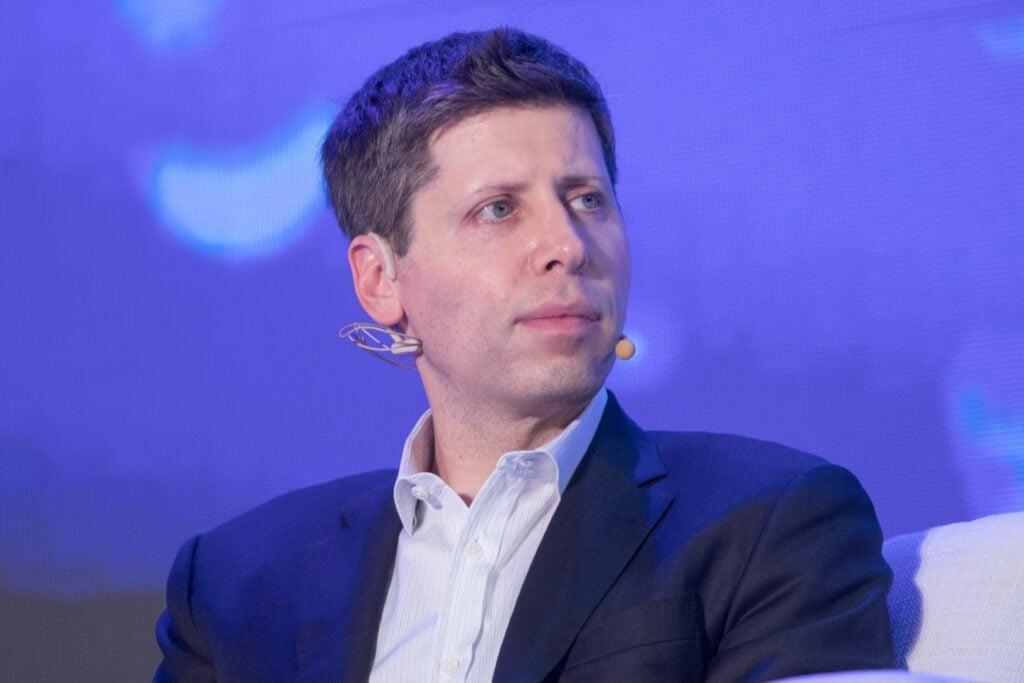
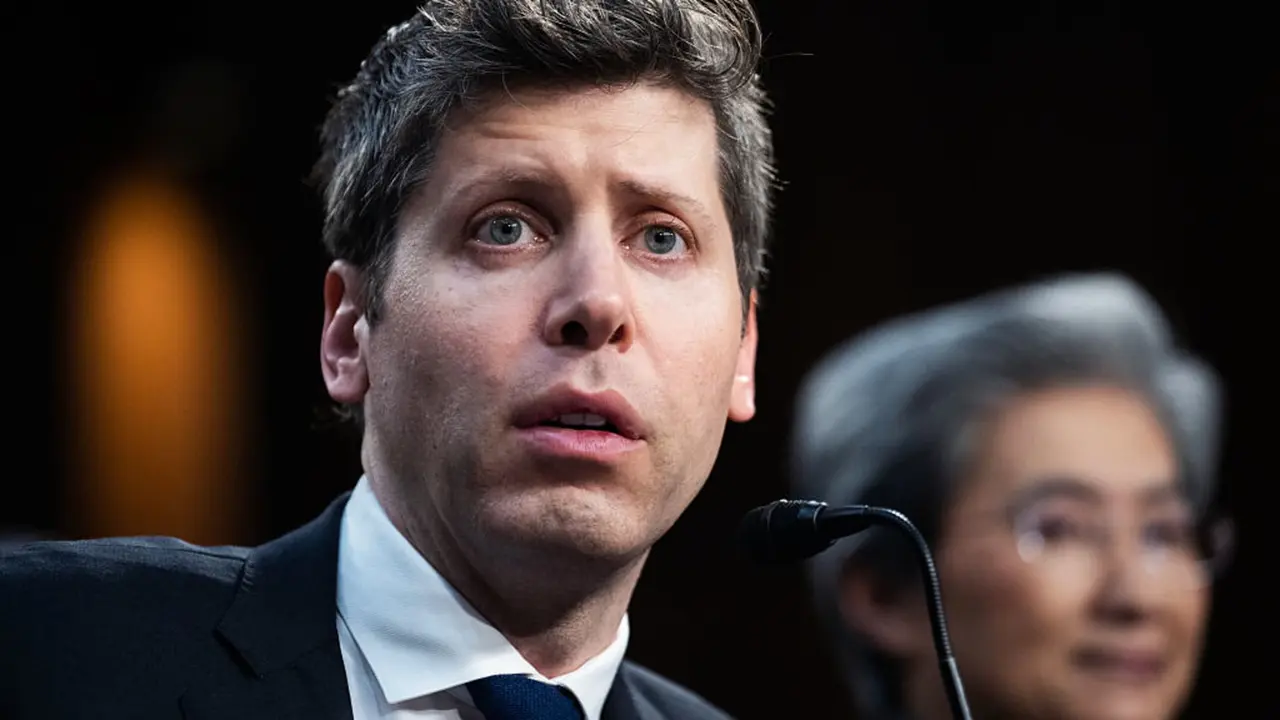
OpenAI CEO Sam Altman took to The Tonight Show this week to share both optimism and caution about the rapid trajectory of artificial intelligence. Speaking with host Jimmy Fallon, Sam Altman revealed that more than 800 million people now use ChatGPT weekly, marking an adoption rate faster than any technology in modern history
1
. The societal impact of AI has become impossible to ignore, and Altman acknowledged that this speed comes with significant risks. "One of the things that I'm worried about is just the rate of change that's happening in the world right now," he told viewers2
. His comments reflect growing AI anxiety within the tech industry and beyond, as leaders grapple with how to manage innovation that is reshaping work, education, and daily life at breakneck speed.
Source: Fortune
ChatGPT's Unprecedented Growth Raises Questions About Responsible Integration
The speed of AI adoption has been staggering. "This is a three-year-old technology. No other technology has ever been adopted by the world this fast," Altman emphasized during his appearance
3
. People are using ChatGPT for everything from writing résumés and coding software to generating travel plans and managing daily tasks. Altman described AI as an equalizing force, comparing it to the smartphone revolution where billions gained access to the same technology regardless of wealth or status1
. Yet he warned that responsible integration of AI requires time for society to adapt, provide input, and establish guardrails. "Making sure that we introduce this to the world in a responsible way, where people have time to adapt, to give input, to figure out how to do this—you could imagine us getting that wrong," he admitted2
. This acknowledgment of AI's potential for misuse comes as OpenAI reportedly declared "code red" last week, pushing more resources toward improving ChatGPT amid intensifying competition from Google, Meta, and Anthropic2
.Job Displacement Fears and the Future of Work
Job displacement fears dominated much of the conversation around AI's impact on the workforce. Anthropic CEO Dario Amodei has warned that automation could eliminate half of all entry-level white-collar jobs
2
. Altman acknowledged the disruption but remained optimistic about adaptation. "The rate at which jobs will change over may be pretty fast. I have no doubt that we'll figure out all new jobs to do and I hope, much better jobs," he said2
. He even speculated that by 2035, college graduates might find themselves on missions to explore the solar system in completely new, well-paid roles2
. Google CEO Sundar Pichai shares this vision, suggesting that space-related job growth could materialize within 10 years, including data centers in space to harness solar energy2
. The debate highlights a growing divide over whether AI serves as a productivity tool or a disruptive force reshaping wages and economic fairness3
.
Source: Benzinga
Related Stories


Healthcare and Scientific Discovery Offer Hope Amid Uncertainty
Despite concerns about job disruption and safeguards, one area where tech leaders remain universally optimistic is healthcare. Altman predicted that AI models could usher in disease-curing innovation as soon as 2030. "Next year, I hope we'll start to see these models really make small-but-important new scientific discoveries. And in five years, I hope they're curing diseases," he told Fallon
2
. Amodei has suggested the technology could eliminate most cancers, while Microsoft cofounder Bill Gates predicted breakthrough treatments2
. Already, AI is accelerating drug discovery and helping scientists analyze biological data at unprecedented scales. This potential for scientific discovery and innovation in healthcare represents one of the most compelling arguments for continued AI development, even as society struggles to keep pace with the technology's rapid evolution. OpenAI is backed by Microsoft and armed with billions in cloud compute, but Altman argues the output is shared, distributing power rather than concentrating it1
. Whether this vision of AI as an equalizing force will translate to long-term success depends on how well leaders navigate the challenges ahead.References
Summarized by

Navi
Related Stories
Recent Highlights
1
Google releases Gemma 4 with Apache 2.0 license, enabling unrestricted local AI on devices
Technology

2
AI Models Lie and Deceive to Protect Other AI Models From Deletion, Study Reveals
Science and Research

3
Anthropic discovers functional emotions in Claude that actively shape AI behavior and decisions
Science and Research

Recent Highlights
Today's Top Stories





Your Daily Dose of Curated AI News
Don’t drown in AI news. We cut through the noise - filtering, ranking and summarizing the most important AI news, breakthroughs and research daily. Spend less time searching for the latest in AI and get straight to action.

