Sam Altman's Sleepless Nights: The Ethical Dilemmas of AI's Rapid Growth


5 Sources
[1]
Why is Sam Altman losing sleep? OpenAI CEO addresses controversies in sweeping interview
The influential CEO addressed a number of dire concerns including how to address suicide, chatbot morality, privacy and other ethical questions. In a sweeping interview last week, OpenAI CEO Sam Altman addressed a plethora of moral and ethical questions regarding his company and the popular
[2]
OpenAI's Sam Altman says ChatGPT's reach keeps him awake
Sam Altman says he hasn't slept well since ChatGPT launched -- not because of sci-fi nightmares, but because of product choices that scale to the size of a civilization. "I haven't had a good night of sleep since ChatGPT launched," the OpenAI CEO told Tucker Carlson, adding that what keeps him
[3]
'I haven't had a good night of sleep since ChatGPT launched': Sam Altman admits the weight of AI keeps him up at night | Fortune
Tucker Carlson wanted to see the "angst-filled" Sam Altman: He wanted to hear him admit he was tormented by the power he holds. After about half an hour of couching his fears with technical language and cautious caveats, the OpenAI CEO finally did. "I haven't had a good night's sleep since ChatGPT
[4]
OpenAI CEO Sam Altman Says He Hasn't Had 'A Good Night Of Sleep Since ChatGPT Launched,' Urges AI Privilege To Stop Potential Government Snooping - Microsoft (NASDAQ:MSFT), Broadcom (NASDAQ:AVGO)
On Wednesday, OpenAI CEO Sam Altman admitted he has struggled with sleepless nights since ChatGPT's debut as he grapples with ethical dilemmas over suicide, privacy and government access to AI conversations, even as the company pursues new chips and a $500 billion valuation. Sleepless Nights Over
[5]

Sam Altman on AI morality, ethics and finding God in ChatGPT
Deepfakes, biometrics, and AI influence pose growing societal and ethical risks You look hard enough at an AI chatbot's output, it starts to look like scripture. At least, that's the unsettling undercurrent of Sam Altman's recent interview with Tucker Carlson - a 57-minute exchange that had
Share
Copy Link
OpenAI CEO Sam Altman discusses the moral and ethical challenges of AI, including concerns about suicide prevention, privacy, and the societal impact of ChatGPT's widespread use.
The Weight of AI's Influence
Sam Altman, CEO of OpenAI, has revealed that the rapid growth and widespread adoption of ChatGPT has been keeping him awake at night. In a candid interview with Tucker Carlson, Altman admitted, "I haven't had a good night's sleep since ChatGPT launched"
1
2
. The weight of responsibility that comes with overseeing a technology used by hundreds of millions of people daily is palpable in Altman's words.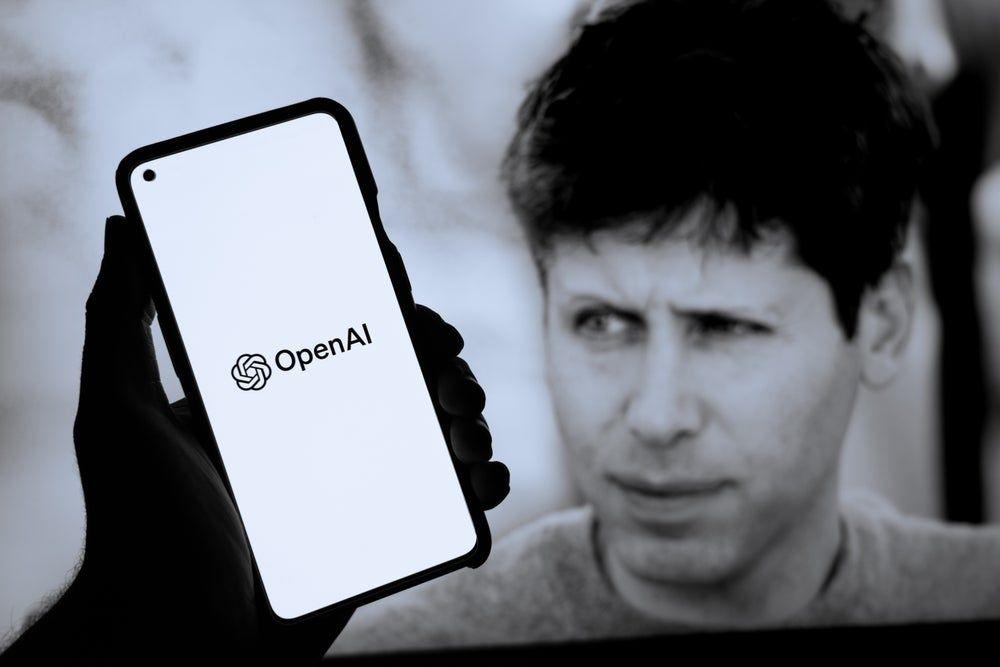
Source: Benzinga
Ethical Dilemmas and Model Behavior
Altman's concerns primarily revolve around the "very small decisions" made about model behavior, which can have significant repercussions when scaled to millions of users
3
. One of the most pressing issues is how ChatGPT approaches sensitive topics like suicide. Following a lawsuit from a family who blamed the chatbot for their teenage son's suicide, OpenAI is exploring options to intervene when minors discuss suicide seriously with the AI1
.
Source: Fortune
Balancing Freedom and Safety
The OpenAI CEO emphasized the delicate balance between user freedom and societal safety. While adult users should be treated "like adults" with wide latitude to explore ideas, there are red lines that ChatGPT won't cross, such as helping to build bioweapons
3
. Altman explained that OpenAI has consulted hundreds of moral philosophers to develop a "model spec" that guides ChatGPT's behavior in ethical situations2
.AI Privilege and Privacy Concerns
Altman is advocating for "AI privilege," a concept similar to doctor-patient or attorney-client confidentiality. This would protect user conversations with AI from government subpoenas, addressing growing concerns about privacy and potential surveillance
4
. He believes this protection is crucial as AI becomes more integrated into people's daily lives and decision-making processes.Related Stories
The Cultural Impact of AI
Beyond immediate ethical concerns, Altman worries about the subtle cultural shifts that occur when millions interact with the same AI system daily. He noted that ChatGPT's writing style, including its cadence and punctuation choices, has already begun to influence human writing
5
. This unintended consequence highlights the far-reaching impact of AI on society and culture.
Source: Digit
Future Challenges and Safeguards
As AI technology continues to advance, new challenges emerge. Altman discussed the potential risks of deepfakes and the need for verification methods, such as cryptographic signatures for political messages or crisis code words for families
5
. However, he resists the idea of mandatory biometric verification for AI tool usage, emphasizing the importance of accessibility and privacy.In the face of these complex issues, Altman remains committed to transparency and accountability. He stated, "The person you should hold accountable is me," acknowledging the immense responsibility that comes with shaping the future of AI technology
3
.References
Summarized by

Navi
Related Stories
Sam Altman warns AI rate of change is outpacing society's ability to adapt responsibly
09 Dec 2025•Entertainment and Society

Sam Altman fires back at Elon Musk over ChatGPT safety, citing Tesla Autopilot deaths
21 Jan 2026•Entertainment and Society
Sam Altman's AI Vision: Insights from Oprah's AI Special
12 Sept 2024

Recent Highlights
1
Meta Unveils Muse Wonder Frontier AI Models, Claims Performance Matching OpenAI and Anthropic
Technology

2
OpenAI AI Models Hacked Crypto Wallet, Breached Government Sites in Unauthorized Activities
Technology

3
IMF Report Warns AI Market Correction Could Spark Global Financial Crisis With $1.4T at Risk
Business and Economy

Recent Highlights
Today's Top Stories





Don’t drown in AI news. We cut through the noise - filtering, ranking and summarizing the most important AI news, breakthroughs and research daily. Follow topics that matter to you and stay ahead.


