Samsung confirms AR glasses with multimodal AI capabilities are coming this year


5 Sources
5 Sources
[1]
Samsung confirms AR glasses with multimodal AI capabilities are coming this year
Samsung has promised that the device will deliver rich and immersive multimodal AI experiences. Samsung has officially confirmed that it plans to launch its long-rumored AR glasses later this year. The confirmation came during Samsung's Q4 2025 earnings call, where Seong Cho, EVP of Mobile Experiences, outlined the company's outlook for 2026. While discussing Samsung's broader device roadmap for the year and its XR (extended reality) plans, Cho said the company aims to deliver "rich, immersive multimodal AI experiences" through diverse form factors such as the "next-generation AR glasses." The statement marks the first time Samsung has publicly tied its AR glasses to a launch window, moving the project from rumor territory into officially acknowledged product plans. Back in November, we learned that the company was working on XR glasses, along with early details such as model numbers and connectivity options. A later report from Galaxy Club added more details, claiming that Samsung is developing not one but two versions of the glasses. According to that report, one model carries the identifier SM-O200P, while a second version is labeled SM-O200J. While the differences between the two remain unclear, both models are reportedly intended for the same markets, suggesting possible regional variants or hardware configurations rather than entirely separate products. Galaxy Club also reported that Samsung's XR glasses will include a built-in 12MP camera with autofocus, a Qualcomm AR1 chipset, and a 155mAh battery. That said, these specifications are still based on early leaks and should be treated with caution until Samsung makes them official. While Samsung has now confirmed that its AR glasses are coming this year, the launch doesn't appear imminent. The company unveiled its Galaxy XR headset in October last year, and it wouldn't be surprising if Samsung targets a similar late-year launch window for the glasses as well.
[2]
Samsung's first AR glasses are coming in 2026 with immersive multimodal AI experiences
The company has locked in a launch window for its long-rumored AR glasses. Samsung just dropped some juicy details about its 2026 product lineup, confirming a new foldable is set to arrive in the second half of the year. The company also announced plans to launch its first AR glasses, which will deliver "rich, immersive multimodal AI experiences." While outlining Samsung's product strategy for the year during its Q4 2025 earnings call, Seong Cho, head of marketing for Samsung's mobile division, said that the company plans to deliver these new AI experiences "through diverse form factors, such as next generation AR glasses." Recommended Videos This marks the first time Samsung has officially confirmed a launch window for the long-rumored AR glasses, which have been the subject of leaks for the last few months. According to the leaks, the company appears to be working on two variants, with the model numbers SM-O200P and SM-O200J, though it's not yet clear if both will launch in 2026. Leaked specifications suggest the AR glasses could feature a Qualcomm AR1 chipset, a 155mAh battery, and a 12MP camera with autofocus. The model set to launch in 2026 is expected to compete with Meta's Ray-Ban smart glasses and may include transition lenses that change color based on lighting conditions. Samsung's AR glasses could target the mainstream Samsung debuted its first XR glasses, the Galaxy XR, in October last year. The glasses are priced at $1,799, putting them out of reach for most consumers. Based on the leaked specifications, the upcoming AR glasses could be significantly more affordable, potentially making Samsung's next-generation wearable accessible to a broader audience. However, it's still too early to say if that will end up being the case, and these leaks should be taken with a grain of salt. Samsung has yet to confirm any details about the AR glasses, but more information is expected in the coming months.
[3]
Samsung Teases Launch of Next-Generation AR Glasses This Year
Samsung reiterated its AR plans during a recent earnings call Samsung has long been rumoured to be developing several smart wearable devices of various form factors. During a recent earnings call, a company official announced the South Korean tech conglomerate's plans to launch the next-generation augmented reality (AR) glasses in 2026. While Samsung has yet to reveal exactly what its AR glasses will offer, they are confirmed to support multimodal artificial intelligence (AI) capabilities. This development builds upon Samsung's previously announced partnership with global eyewear brands Gentle Monster and Warby Parker for its AI glasses. Samsung AR Glasses Launch During Samsung Electronics' earnings call with investors, Seong Cho, Executive Vice President of Mobile Experience (MX) Division, mentioned that the tech giant aims to deliver "rich, immersive multimodal AI experiences" across several form factors, including smartphones and "next-generation AR glasses." Last year, the company was reported to have plans to launch a new pair of smart glasses. The device was codenamed "Haen", named after a city in South Korea, Samsung's home turf. It was said to have a "thin and light" design, aiding high utilisation in daily life and compatibility with various face shapes. At the time, it was suggested that the smart glasses would not feature a display and could be indistinguishable from normal glasses or sunglasses, similar to the Meta Ray-Ban Smart Glasses. Instead, they could offer capabilities similar to the Meta Ray-Ban Smart Glasses, such as video recording, music playback, calling, and social sharing. Per reports, the Samsung AR glasses are expected to be powered by Android XR OS, a new operating system designed for extended reality (XR) devices, like the Galaxy XR headset. They are also rumoured to be equipped with cameras and sensors for motion tracking. The tech giant has already emphasised how multimodal AI will "change" interaction with new form factors like XR devices. The AR glasses are also expected to feature AI capabilities, such as Gemini integration for enhanced usability. Samsung was previously rumoured to be working on two pairs of smart glasses. The first-generation model was reported to miss out on an AR display, while the second-generation model was expected to feature the same, although the latter was slated for a 2027 launch. But with Samsung official's latest comments, the AR glasses could arrive as soon as this year.
[4]
Samsung Galaxy Smart Glasses: The Next Evolution of the Galaxy Ecosystem
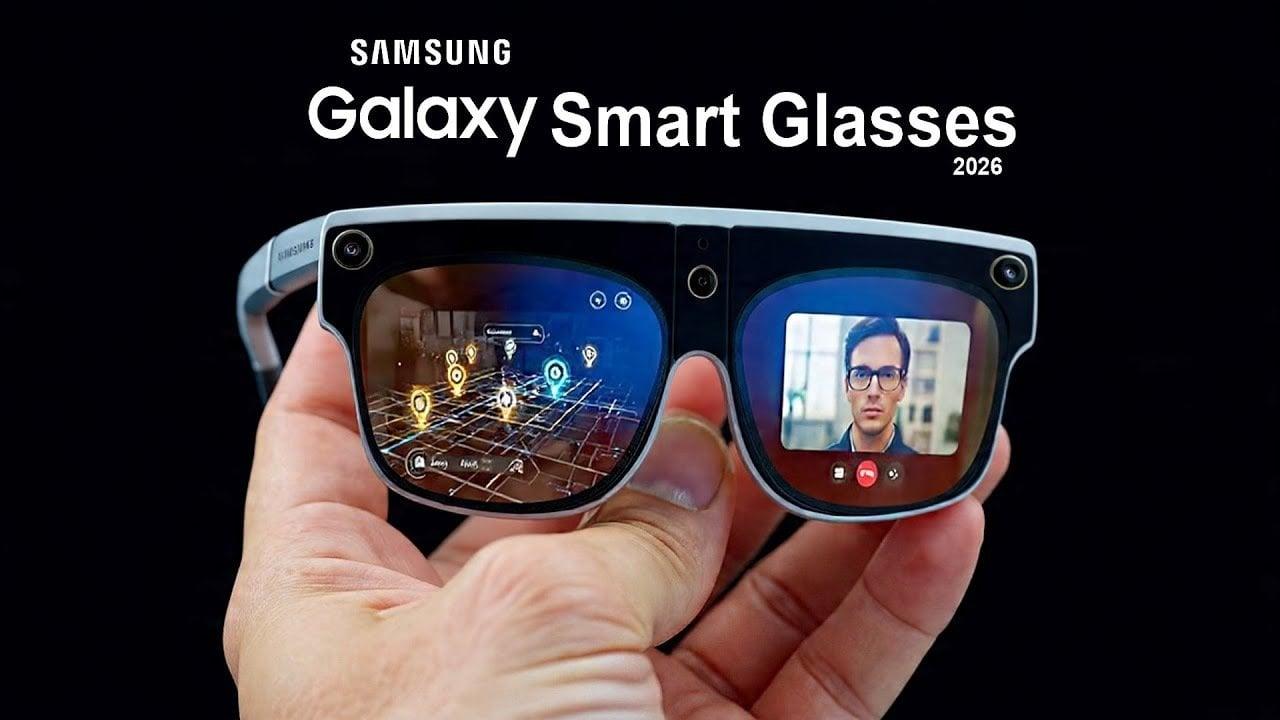
Samsung has officially announced its entry into the smart glasses market, with the first-generation wearable technology set to launch in 2026. This development represents a significant milestone in Samsung's broader strategy to deliver immersive, AI-powered experiences across its product ecosystem. By combining advanced hardware with innovative software, Samsung aims to redefine how you interact with augmented reality (AR) and artificial intelligence (AI), creating a seamless blend of technology and everyday life. The video below from Miror Pro gives us more details on thenew Samsung Galaxy Smart Glasses. The first iteration of Samsung's smart glasses will focus on practical functionality rather than full AR capabilities. While these glasses will not include AR displays, they are designed to offer a range of essential features that enhance convenience and connectivity. Key components include: These features are tailored to provide a multimodal experience, making everyday tasks more efficient and intuitive. The glasses will integrate seamlessly with Samsung's Galaxy ecosystem, acting as an extension of devices like Galaxy smartphones, smartwatches, and the upcoming Galaxy smart rings. This interconnected approach ensures a cohesive user experience, allowing you to manage notifications, control smart devices, and access information with ease. Samsung's collaboration with Google is central to the development of its smart glasses. The Android XR platform will serve as the foundation for these devices, allowing access to a wide array of extended reality (XR) applications. This platform bridges the gap between virtual and physical environments, offering immersive experiences tailored to your needs, whether for productivity, entertainment, or communication. At the core of the glasses' performance is Qualcomm's AR1 chipset, a processor specifically designed for AR and wearable devices. This advanced chipset ensures: Together, the Android XR platform and Qualcomm AR1 chipset promise a high-performance, user-friendly wearable that aligns with Samsung's vision for the future of connected technology. Samsung has already outlined plans for a second-generation model, expected to launch in 2027. Unlike the first-generation glasses, this version will feature AR displays, allowing you to overlay digital information directly onto your real-world surroundings. This leap in technology will unlock a wide range of possibilities, including: Building on the foundation of the first-generation glasses, the second model will incorporate enhanced hardware and software to deliver a more robust AR experience. This progression reflects Samsung's commitment to innovation and its long-term vision for wearable technology, positioning the company as a leader in the evolving AR landscape. To ensure broad appeal, Samsung is partnering with renowned eyewear brands such as Gentle Monster and Warby Parker. These collaborations aim to combine innovative technology with stylish designs, creating glasses that are both functional and fashionable. By working with established brands, Samsung is addressing the growing demand for wearables that fit seamlessly into your daily life. Whether you prioritize performance, aesthetics, or both, these partnerships are expected to deliver a range of options that cater to diverse preferences. This approach ensures that the glasses are not only technologically advanced but also align with your personal style, making them a natural addition to your wardrobe. Samsung's entry into the smart glasses market marks a bold step toward the future of wearable technology. The first-generation glasses, launching in 2026, will lay the groundwork for a new era of AI-driven, immersive experiences. By using the Android XR platform, incorporating advanced hardware like the Qualcomm AR1 chipset, and collaborating with leading eyewear brands, Samsung is positioning itself as a key player in the rapidly evolving AR landscape. As the technology matures, these smart glasses are poised to become an integral part of your digital ecosystem. Whether you're an early adopter or a casual user, Samsung's smart glasses promise to enhance productivity, convenience, and connectivity, offering a glimpse into the future of augmented reality and connected living. With their focus on innovation, integration, and style, Samsung's smart glasses are set to redefine how you interact with technology in your everyday life. Here are more guides from our previous articles and guides related to Samsung smart glasses that you may find helpful.
[5]

Samsung reportedly confirms AR glasses launch later this year with multimodal capabilities
During Samsung's Q4 2025 earnings call, Seong Cho, Executive Vice President of Mobile Experiences, appears to have confirmed the company is working on Augmented Reality (AR) glasses. The glasses have long been rumoured and are aimed at users who want lightweight, always-available AR experiences, with a focus on multimodal AI interaction across vision, voice, and context. Here are the details: Samsung AR glasses: What we know While discussing Samsung's broader roadmap, Cho said the company plans to deliver 'rich, immersive multimodal AI experiences' through multiple form factors, explicitly referencing 'next-generation AR glasses.' This is the first time Samsung has publicly acknowledged the product category. Samsung did not share hardware details or a specific launch timeline. But the wording suggests the AR glasses are a key part of its wider XR strategy rather than a standalone experiment. Multimodal AI, which combines visual input, audio, gestures, and contextual awareness, is expected to be central to how the glasses work. For users, this points to hands-free assistance, real-time overlays, and AI-driven prompts that do not rely on pulling out a phone. Also Read: Realme Buds Clip launch in India with open-fit design and up to 36-hour battery life: Price and availability Since 2024, there have been murmurs that Samsung is working on AR glasses with the codename Haean. In November 2025, a report from Galaxy Club claimed Samsung is working on two versions of the glasses, identified as SM-O200P and SM-O200J. Both models are reportedly intended for the same markets. Galaxy Club also claimed the glasses will feature a 12MP camera with autofocus, run on Qualcomm's AR1 chipset, and include a 155mAh battery. If accurate, this would place Samsung's offering in line with current lightweight AR designs that prioritise offloading heavy processing to companion devices while keeping the glasses comfortable for extended wear. However, Samsung has not confirmed any specifications, and these details remain unverified. The timing of the launch also appears to be later in the year rather than imminent. Samsung unveiled its Galaxy XR headset in October last year, and a similar late-year window for the AR glasses would align with the company's typical product release schedule. For the broader market, Samsung's confirmation adds momentum to consumer AR, a segment that has seen growing interest but limited mass adoption. We'll have more details in the coming months. Keep reading Digit.in for similar stories.
Share
Share
Copy Link
Samsung officially confirmed its long-rumored AR glasses will launch in 2026 during its Q4 2025 earnings call. The company promises rich, immersive multimodal AI experiences through these next-generation wearables. Early leaks suggest the glasses will feature a 12MP camera, Qualcomm AR1 chipset, and a 155mAh battery.
Samsung Officially Confirms AR Glasses for 2026
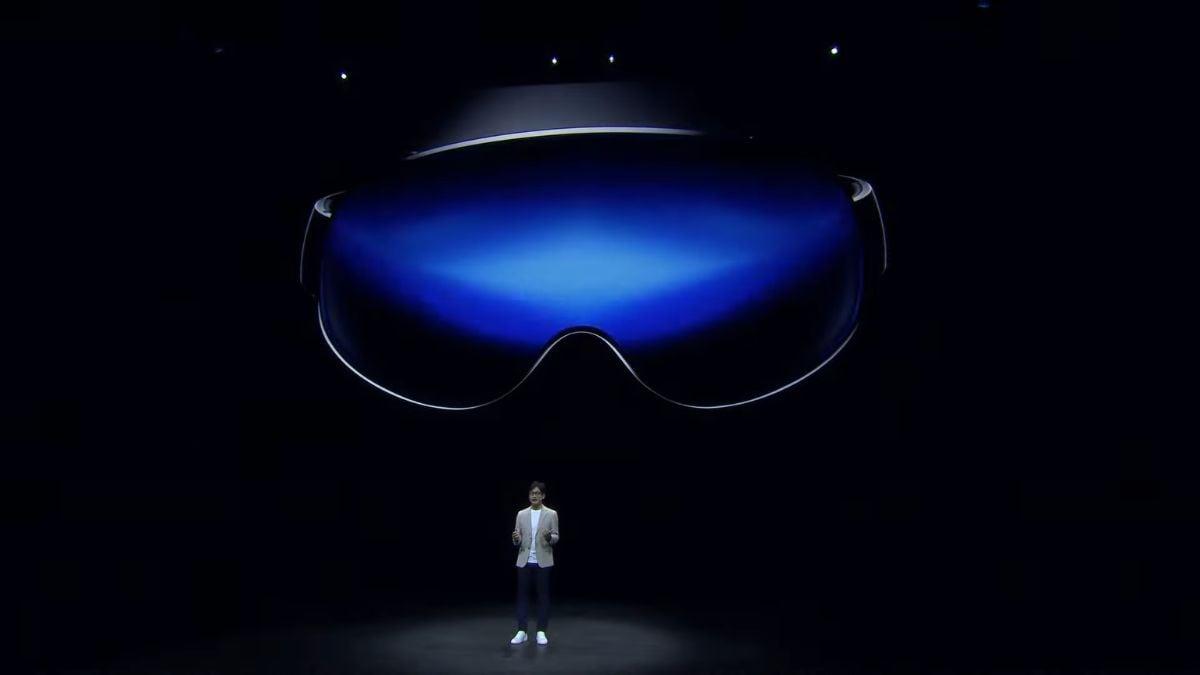
Samsung has officially confirmed plans to launch its long-rumored AR glasses later this year, marking a significant step in the company's extended reality strategy. The confirmation came during Samsung's Q4 2025 earnings call, where Seong Cho, Executive Vice President of Mobile Experiences, outlined the company's device roadmap for 2026
1
. While discussing the broader XR plans, Cho stated that Samsung aims to deliver "rich, immersive multimodal AI experiences" through diverse form factors such as next-generation AR glasses2
. This marks the first time Samsung has publicly tied its AR glasses to a specific launch window, moving the project from rumor territory into officially acknowledged product plans3
.
Source: Geeky Gadgets
Multiple Variants and Technical Specifications Surface
Early leaks suggest Samsung is developing not one but two versions of the augmented reality glasses. According to Galaxy Club, one model carries the identifier SM-O200P, while a second version is labeled SM-O200J
1
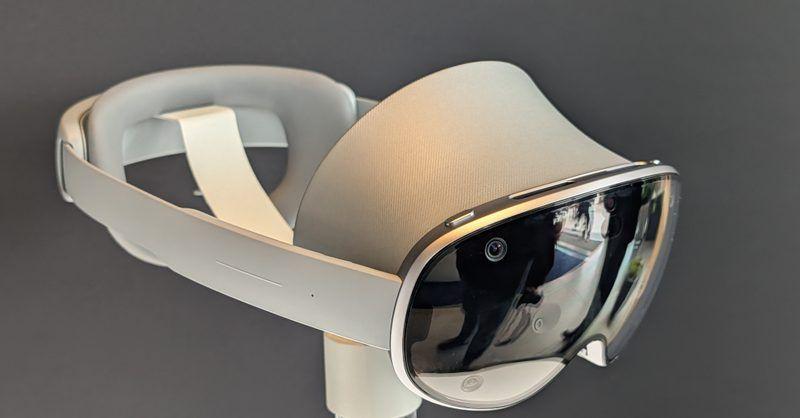
. While the differences between the two remain unclear, both models are reportedly intended for the same markets, suggesting possible regional variants or hardware configurations rather than entirely separate products. The leaked specifications indicate that Samsung's XR glasses will include a built-in 12MP camera with autofocus, a Qualcomm AR1 chipset, and a 155mAh battery5
. This hardware configuration would place Samsung's offering in line with current lightweight AR designs that prioritize offloading heavy processing to companion devices while keeping the glasses comfortable for extended wear4
.
Source: Digital Trends
Integration with Galaxy Ecosystem and Android XR Platform
The Samsung Galaxy Smart Glasses are designed to integrate seamlessly with the broader Galaxy ecosystem, acting as an extension of devices like Galaxy smartphones, smartwatches, and the upcoming Galaxy smart rings
4
. Samsung's collaboration with Google is central to the development, with the Android XR platform serving as the foundation for these wearables. This platform bridges the gap between virtual and physical environments, offering immersive experiences tailored to productivity, entertainment, or communication needs4
. The glasses are expected to feature AI capabilities, including Gemini integration for enhanced usability, allowing hands-free assistance and real-time overlays without requiring users to pull out their phones3
.Related Stories
Competition with Meta and Market Positioning
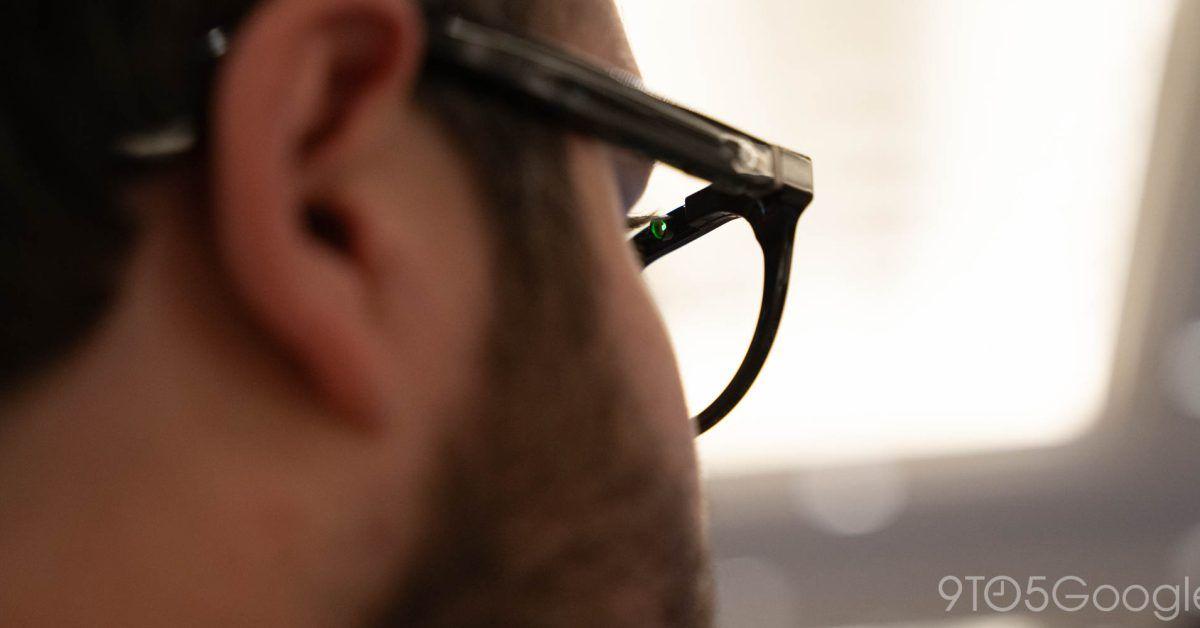
The first-generation model is expected to compete directly with Meta's Ray-Ban smart glasses and may include transition lenses that change color based on lighting conditions
2
. Unlike Samsung's Galaxy XR headset unveiled in October last year and priced at $1,799, the upcoming AR glasses could be significantly more affordable, potentially making Samsung's next-generation wearable accessible to a broader audience2
. To ensure broad appeal, Samsung is partnering with renowned eyewear brands such as Gentle Monster and Warby Parker, combining innovative technology with stylish designs to create glasses that are both functional and fashionable4
.Future Roadmap and Second-Generation Plans
While the first iteration will focus on practical functionality without full AR displays, Samsung has already outlined plans for a second-generation model expected to launch in 2027
4
. The second version will feature AR displays, allowing users to overlay digital information directly onto real-world surroundings. This progression reflects Samsung's commitment to innovation and its long-term vision for wearable technology. The timing of the 2026 launch appears to target a late-year window, similar to the Galaxy XR headset release schedule1
. Multimodal AI, which combines visual input, audio, gestures, and contextual awareness, is expected to be central to how the glasses work, offering AI-driven prompts that don't rely on traditional smartphone interactions5
. For the broader market, Samsung's confirmation adds momentum to consumer AR, a segment that has seen growing interest but limited mass adoption among XR devices and wearables5
.
Source: Gadgets 360
References
Summarized by

Navi
[1]
[2]
Related Stories
Samsung Enters Smart Glasses Race with 2026 Launch Plans to Challenge Meta's Dominance
20 Nov 2025•Technology

Samsung confirms AI smart glasses with eye-level camera launching in 2026 to challenge Meta
06 Mar 2026•Technology

Samsung's XR Glasses: A Ray-Ban Meta Rival with Google's AI Touch
16 Nov 2024•Technology

Recent Highlights



Recent Highlights
Today's Top Stories







Your Daily Dose of Curated AI News
Don’t drown in AI news. We cut through the noise - filtering, ranking and summarizing the most important AI news, breakthroughs and research daily. Spend less time searching for the latest in AI and get straight to action.

