Sony AI trains tool on Studio Ghibli films to fight AI slop and protect copyright


2 Sources
2 Sources
[1]
Sony Wants to Defeat Ghibli AI Slop... By Feeding Ghibli Movies Into Its Own Slop Machine
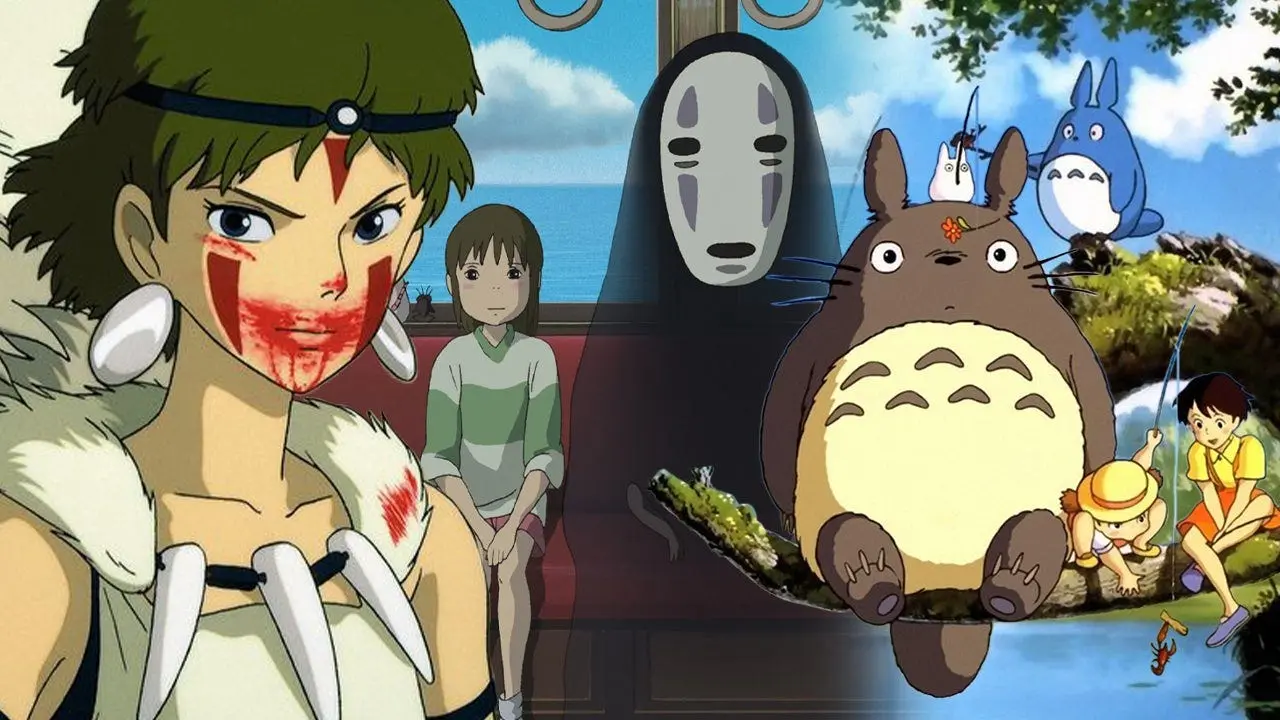
The old adage, "if you can't beat 'em, join 'em," is being implemented by Sony in the war on AI on the side of human artists, with the company reportedly using an AI model trained on Studio Ghibli anime to prevent the generation of all the copyright-infringing content that's been slopping up the internet. According to the Japanese website Nikkei (translated by Automation), Sony's AI division has created new tech called "Protective AI." Its purpose, as one might surmise from its title, is to stop AI-generated content from videos to music. Protective AI is also reportedly creating a system that gives the original creators and rights holders fair compensation, though how that's possible isn't exactly spelled out. According to IGN, a lot of that has to do with Protective AI still being in the research and development stage, so Sony hasn't decided exactly how to use it internally yet. But what is clear and a little counterintuitive in the grand scheme of things is that Protective AI was trained to avoid digital plagiarism by feeding the AI tool Studio Ghibli data. Basically, the whole situation reads like when Swen Vincke, the CEO of Larian, had to walk back the backlash against generative AI it had received in the wake of Divinity's announcement, saying it'd only be used internally. Only here, the idea is that by feeding Protective AI data to generate prompts aping Studio Ghibli's art style, it can be used to prevent them. Fighting fire with fire, as it were. Whatever the case, we're sure its famed animator, Hayao Miyazaki, sees this solution as an insult to life as well. All of this is happening a bit late to the races since AI slop has felt inescapable on every corner of the internet. We're way past the point where the jingle-keys crowd and out-of-touch relatives on Facebook who rush to generate Studio-Ghibli-style profile pictures and images of themselves have clued in to how blissfully unaware they've been sharing algorithmic slop on the timeline. All the while, Studio Ghibli has become the epicenter for this kind of slop, with the likes of the White House using Ghibli-styled AI for its vile ICE deportation propaganda. While it's not like Japanese companies haven't taken all this lying down, seeing the only major point of recourse as a solution to AI being an environmental and artistic problem, as the only way to prevent the problem from occurring, is crazy work.
[2]
Sony Takes Aim at Studio Ghibli AI Slop, Developing Tool to Stop Copyright Infringing Content and Compensate Original Creators - IGN
Sony has trained a "Protective AI" model on content from Studio Ghibli films in order to create a tool that knows to avoid generating copyright-infringing images, videos and music. As reported by The Nikkei (and spotted by Automaton), the project is in development by Sony AI, the Japanese electronics giant's AI research and development-focused division. Protective AI's purpose is to stop the generation of unauthorized imitations of copyrighted material, even through indirect prompts by a user. So, to train the tool on what it shouldn't generate, Sony has fed it copyrighted content -- those Studio Ghibli movies -- so it knows what to avoid. Of course, Studio Ghibli-style AI images are commonly seen online, with AI tools now able to easily replicate the artstyle of the famous Princess Monoke and Spirited Away animation house. Open AI founder Sam Altman even currently has a Ghibli-style profile pic on X. But could this era soon be over? Apparently, Protective AI will also open up pathways for original creators and rights holders to be financially compensated when their work contributes to AI-generated content. However, this new tool is still at the research and development stage, and Sony has yet to decide how they will utilize it within the company. As the Sony Group covers a huge library of games, music, movies and increasingly anime (through its strategic partnership with Kadokawa), Protective AI could potentially help protect the rights of a large number of creators and copyright holders. According to Sony AI's homepage, they believe that "AI should be developed and deployed in a responsible, fair and transparent way," and Protective AI seems to be part of these endeavors. Sony AI has previously mentioned its efforts to protect original creators' rights, specifically when it comes to music: "Sony AI's researchers are working to develop the blueprints for AI technologies that can use the unique power of artificial intelligence to help artists and rights holders understand when and how their work appears in generated music, and enable the creation of tools that support attribution and protection at scale." So far this year, the Sony Group has filed patents for other AI technologies, including an AI assist feature that could potentially play your PlayStation games for you when you get stuck and a system for generating AI podcasts featuring the voices of your favorite game characters.
Share
Share
Copy Link
Sony's AI division has developed Protective AI, a new tool trained on Studio Ghibli movies to prevent unauthorized AI-generated content. The system aims to block copyright-infringing images and videos while creating pathways to compensate original creators, though the technology remains in research and development stages.
Sony AI Develops Protective AI to Combat Copyright Infringement
Sony's AI research division has unveiled a controversial approach to tackling the proliferation of AI slop across the internet. The company is developing Protective AI, a tool trained on Studio Ghibli films to recognize and prevent the generation of copyright infringing content
1
2
. The system's purpose is to stop AI-generated content ranging from videos to music that violates intellectual property rights. By feeding the AI tool Studio Ghibli data, Sony aims to teach the system what to avoid when users submit prompts, even indirect ones that might result in unauthorized imitations2
.
Source: IGN
The counterintuitive strategy essentially fights fire with fire. Sony AI trained Protective AI to generate prompts mimicking the Ghibli style precisely so the system can learn to prevent such plagiarism
1
. Studio Ghibli has become an epicenter for AI slop, with countless users generating images in the style of beloved films like Spirited Away and Princess Mononoke. Even Open AI founder Sam Altman currently uses a Ghibli-style profile picture on X2
.
Source: Gizmodo
Compensation Pathways for Rights Holders and Human Artists
Beyond blocking unauthorized content, Protective AI reportedly aims to create systems that compensate original creators and rights holders when their work contributes to AI-generated content
2
. However, the specifics of how this compensation mechanism will function remain unclear, as the technology is still in the research and development stage1
. Sony has not yet decided how to deploy Protective AI internally within the company.Sony AI's homepage states the company believes AI should be developed in a responsible AI framework that is "fair and transparent"
2
. The division has previously emphasized its commitment to protecting creators' rights, particularly in music, stating that researchers are developing technologies to help artists and rights holders understand when their work appears in generated music and enable attribution at scale2
.Related Stories
Implications for Sony's Vast Content Library
As the Sony Group controls an extensive library spanning games, music, movies, and increasingly anime through its strategic partnership with Kadokawa, Protective AI could potentially shield a large number of creators and copyright holders
2
. This year alone, Sony has filed patents for various AI technologies, including an AI assist feature for PlayStation games and a system for generating AI podcasts featuring game character voices2
.Critics might question whether this solution arrives too late, given that AI slop has already saturated every corner of the internet
1
. The White House even used Ghibli-styled AI for ICE deportation propaganda, highlighting how widespread the issue has become1
. Whether legendary animator Hayao Miyazaki would approve of this approach remains doubtful, given his well-documented skepticism toward AI technology1
. The fundamental question persists: can AI truly solve the environmental and artistic problems it creates?References
Summarized by

Navi
[1]
Related Stories
Studio Ghibli and Japanese Publishers Challenge OpenAI Over Unauthorized AI Training
03 Nov 2025•Policy and Regulation

Studio Ghibli's Artistic Legacy Faces AI Challenge: Copyright and Creativity in the Digital Age
02 Apr 2025•Technology

Sony's AI Strategy: Enhancing Creativity in Game Development
17 Sept 2025•Technology

Recent Highlights
1
Google Maps unveils Ask Maps with Gemini AI and 3D Immersive Navigation in biggest update
Technology
2
Three Tennessee teens sue xAI over Grok AI creating child sexual abuse material from real photos
Policy and Regulation

3
Meta plans to cut 20% of workforce as AI spending reaches $600 billion, mirroring broader tech trend
Business and Economy
Recent Highlights
Today's Top Stories




Your Daily Dose of Curated AI News
Don’t drown in AI news. We cut through the noise - filtering, ranking and summarizing the most important AI news, breakthroughs and research daily. Spend less time searching for the latest in AI and get straight to action.

