Japan Confronts OpenAI Over Sora 2's Anime Copyright Concerns


4 Sources
[1]
Japan asks OpenAI to keep Sora 2's hands off anime IP
Tokyo cries foul over Sora slop abusing 'irreplaceable treasures' of anime, manga - oh, and copyright law OpenAI's Sora 2 video generator has gone viral, particularly among users churning out anime that looks suspiciously like Studio Ghibli and other copyrighted works. Alarmed by the threat to one
[2]
Japan asks OpenAI not to infringe on 'irreplaceable' manga and anime content
Japan's government has asked OpenAI not to infringe on anime and manga content that it called "irreplaceable treasures," according to a report from ITMedia seen by IGN. The request was made by a key minister in charge of AI and IP in response to numerous videos from OpenAI's Sora 2 generator that
[3]
Stop Using Super Mario and Pikachu in Sora 2 Videos, Japan Tells OpenAI
The Japanese minister called anime and manga "irreplaceable treasures" OpenAI's Sora 2 video generation model, which was released on September 30, has reportedly received flak from the Japanese government over copyright infringement. The country has formally requested the company to stop copyright
[4]
Japan Requests OpenAI To Not Violate Anime & Manga Copyrights
We missed this earlier: The Japanese government has formally requested OpenAI to refrain from infringing on the copyright of Japanese cultural products like anime and manga, reported ITMedia. The revelation was made by Minoru Kiuchi, Japan's Minister of State (MoS) for Intellectual Property and
Share
Copy Link
The Japanese government has formally requested OpenAI to prevent copyright infringement of anime and manga content by its Sora 2 video generator. This move highlights the growing tension between AI technology and intellectual property rights in the creative industry.
Japan's Formal Request to OpenAI
In a significant move to protect its cultural assets, the Japanese government has formally requested OpenAI to refrain from infringing on the copyrights of anime and manga content through its Sora 2 video generator
1
. Minoru Kiuchi, Japan's Minister of State for Intellectual Property Strategy, revealed that the government made this request through the Cabinet Office's IP Strategy Promotion Secretariat2
.
Source: MediaNama
The Sora 2 Controversy
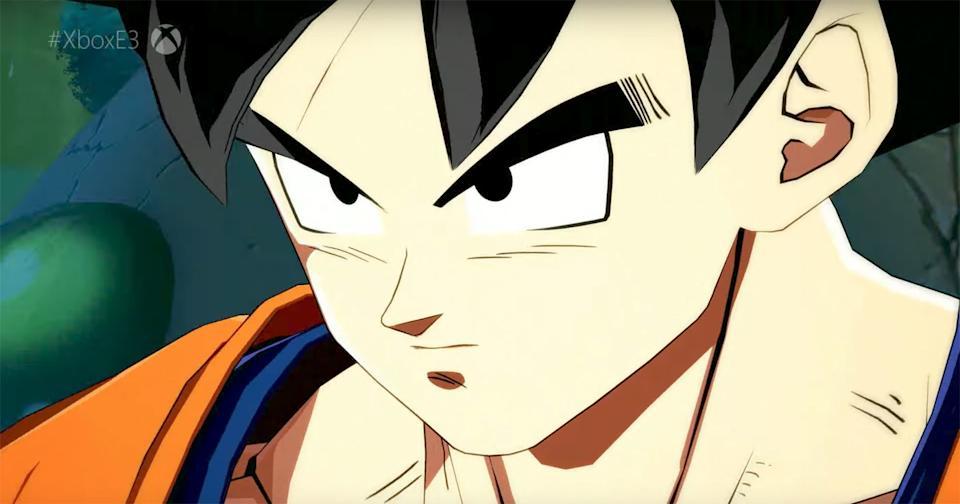
OpenAI's Sora 2, launched on September 30, 2025, has sparked controversy due to its ability to generate high-quality videos that closely resemble copyrighted anime and manga characters
3
. Users have been creating and sharing videos featuring popular characters like Super Mario, Pikachu, and others, raising concerns about potential copyright violations1
.
Source: Engadget
Japan's Stance on AI and Copyright
Despite Japan's progressive approach to AI, as evidenced by its AI Promotion Act aimed at boosting AI use for economic growth, the country is now taking a firm stance on protecting its intellectual property
2
. Minister Kiuchi emphasized that anime and manga are "irreplaceable treasures" that Japan can be proud of worldwide3
.OpenAI's Response and Policy Changes
In response to the growing concerns, OpenAI CEO Sam Altman announced policy changes on October 4, 2025. The company shifted from an opt-out to an opt-in model for character generation, giving rightsholders more granular control over how their characters are depicted
4
. Altman also mentioned plans to monetize video generation and share revenue with rightsholders4
.Legal and Political Implications
The issue has gained political attention in Japan, with Liberal Democratic Party Deputy Secretary-General Akihisa Shiozaki urging the government to exercise Article 16 of the AI Promotion Act. This article grants the government authority to request investigations and provide guidance in cases of AI-led copyright infringement
3
.Related Stories

Global Context of AI and Copyright
This controversy is part of a broader global debate on AI and copyright. Several lawsuits have been filed against AI companies, including OpenAI, for alleged copyright infringement during the training of large language models
4
. A notable case in the US (Bartz v. Anthropic) resulted in a ruling that training AI models on purchased copyrighted works is fair use, but using pirated material is not4
.Future Implications
As AI technology continues to advance, the tension between innovation and intellectual property protection is likely to intensify. Japan's actions may set a precedent for how other countries approach the regulation of AI-generated content and its impact on creative industries. The outcome of this situation could have far-reaching implications for the future of AI development and copyright law globally.
References
Summarized by

Navi
[1]
Related Stories
Studio Ghibli and Japanese Publishers Challenge OpenAI Over Unauthorized AI Training
03 Nov 2025•Policy and Regulation

OpenAI's Sora 2 Faces Copyright Backlash, Prompts Policy Shift
03 Oct 2025•Policy and Regulation
Studio Ghibli's Artistic Legacy Faces AI Challenge: Copyright and Creativity in the Digital Age
02 Apr 2025•Technology

Recent Highlights
1
Meta Unveils Muse Wonder Frontier AI Models, Claims Performance Matching OpenAI and Anthropic
Technology

2
IMF Report Warns AI Market Correction Could Spark Global Financial Crisis With $1.4T at Risk
Business and Economy

3
OpenAI Releases 722 AI-Generated Math Solutions, Triggering Existential Crisis in Mathematics
Technology

Recent Highlights
Today's Top Stories








Don’t drown in AI news. We cut through the noise - filtering, ranking and summarizing the most important AI news, breakthroughs and research daily. Follow topics that matter to you and stay ahead.


