Studio Ghibli and Japanese Publishers Challenge OpenAI Over Unauthorized AI Training


12 Sources
[1]
Ghiblification, generative AI and the quest for fair circuits of creativity - Nature Electronics
Spurred by a new image-generation feature embedded in OpenAI's generative pre-trained transformer 4 omni (GPT-4o) model, artificial intelligence (AI)-generated images in the style of Studio Ghibli spread across social media in late March 20251. These images -- characterized by soft watercolour
[2]
Studio Ghibli and other Japanese publishers want OpenAI to stop training on their work | TechCrunch
A Japanese trade organization representing publishers like Studio Ghibli wrote a letter to OpenAI last week, calling for the AI giant to stop training its AI models on their copyrighted content without permission. Studio Ghibli, the animation studio behind films like "Spirited Away" and "My
[3]
A Trade Group That Includes Studio Ghibli Just Slapped OpenAI withâ€| a Letter
A Japanese trade organization that includes heavy-hitting media creators like Studio Ghibli, Square Enix, and Bandai just announced that it sent a letter to OpenAI dated October 28 concerning alleged copyright violations. The letter includes some observations about the similarity of Sora 2 videos
[4]
Studio Ghibli, Square Enix demand OpenAI stop training Sora 2 on their content
A group representing Japanese animation companies -- notably, the widely beloved Studio Ghibli -- has demanded OpenAI stop using their art to train Sora 2, its AI video tool. The trade group called the Content Overseas Distribution Association (CODA) released a statement this week, stating that it
[5]

Studio Ghibli Demands That OpenAI Stop Ripping Off Its Work
After Sora 2 was used to relentlessly churn out depictions of Japanese anime and video game characters, the creators of those characters are striking back. On October 28, a group representing Studio Ghibli, Bandai Namco, Square Enix, and other major Japanese publishers submitted a written request
[6]

Japan's biggest publishing house and one of the world's largest manga producers takes aim at OpenAI, accusing it of 'trampling on the dignity of artists'
Copyright is pretty big to a major publisher, in case you can't tell. You may not know the name Shueisha off the top of your head, but you likely know the works it is responsible for. Under its Jump line of magazines, Shueisha published One Piece, Dragon Ball, Demon Slayer, and recent mega hit
[7]

Japanese publishers like Bandai Namco and Square Enix are requesting Sora 2 is no longer trained on their creative works
A collection of Japanese publishers including Bandai Namco, Square Enix, and others have come together as part of CODA (Content Overseas Distribution Association) to request Open AI cease training AI video generation tool Sora 2 on their collective creative works. The statement to Open AI, made
[8]

Square Enix and other game studios issue notice to OpenAI to stop using their content for AI
TL;DR: The Content Overseas Distribution Association (CODA), representing major Japanese game studios, has formally requested OpenAI address copyright concerns over its Sora 2 AI video generator. CODA alleges unauthorized use of Japanese content for training, emphasizing that replication during
[9]
Square Enix, Bandai, and other Japanese studios demand OpenAI stop using their content without permission, drop a not-too-subtle hint about legal trouble if it doesn't
Japan's Content Overseas Distribution Association has noticed that an awful lot of what comes out of Sora 2 "closely resembles Japanese content or images." The Content Overseas Distribution Association, a Japanese industry group whose members include Square Enix, Bandai Namco, FromSoftware parent
[10]

Studio Ghibli politely declares war on Sora's AI slop
Just as one front in the battle between AI vs art closes, another opens. This week, the UK High Court ruled against Getty Images' claim that Stable Diffusion's training on images from its stock photo library constituted copyright infringement. But meanwhile, Studio Ghibli and other Japanese
[11]

Japanese Studios Ask OpenAI to Stop Using Anime for AI Training
A major Japanese trade group representing publishers and studios, including Studio Ghibli, has asked OpenAI to stop using their copyrighted content to train its AI models. The appeal, made by the Content Overseas Distribution Association (CODA), follows growing concerns that OpenAI's tools,
[12]

Studio Ghibli and other Japanese publishers demand OpenAI to stop using their content for AI training
The dispute follows AI tools mimicking Ghibli's animation style. A Japanese trade group representing publishers and studios, including Studio Ghibli, has asked OpenAI to stop using their copyrighted materials to train artificial intelligence models without permission. The request came in a letter
Share
Copy Link
Japanese content creators, including Studio Ghibli and Square Enix, demand OpenAI stop using their copyrighted works to train AI models without permission, highlighting global tensions over AI copyright law and artistic protection.
Japanese Publishers Unite Against OpenAI
The Content Overseas Distribution Association (CODA), representing major Japanese entertainment companies including Studio Ghibli, Square Enix, and Bandai Namco, has formally requested that OpenAI cease using their copyrighted content to train artificial intelligence models without permission
2
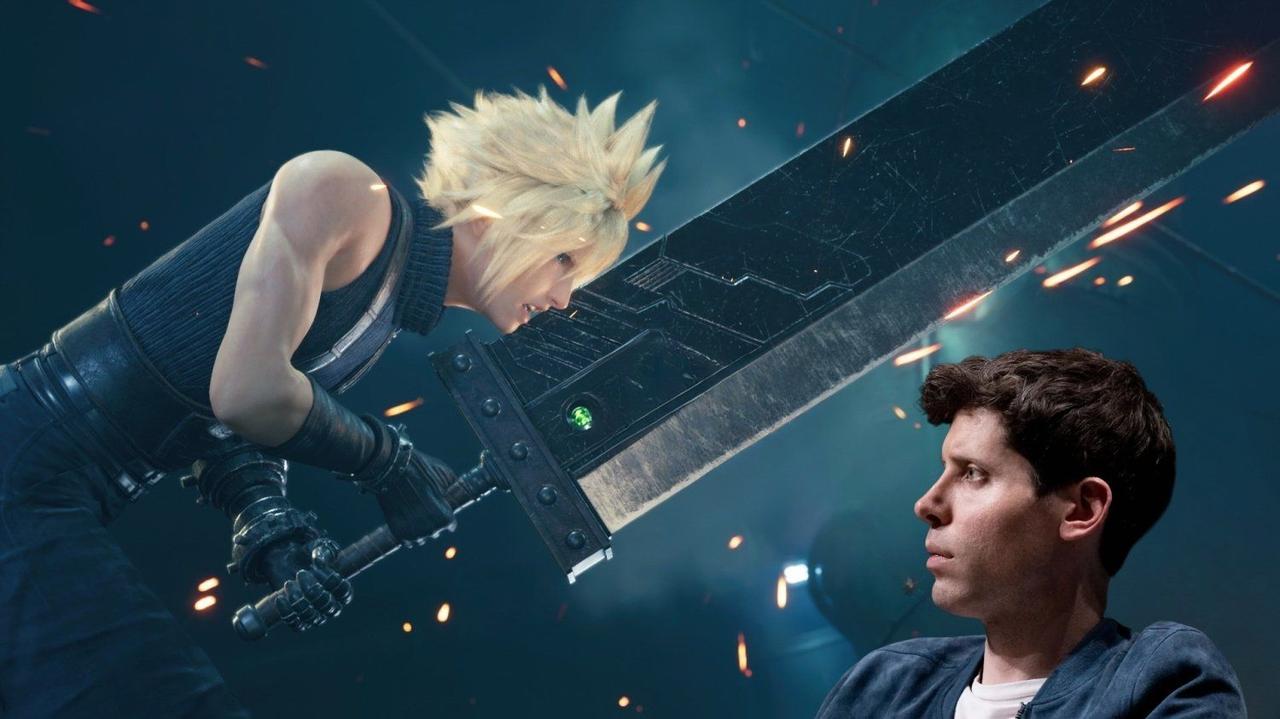
. The October 28 letter specifically targets OpenAI's Sora 2 video generation tool, which has been producing content that "closely resembles Japanese content or images"3
.
Source: TweakTown
CODA's statement emphasizes that when AI systems generate outputs resembling copyrighted works, "the act of replication during the machine learning process may constitute copyright infringement" under Japanese law
4
. This represents a significant escalation in the ongoing global conflict between AI companies and content creators over training data usage.The Ghiblification Phenomenon
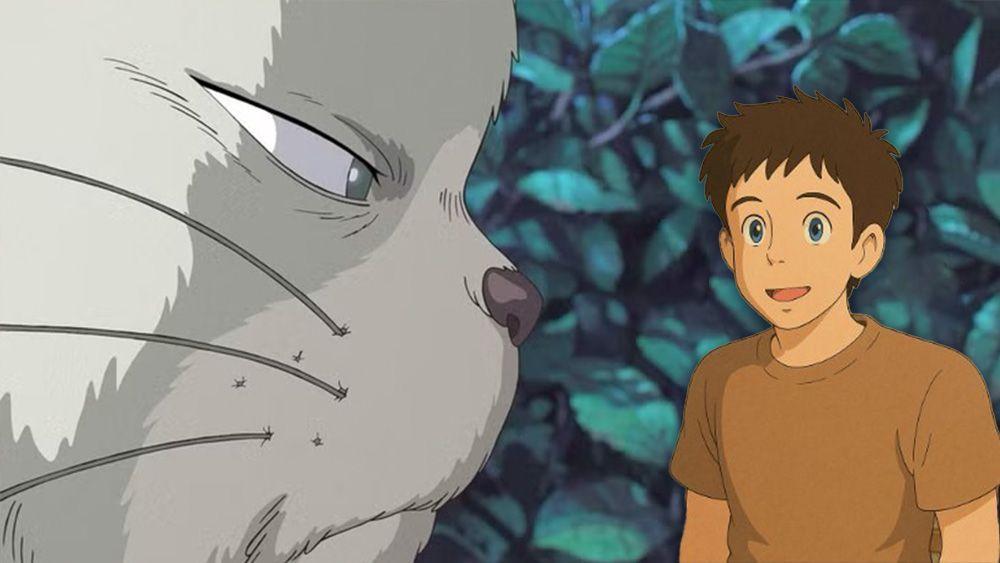
The controversy gained international attention through the viral "Ghiblification" trend that emerged in March 2024, when OpenAI's GPT-4o model enabled users to generate images in Studio Ghibli's distinctive artistic style
1
. The phenomenon saw widespread creation of "Ghiblified" selfies and pet pictures, with even OpenAI CEO Sam Altman adopting a Ghibli-style profile picture on social media platforms2
.
Source: Creative Bloq
The release of Sora 2 intensified these concerns, as users immediately began generating videos featuring recognizable Japanese characters from Pokemon, Final Fantasy, and other franchises
5
. One particularly controversial video showed a deepfaked Sam Altman grilling a dead Pikachu, while another featured him observing Pokemon before grimacing and saying, "I hope Nintendo doesn't sue us."Legal Framework Disparities
The dispute highlights fundamental differences in how various jurisdictions approach AI training and copyright law. Japan's 2018 Copyright Act amendment (Article 30-4) initially granted broad exemptions for AI training for "non-enjoyment" purposes, but subsequent 2024 government guidance restricted uses that replicate specific works or unreasonably prejudice copyright holders
1
.CODA argues that under Japan's copyright system, "prior permission is generally required for the use of copyrighted works, and there is no system allowing one to avoid liability for infringement through subsequent objections"
4
. This contrasts sharply with OpenAI's approach of implementing opt-out systems only after copyright violations have occurred.In the United States, the legal landscape remains unclear due to the idea-expression dichotomy, which suggests that artistic styles cannot be directly copyrighted as they represent unprotectable ideas rather than specific expressions
1
. The ongoing Andersen v. Stability AI case exemplifies this uncertainty, with plaintiffs arguing that AI models constitute infringing derivative works while defendants claim fair use protection.Related Stories
Industry Response and Cultural Impact
Studio Ghibli co-founder Hayao Miyazaki has previously expressed strong opposition to AI-generated content, stating in 2016 that he was "utterly disgusted" by AI animation and considered it "an insult to life itself"
2
. His sentiments reflect broader concerns within the creative community about AI's impact on artistic integrity and livelihood.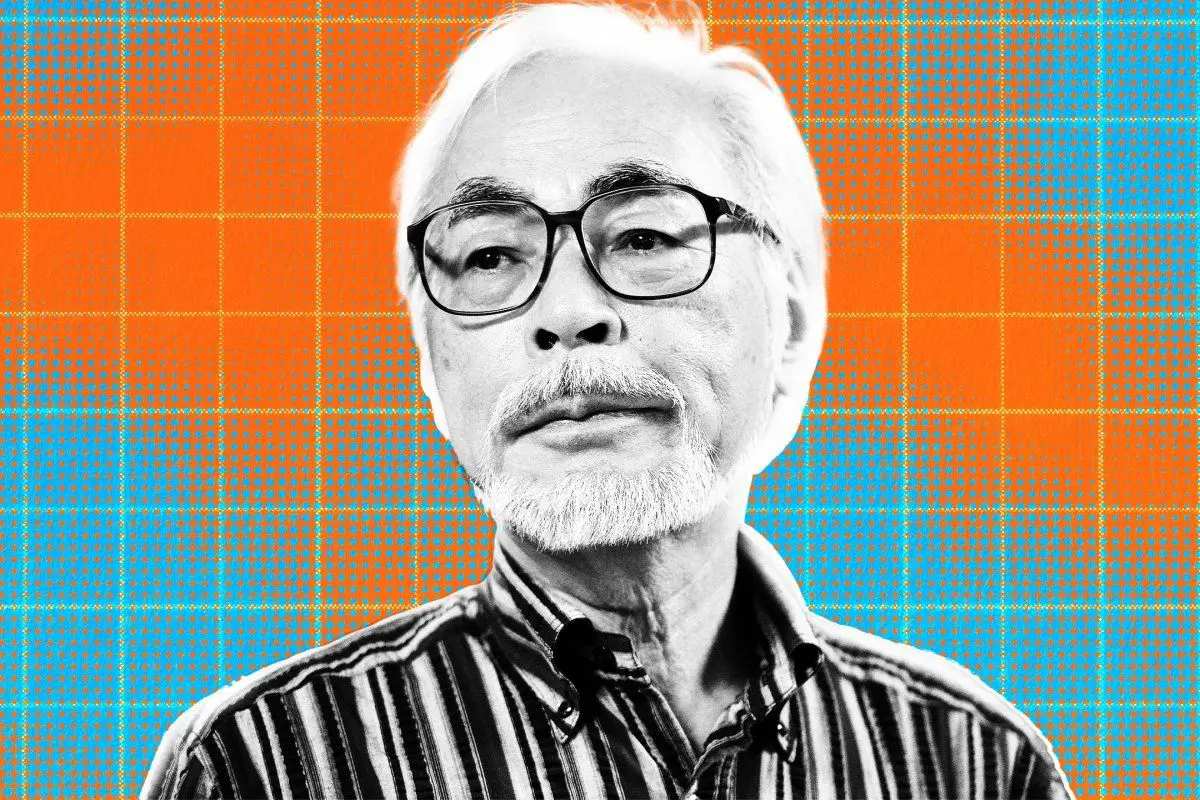
Source: Futurism
The Japanese government has also taken action, with Minister of State for IP and AI Strategy Minoru Kiuchi formally requesting OpenAI to stop using Japanese characters, calling manga and anime "irreplaceable treasures"
5
.OpenAI initially implemented an opt-out system for copyright holders but later reversed course, stating that copyrighted content would be opted out by default
5
. However, this change came only after the company leveraged the virality of copyrighted character usage to propel Sora to the top of Apple's App Store.References
Summarized by

Navi
[1]
[2]
Related Stories
Studio Ghibli's Artistic Legacy Faces AI Challenge: Copyright and Creativity in the Digital Age
02 Apr 2025•Technology

Japan Confronts OpenAI Over Sora 2's Anime Copyright Concerns
15 Oct 2025•Policy and Regulation
Sony AI trains tool on Studio Ghibli films to fight AI slop and protect copyright
18 Mar 2026•Technology
Recent Highlights
1
Meta Unveils Muse Wonder Frontier AI Models, Claims Performance Matching OpenAI and Anthropic
Technology

2
IMF Report Warns AI Market Correction Could Spark Global Financial Crisis With $1.4T at Risk
Business and Economy

3
OpenAI Releases 722 AI-Generated Math Solutions, Triggering Existential Crisis in Mathematics
Technology

Recent Highlights
Today's Top Stories








Don’t drown in AI news. We cut through the noise - filtering, ranking and summarizing the most important AI news, breakthroughs and research daily. Follow topics that matter to you and stay ahead.


