South Korea deploys AI to detect pump and dump schemes across stocks and crypto markets


3 Sources
3 Sources
[1]
South Korea enlists AI to spot pump and dump schemes
Main stock exchange targets shares, government agency looks for crypto crooks South Korea's government and main stock exchange have developed and deployed AI-powered tools to detect schemes that aim to send the price of cryptocurrencies and shares soaring so that unscrupulous investors can cash in. Schemes of this sort are known as "pump and dump," and see investors acquire shares or virtual assets, then spread information they hope will induce others to buy them. If the scheme succeeds, the price of the targeted assets often rises. Sadly, the information spread by schemers is usually bunk, but by the time new investors discover that the perpetrators have sold their assets at a handy profit and disappeared. Pump and dump schemes are nothing new, but social media gave their perpetrators a new way to reach the gullible. Which is probably why the tech developed by Korea Exchange (KRX, the country's main bourse) can scour online posts, YouTube, and even reported cases of spam text messages for evidence of pump and dump schemes. The AI analyzes material it finds online, considers recent stock price movements, and then automatically produces reports indicating stocks that may be the subject of price manipulation schemes so that South Korean authorities can investigate further. Regulator the Financial Services Commission (FSC) welcomed the tool and said it will reduce the time taken to analyze suspect situations. Also on Monday, South Korea's Financial Supervisory Service (FSS) - the FSC's enforcement arm - announced it has enlisted AI to help it investigate suspicious cryptocurrency trades. The FSS says it already operates a Python-based tool that can conduct large-scale data analysis, automatic calculation of abnormal trading indicators, and visualize trading patterns. Those tools, however, struggle to keep up with high-frequency trades made using crypto-marts' APIs. The FSS is therefore working on unspecified AI algorithms to improve its performance, and has even acquired two servers "equipped with high-performance CPUs and GPUs" so it can put AI to work sniffing out dodgy crypto deals. Like other nations, South Korea operates a whistleblower scheme that encourages the public to report instances of fraudulent stock trading. FSC officials recently proposed increasing the rewards paid to whistleblowers in the hope it will see more come forward. South Korea has also had its share of crypto messes, including the $40 billion meltdown of Terraform Labs, which was led by one of its citizens, Do Kwon. ®
[2]
South Korea's FSS Details AI Upgrades for Crypto Abuse Detection
The Financial Supervisory Service said automated models now scan crypto trading activity across timeframes, reducing reliance on manual investigations. South Korea's financial watchdog has expanded the use of artificial intelligence to monitor digital asset markets, signaling a shift toward automated, data-driven enforcement as trading activity grows more complex. On Monday, the country's Financial Supervisory Service (FSS) said it has upgraded its Virtual Assets Intelligence System for Trading Analysis (VISTA), a model used to investigate unfair crypto trading. An automated detection algorithm has been added, the FSS said, which can spot potential price-manipulation periods without manual intervention. The FSS said the new algorithm uses a sliding-window grid search technique to examine every possible sub-period within a trading dataset. This approach is meant to enable exhaustive analysis of potential manipulation windows that investigators previously had to identify manually. The watchdog said that performance tests on completed investigation cases showed that the system detected all previously identified manipulation periods, while also flagging additional suspicious intervals that were difficult to spot with traditional analysis. The FSS also said it secured a 170 million won ($116,000) budget for 2026 for further AI performance upgrades, with additional capabilities to be rolled out in different stages through the end of 2026. Planned upgrades include tools to automatically identify networks of coordinated trading accounts, analyze abnormal trading-related text across thousands of crypto assets and trace the origin of funds used in manipulation. Related: South Korea's Coinone weighs stake sale amid Coinbase speculation The AI surveillance system upgrade aligns with the regulator's aim to enhance enforcement capabilities in the crypto space. On Jan. 6, local outlet Newsis reported that the FSC was considering a payment suspension system that would block transactions before suspects can launder ill-gotten gains. The country's crypto surveillance push also comes alongside broader efforts to expand AI-based monitoring across South Korea's capital markets. On Monday, the Financial Services Commission (FSC) announced that the Korea Exchange will begin operating an AI-driven market monitoring system to strengthen early detection of stock price manipulation.
[3]
Korea bolsters AI capabilities to tackle crypto market manipulation - The Korea Times
The Financial Supervisory Service (FSS) is upgrading an artificial intelligence (AI)-powered platform for virtual asset surveillance as part of efforts to crack down on increasingly sophisticated market manipulation, the watchdog said Monday. The platform, Virtual Assets Intelligence System for Trading Analysis (VISTA), is designed to process massive volumes of trading data, automatically flag abnormal transactions and visualize trading behavior. The financial watchdog said VISTA has already become a core investigative tool in crypto-related enforcement cases. Last December, FSS expanded its computing capacity by installing two new servers equipped with high-performance central and graphics processing units. Leveraging this infrastructure, the agency has developed an automated detection model that identifies suspected price-rigging periods without manual intervention. The system scans every possible trading interval -- from seconds to months -- and calculates abnormal trading metrics across all segments, allowing authorities to uncover manipulation patterns regardless of how frequently they occur. "We will expand AI-based analytical capabilities in stages through the end of this year to detect illegal trading earlier and accelerate investigations," an FSS official said. "To that end, a 170 million won ($116,000) budget has been secured for 2026 to upgrade servers and enhance the performance of AI surveillance systems." The plans include rolling out new tools designed to automatically identify networks of suspicious accounts involved in coordinated price manipulation. At the same time, the watchdog aims to introduce analytics capable of processing and interpreting abnormal trading-related text across thousands of crypto assets. In a separate move, the Financial Services Commission (FSC) and the Korea Exchange said they will launch an AI-driven cyber surveillance system on Tuesday to strengthen early detection of stock price manipulation and other market abuses. The system was developed in response to a rise in online misconduct, including the spread of false information and coordinated stock promotion through online forums, social media platforms and YouTube in attempts to exert undue influence on stock prices. It analyzes digital content such as posts, spam text message reports and videos alongside stock price movement data. Authorities will review securities flagged by the system and conduct in-depth investigations when necessary. "We will continue expanding the use of AI to combat unfair trading in capital markets," an FSC official said.
Share
Share
Copy Link
South Korea's financial regulators have launched AI-powered surveillance systems to combat market manipulation in both stock and cryptocurrency markets. The Financial Supervisory Service upgraded its VISTA platform with automated detection algorithms, while Korea Exchange introduced tools that scan social media, YouTube, and spam text messages for evidence of pump and dump schemes targeting investors.
South Korea Targets Market Manipulation with AI-Powered Tools
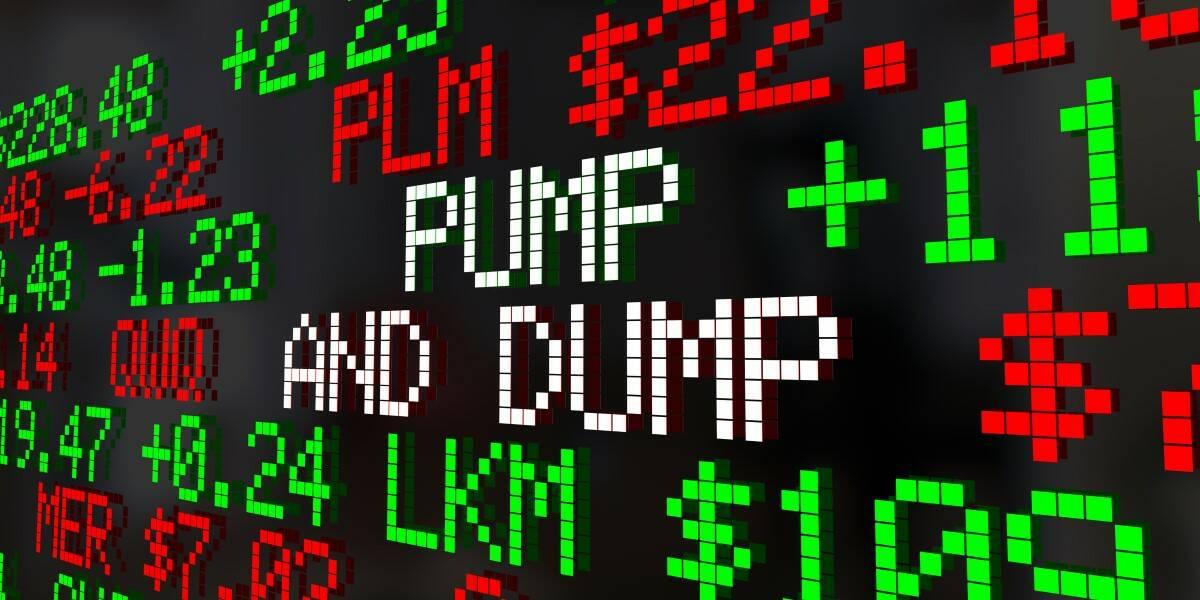
South Korea has intensified its fight against financial fraud by deploying sophisticated AI systems designed to detect pump and dump schemes and other forms of market manipulation across both traditional stock markets and cryptocurrency platforms. The Financial Services Commission (FSC) and Korea Exchange (KRX), the country's main bourse, announced on Monday that they have developed AI-powered tools capable of analyzing vast amounts of digital content and trading data to identify suspicious activity before investors fall victim
1
.
Source: The Register
The move comes as social media platforms have given fraudsters new channels to reach potential victims with false information designed to artificially inflate asset prices. Korea Exchange's system can scour online posts, YouTube videos, and even reported spam text messages for evidence of stock price manipulation, then cross-reference this content with recent price movements to automatically generate reports for regulatory investigation
1
. The Financial Services Commission welcomed the technology, noting it will significantly reduce the time required to analyze suspect situations and enable faster enforcement action against illegal trading practices3
.
Source: Korea Times
Financial Supervisory Service Upgrades VISTA Platform for Crypto Abuse Detection
The Financial Supervisory Service (FSS), which serves as the FSC's enforcement arm, has simultaneously upgraded its Virtual Assets Intelligence System for Trading Analysis (VISTA) to tackle increasingly sophisticated crypto market manipulation
2
.
Source: Cointelegraph
The enhanced platform now features an automated detection algorithm that can identify potential price-rigging periods without manual intervention, using a sliding-window grid search technique to examine every possible sub-period within a trading dataset
2
.Performance tests on completed investigation cases demonstrated that the system detected all previously identified manipulation periods while also flagging additional suspicious intervals that were difficult to spot with traditional analysis methods . In December, the FSS expanded its computing capacity by installing two new servers equipped with high-performance CPUs and GPUs to handle the demands of AI algorithms processing high-frequency trades made through cryptocurrency exchanges' APIs
1
3
.Expanded Budget and Future Capabilities for Market Surveillance
The FSS has secured a 170 million won ($116,000) budget for 2026 to further enhance AI performance, with additional capabilities planned for rollout in stages through the end of the year
3
. Planned upgrades include tools to automatically identify networks of coordinated trading accounts engaged in suspicious trading, analyze abnormal trading-related text across thousands of crypto assets, and trace the origin of funds used in manipulation schemes .The system scans every possible trading interval—from seconds to months—and calculates abnormal trading metrics across all segments, enabling authorities to uncover trading patterns regardless of how frequently they occur
3
. An FSS official stated, "We will expand AI-based analytical capabilities in stages through the end of this year to detect illegal trading earlier and accelerate investigations"3
.Related Stories

Why This Matters for Investors and Capital Markets
South Korea's aggressive adoption of AI for cyber surveillance reflects the growing complexity of financial fraud in the digital age. The country has experienced significant cryptocurrency disasters, including the $40 billion collapse of Terraform Labs led by South Korean citizen Do Kwon, making robust enforcement mechanisms critical for investor protection
1
. The FSC has also proposed increasing rewards paid to whistleblowers who report fraudulent stock trading, complementing the technological approach with human intelligence1
.Local outlet Newsis reported in January that the FSC is considering a payment suspension system that would block transactions before suspects can launder ill-gotten gains, suggesting even more proactive intervention may be coming . As trading activity grows more complex and fraudsters leverage social media to spread misinformation, South Korea's shift toward automated, data-driven enforcement could serve as a model for other nations grappling with similar challenges in protecting investors across both traditional and digital asset markets.
References
Summarized by

Navi
[1]
[2]
Related Stories
South Korea launches world's first comprehensive AI law amid startup concerns over compliance
22 Jan 2026•Policy and Regulation

China to Crack Down on AI-Generated Stock Market Misinformation
15 Mar 2025•Policy and Regulation
North Korea-Linked UNC1069 Uses AI-Powered Attacks to Target Cryptocurrency Organizations
10 Feb 2026•Technology

Recent Highlights
1
Google Maps unveils Ask Maps with Gemini AI and 3D Immersive Navigation in biggest update
Technology

2
Three Tennessee teens sue xAI over Grok AI creating child sexual abuse material from real photos
Policy and Regulation

3
Meta plans to cut 20% of workforce as AI spending reaches $600 billion, mirroring broader tech trend
Business and Economy
Recent Highlights
Today's Top Stories



Your Daily Dose of Curated AI News
Don’t drown in AI news. We cut through the noise - filtering, ranking and summarizing the most important AI news, breakthroughs and research daily. Spend less time searching for the latest in AI and get straight to action.

