SpaceX plans orbital AI data centers, but Microsoft's undersea failure raises economic concerns


2 Sources
2 Sources
[1]
Musk wants SpaceX IPO to fund AI space data centers. Microsoft's undersea setback sounds warning.
LOS ANGELES, April 1 (Reuters) - SpaceX on Wednesday filed for an IPO that Elon Musk says will bankroll an effort to turn the rocket maker into an AI powerhouse, launching up to 1 million data‑center satellites into orbit to bypass power and water limits on Earth. Microsoft (MSFT.O), opens new tab had a similar ambition to escape land‑based computing constraints in 2015, when it lowered a shipping‑container‑sized data center onto the seabed off Scotland, aiming to cut energy use through natural seawater cooling and tapping offshore wind and tidal power. Microsoft's "Project Natick,", opens new tab once touted as a potential breakthrough for the data‑center industry, successfully met all its technical targets but underwater data centers were abandoned more than two years ago due to a lack of client demand and unviable economics, two sources with knowledge of the project told Reuters. Asked for comment, a Microsoft spokesperson said: "While we don't currently have datacenters in the water, we will continue to use Project Natick as a research platform to explore, test, and validate new concepts around datacenter reliability and sustainability." Five data center specialists told Reuters that what went wrong for Microsoft is a cautionary tale for SpaceX because although both projects are a world apart geographically, they share key similarities: they both rely on modular units that are expensive to deploy and cannot be expanded, repaired or upgraded - features considered critical by the AI industry. "These problems are likely to be more severe in space than under the sea," said Roy Chua, founder of industry research firm AvidThink, pointing to unresolved questions over how to cool data centers in orbit, high rocket launch costs and the effects of the harsh space environment on AI chips. SpaceX did not respond to a request for comment. SpaceX, which acquired Musk's AI startup xAI in February, could raise up to $75 billion when it goes public, making it potentially the largest IPO in history. The holdings of xAI include social media company X, formerly Twitter, and AI chatbot Grok. MUSK'S SPACE AMBITIONS FACE HURDLES Although Microsoft proved that undersea data centers could work, customers were not interested in scaling them, instead expanding conventional land‑based facilities that allowed cheaper, faster upgrades as AI development accelerated, the two people with knowledge of the project said, asking not to be named due to the sensitivity of the matter. The sealed, "locked‑for‑life" design - which SpaceX would replicate in orbit - has limited flexibility, since AI chips are rapidly improving every year, while a satellite or undersea data center might be replaced only every five to seven years. The economics were also a stumbling block, the two people said. Deploying data centers under the sea was more expensive than building on land, and while those costs might have fallen at scale, doing so would have required tens of billions of dollars in investment. Space will be far more expensive. Analysts at MoffettNathanson, an independent U.S. equity research firm, said in a February research note that Musk's plan to put a million AI satellites in space would run into the trillions of dollars. In order for data centers in space to become commercially viable, launch costs would need to fall from today's low thousands of dollars per kilogram to the low hundreds of dollars per kilogram, analysts say. "The problem is not whether something can work, but whether it makes sense economically versus simply building more capacity on the ground," said Tim Farrar, an independent satellite industry analyst at TMF Associates. Musk says he will overcome the technical and financial hurdles, including radiation exposure, heat management in a vacuum and the need for frequent hardware replacement, by sharply lowering launch costs and developing more resilient AI chips. Demand will not be an issue, Musk says, because Earth's energy resources will quickly be depleted as AI is needed to support a world where robots outnumber humans, all cars drive themselves and space travel becomes routine. "The idea that we just can't solve problems on Earth, like power shortages and environmental issues, strikes me as unrealistically negative about Earth to try and make everything seem better in space," Farrar said. Musk's case hinges on Starship, SpaceX's next‑generation rocket, which is designed to be fully reusable and carry far larger payloads than SpaceX's Falcon rockets. But Starship is years behind schedule and has suffered explosive setbacks in some of its 11 suborbital test flights since 2023. MoffettNathanson estimates that to achieve Musk's goal it would require 3,000 Starship launches a year, or eight per day. Jeff Bezos' space company Blue Origin is also backing orbital data centers. The rocket company said in March that its Project Sunrise concept would add AI computing capacity in orbit, tapping clean solar power while preserving terrestrial data‑center infrastructure. Blue Origin did not respond to a request for further comment. SPACE AI COULD BE NICHE BUSINESS Space data centers do have a future, but it is more likely to complement ground-based data centers, said Claude Rousseau, a research director at Analysys Mason who tracks satellite markets. "I strongly believe that there'll be no way in the foreseeable future that space‑based data centers can replace ground data centers," Rousseau said, adding that it would be a more niche industry serving infrastructure in orbit, like military satellite constellations and space stations. For instance, the International Space Station already hosts experimental systems designed to process data in orbit and reduce reliance on downlink bandwidth. Speaking on the All‑In podcast in February, Nvidia (NVDA.O), opens new tab Chief Executive Jensen Huang said the economics of space‑based AI data centers remain unattractive. "We should definitely work on the ground first because we're already here," Huang said, describing orbital AI infrastructure as a longer‑term engineering challenge rather than a near‑term solution. Chua said schemes to move data centers under the sea or into space risk trying to escape problems on Earth and creating a whole new set of harder challenges. "There are many problems that we can solve on Earth before space," Chua said, pointing to gains in AI chip efficiency, better water recycling, and expanded use of solar power and modular nuclear power generation. Reporting by Joe Brock in Los Angeles; Editing by Matthew Lewis Our Standards: The Thomson Reuters Trust Principles., opens new tab * Suggested Topics: * Artificial Intelligence * Grid & Infrastructure Joe Brock Thomson Reuters Joe Brock is Reuters' aerospace and defense editor, based in Los Angeles, where he leads a global team of reporters covering airlines, aerospace, weapons manufacturers, and the space industry. Joe has previously worked in Singapore, Johannesburg, Abuja and London as a reporter and bureau chief. He has received several awards for his investigative journalism, including from the Society for Advancing Business Editing and Writing and The Society of Publishers in Asia.
[2]
SpaceX's orbital data centers could face same hurdles as Microsoft's abandoned undersea project
LOS ANGELES, April 1 (Reuters) - SpaceX on Wednesday filed for an IPO that Elon Musk says will bankroll an effort to turn the rocket maker into an AI powerhouse, launching up to 1 million data-center satellites into orbit to bypass power and water limits on Earth. Microsoft had a similar ambition to escape land-based computing constraints in 2015, when it lowered a shipping-container-sized data center onto the seabed off Scotland, aiming to cut energy use through natural seawater cooling and tapping offshore wind and tidal power. Microsoft's "Project Natick," once touted as a potential breakthrough for the data-center industry, successfully met all its technical targets but underwater data centers were abandoned more than two years ago due to a lack of client demand and unviable economics, two sources with knowledge of the project told Reuters. Asked for comment, a Microsoft spokesperson said: "While we don't currently have datacenters in the water, we will continue to use Project Natick as a research platform to explore, test, and validate new concepts around datacenter reliability and sustainability." Five data center specialists told Reuters that what went wrong for Microsoft is a cautionary tale for SpaceX because although both projects are a world apart geographically, they share key similarities: they both rely on modular units that are expensive to deploy and cannot be expanded, repaired or upgraded - features considered critical by the AI industry. "These problems are likely to be more severe in space than under the sea," said Roy Chua, founder of industry research firm AvidThink, pointing to unresolved questions over how to cool data centers in orbit, high rocket launch costs and the effects of the harsh space environment on AI chips. SpaceX did not respond to a request for comment. SpaceX, which acquired Musk's AI startup xAI in February, could raise up to $75 billion when it goes public, making it potentially the largest IPO in history. The holdings of xAI include social media company X, formerly Twitter, and AI chatbot Grok. MUSK'S SPACE AMBITIONS FACE HURDLES Although Microsoft proved that undersea data centers could work, customers were not interested in scaling them, instead expanding conventional land-based facilities that allowed cheaper, faster upgrades as AI development accelerated, the two people with knowledge of the project said, asking not to be named due to the sensitivity of the matter. The sealed, "locked-for-life" design - which SpaceX would replicate in orbit - has limited flexibility, since AI chips are rapidly improving every year, while a satellite or undersea data center might be replaced only every five to seven years. The economics were also a stumbling block, the two people said. Deploying data centers under the sea was more expensive than building on land, and while those costs might have fallen at scale, doing so would have required tens of billions of dollars in investment. Space will be far more expensive. Analysts at MoffettNathanson, an independent U.S. equity research firm, said in a February research note that Musk's plan to put a million AI satellites in space would run into the trillions of dollars. In order for data centers in space to become commercially viable, launch costs would need to fall from today's low thousands of dollars per kilogram to the low hundreds of dollars per kilogram, analysts say. "The problem is not whether something can work, but whether it makes sense economically versus simply building more capacity on the ground," said Tim Farrar, an independent satellite industry analyst at TMF Associates. Musk says he will overcome the technical and financial hurdles, including radiation exposure, heat management in a vacuum and the need for frequent hardware replacement, by sharply lowering launch costs and developing more resilient AI chips. Demand will not be an issue, Musk says, because Earth's energy resources will quickly be depleted as AI is needed to support a world where robots outnumber humans, all cars drive themselves and space travel becomes routine. "The idea that we just can't solve problems on Earth, like power shortages and environmental issues, strikes me as unrealistically negative about Earth to try and make everything seem better in space," Farrar said. Musk's case hinges on Starship, SpaceX's next-generation rocket, which is designed to be fully reusable and carry far larger payloads than SpaceX's Falcon rockets. But Starship is years behind schedule and has suffered explosive setbacks in some of its 11 suborbital test flights since 2023. MoffettNathanson estimates that to achieve Musk's goal it would require 3,000 Starship launches a year, or eight per day. Jeff Bezos' space company Blue Origin is also backing orbital data centers. The rocket company said in March that its Project Sunrise concept would add AI computing capacity in orbit, tapping clean solar power while preserving terrestrial data-center infrastructure. Blue Origin did not respond to a request for further comment. SPACE AI COULD BE NICHE BUSINESS Space data centers do have a future, but it is more likely to complement ground-based data centers, said Claude Rousseau, a research director at Analysys Mason who tracks satellite markets. "I strongly believe that there'll be no way in the foreseeable future that space-based data centers can replace ground data centers," Rousseau said, adding that it would be a more niche industry serving infrastructure in orbit, like military satellite constellations and space stations. For instance, the International Space Station already hosts experimental systems designed to process data in orbit and reduce reliance on downlink bandwidth. Speaking on the All-In podcast in February, Nvidia Chief Executive Jensen Huang said the economics of space-based AI data centers remain unattractive. "We should definitely work on the ground first because we're already here," Huang said, describing orbital AI infrastructure as a longer-term engineering challenge rather than a near-term solution. Chua said schemes to move data centers under the sea or into space risk trying to escape problems on Earth and creating a whole new set of harder challenges. "There are many problems that we can solve on Earth before space," Chua said, pointing to gains in AI chip efficiency, better water recycling, and expanded use of solar power and modular nuclear power generation. (Reporting by Joe Brock in Los Angeles; Editing by Matthew Lewis)
Share
Share
Copy Link
SpaceX filed for an IPO that Elon Musk says will fund up to 1 million data-center satellites in orbit to bypass terrestrial power and water constraints. But Microsoft's abandoned Project Natick underwater data centers, which met technical targets but failed due to lack of client demand and unviable economics, serves as a cautionary tale for SpaceX's ambitious plan.
SpaceX Files for IPO to Fund Ambitious Orbital Data Center Plan
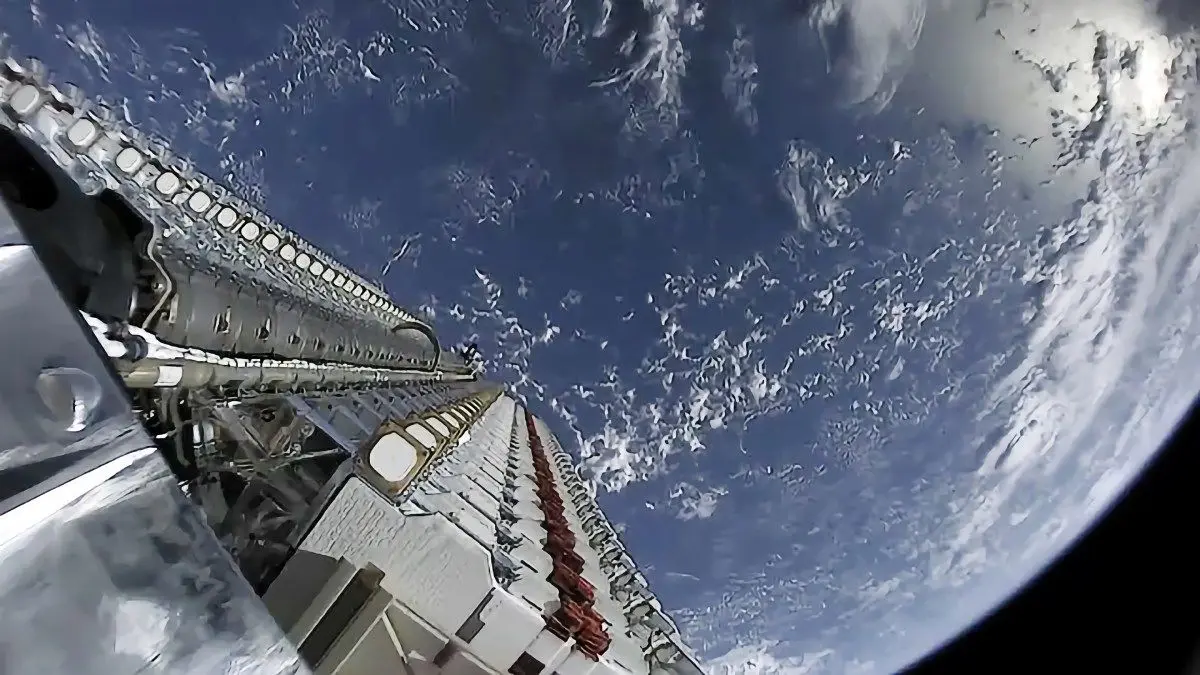
SpaceX filed for an IPO on Wednesday that Elon Musk says will bankroll an ambitious effort to transform the rocket maker into an AI powerhouse by launching up to 1 million data-center satellites into orbit
1
. The plan aims to bypass terrestrial power and water constraints that currently limit AI data centers on Earth. SpaceX, which acquired Musk's AI startup xAI in February, could raise up to $75 billion when it goes public, making it potentially the largest IPO in history2
. The holdings of xAI include social media company X, formerly Twitter, and AI chatbot Grok.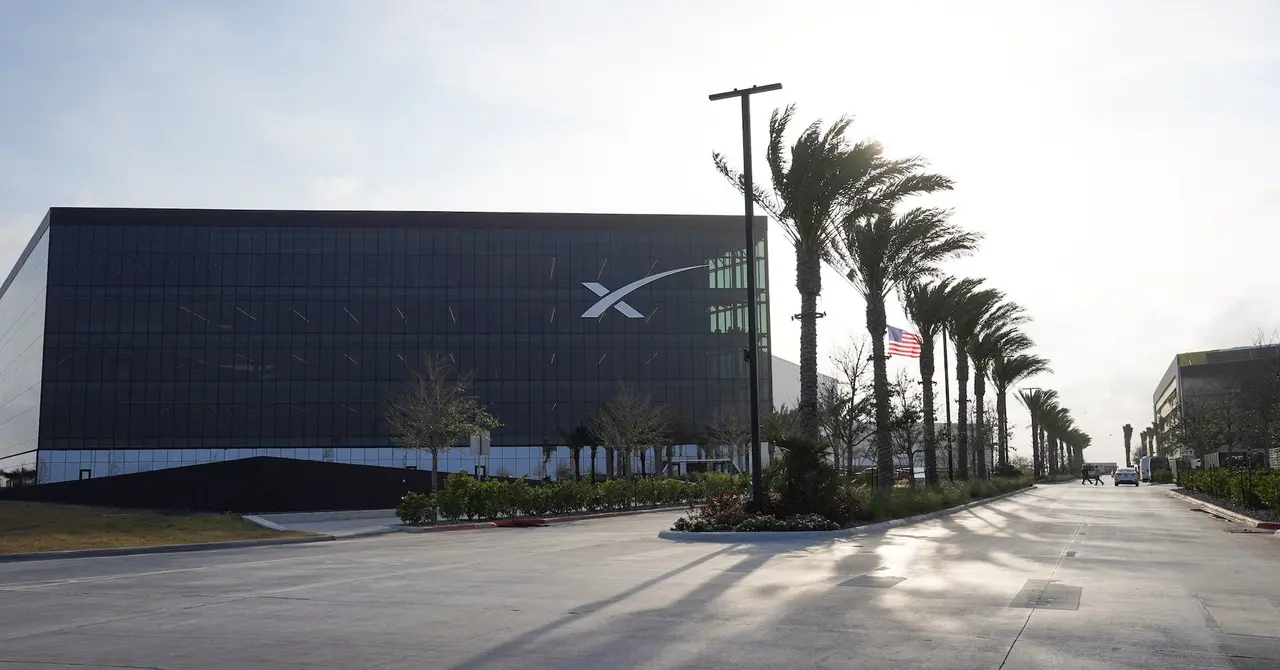
Source: Reuters
Microsoft Project Natick Offers Cautionary Lessons
Microsoft had a similar ambition to escape land-based computing constraints in 2015 when it lowered a shipping-container-sized data center onto the seabed off Scotland, aiming to cut energy use through natural seawater cooling and tapping offshore wind and tidal power
1
. Microsoft Project Natick, once touted as a potential breakthrough for the data-center industry, successfully met all its technical targets but undersea data centers were abandoned more than two years ago due to a lack of client demand and unviable economics, two sources with knowledge of the project told Reuters. A Microsoft spokesperson confirmed the company doesn't currently have datacenters in the water but will continue to use Project Natick as a research platform to explore new concepts around datacenter reliability and sustainability2
.Shared Technical Hurdles and Economic Viability Concerns
Five data center specialists told Reuters that what went wrong for Microsoft is a cautionary tale for SpaceX because both projects rely on modular units that are expensive to deploy and cannot be expanded, repaired or upgraded—features considered critical by the AI industry
1
. Roy Chua, founder of industry research firm AvidThink, said these problems are likely to be more severe in space than under the sea, pointing to unresolved questions over cooling in space, high launch costs, and the effects of the harsh space environment on AI chips. The sealed, "locked-for-life" design that SpaceX would replicate in orbit has limited flexibility, since AI chips are rapidly improving every year, while a satellite or undersea data center might be replaced only every five to seven years2
.Trillion-Dollar Price Tag and Launch Requirements
Although Microsoft proved that undersea data centers could work, customers were not interested in scaling them, instead expanding conventional land-based facilities that allowed cheaper, faster upgrades as AI development accelerated
1
. Deploying data centers under the sea was more expensive than building on land, and while those costs might have fallen at scale, doing so would have required tens of billions of dollars in investment. Space will be far more expensive. Analysts at MoffettNathanson, an independent U.S. equity research firm, said in a February research note that Musk's plan to put a million AI satellites in space would run into the trillions of dollars2
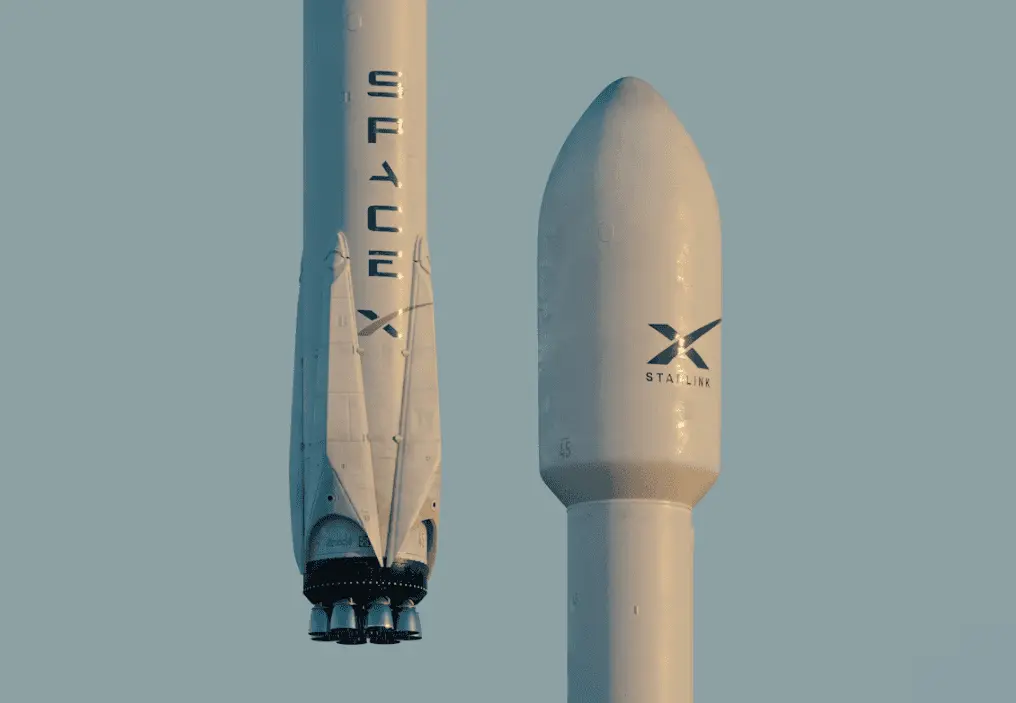
. To achieve Musk's goal, it would require 3,000 Starship launches a year, or eight per day.Related Stories
Heat Management and Hardware Replacement Challenges
Elon Musk says he will overcome the technical and financial hurdles, including radiation exposure, heat management in a vacuum, and the need for frequent hardware replacement, by sharply lowering rocket launch costs and developing more resilient AI chips
1
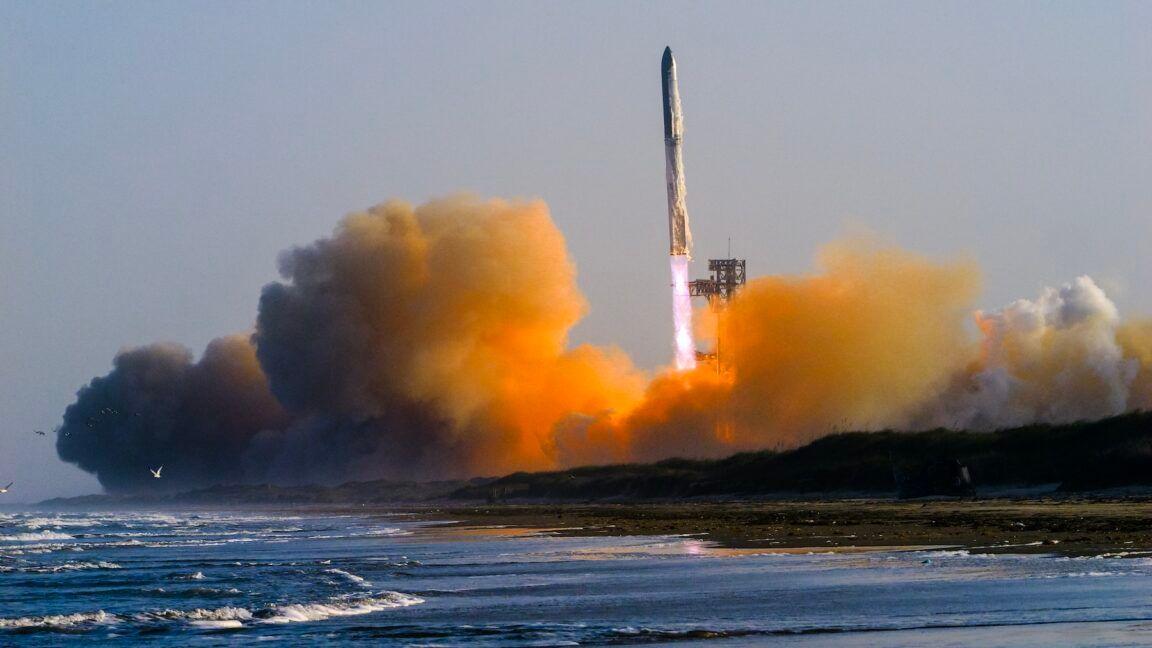
. In order for orbital data centers to become commercially viable, launch costs would need to fall from today's low thousands of dollars per kilogram to the low hundreds of dollars per kilogram, analysts say. Tim Farrar, an independent satellite industry analyst at TMF Associates, noted that "the problem is not whether something can work, but whether it makes sense economically versus simply building more capacity on the ground." Musk's case hinges on the Starship rocket, SpaceX's next-generation rocket designed to be fully reusable and carry far larger payloads than SpaceX's Falcon rockets. But Starship is years behind schedule and has suffered explosive setbacks in some of its 11 suborbital test flights since 20232
.Growing Competition for AI Computing Capacity in Space
Musk argues that demand will not be an issue because Earth's energy resources will quickly be depleted as AI is needed to support a world where robots outnumber humans, all cars drive themselves, and space travel becomes routine
1
. However, Farrar countered this view, saying "the idea that we just can't solve problems on Earth, like power shortages and environmental issues, strikes me as unrealistically negative about Earth to try and make everything seem better in space." Jeff Bezos' space company Blue Origin is also backing orbital data centers, with its Project Sunrise concept aiming to add AI computing capacity in orbit while tapping clean solar power and preserving terrestrial data-center infrastructure2
.References
Summarized by

Navi
[1]
Related Stories
SpaceX acquires xAI as Elon Musk bets big on 1 million satellite constellation for orbital AI
29 Jan 2026•Technology
Nvidia unveils Vera Rubin Space Module for orbital AI data centers as space computing race heats up
17 Mar 2026•Technology

SpaceX pushes AI data centers into orbit as Musk predicts space will beat Earth in 36 months
06 Feb 2026•Technology
Recent Highlights
1
AI chatbots validate you too much, making you less kind to others, Stanford study reveals
Science and Research
2
Anthropic's Claude Code Source Leak Reveals Hidden AI Agent Plans and Extensive System Access
Technology

3
Judge blocks Pentagon from branding Anthropic a security risk over AI safety guardrails dispute
Policy and Regulation

Recent Highlights
Today's Top Stories










Your Daily Dose of Curated AI News
Don’t drown in AI news. We cut through the noise - filtering, ranking and summarizing the most important AI news, breakthroughs and research daily. Spend less time searching for the latest in AI and get straight to action.

