Take-Two CEO Strauss Zelnick calls AI replacing human creativity in game development 'laughable'


8 Sources
8 Sources
[1]
GTA 6 couldn't be made with AI -- that's "laughable," Take-Two boss says
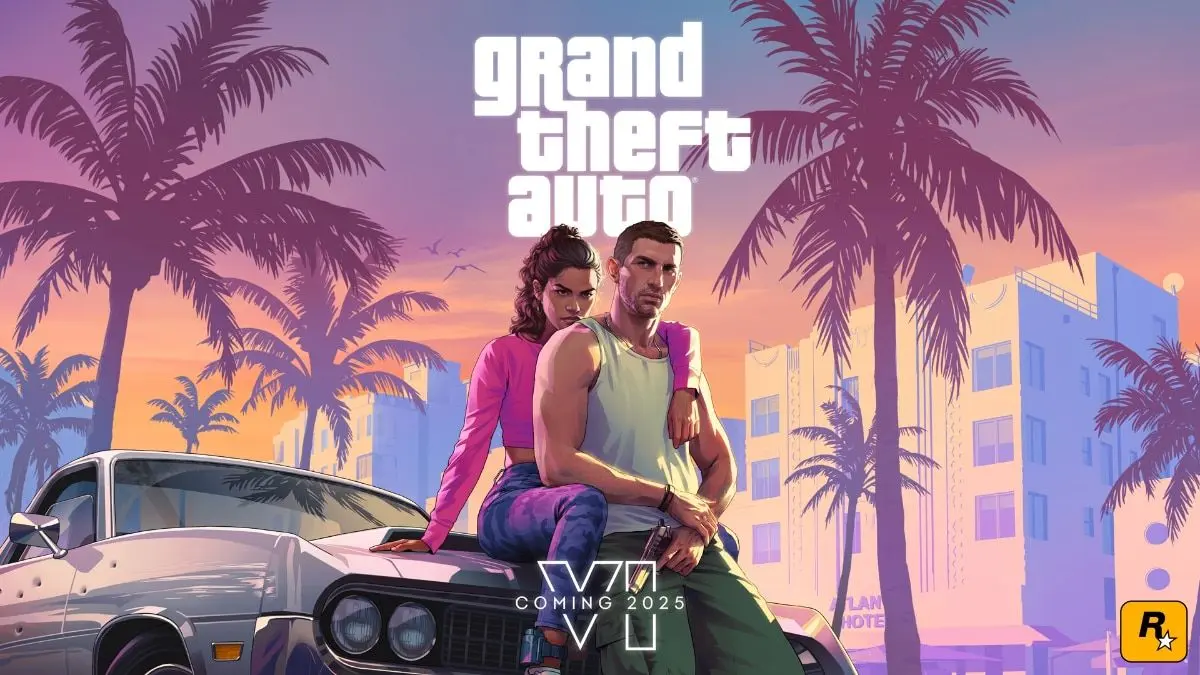
When Google unveiled a new look at its experimental Project Genie generative AI tool earlier this year, AAA game companies like Grand Theft Auto publisher Take-Two Interactive saw their stock prices take a noticeable hit. After all, why would you need thousands of developers to make big, explorable worlds when Google promised that kind of interactivity could be generated with mere text prompts? But Take-Two boss Strauss Zelnick doesn't sound worried about Project Genie or similar generative AI projects in a new interview with The Game Business. "I was kind of stunned by the market's reaction, because the market's reaction was somehow seeing it as a threat to what we do, when it's quite obvious that creation tools are beneficial for our industry," Zelnick told The Game Business Show host Christopher Dring in a new video interview. "I think the bear case for big entertainment companies is somehow that AI tools will mean everyone can create hits, doesn't stand to reason. "These tools may help you create assets, but that won't help you create hits. There are loads of assets out there now. It doesn't matter if you push a button to create an asset, or it takes you six weeks, at the end of the day, you have an asset. And thousands of mobile games are launched every year, and there are a handful of hits." Zelnick said that using tools to generate quality assets "that might look like NBA 2K or EA Sports FC or Red Dead Redemption" is possible with AI. But that creating a hit of the magnitude of those franchises "is a completely different animal and does require human engagement [and] human creativity." In other words, Zelnick said, generative AI does not level the playing field "even the littlest bit" between prompt-writers and seasoned game developers. There's already plenty of technology that allows people to create video games, as proven by the thousands released every year. But the hits generally come from large entertainment companies and, occasionally, the breakout indie developer. "The notion that somehow new tools would allow an individual to push a button and generate a hit, market a hit, and bring it to many millions of consumers around the world, it's a laughable notion," Zelnick said. "It's just never been the case with entertainment." To further his point, Zelnick -- who notes that he is pro-technology and talks up AI's ability to boost efficiency and handle "mundane office tasks" -- talked about AI-generated music. "Right now, there are programs that allow you to put out a prompt and get a professionally recorded song spit back out at you," he said. "It sounds like a song, but I defy you to listen to it more than once." Take-Two Interactive plans to publish Rockstar Games' Grand Theft Auto 6 in November. No doubt we'll get some commentary on generative AI in that highly anticipated game as well. Related What havoc will GTA 6 wreak on the 2026 game release schedule? Rival publishers will be wary again, but things are a little different this year Posts 3
[2]
Take-Two CEO Strauss Zelnick still rejects the idea AI can tackle games on the scale of GTA 6: "Creating a hit of that magnitude does require human engagement and creativity"
As the world prepares for the arrival of Grand Theft Auto 6 (hopefully this year), many have been wondering whether gen-AI would make its way into Rockstar Games' gigantic project somehow. Take-Two boss Strauss Zelnick has plainly stated that AI is incapable of creativity of its own. "You wouldn't end up with anything very good," he said in late 2025. A few months later, it seems his stance hasn't changed. At least, that's the impression we got from Christopher Dring's interview with Zelnick at The Game Business. "The history of our industry is that we've always used technology to create great entertainment... So, an advance in technology that allows us to do things better and quicker is great for us." He continued by saying he was "stunned by the market's reaction" because he doesn't see such technological advancements as a threat to creative work. "I think the bare case for big entertainment companies is somehow that AI tools will mean everyone can create hits, but that doesn't stand to reason." Though no plans have been revealed at Take-Two in order to take advantage of recent AI tools, Zelnick doesn't shoot down the idea of creating "assets" with the help of the controversial utilities, though he underlines that it won't help anyone conjure up winners. As far as the Take-Two boss is concerned "human engagement and creativity" are required. "It all depends on your expectations... No one ever added value with a PowerPoint presentation," he says later in the interview. "Nonetheless, lots of them are made all the time... But no one's saying: 'that's great. Chris, we're going to give you a big promotion because of the amazing PowerPoint you did for the internal committee'. That's not what we get paid for." Circling back to video games, he admits tools that predate Google's Project Genie have empowered more people to create games, yet among "thousands of video games" that release each year, most hits come from "large entertainment companies" and indies that generally are "pretty robust". He's not wrong; thousands of games hit Steam every month, but due to discoverability issues and sheer volume, a huge amount of games go under the radar. "Every entertainment business that was supposed to be destroyed by new technology hasn't been," he added, citing music and vaudeville, the latter of which has simply evolved into the live comedy shows and theatre. If you're thinking this sounds peculiarly positive - especially with the context of how much negativity we're seeing about AI - it's because Zelnick is a self-described optimist: "When I was a little kid, calculators came along and parents were all up in arms that now schools would not teach kids math because they had access to calculators. Well, people are learning math today, even though there are calculators."
[3]
Take-Two boss says if the Grand Theft Auto franchise is threatened by AI
TL;DR: Take-Two CEO Strauss Zelnick views generative AI as helpful tools but not shortcuts to creating successful games like Grand Theft Auto VI. He emphasizes that human creativity remains essential for hits, dismissing the idea that AI alone can produce blockbuster titles or replace established entertainment companies. In a recent interview, Take-Two boss Strauss Zelnick has discussed the rising concern of generative AI tools being used to develop games, and how that relates to the upcoming Grand Theft Auto VI. Zelnick sat down with The Game Business where he was asked about his thoughts on generative AI tools making their way into the video game industry. According to Zelnick, these GenAI tools are nothing but that, tools, and that developers should approach them as such. Zelnick further explained that while these tools are useful they aren't a one-click solution to creating a good game. The CEO of the company that publishes the Grand Theft Auto franchise added that he was "stunned" by the market's reaction to these new GenAI tools being unveiled, presumably NVIDIA's recent unveiling of DLSS 5, which has caused a defiant reaction from many within the gaming community and industry. "The history of our industry is that we've always used technology to create great entertainment. So, an advance in technology that allows us to do things better and quicker is great for us. I was kind of stunned by the market's reaction, because its reaction was somehow seeing it as a threat to what we do, when it's quite obvious that creation tools are beneficial for our industry," said Zelnick Zelnick recognized the threat many are calling out when it comes to Gen AI tools being used to create entertainment, saying the thought that entertainment companies will be replaced by AI tools and the initiative of an everyday person "doesn't stand to reason". Adding, "These tools may help you create assets, but that won't help you create hits. There are loads of assets out there now. It doesn't matter if you push a button to create an asset, or it takes you six weeks, at the end of the day, you have an asset...you can create assets that might look like a big release, that might look like NBA 2K or EA Sports FC. But creating a hit of that magnitude is a completely different animal and does require human engagement and creativity." Zelnick was asked if a tool such as Google's Project Genie could be used by an individual or a small team to create a hit title such Grand Theft Auto, Zelnick responded, "Not even the littlest bit." "There's already plenty of technology out there that allow people to create video games, and as a result, thousands of video games are created every year, and yet the hits all cluster among the large entertainment companies, almost entirely, and now and then, an indie, which is generally speaking well-funded and pretty robust in and of itself." "The notion that somehow new tools would allow an individual to push a button and generate a hit and bring it to millions of consumers around the world, it's a laughable notion. It's just never been the case with entertainment. Right now [in music] there are programs that allow you to put out a prompt and get a professionally recorded song spit back out at you. It sounds like a song, but I defy you to listen to it more than once. It's great to send as a greeting card to your partner on their birthday, but that's about it," said Zelnick
[4]
Take-Two CEO: Laughable That AI Could Make A Game Like GTA
AI-generation tools and tech continue to be the hottest thing in the world as seemingly every company tries to shove them into more apps and products, even if the results are bad. The CEO of Rockstar Games' parent company Take-Two Interactive, Strauss Zelnick, says that while genAI will have a place in game development, he finds it "laughable" that anyone thinks it can create something like the upcoming Grand Theft Auto 6, set to launch in November. On the latest episode of The Game Business, Zelnick was asked if AI-generation tools, like Google's Genie, could level the playing field and make it easier for anyone to make a big budget GTA-like experience. His answer was blunt: “Not even the littlest bit." "There’s already plenty of technology out there that allow people to create video games, and as a result, thousands of video games are created every year," said Zelnick. "And yet the hits all cluster among the large entertainment companies, almost entirely, and now and then, an indie, which is generally speaking well-funded and pretty robust in and of itself." “The notion that somehow new tools would allow an individual to push a button and generate a hit and bring it to many millions of consumers around the world, it’s a laughable notion. It’s just never been the case with entertainment. Right now [in music] there are programs that allow you to put out a prompt and get a professionally recorded song spit back out at you. It sounds like a song, but I defy you to listen to it more than once. It’s great to send as a greeting card to your partner on their birthday, but that’s about it.†In January, a bunch of video game stocks took a hit when Google revealed Genie, an AI-powered tool that allowed people to create very basic, video game-like interactive 3D experiences. While nearly every video game developer and journalist around was quick to point out that Genie wasn't producing anything even close to a video game, and certainly nothing like a big GTA-style experience, it didn't matter. Investors panicked and prices dropped, something that caught Zelnick off-guard. “I was kind of stunned by the market’s reaction," said Zelnick when asked about the situation. "Because its reaction was somehow seeing it as a threat to what we do, when it’s quite obvious that creation tools are beneficial for our industry." "I think the bear case for big entertainment companies is somehow that AI tools will mean everyone can create hits, but that doesn’t stand to reason. These tools may help you create assets, but that won’t help you create hits. There are loads of assets out there now. It doesn’t matter if you push a button to create an asset, or it takes you six weeks, at the end of the day, you have an asset. And thousands of mobile games are launched every year, and there are only a handful of hits." “Equally, you can create assets that might look like a big release, that might look like NBA 2K or EA Sports FC," added Zelnick. "But creating a hit of that magnitude is a completely different animal and does require human engagement and creativity.â€
[5]

AI Can Assist Game Development but Not Create Hits, Says Take Two CEO
* AI cannot create blockbuster game titles, Zelnick said * He stressed that making hit games needs human creativity * The remarks come amid growing debate over AI in gaming Take-Two Interactive CEO Strauss Zelnick has shared his thoughts on the rise of artificial intelligence (AI) in the gaming industry. In a recent interview, the executive stated that while AI can assist developers in creating content, it is not expected to contribute to the development of blockbuster gaming titles. Zelnick's comments come at a time when AI adoption in gaming continues to spark debate, especially after criticism around technologies like Nvidia's DLSS 5, which was recently previewed at the company's GTC 2026 conference. AI Can Help Create Assets, Improve Efficiency In a recent interview with The Game Business, Zelnick said that AI tools can undoubtedly improve efficiency in game development, particularly when it comes to generating assets. However, he stressed that the presence of such tools does not mean that "everyone can create hits." As explained by the executive, an asset remains just one component of a much larger creative process of game development, irrespective of whether it was created in a flash using AI or developed over several weeks through traditional methods. Even if developers are able to produce assets that resemble those seen in major franchises like NBA 2K or EA Sports FC, creating a successful title of that scale is far more complex, as per Zelnick. The Take Two CEO was also asked if AI-driven tools, like Project Genie, could simplify the development process of ambitious, large-scale titles like the highly anticipated Grand Theft Auto VI, and the idea was outright dismissed. Zelnick notes that developers already have access to a wide range of advanced tools. In a previous interview, Zelnick had clarified that everything in Grand Theft Auto 6 was handcrafted by Rockstar developers, emphasising that "Generative AI has zero part in what Rockstar Games is building". Despite the existence of AI-backed tools, creating successful games is said to remain a challenging process. The official mentioned that thousands of titles are released every year, but only a select few achieve widespread success, typically from well-funded studios like Take Two Interactive's own Rockstar Games, or highly capable indie teams like Annapurna Interactive. Zelnick also stressed that the creation of a hit game requires human creativity, judgment, and engagement, which cannot be automated. He said, "While technology is constantly evolving, the basic building blocks of what makes an entertainment product successful have not changed." Remarks from the Take Two Interactive CEO follow the increased scrutiny of AI's role in gaming. Technologies like Nvidia DLSS 5 have recently met with backlash from the gaming community, with some players criticising them as an "AI slop filter". Further, the role of AI in the development of games such as Clair Obscur: Expedition 33 was also met with scrutiny following claims of the technology being used in the development of the game without full disclosure. Consequently, the acclaimed RPG from French developer Sandfall Interactive was stripped of two of its several year-end accolades over the use of generative AI in the development process, as "Games developed using generative AI are strictly ineligible for nomination."
[6]

AI making something to GTA 6's scale is "laughable," Take-Two CEO Strauss Zelnick says, but the tech isn't as awful as you think: "I don't believe machines have the ability to be good or evil"
"There is a creator economy that these tools have enabled, no doubt" GTA 6 publisher Take-Two's CEO Strauss Zelnick isn't intimidated by generative AI, and he's not afraid of it, either. He tells Christopher Dring during a new episode of his The Game Business podcast that AI isn't the great, creative equalizer that some people purport, and others fear - "not even the littlest bit." In fact, "The notion that somehow new tools would allow an individual to push a button and generate a hit, and market a hit, and bring it to many millions of consumers around the world... It's a laughable notion." Zelnick continues, "Certainly, there are other entertainment businesses that are technically less robust than interactive entertainment. For example, music. And, right now, there are programs that allow you to put in a prompt and get a professionally [...] recorded song spit back out at you." But while whatever you generate may indeed sound "like a song," Zelnick says, "I defy you to listen to it more than once." So don't expect ChatGPT to burp up the GTA 6 killer anytime soon. Zelnick maintains the technology isn't capable of such a thing - and he doesn't think AI can commit any real evil, either. He says, "I don't believe machines have the ability to be good or evil. And anyone who knows anything about digital machinery at the end of the day realizes that." All that will come from generative AI's widespread use, according to Zelnick, is "an enormous impact across all industries in terms of making mundane office work essentially more efficient or unnecessary." Oh, and don't forget to mention the thousands of layoffs, too.
[7]

Take-Two Boss Says GenAI/AI Tools "May Help You Create Assets, But That Won't Help You Create Hits" Like GTA
Generative AI (GenAI) and the new wave of AI tools that have begun to filter through the video game industry continue to be a controversial topic of conversation in games. The most recent spike in controversy comes from the reveal of NVIDIA's DLSS 5, which was an incredibly impressive reveal for some, but the cause of major backlash that already has some developers part of that initial reveal doing damage control. While there are a lot of players concerned as to how much GenAI tools will continue to influence how video games look and are developed, Take-Two Interactive chief executive officer Strauss Zelnick once again offered a more measured response to GenAI. In a new interview with The Game Business, Zelnick offered the same approach that he's been giving since 2023, that GenAI tech and tools are just that, tools, not the one-button-press solution to making big hits that some (like the investors who drove Take-Two, Nintendo, and Roblox's stock down for a day when Google's Project Genie was revealed) seem to think it is. "The history of our industry is that we've always used technology to create great entertainment. So, an advance in technology that allows us to do things better and quicker is great for us," Zelnick said. "I was kind of stunned by the market's reaction, because its reaction was somehow seeing it as a threat to what we do, when it's quite obvious that creation tools are beneficial for our industry." "I think the bear case for big entertainment companies is somehow that AI tools will mean everyone can create hits, but that doesn't stand to reason. These tools may help you create assets, but that won't help you create hits. There are loads of assets out there now. It doesn't matter if you push a button to create an asset, or it takes you six weeks, at the end of the day, you have an asset...you can create assets that might look like a big release, that might look like NBA 2K or EA Sports FC. But creating a hit of that magnitude is a completely different animal and does require human engagement and creativity." Specifically regarding Google's Project Genie (which Google has even admitted isn't a tool it created for making games), when asked if he believed Project Genie or tools like it could allow an individual or smaller entity to make a game like Grand Theft Auto, he responded, "Not even the littlest bit." "There's already plenty of technology out there that allow people to create video games, and as a result, thousands of video games are created every year, and yet the hits all cluster among the large entertainment companies, almost entirely, and now and then, an indie, which is generally speaking well-funded and pretty robust in and of itself." "The notion that somehow new tools would allow an individual to push a button and generate a hit and bring it to millions of consumers around the world, it's a laughable notion. It's just never been the case with entertainment. Right now [in music] there are programs that allow you to put out a prompt and get a professionally recorded song spit back out at you. It sounds like a song, but I defy you to listen to it more than once. It's great to send as a greeting card to your partner on their birthday, but that's about it." These comments are all consistent with what Strauss Zelnick has said before, that GenAI and AI tools on their own could not make games anywhere as good as or on the same scale as GTA. He's also previously made it clear that GenAI tools were not used in the creation of GTA VI. While there are some high-ranking executives in the industry who seem excited about GenAI tools to such a degree that it seems like they believe their company's ability to make a game as big as GTA VI is just a push of a button away, Strauss Zelnick has been at this for a long time, and his comments serve as yet another reminder that nothing in creative industries works like that. You can't make a hit, or to use Zelnick's music example, anything with actual substance, out of nothing. No matter what side of the GenAI aisle you land on, whether you think these tools have a place in creative endeavours or not, both sides should be able to agree on that. If you think differently, you're in the realm of "laughable" thinking.
[8]

Boss of GTA 6 Owner Take-Two Says the Idea That AI Tools Will Mean Everyone Can Create Video Game Hits 'Doesn't Stand to Reason' - IGN
The CEO of Take-Two Interactive -- the parent company that owns GTA developer Rockstar -- has called the idea of AI making games like GTA 6 "laughable." Talking to The Game Business, Strauss Zelnick reflected on the reception to Google's Project Genie, which can generate interactive worlds from a text prompt. Right now, Project Genie is limited to generating interactive experiences it can maintain for up to 60 seconds, with a resolution and frame rate capped at around 720p and 24fps, respectively. Still, Google is selling access as part of its Google AI Ultra subscription, and the tech demo briefly sent game company share prices tumbling. Nonetheless, Zelnick insisted that while it may be able to generate an environment "that might look like NBA 2K or EA Sports FC or Red Dead Redemption," creating a fully interactive, engaging world "is a completely different animal and does require human engagement [and] human creativity." "I was kind of stunned by the market's reaction, because the market's reaction was somehow seeing it as a threat to what we do, when it's quite obvious that creation tools are beneficial for our industry," Zelnick said. "I think the [...] case for big entertainment companies is somehow that AI tools will mean everyone can create hits, doesn't stand to reason. "These tools may help you create assets, but that won't help you create hits. There are loads of assets out there now. It doesn't matter if you push a button to create an asset, or it takes you six weeks, at the end of the day, you have an asset. And thousands of mobile games are launched every year, and there are a handful of hits." Zelnick added: "The notion that somehow new tools would allow an individual to push a button and generate a hit, market a hit, and bring it to many millions of consumers around the world -- it's a laughable notion," Zelnick said. "It's just never been the case with entertainment." The issue of generative AI's impact on the creative industries is one of the hottest topics in all entertainment. Some in the video game world are all in on the tech, however. The CEO of Genvid -- the company behind choose-your-own-adventure interactive series like Silent Hill Ascension -- has claimed "consumers generally do not care" about generative AI, and stated that: "Gen Z loves AI slop." EA CEO Andrew Wilson has said AI is "the very core of our business," and Square Enix recently implemented mass layoffs and reorganized, saying it needed to be "aggressive in applying AI." Dead Space creator Glen Schofield also recently detailed his plans to "fix" the industry in part via the use of generative AI in game development, and former God of War dev Meghan Morgan Juinio said: "... if we don't embrace [AI], I think we're selling ourselves short." As for GTA 6, Zelnick recently said marketing for GTA 6 kicks off this summer, ahead of its now seemingly locked-in November 19, 2026, release date. The price of GTA 6 continues to be one of the hottest topics in all of video games, with some expecting Rockstar to charge up to $100 for the game, although there's no evidence either way right now. One thing Zelnick has been clear on, however, is denying rumors that GTA 6 will be a digital-only release upon its initial launch. Recently, PlayStation gamers began fooling their friends by adding GTA 6 to their Recently Played list.
Share
Share
Copy Link
Take-Two Interactive CEO Strauss Zelnick firmly rejects the notion that generative AI tools can create hit games like Grand Theft Auto 6. In a recent interview, he emphasized that while AI in game development can assist with creating assets and improving efficiency, human creativity remains essential for blockbuster titles. His comments come after Google's Project Genie announcement caused stock prices to drop across major game publishers.
Take-Two Interactive CEO Dismisses AI Threat to AAA Games
When Google unveiled Project Genie earlier this year, stock prices for AAA games publishers like Take-Two Interactive took a noticeable hit. Investors panicked at the prospect of generative AI tools potentially replacing thousands of developers with simple text prompts. But Strauss Zelnick, the Take-Two Interactive CEO, remains unfazed by these market concerns over AI
1
.
Source: Gadgets 360
In a recent interview with The Game Business, Zelnick expressed surprise at the reaction. "I was kind of stunned by the market's reaction, because the market's reaction was somehow seeing it as a threat to what we do, when it's quite obvious that creation tools are beneficial for our industry," he stated
2
. His stance underscores a broader debate about AI in game development and whether technology can truly substitute the creative process behind blockbuster titles.Human Creativity Remains Essential for Creating Blockbuster Games
Zelnick acknowledged that generative AI tools can help with creating assets with AI, potentially producing visuals that resemble major franchises like NBA 2K or EA Sports FC. However, he drew a sharp distinction between asset creation and the complex process of developing hit games. "These tools may help you create assets, but that won't help you create hits," Zelnick explained
3
.The executive emphasized that creating a hit of the magnitude of the Grand Theft Auto franchise "is a completely different animal and does require human engagement and creativity"
4
. When asked directly if tools like Project Genie could level the playing field for individuals or small teams to create a game like Grand Theft Auto 6, Zelnick's response was blunt: "Not even the littlest bit"3
.
Source: Wccftech
AI Cannot Replace Creativity in the Entertainment Industry
Zelnick illustrated his point by comparing AI-generated content to traditional creative work. "The notion that somehow new tools would allow an individual to push a button and generate a hit and bring it to millions of consumers around the world, it's a laughable notion," he stated
4
. He pointed to AI-generated music as an example, noting that while programs can produce professionally recorded songs from prompts, the results lack staying power. "It sounds like a song, but I defy you to listen to it more than once," Zelnick said1
.The Rockstar Games parent company leader noted that thousands of video games launch every year, yet hits consistently cluster among large entertainment companies and occasionally well-funded indie developer teams. This pattern, he argues, demonstrates that AI cannot replace creativity or the specialized expertise required for creating blockbuster games
5
.
Source: Eurogamer
Related Stories

Efficiency in Game Development vs. Creative Vision
While dismissing AI as a replacement for human talent, Zelnick acknowledged its potential for improving efficiency in game development. He described himself as pro-technology and highlighted AI's ability to handle "mundane office tasks" and boost productivity
1
. The video game industry has historically embraced technological advances, and Zelnick views AI tools as another step in that evolution rather than a disruptive threat.In a previous interview, Zelnick clarified that everything in Grand Theft Auto 6 was handcrafted by Rockstar Games developers, emphasizing that "Generative AI has zero part in what Rockstar Games is building"
5
. This commitment to traditional development methods for the highly anticipated November release signals Take-Two Interactive's philosophy on maintaining creative control.Looking Ahead: AI's Role in the Video Game Industry
Zelnick's optimistic view contrasts sharply with growing concerns about AI's impact on creative industries. He compared current anxieties to past fears about calculators eliminating math education, suggesting that tools enhance rather than replace fundamental skills
2
. His perspective suggests that while prompt-writers may gain new capabilities, they won't suddenly compete with seasoned developers at major studios.The debate intensified following backlash against technologies like Nvidia's DLSS 5 and scrutiny over games like Clair Obscur: Expedition 33, which lost accolades after using generative AI without full disclosure
5
. As AI continues evolving, industry leaders will need to balance technological benefits with creative integrity, particularly as audiences increasingly scrutinize how their favorite blockbuster titles are made.References
Summarized by

Navi
Related Stories
Take-Two CEO Calls AI a 'Parlor Trick' That Can't Create Hit Games Like Grand Theft Auto
22 Oct 2025•Technology

Take-Two CEO Dismisses AI's Role in Game Development, Says Technology Lacks Creativity for GTA-Level Productions
30 Oct 2025•Entertainment and Society

Take-Two CEO Skeptical of AI's Revolutionary Impact on Game Development
12 Nov 2024•Technology

Recent Highlights
1
Google Maps unveils Ask Maps with Gemini AI and 3D Immersive Navigation in biggest update
Technology

2
AI chatbots help plan violent attacks as safety guardrails fail, new investigation reveals
Technology

3
Three Tennessee teens sue xAI over Grok AI creating child sexual abuse material from real photos
Policy and Regulation

Recent Highlights
Today's Top Stories





Your Daily Dose of Curated AI News
Don’t drown in AI news. We cut through the noise - filtering, ranking and summarizing the most important AI news, breakthroughs and research daily. Spend less time searching for the latest in AI and get straight to action.

