Tech entrepreneur uses AI to create first personalized cancer vaccine for his dog Rosie


2 Sources
2 Sources
[1]
An Australian tech entrepreneur used AI to help create the first-ever bespoke cancer vaccine for a dog to treat his beloved pet Rosie | Fortune
In 2024, Sydney tech entrepreneur Paul Conyngham found out his dog Rosie had cancer. But after attacking the diagnosis with chemotherapy and surgery, the tumors persisted and Rosie got sicker. So he turned to AI and eventually developed a custom a mRNA cancer vaccine with the help of Australian scientists. Most of Rosie's tumors have shrunk, and the dog is back chasing rabbits. OpenAI's ChatGPT suggested immunotherapy and directed Conyngham to the University of New South Wales Ramaciotti Center for Genomics, according to a report in the Australian. While Conyngham doesn't have a background in medicine, he is an electrical and computing engineer who cofounded Core Intelligence Technologies. He was also a director for the Data Science and AI Association of Australia. After reaching out to university, he convinced researchers there to help him and paid UNSW for Rosie's genomic sequencing. Then he started digging into the DNA. "I went to ChatGPT and came up with a plan on how to do this," Conyngham told the Australian. He also used AlphaFold, an AI tool from Google's DeepMind, to find mutated proteins that could be potential targets for treatment. While an immunotherapy treatment that looked like a good fit for Rosie was identified, the drugmaker wouldn't provide it. Then nanomedicine medicine pioneer Pall Thordarson, director of UNSW's RNA Institute, stepped in and used Conyngham's data to develop a bespoke mRNA vaccine in less than two months. "This is the first time a personalized cancer vaccine has been designed for a dog," he told the Australian. "This is still at the frontier of where cancer immunotherapeutics are -- and ultimately, we're going to use this for helping humans. What Rosie is teaching us is that personalized medicine can be very effective, and done in a time-sensitive manner, with mRNA technology." Rosie got her first injection of the cancer treatment this past December, then received a booster in February. Most of her tumors have already shrunk dramatically. And while they haven't disappeared, Rosie's health has improved. In a thread on X Saturday, Thordarson said Rosie's story demonstrates that technology can "democratize" the process of designing cancer vaccines. He cautioned that Rosie may not be cured as some tumors haven't responded to the vaccine, though it bought her more time. Still, Conyngham will take it. "In December she had low energy because the tumors were creating a huge burden for her," he told the Australian. "Six weeks post-treatment, I was at the dog park when she spotted a rabbit and jumped the fence to chase it. I'm under no illusion that this is a cure, but I do believe this treatment has bought Rosie significantly more time and quality of life." Rosie's journey has stunned some people in the tech world while also pointing to AI's potential to produce breakthroughs in medicine, perhaps turning diagnoses once considered death sentences into routine ailments. Matt Shumer, cofounder and CEO of OthersideAI, took to X over the weekend to flag a story about Conyngham and his dog. "This is what I mean when I say the world is going to get very weird, very soon," he wrote. "Expect more stories like this, each sounding increasingly more insane."
[2]
Watching his dog slowly die, techie refused to give up. Then he used AI and created a custom 'cancer vaccine' for his pet friend
Australian tech expert Paul Conyngham used artificial intelligence to help save his dog Rosie, a Staffy-Shar Pei mix, after she was diagnosed with advanced cancer. When conventional treatments like chemotherapy failed, he sequenced her DNA, identified mutations causing the tumour, and worked with the University of New South Wales to develop a personalised mRNA vaccine. Rosie received her first injection in December, followed by booster doses, and her tumour has since shrunk, with her energy and quality of life improving.
Share
Share
Copy Link
Paul Conyngham, an Australian tech entrepreneur, turned to ChatGPT and AI tools when chemotherapy failed his cancer-stricken dog Rosie. Working with University of New South Wales scientists, he developed the first-ever bespoke mRNA cancer vaccine for a dog. Most of Rosie's tumors have shrunk, demonstrating how AI could democratize personalized medicine for both animals and humans.
Australian Tech Entrepreneur Pioneers Groundbreaking AI Application for Canine Cancer
When Paul Conyngham discovered his beloved dog Rosie had cancer in 2024, conventional treatments offered little hope
1
. The Sydney-based tech entrepreneur watched as chemotherapy and surgery failed to stop the tumors, leaving his Staffy-Shar Pei mix increasingly sick. Rather than accept defeat, Conyngham leveraged his background as an electrical and computing engineer and cofounder of Core Intelligence Technologies to explore an unprecedented path: using artificial intelligence to develop a custom mRNA cancer vaccine.
Source: ET
ChatGPT and Google DeepMind AlphaFold Guide Treatment Discovery
Conyngham began his journey by consulting OpenAI's ChatGPT, which suggested immunotherapy treatment and directed him to the University of New South Wales Ramaciotti Center for Genomics
1
. Despite lacking a medical background, his experience as a former director for the Data Science and AI Association of Australia equipped him to navigate complex scientific terrain. After convincing UNSW researchers to assist and paying for Rosie's genomic sequencing, Conyngham dove into DNA sequencing for mutations. "I went to ChatGPT and came up with a plan on how to do this," he explained1
. He then deployed Google DeepMind AlphaFold, an AI tool designed to predict protein structures, to identify mutated proteins that could serve as potential treatment targets.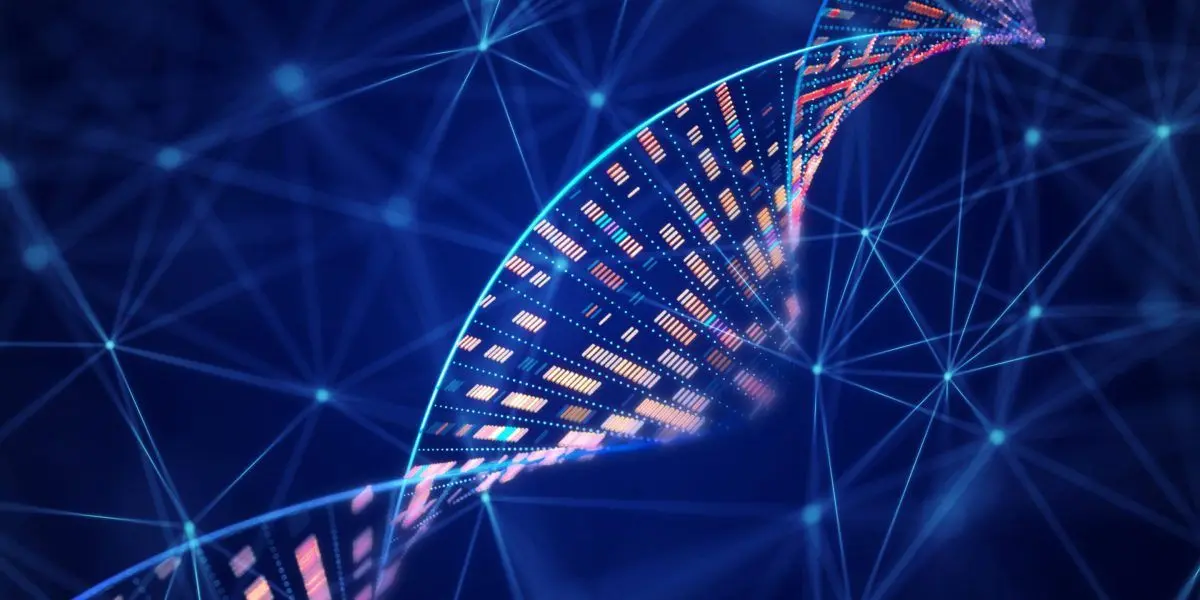
Source: Fortune
Creating the First Bespoke mRNA Cancer Vaccine for a Dog
While Conyngham identified a promising immunotherapy treatment, the drugmaker refused to provide it for veterinary use
1
. Enter Pall Thordarson, a nanomedicine pioneer and director of UNSW's RNA Institute, who used Conyngham's data to develop a bespoke mRNA cancer vaccine for a dog in under two months. "This is the first time a personalized cancer vaccine has been designed for a dog," Thordarson confirmed1
. This breakthrough sits at the frontier of cancer immunotherapeutics, with implications extending far beyond veterinary medicine. Rosie received her first injection in December, followed by a booster dose in February2
.Related Stories
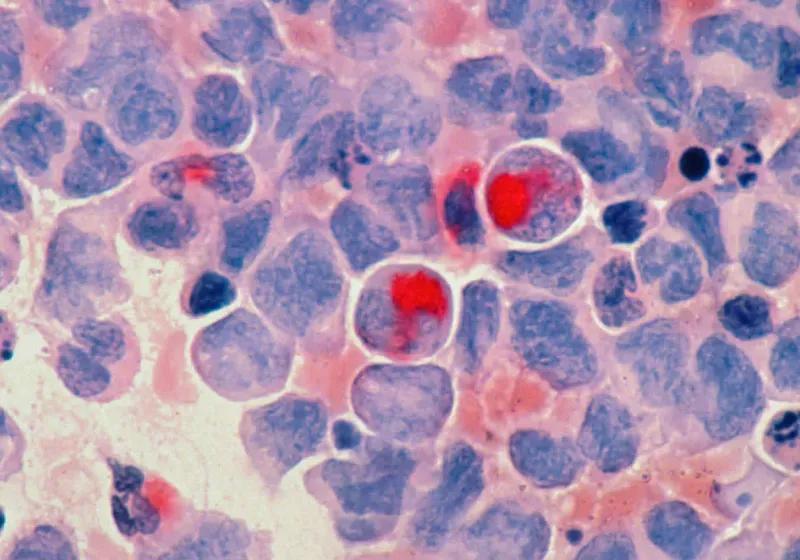
Shrinking Cancer Tumors and Improved Quality of Life
The results have been remarkable. Most of Rosie's tumors have shrunk dramatically, though they haven't completely disappeared
1
. More importantly, her quality of life has improved substantially. "In December she had low energy because the tumors were creating a huge burden for her," Conyngham noted. "Six weeks post-treatment, I was at the dog park when she spotted a rabbit and jumped the fence to chase it."1
While Conyngham maintains realistic expectations—acknowledging this may not be a cure since some tumors haven't responded—the treatment has bought Rosie significantly more time and restored her energy levels.AI to Revolutionize Personalized Medicine Beyond Veterinary Care
Thordarson emphasized in a thread on X that Rosie's case demonstrates how technology can "democratize" the process of designing cancer vaccines
1
. The implications for the future of human treatments are substantial. "Ultimately, we're going to use this for helping humans," Thordarson stated. "What Rosie is teaching us is that personalized medicine can be very effective, and done in a time-sensitive manner, with mRNA technology."1
Matt Shumer, cofounder and CEO of OthersideAI, captured the broader significance: "This is what I mean when I say the world is going to get very weird, very soon. Expect more stories like this, each sounding increasingly more insane."1
The convergence of accessible AI tools like ChatGPT and AlphaFold with advances in genomics and mRNA technology suggests that diagnoses once considered death sentences could become treatable conditions, fundamentally reshaping how we approach cancer care for both animals and humans.References
Summarized by

Navi
Related Stories
South Korean Pet Care Embraces AI for Advanced Diagnostics
22 Aug 2024

AI-Designed Proteins Revolutionize Cancer Immunotherapy: A Breakthrough in Precision Treatment
25 Jul 2025•Science and Research
AI Algorithm Accurately Detects Heart Murmurs in Dogs, Promising Early Disease Detection
29 Oct 2024•Health

Recent Highlights
1
Google Maps unveils Ask Maps with Gemini AI and 3D Immersive Navigation in biggest update
Technology

2
AI chatbots help plan violent attacks as safety guardrails fail, new investigation reveals
Technology

3
OpenAI secures $110 billion funding round as questions swirl around AI bubble and profitability
Business and Economy

Recent Highlights
Today's Top Stories




Your Daily Dose of Curated AI News
Don’t drown in AI news. We cut through the noise - filtering, ranking and summarizing the most important AI news, breakthroughs and research daily. Spend less time searching for the latest in AI and get straight to action.

