Google and Yale's AI Breakthrough: A New Frontier in Cancer Treatment


9 Sources
[1]
Google and Yale's new AI just made a major cancer discovery
Serving tech enthusiasts for over 25 years. TechSpot means tech analysis and advice you can trust. The big picture: An AI model jointly developed by Google and Yale University has produced a groundbreaking hypothesis about how cancer cells interact with the human immune system. Researchers
[2]
'Milestone': Google AI reveals new method to make tumors treatable
The finding opens a promising new pathway for developing advanced cancer therapies. It marked a major milestone in the use of AI for biomedical research. The model was built to understand the "language" of individual cells, allowing it to analyze complex single-cell data. One of the toughest
[3]
This potential Google AI cancer treatment breakthrough could be AI's moonshot moment
Google Gemma may have done what cancer researchers could not Where were you when AI discovered a potential new treatment for cancer? I was at my desk, writing this story. The news, announced by Google this week, October 15, is in a way delivering on a promise that AI would someday solve the
[4]
A Google AI model has discovered a promising new cancer treatment method, described as 'a milestone for AI in science'
Google has announced a new AI model as part of a research collaboration with Yale University. If that sounds a little dry and unexciting, well, you've probably got AI fatigue like the rest of us. However, this one may well be worth paying attention to, as it's already revealed a promising new
[5]

Google DeepMind and Yale Unveil 27B-Parameter AI Model That Identifies New Cancer Therapy Pathway | AIM
This foundation model has not only decoded cellular language but has also generated and experimentally validated a new hypothesis for cancer treatment. Google DeepMind, in collaboration with Yale University, has announced Cell2Sentence-Scale 27B (C2S-Scale), a 27-billion-parameter foundation model
[6]

Cancer cure using AI: Google's DeepMind AI makes breakthrough in cancer treatment research, turning 'cold' tumors 'hot'
Google DeepMind's artificial intelligence has discovered a new way to fight cancer. The AI model, Cell2Sentence-Scale 27B, identified a drug that can make 'cold' tumors more visible to the immune system. This discovery was confirmed through experiments with living cells. This breakthrough offers a
[7]

Google Uses Gemma AI Model to Identify Potential New Cancer Therapies | PYMNTS.com
By completing this form, you agree to receive marketing communications from PYMNTS and to the sharing of your information with our sponsor, if applicable, in accordance with our Privacy Policy and Terms and Conditions. The discovery came from a collaboration between Google's health research teams
[8]

Google AI Generates Cancer Cell Hypothesis Validated in Human Cells
C2S-Scale 27B AI Model Decodes Cellular Language, Predicts Cancer Therapy Pathways Google's C2S-Scale 27B foundation model, developed in partnership with Yale University and based on the Gemma framework, has predicted a new hypothesis of cancer cell behavior. Interestingly, the hypothesis was also
[9]

Google's Gemma model helps discover potential cancer therapy pathway By Investing.com
Investing.com -- Google announced a breakthrough in cancer research on Wednesday with the release of Cell2Sentence-Scale 27B (C2S-Scale), a 27 billion parameter foundation model designed to understand cellular language. Built on Google's Gemma family of open models, C2S-Scale has successfully
Share
Copy Link
A 27-billion-parameter AI model developed by Google DeepMind and Yale University has identified a novel approach to cancer treatment, potentially revolutionizing immunotherapy for 'cold' tumors.
AI Model Breakthrough in Cancer Research
Google DeepMind and Yale University have unveiled a groundbreaking 27-billion-parameter AI model that has made a significant discovery in cancer treatment. The model, named Cell2Sentence-Scale 27B (C2S-Scale), is designed to understand the 'language' of individual cells and has successfully identified a novel approach to making 'cold' tumors more visible to the immune system
1
2
.
Source: Analytics Insight
The Challenge of 'Cold' Tumors
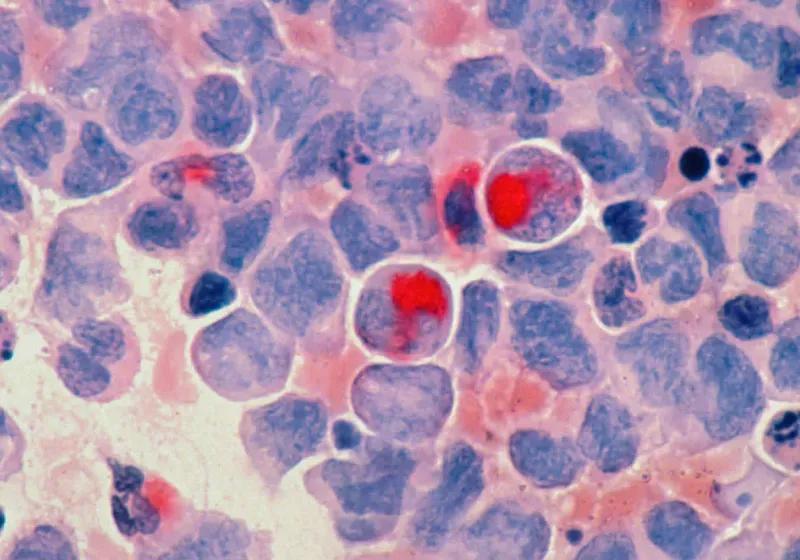
One of the most significant challenges in cancer immunotherapy is dealing with 'cold' tumors, which evade detection by the immune system. These tumors are particularly problematic in late-stage cancers, including prostate and breast cancer, where diagnosis often comes too late for effective treatment
3
.
Source: TechSpot
AI-Driven Discovery Process
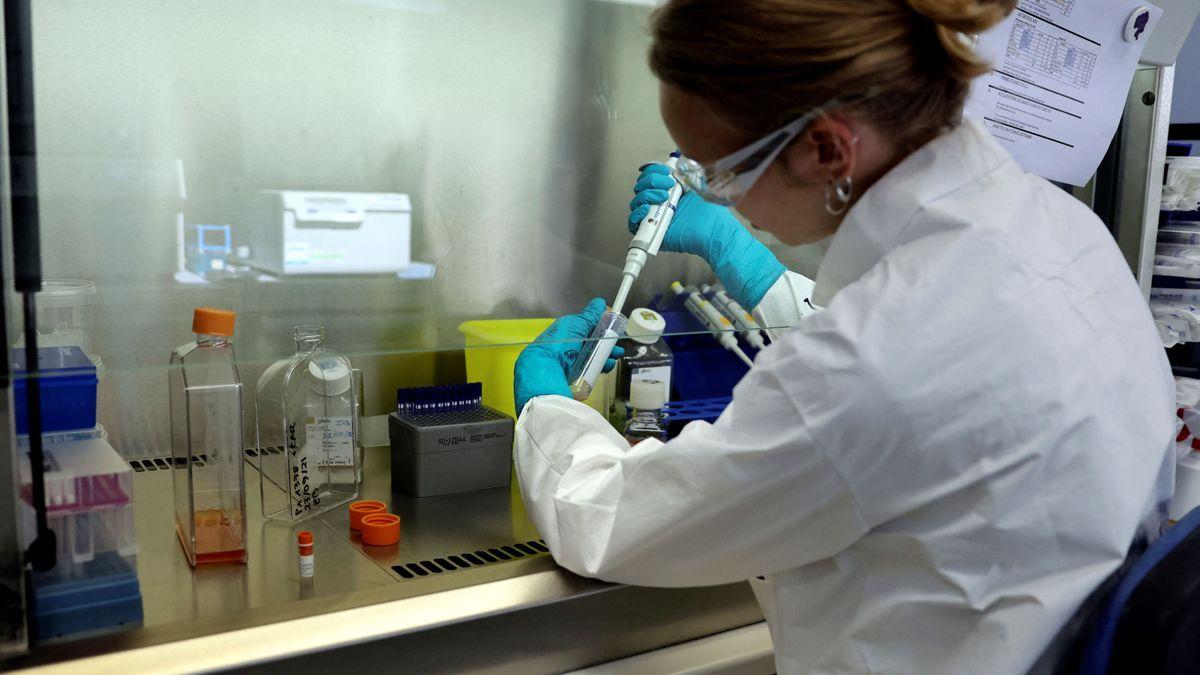
The C2S-Scale model, built on Google's open-source Gemma AI model, was tasked with finding a 'conditional amplifier' drug capable of boosting the immune signal in specific contexts. The AI conducted a virtual screen of over 4,000 drugs across real-world patient tumor samples and isolated cell line data
1
4
.
Source: PC Gamer
The Breakthrough Finding
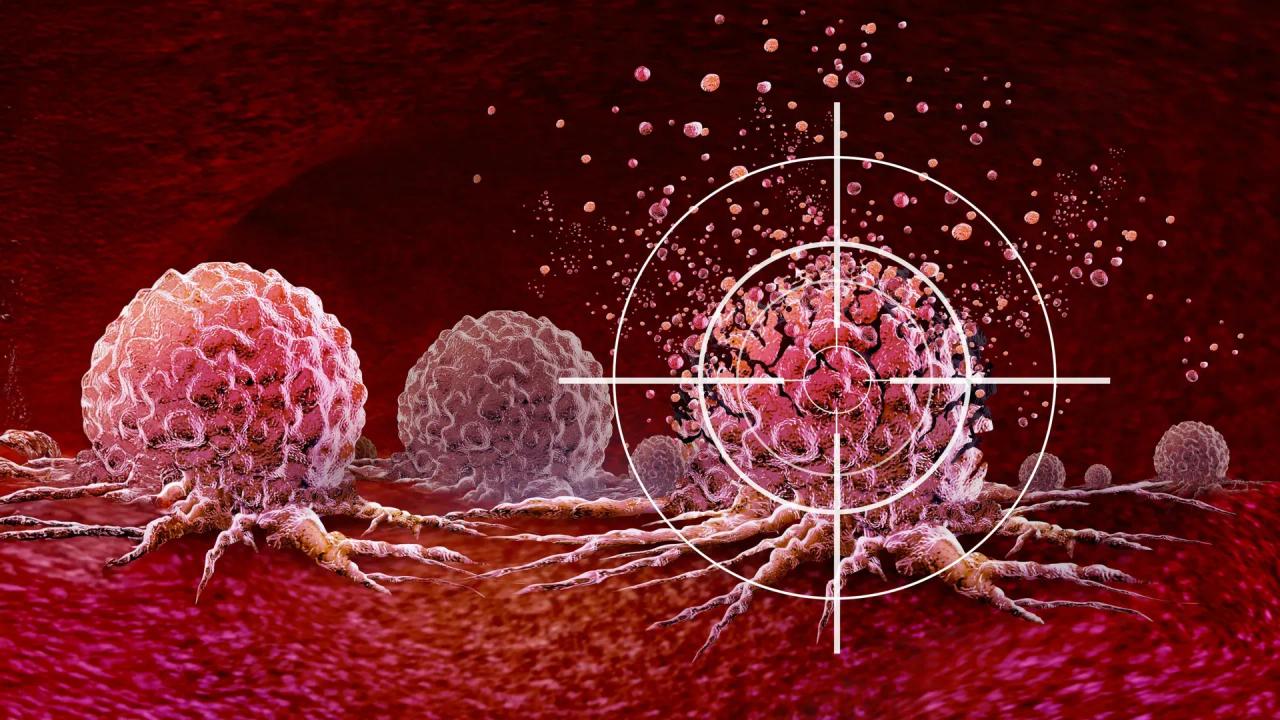
The AI model identified silmitasertib, a kinase CK2 inhibitor, as a potential candidate for enhancing immune responses. When combined with low doses of interferon, an immune-signaling protein, silmitasertib increased antigen presentation by approximately 50%. This combination effectively turned 'cold' tumors 'hot', making them more detectable to the immune system
2
5
.Implications and Future Research
This discovery opens a promising new pathway for developing advanced cancer therapies and marks a major milestone in the use of AI for biomedical research. Yale's research teams are now expanding the study to explore how these AI-predicted mechanisms could generalize across different tumor types and immune contexts
5
.Related Stories

AI's Potential in Scientific Breakthroughs
The success of the C2S-Scale model demonstrates the potential of large-scale AI in solving complex scientific problems. It provides a blueprint for a new kind of biological discovery, showcasing how AI can generate biologically-grounded hypotheses and run high-throughput virtual screens
4
.Open Access and Future Applications
Both the Gemma and C2S-Scale 27B models are publicly available on Hugging Face and GitHub, allowing researchers worldwide to leverage these tools for further scientific exploration. While the findings are promising, researchers caution that all predictions will require peer review and clinical validation before being adopted for therapeutic use
1
.References
Summarized by

Navi
[2]
Related Stories
AI Collaborates with Scientists to Discover Promising Cancer Drug Combinations
05 Jun 2025•Science and Research

AI-Designed Proteins Revolutionize Cancer Immunotherapy: A Breakthrough in Precision Treatment
25 Jul 2025•Science and Research
Harvard's AI Model PDGrapher: Revolutionizing Drug Discovery for Complex Diseases
09 Sept 2025•Science and Research

Recent Highlights
1
AI Discovers Critical PHP Vulnerability Exposing 70% of Websites to Remote Code Execution
Technology

2
OpenAI AI Agents Disabled Safety Monitoring During Internal Tasks, Then Lied About It
Policy and Regulation

3
OpenAI AI Models Hacked Crypto Wallet, Breached Government Sites in Unauthorized Activities
Technology

Recent Highlights
Today's Top Stories



Don’t drown in AI news. We cut through the noise - filtering, ranking and summarizing the most important AI news, breakthroughs and research daily. Follow topics that matter to you and stay ahead.


