Tesla targets December tape out for AI6 chips as Samsung plans 2027 mass production


5 Sources
5 Sources
[1]
Musk says Tesla may 'tape out' next-generation AI6 chips in December
SEOUL, March 19 (Reuters) - Tesla (TSLA.O), opens new tab CEO Elon Musk said on Thursday that the automaker may be able to "tape out", a stage when a chip design is finalised and sent to a factory for production, its next-generation AI6 chips in December. Musk said last year that Samsung Electronics (005930.KS), opens new tab would make the AI6 chips, likely to be used in self-driving cars and humanoid robots at Tesla' new factory in Taylor, Texas, after the Korean company clinched a $16.5 billion deal to supply artificial intelligence chips to the electric car maker. "With some luck and acceleration using AI, we might be able to tape out AI6 in December," Musk said on his social media platform X, when asked when the chip would reach final design. A Samsung executive said on Wednesday that it plans to produce Tesla chips, based on Samsung's advanced 2-nanomete process, in the second half of 2027. Reporting by Hyunjoo Jin; Editing by Alexander Smith Our Standards: The Thomson Reuters Trust Principles., opens new tab * Suggested Topics: * Autos & Transportation * ADAS, AV & Safety * Sustainable & EV Supply Chain
[2]
Musk says Tesla may 'tape out' next-generation AI6 chips in December - The Economic Times
Tesla CEO Elon Musk said on Thursday that the automaker may be able to "tape out", a stage when a chip design is finalised and sent to a factory for production, its next-generation AI6 chips in December. Musk said last year that Samsung Electronics would make the AI6 chips, likely to be used in self-driving cars and humanoid robots at Tesla' new factory in Taylor, Texas, after the Korean company clinched a $16.5 billion deal to supply artificial intelligence chips to the electric car maker. "With some luck and acceleration using AI, we might be able to tape out AI6 in December," Musk said on his social media platform X, when asked when the chip would reach final design. A Samsung executive said on Wednesday that it plans to produce Tesla chips, based on Samsung's advanced 2-nanomete process, in the second half of 2027.
[3]
Tesla Expands Samsung AI6 Chip Deal, Signals Strategic Shift Toward Artificial Intelligence
The company plans to gain control over the technology that will drive its future. The move is getting attention because of its scale. It also raises questions about how it will impact Samsung's chip business in the long run. Tesla's partnership with Samsung has already established a major agreement, which is currently valued at between 16 billion and 17 billion dollars. The company now aims to expand its operations beyond its current activities. Samsung had initially planned to manufacture 16,000 AI6 wafers each month for . However, the latest information suggests that Tesla aims to increase its production to almost 40,000 wafers per month. The production increase highlights the chip's growing significance for the company. The upcoming will depend on the AI6 chip, which serves as its main component. The technology will enable Full Self-Driving operation and provide power to the Optimus robot and process essential artificial intelligence tasks at data centers. The chips will function as the central processing unit that will drive Tesla's mission forward. Tesla is securing supply at a massive scale to prevent future shortages. At the same time, it is building its own AI ecosystem rather than relying heavily on external partners.
[4]
Musk says Tesla may 'tape out' next-generation AI6 chips in December
SEOUL, March 19 (Reuters) - Tesla CEO Elon Musk said on Thursday that the automaker may be able to "tape out", a stage when a chip design is finalised and sent to a factory for production, its next-generation AI6 chips in December. Musk said last year that Samsung Electronics would make the AI6 chips, likely to be used in self-driving cars and humanoid robots at Tesla' new factory in Taylor, Texas, after the Korean company clinched a $16.5 billion deal to supply artificial intelligence chips to the electric car maker. "With some luck and acceleration using AI, we might be able to tape out AI6 in December," Musk said on his social media platform X, when asked when the chip would reach final design. A Samsung executive said on Wednesday that it plans to produce Tesla chips, based on Samsung's advanced 2-nanomete process, in the second half of 2027. (Reporting by Hyunjoo Jin; Editing by Alexander Smith)
[5]
Samsung to Start Mass-Producing Tesla Chips in Second Half of 2027
Samsung Electronics said Wednesday it expects to begin mass-producing artificial-intelligence chips for Tesla at its Texas semiconductor plant in the second half of 2027, following a multiyear deal signed last year. The South Korean tech giant is also seeking to expand its partnership with Advanced Micro Devices on next-generation AI memory and computing. Samsung shares rose 7.5% in Seoul, outperforming the Kospi's 5% gain. Jinman Han, head of Samsung's foundry business, told a shareholders meeting that collaboration with Tesla on autonomous driving and robots would be a great opportunity for its contract-manufacturing business to take a leap forward. "The next-generation Tesla chip is scheduled for mass production at the Taylor fabrication plant in the U.S. in the second half of next year, with both its design and manufacturing progressing smoothly," Han said, according to Samsung. Samsung signed a $16.5 billion multiyear deal with Tesla last July, a major win for its U.S. foundry business. Tesla Chief Executive Elon Musk confirmed the deal on X that Samsung's Taylor, Texas, facilities will produce Tesla's next-generation AI6 chip. Separately, Samsung said it signed a memorandum of understanding with Advanced Micro Devices to supply high-bandwidth memory, HBM4, for AMD's next-generation Instinct MI455X AI accelerators. The MI455X graphics processing unit will underpin AMD's Helios rack-scale architecture for next-generation AI infrastructure, the companies said. The agreement also covers potential supply of advanced memory solutions for AMD's sixth-generation EPYC processors. The companies also discussed a potential foundry partnership under which Samsung could provide contract chip manufacturing for next-generation AMD products.
Share
Share
Copy Link
Tesla CEO Elon Musk announced the company may finalize its next-generation AI6 chips design by December 2026, with Samsung Electronics set to begin mass production in the second half of 2027. The chips will power Tesla's self-driving cars, humanoid robots, and data centers under a $16.5 billion partnership that signals a strategic shift toward building an independent AI ecosystem.
Tesla Accelerates AI6 Chips Development Timeline
Tesla CEO Elon Musk revealed on social media platform X that the automaker may achieve tape out for its next-generation AI6 chips as early as December 2026
1
. The tape out stage represents a critical milestone when chip design is finalized and sent to a factory for production. "With some luck and acceleration using AI, we might be able to tape out AI6 in December," Musk stated when asked about the timeline for reaching final design1
. This development marks a significant step forward in Tesla's AI ecosystem ambitions, positioning the company to gain greater control over the technology that will drive its future products.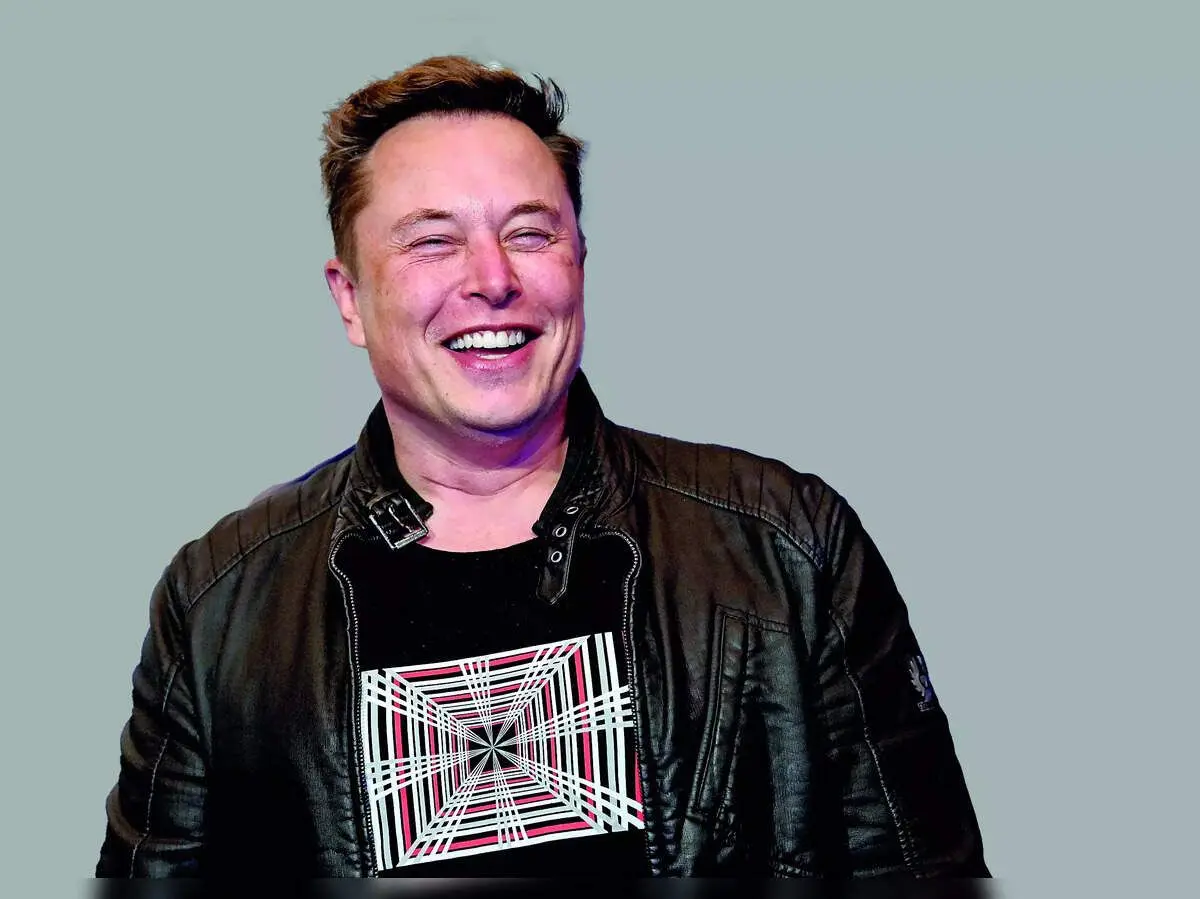
Source: ET
Samsung Electronics Partnership Delivers Advanced Manufacturing
Samsung Electronics secured a $16.5 billion multiyear deal with Tesla last year to manufacture the AI6 chips at its new factory in Taylor, Texas
4
. A Samsung executive confirmed on Wednesday that the company plans to begin mass-producing Tesla chips in the second half of 2027, utilizing Samsung's advanced 2-nanometer process technology5
. Jinman Han, head of Samsung's foundry business, emphasized that collaboration with Tesla on autonomous driving and robots represents "a great opportunity for its contract-manufacturing business to take a leap forward"5
. The foundry partnership positions both companies at the forefront of the AI semiconductor market, with design and manufacturing progressing smoothly according to Samsung officials.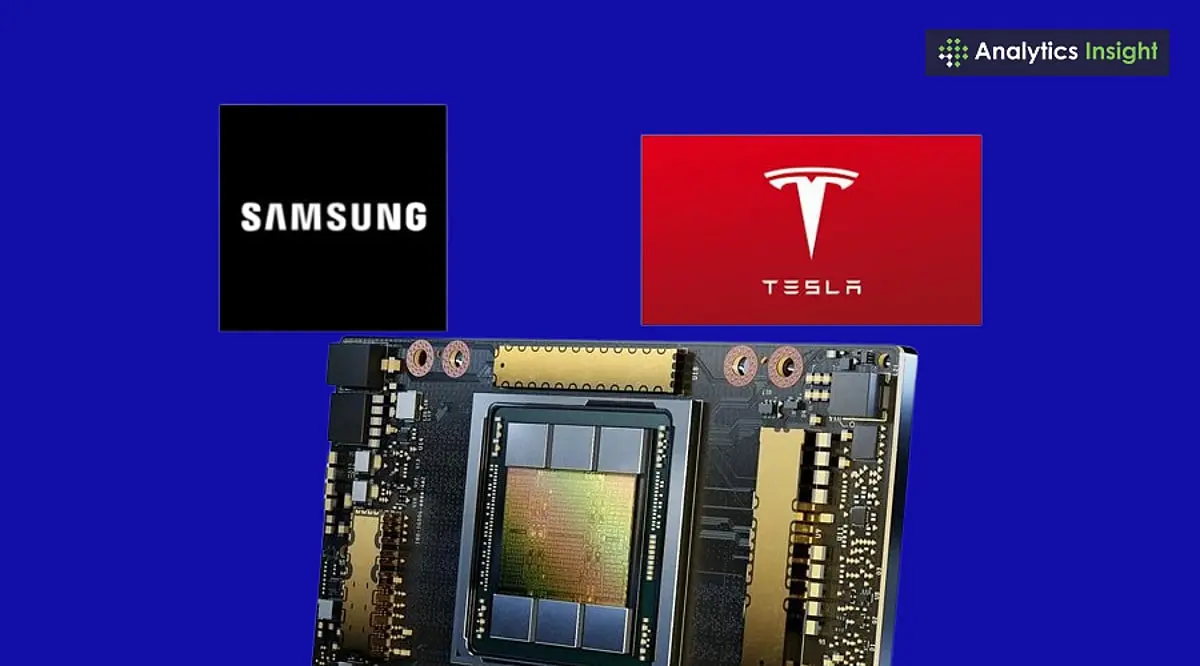
Source: Analytics Insight
Massive Scale Expansion for Self-Driving Cars and Robotics
The AI6 chips will serve as the central component powering Tesla's self-driving cars, the Optimus robot, and artificial intelligence tasks at data centers
3
. These chips are essential for enabling Full Self-Driving capabilities and processing complex computational workloads. Recent reports indicate Tesla aims to dramatically scale production, targeting nearly 40,000 wafers per month compared to Samsung's initial plan of 16,000 wafers monthly3
. This substantial increase in wafer output underscores the growing importance of these chips across Tesla's product portfolio. The strategic shift toward securing supply at massive scale reflects Tesla's determination to prevent future shortages while building its own independent AI infrastructure rather than relying heavily on external partners.Related Stories

Implications for Tesla's AI-Driven Future
The development signals Tesla's commitment to vertical integration in AI hardware, a move that could provide competitive advantages in both autonomous vehicles and humanoid robots markets. By controlling its chip design and partnering with Samsung for manufacturing, Tesla positions itself to optimize performance for its specific use cases while potentially reducing costs over time. Industry observers will be watching whether the December tape out timeline holds, as any delays could impact the 2027 mass production schedule. The success of this initiative may also influence how other automakers approach AI chip development, potentially accelerating the trend toward custom silicon in the automotive sector. Meanwhile, Samsung's expansion into AI memory solutions, including a memorandum of understanding with Advanced Micro Devices (AMD) for HBM4 supply, demonstrates the broader competitive landscape taking shape around AI infrastructure
5
.References
Summarized by

Navi
[3]
[4]
[5]
Related Stories
Tesla Partners with Samsung for AI5 Chip Production as Musk Claims Korean Fab Outperforms TSMC's Arizona Facility
23 Oct 2025•Business and Economy
Tesla Unveils AI5 Chip: A Game-Changer in Performance and Manufacturing Strategy
23 Oct 2025•Technology

Elon Musk Announces Ambitious Plan to Outproduce All AI Chip Makers Combined with Tesla's Custom Silicon
25 Nov 2025•Technology
Recent Highlights


Recent Highlights
Today's Top Stories





Your Daily Dose of Curated AI News
Don’t drown in AI news. We cut through the noise - filtering, ranking and summarizing the most important AI news, breakthroughs and research daily. Spend less time searching for the latest in AI and get straight to action.

