Microsoft pledges to cover full electricity costs for AI data centers amid growing public backlash


30 Sources
30 Sources
[1]
Microsoft vows to cover full power costs for energy-hungry AI data centers
On Tuesday Microsoft announced a new initiative called "Community-First AI Infrastructure" that commits the company to paying full electricity costs for its data centers and refusing to seek local property tax reductions. As demand for generative AI services has increased over the past year, Big Tech companies have been racing to spin up massive new data centers for serving chatbots and image generators that can have profound economic effects on the surrounding areas in which they are located. Among other concerns, communities across the country have grown concerned that data centers are driving up residential electricity rates through heavy power consumption and by straining water supplies due to server cooling needs. The International Energy Agency (IEA) projects that global data center electricity demand will more than double by 2030, reaching around 945 TWh, with the United States responsible for nearly half of total electricity demand growth over that period. This growth is happening while much of the country's electricity transmission infrastructure is more than 40 years old and under strain. It's a big enough issue that in December, US Senators launched a probe demanding tech companies explain how they plan to prevent data center projects from increasing electricity bills. Microsoft Vice Chair and President Brad Smith wrote in the company's blog post about the announcement that the company will "set a high bar" for responsible data center development, making promises that seem targeted to quell the growing criticism surrounding AI data center construction. The company's plan to address the issues includes five commitments: covering full electricity costs to prevent rate increases for residents, minimizing water use while replenishing more than the company withdraws, creating local jobs, paying full property taxes, and investing in AI training programs for data center communities. Taking responsibility for power usage In the Microsoft blog post, Smith acknowledged that residential electricity rates have recently risen in dozens of states, driven partly by inflation, supply chain constraints, and grid upgrades. He wrote that communities "value new jobs and property tax revenue, but not if they come with higher power bills or tighter water supplies." Microsoft says it will ask utilities and public commissions to set rates high enough to cover the full electricity costs for its data centers, including infrastructure additions. In Wisconsin, the company is supporting a new rate structure that would charge "Very Large Customers," including data centers, the cost of the electricity required to serve them. Smith wrote that while some have suggested the public should help pay for the added electricity needed for AI, Microsoft disagrees. He stated, "Especially when tech companies are so profitable, we believe that it's both unfair and politically unrealistic for our industry to ask the public to shoulder added electricity costs for AI." On water usage for cooling, Microsoft plans a 40 percent improvement in data center water-use intensity by 2030. A recent environmental audit from AI model-maker Mistral found that training and running its Large 2 model over 18 months produced 20.4 kilotons of CO2 emissions and evaporated enough water to fill 112 Olympic-size swimming pools, illustrating the aggregate environmental impact of AI operations at scale. To solve some of these issues, Microsoft says it has launched a new AI data center design using a closed-loop system that constantly recirculates cooling liquid, dramatically cutting water usage. In this design, already deployed in Wisconsin and Georgia, potable water is no longer needed for cooling. On property taxes, Smith stated in the blog post that the company will not ask local municipalities to reduce their rates. The company says it will pay its full share of local property taxes. Smith wrote that Microsoft's goal is to bring these commitments to life in the first half of 2026. Of course, these are PR-aligned company goals and not realities yet, so we'll have to check back in later to see if Microsoft has been following through with its promises.
[2]
Microsoft scrambles to quell fury around its new AI data centers
It looks like the wave of campaigns against data centers are getting under big tech companies' skin -- and Microsoft is the latest giant to promise to address frustrations on the ground in communities around their data centers. The company announced a five-point plan today that it calls "Community-First AI Infrastructure." That includes paying more to try to prevent data center energy demands from raising other customers' electricity bills, minimizing the company's water use, training workers and creating jobs, and contributing to the local tax base in locations it operates. Tech companies have faced a surge of opposition against data center projects meant to satiate the needs of energy-hungry AI products. The issue has influenced local elections, with some communities even pushing developers to cancel or delay projects. "We are at a moment in time when we need to listen and we need to address these concerns head on," Microsoft vice chair and president Brad Smith said in a livestream today. Rising electricity rates across the US have become one of the biggest flashpoints, a trend that's driven in part by increasing power demand from data centers, manufacturing, and the electrification of homes, buildings, and transportation. Household electricity bills rose 13 percent nationally in 2025, according to a December report from advocacy group Climate Power. And data center power demand is expected to double or triple to consume up to 12 percent of electricity in the US by 2028, according to the Department of Energy. Microsoft claims it'll "ask utilities and public commissions to set our rates high enough to cover the electricity costs for our datacenters," including costs associated with building new infrastructure to meet growing demand. Smith says the company would not accept electricity subsidies in interviews with The Seattle Times and GeekWire. The company is also promising more transparency around where it plans to build data centers and how much energy it's using. Data center developers and tech companies have caught flak from local residents for striking deals with utilities behind closed doors and asking local officials to sign NDAs that limit how much information the public can access. Senator Elizabeth Warren (D-MA) and other Democratic lawmakers sent Microsoft, Google, Amazon, Meta, and major data center developers a letter in December demanding that the companies answer questions about their power use and local lobbying efforts. Microsoft's not the only major tech company seemingly in a defensive position. Meta similarly reiterated a pledge in December to restore water sources in places where it has data centers. Amazon commissioned a study late last year that says the company's data centers generate more in revenue for utilities than it costs for utilities to serve those facilities. At least 25 projects across the US have been canceled following local backlash, according to a Heatmap Pro analysis published yesterday. "The truth is, infrastructure buildouts progress only when communities conclude that the benefits outweigh the cost," Smith said. President Donald Trump, who promised to fast track data center development with his AI Action Plan last year, has also jumped on the bandwagon to address growing rage over soaring electricity bills. In a Truth Social post yesterday, he says his team has been "working with" Microsoft and other tech companies to make sure Americans don't "pick up the tab" for data center power consumption.
[3]
Microsoft to overhaul AI data center building with community-first approach -- says it will 'be a good neighbor' to communities, cover energy cost increases, and replenish water
Redmond is taking steps to ensure that its AI data centers benefit the surrounding communities, too. Microsoft just announced a major plan to turn the negative impact of AI data centers into a long-term good for the community that surrounds these resource-intensive facilities. The company's "Building Community-First AI Infrastructure" announcement lists five things to address some of the biggest pain points that many residents living near data centers have been concerned about. This includes power pricing, water supply, jobs (or the lack thereof), local infrastructure, and direct investments in the people and their future. Redmond's first and biggest promise is that its data centers will not drive local electricity prices up wherever it sets up shop. This is currently one of the biggest issues between AI hyperscalers and the American public, with a few states reporting spikes in energy costs by as much as 36%. Microsoft has promised that it will "ask utilities and public commissions to set our rates high enough to cover the electricity costs for our data centers." This is more than just paying for the amount of electricity that the company uses -- instead, it includes the investment cost that the utility company requires to set up and deliver the power that the data center demands. It also said that it will collaborate with power providers so that the electricity infrastructure will be able to keep up with its data centers' future electricity demands. The company also addressed the massive amounts of water that data centers need for cooling, especially in water-distressed areas. A Microsoft data center in Mexico was linked to water shortages in the surrounding areas, which the company denied was linked with its project. Nevertheless, it said that it will commit to reducing water use in its data center and ensure that the company's data centers will "replenish more water than we withdraw," and that it will also offer greater transparency on how it achieves this through its various short-term and long-term projects. Besides water and power, Microsoft also promised that will invest in the local community to bring jobs today, by training local workers "to support the construction and maintenance of datacenters," and in the future, by investing in "responsible AI literacy training and learning experiences for students and teachers," as well as by "creating neighborhood AI learning hubs in partnership with local libraries" to help adults learn more about AI tools and the skills needed to use them. Microsoft even said that it won't ask for tax breaks on the land that it will use for its data centers, so that the revenues generated from its business will be used to fund public assets that will make the community better. It seems that the tech giant is making these promises after pushback from the government. Three Democratic U.S. senators demanded explanations from big tech companies, which, aside from Microsoft, included Amazon, Meta, and Google, and other smaller players, about what they're doing about how their data centers drive up residential energy bills. More than that, President Donald Trump said that tech companies need to "pay their own way" for their electricity demands, and that the White House is in talks with various companies, beginning with Microsoft, to see how they could fix the issue.
[4]
Microsoft: We'll Foot the Bill for Electricity Price Hikes Caused by AI Data Centers
A Microsoft data center in Aldie, Virginia. (Lexi Critchett/Bloomberg via Getty Images) As it races to build new data centers in the US, Microsoft is vowing to shield neighboring residents from electricity price hikes, a day after President Trump called on big tech to foot the energy bill. AI data center expansion is facing growing backlash in the US from residents concerned about electricity prices, land seizures, and the environmental toll. Sensing the discontent, Microsoft announced a "Community-First AI Infrastructure" that touts the benefits of data centers. "Communities value new jobs and property tax revenue, but not if they come with higher power bills or tighter water supplies," Microsoft President Brad Smith wrote in a blog post. "Without addressing these issues directly, even supportive communities will question the role of data centers in their backyard. At the top of the five-point plan is Microsoft's pledge to "pay our way to ensure our data centers don't increase your electricity prices." This includes covering the costs for both using the energy and expanding the electrical infrastructure. "Especially when tech companies are so profitable, we believe that it's both unfair and politically unrealistic for our industry to ask the public to shoulder added electricity costs for AI," Smith added. "Instead, we believe the long-term success of AI infrastructure requires that tech companies pay their own way for the electricity costs they create." As part of the plan, Microsoft is committing to minimizing water use necessary to cool its data centers, modernizing water systems for local communications, and even replenishing "more water than we withdraw." In addition, the company is pledging to create local jobs through the data center expansion and to pay its "fair share" in local property taxes to support hospitals, schools, and parks. The final point calls for Microsoft to support and offer AI training and education for children and adults. Microsoft aims to start implementing the plan this year and adopt similar community-first commitments in other countries as well. Still, Smith was light on details on how Microsoft plans on generating the massive amounts of power needed for its data centers, except to say the company is prioritizing innovation, efficiency, and using "nuclear energy" in some cases. Meanwhile, Trump has opposed solar and wind, advocating for oil and coal instead. Microsoft is also just one of several large tech firms pursuing new data centers. OpenAI, Elon Musk's xAI, Google, Amazon, and Mark Zuckerberg's Meta, among others, also have them in the works. But according to President Trump, the public can expect similar pledges focused on shielding consumers from electricity price hikes. "I never want Americans to pay higher Electricity bills because of Data Centers," Trump wrote in a Truth Social post on Monday. "Therefore, my Administration is working with major American Technology Companies to secure their commitment to the American People, and we will have much to announce in the coming weeks." In the same post, Trump said the White House had been first working with Microsoft. "Data Centers are key to that (AI) boom, and keeping Americans FREE and SECURE but, the big Technology Companies who build them must 'pay their own way,'" Trump wrote.
[5]

Trump says tech giants must fund AI datacenter grid upgrades
Big Tech warned expansion must come without higher household bills as Microsoft signals support President Trump says tech giants must pay their way when it comes to delivering increased power needed for datacenters, rather than the burden falling on US citizens, and it seems Microsoft is on board with that. Trump issued his latest edict via his Truth Social media platform, declaring: "I never want Americans to pay higher Electricity bills because of Data Centers." The Trump administration is working with major US technology companies to secure their commitment, he added, saying: "First up is Microsoft, who my team has been working with, and which will make major changes beginning this week to ensure that Americans don't 'pick up the tab' for their POWER consumption, in the form of paying higher Utility bills." This is a new concern for the President, who last year assured the tech oligarchy during a convivial dinner hosted at the White House that he would ensure they got as much energy as they needed to retain US leadership in the AI arms race. Microsoft has responded to the Presidential decree with what it is calling "Community-First AI Infrastructure." This might sound like a contradiction in terms, but Microsoft insists it wants "to be a good neighbor in the communities where we build, own, and operate our datacenters." In a blog post, vice chair and president Brad Smith says tech companies have a unique opportunity to deliver the advances AI is expected to bring, plus a responsibility to address new challenges it creates. In June 2025, Val Walsh, Microsoft's VP for Cloud Operations & Innovation, complained at the Datacloud Global Congress event in France: "we have communities that don't want us there," and criticized the "lack of alignment from the general public" as to why datacenters are necessary. The Community-First AI Infrastructure Initiative provides a framework to address community-related challenges, Smith explained today, based on five commitments from Microsoft: * Paying its way to ensure datacenters don't increase electricity prices. * Minimizing water use and replenishing more water than it uses. * Creating jobs for residents. * Adding to the taxes that pay for local hospitals, schools, parks, and libraries. * Strengthening communities by investing in local AI training and nonprofits. On paying its way, Smith said Microsoft will ask utility companies to set its electricity rates high enough to cover the electricity costs for its datacenters, including the costs of expanding the electricity infrastructure. However, in a telling aside, he commented: "Some have suggested that AI will be so beneficial that the public should help pay for the added electricity the country needs for it." Of course, others have also suggested that AI is a bubble waiting to burst, and that many are likely to be impacted by the fallout once it does. On the other promises, Microsoft reiterates that it is committed to reducing the amount of water its datacenters use, claiming this will equate to "a 40 percent improvement in datacenter water use intensity by 2030." But as we reported back in 2023, the company's water consumption actually surged 34 percent to 6.4 million cubic meters the previous year. Microsoft also pledges to create jobs, although opponents of datacenters are quick to point out that while these facilities may employ thousands during construction, once up and running, the number of permanent positions may be as few as 50. However, major infrastructure expansion is always difficult, Smith concluded. "It's expensive. It inevitably raises questions, concerns, and even controversies." Private companies can help, he added, by "stepping up and acting in a responsible way. We cannot surmount inevitable community challenges by ourselves. But we can make everything easier by embracing a long-term vision. By recognizing our responsibility. By playing a constructive role. And by supporting the entire community." ®
[6]
Trump says that AI tech companies need to 'pay their own way' when it comes to their electricity consumption -- says major changes are coming to ensure Americans don't 'pick up the tab' for data centers
The White House wants AI companies to pay for the electricity they need and not pass on the burden to ordinary consumers. President Donald Trump said that even as U.S. tech giants are winning the AI race, the massive power requirements of these data centers should not increase the electricity bill for the average American. According to the president's Truth Social post, his team will work with American tech companies so that they can continue with their AI advancements without passing on increased electricity costs due to the limitations of the national grid. Microsoft is the first company that the White House will work with to address this issue. "First up in Microsoft, who my team has been working with, and which will make major changes beginning this week to ensure that Americans don't "pick up the tab" for their POWER consumption, in the form of paying higher Utility bills," Trump said. "We are the 'HOTTEST' Country in the World, and Number One in AI. Data Centers are key to that boom, and keeping Americans FREE and SECURE but, the big Technology Companies who build them must "pay their own way." Because of this, Redmond just announced a five-point plan that promises to build "community-first AI infrastructure." The massive AI buildout is straining the electricity infrastructure, especially as it takes years -- sometimes more than a decade -- to build new power plants and the grid infrastructure that supports them. In the meantime, several multi-MW and multi-GW projects that are coming online in recent months are eating up the U.S.'s power production, causing power prices to skyrocket by as much as 36% in some states. More importantly, this jump in electricity costs is heavily impacting residential users and small businesses -- individuals who often have the least to gain by using AI. Meta founder and CEO Mark Zuckerberg said in mid-2024 that power will be the biggest constraint on AI growth after the GPU shortage has eased for the industry. And even though we're in the midst of a memory shortage as well, which is expected to last until 2028, this is far easier addressed than limitations on the power grid. More than that, the massive power demand that's driving electricity prices is directly affecting a greater number of people than the lack of DRAM and NAND. AI hyperscalers like OpenAI and xAI are turning to on-site generators to get their thousands of GPUs online as early as possible, allowing them to run even before they're connected to the grid. However, these are just temporary solutions until they get the go-signal from state governments to get power from local utilities, meaning they will still have an impact on the local community's power supply. Aside from the White House, Democrats from the U.S. Senate are also concerned about rising residential energy bills, demanding explanations from Amazon, Google, and other tech giants. This two-prong approach could hopefully result in actions from both the private and the public sector that will allow the U.S. to stay competitive in the AI race without decimating the pockets of its ordinary citizens.
[7]

Microsoft's Brad Smith pushes Big Tech to 'pay our way' for AI data centers amid rising opposition
It won't be easy for Big Tech companies to win the hearts and minds of Americans who are angered about massive artificial intelligence data centers sprouting up in their neighborhoods, straining electricity grids and drawing on local reservoirs. Microsoft is trying anyway. The software giant's president, Brad Smith, is meeting with federal lawmakers Tuesday to push forward an approach that calls for the industry, not taxpayers, to pay the full costs of the vast network of computing warehouses needed to power AI chatbots like ChatGPT, Google's Gemini and Microsoft's own Copilot. President Donald Trump gave Microsoft's effort a nod in a Truth Social post Monday evening, where he stated that he does not want Americans to "pick up the tab" for these data centers and pay higher utility costs. "Local communities naturally want to see new jobs but not at the expense of higher electricity prices or the diversion of their water," Smith said in an interview with The Associated Press. Smith's campaign comes as data center developers are increasingly running into hostility in towns where they want to build and meeting defeat at municipal boards that must approve zoning applications or construction permits. Rising electric prices are one problem. Heavy water usage by data centers to cool electronic equipment has also elicited concerns from local residents that they'll see their wells run dry or their water utility bills spike. The defeats have spread alarm among data center allies and spurred efforts to ramp up the amount of money that operators are willing to offer communities in exchange for approval. "People are asking not just pointed questions but completely reasonable questions and it's our job, I think, to acknowledge them and address them head on and show that we can do this and pursue this expansion in a way that fully meets their needs," said Smith, who is also Microsoft's vice chair and has spent decades leading its legal and political work. In the mid-Atlantic region grid that encompasses all or parts of 13 states, ratepayers have been paying higher prices on their bills since at least June because of data centers, according to utilities and analysts. Electricity bills are expected to keep rising as payments to power plant owners grow to entice the construction of new power sources to meet demand from new and yet-to-be-built data centers in hotspots like Virginia, Ohio and Pennsylvania. Another source of friction is that big data center developers can strike bulk power deals with local electric utilities that are profitable for utilities, but also kept confidential. That means it may never be clear whether data center operators really are paying for their electricity -- or foisting the cost onto the rest of the utility's ratepayers, consumer advocates say. Data center projects have also met objections in communities where people are worried about losing open space, farmland, forest or rural character, or are concerned about the damage to quality of life, property values, environment or their health. In Hobart, Indiana, last week, the City Council approved a tax-abatement package for a multibillion-dollar Amazon data center planned there. In turn, the deal promises Amazon will make two payments of $5 million each for issuing a pair of building permits, plus another series of payments totaling $175 million over three years at various project milestones. Opponents say the money unduly influences the decision-making of city officials. In Wisconsin, where Smith grew up and the home of what Microsoft has called "the world's most powerful AI datacenter," the company has encountered hurdles in expanding its construction projects near the shores of Lake Michigan. The company has promised the centers will employ hundreds of people when they're finished. Democratic Gov. Tony Evers has touted the projects he says will put Wisconsin "on the very cutting edge of AI power." But environmentalists and consumer groups have warned that the centers will consume unprecedented amounts of electricity, driving up rates across the Midwestern power grid, and could use hundreds of thousands of gallons of Lake Michigan water daily. Company officials have pledged that the centers' impact will be minimal and will contribute carbon-free energy to the power grid. Environmental group Clean Wisconsin has called for government officials to pause data center approvals until the state develops a comprehensive plan to regulate them. Francesca Hong, one of several Democratic candidates for governor -- Evers is not seeking re-election in November -- has developed a proposal she calls CONTROL ALT DELETE that calls for a moratorium on data center construction until "we know how to protect ourselves from their environmental and energy costs." In the interview with AP, Smith talked about data center projects in Wisconsin and elsewhere. This interview has been edited for clarity and length. Smith: We don't use nearly as much water as we do electricity. Electricity is a heavier lift. It's a larger investment. And it comes after several decades where electricity production in the United States was basically flat. If you look at the approach that we're taking in terms of partnering with utilities, paying our own way, I think we can address this problem to the satisfaction of local communities. At the end of the day, it requires the approval of the utilities commissions. Smith: I shouldn't name names. First of all, we wholeheartedly agree with the positive impact that AI is going to create for the future. But we don't think that the public should be devoting tax dollars to pay for the improvements in the electricity grid that are needed to serve data centers. Private companies can incorporate that into their financial planning, especially when you look at things like improvements on the transmission side or improvements in substations. Smith: We set a goal for ourselves in 2020 of being what we call carbon-negative by 2030. That requires that we reduce the amount of carbon emissions that we create, and that we then remove from the environment each year, beginning in 2030, more carbon than we emit. We have not changed course on that. There are times when the power that is coming to our data centers is generated by something like natural gas. We can work with a utility to ensure that it's cleaner natural gas, but beyond that, we also invest in bringing to the regional grid new sources of carbon-free energy as well, whether it's nuclear, solar, hydro or others. Smith: On the carbon commitment, we have a clear path to reach our goal in 2030. As we often say, progress is lumpy, not linear. A lot of what we're doing in the middle of the decade is making the investments that will benefit us at the end of the decade. It's not like walking upstairs, where every step is the same length. But overall, I continue to be confident in our ability to meet our goals at the end of the decade. Smith: We are supportive of Wisconsin developing a comprehensive electricity plan. I don't think our project should be paused to wait for that. We're partnering to build out and improve the electricity grid in southeastern Wisconsin. A rate tariff that we have proposed to the public utility commission would impose on Microsoft additional costs that we would help pay for in the state. And because of other investments we're making, including a 150-megawatt solar farm. -- -- AP writer Todd Richmond in Madison, Wisconsin, contributed to this report.
[8]

Microsoft says communities won't see energy price hikes near data centers as utility costs rise
Microsoft announces initiative to offset AI data center impact on local communities Microsoft on Tuesday promised that consumers won't pay more when the software maker sets up data centers nearby. The company also committed to replenish more water than it uses, and to add to local tax bases in places where it has data centers. "Our pledge to each of these communities is that we will pay our way as a company, to ensure that our data centers don't increase your electricity prices," Brad Smith, Microsoft's president and vice chair, said at an event held in Great Falls, Virginia, less than 20 miles from the White House. The company will sign deals with utilities in advance, so they can afford to invest in infrastructure that can support new data centers, Smith said. Smith made a similar statement in September in Racine, Wisconsin, near a company data center that's set to come online in early 2026. "We will pay utility rates that are high enough to cover our electricity costs in part by collaborating with utilities on plans to add the electricity supply that we will need," Smith said. The move comes as utility prices rise across the U.S., where technology companies are racing to build data centers that can run generative artificial intelligence models such as the ones that power OpenAI's popular ChatGPT assistant.
[9]

Trump says tech giants, not consumers, must pay higher electricity costs tied to AI data centers
Serving tech enthusiasts for over 25 years. TechSpot means tech analysis and advice you can trust. What just happened? In addition to driving up the price of DRAM and other PC components, another reason AI data centers are getting a lot of hate is their negative effect on electricity prices. But President Donald Trump says that his administration is working with major US tech companies to ensure Americans don't "pick up the tab." In a post on his Truth Social account, Trump wrote that he never wants Americans to pay higher electricity bills because of data centers. As such, the tech giants that build them must "pay their way." The post goes on to state that the first company the administration is working with is Microsoft. Trump says the Redmond firm will make major changes beginning this week. "We are the "HOTTEST" Country in the World, and Number One in AI. Data Centers are key to that boom and keeping Americans FREE and SECURE but the big Technology Companies who build them must "pay their own way." Thank you, and congratulations to Microsoft," he added. Microsoft has not responded to requests for comment on Trump's post. However, President and Vice Chairman Brad Smith is scheduled to make an announcement at an event in Washington later today (January 13), when he may speak about the proposal. In a statement announcing the event, Microsoft said that as America enters a new era of opportunity shaped by the power of AI, there are fundamental questions being raised, including who should bear the cost of critical AI infrastructure. Surging electricity prices are one of many reasons why most people don't share the same love for generative AI as the CEOs invested in the industry - something Nvidia's Jensen Huang recently complained about. US power prices have risen faster than the rate of inflation as the cost of living keeps increasing. In December, three senators sent letters to Amazon, Google, Meta, Microsoft, Equinix, Digital Realty, and CoreWeave, raising concerns that data center growth has coincided with dramatic increases in local utility rates. They cited a study finding that electricity prices have risen by as much as 267% over the past five years in areas located near significant data center activity. According to the letters, power prices often surge when utilities build new infrastructure to meet the massive, sustained electricity loads demanded by data centers, which in some regions "consume as much power as an entire city." In October, Microsoft canceled plans to build a data center in Caledonia, Wisconsin, after residents and elected officials objected. While the reasons for these objections were not listed, increased electricity bills and a reduction in power quality in the area were doubtlessly major factors. The Wisconsin location was one of at least 25 data center projects canceled in the US last year.
[10]

Microsoft responds to AI data center revolt, vowing to cover full power costs and reject local tax breaks
President Trump was right about Microsoft -- but he only leaked part of the story. Microsoft is changing its approach to building massive data centers for artificial intelligence, unveiling what it calls a "community first" initiative in response to growing opposition from people across the country facing higher electricity bills and dwindling water supplies. The new plan, announced Tuesday morning in Washington, D.C, includes pledges to pay the company's full power costs, reject local property tax breaks, replenish more water than it uses, train local workers, and invest in AI education and community programs. "This sector worked one way in the past, and needs to work in some different ways going forward," said Brad Smith, Microsoft president and vice chair, in an interview with GeekWire. He later described the shift as "both the right thing to do and the smart thing to do." Trump made headlines Monday night with a Truth Social post in advance of the news, saying his administration has been working with tech companies "to secure their commitment to the American People." He called Microsoft "first up" and said it would "make major changes ... to ensure that Americans don't 'pick up the tab' for their POWER consumption." Backlash against AI expansion Microsoft's rollout comes at a critical juncture for tech. Amazon, Google, OpenAI, Microsoft and others are betting hundreds of billions of dollars on AI, but those ambitions hinge on their ability to build out the infrastructure to support them -- a prospect that depends increasingly on the cooperation of local communities that have grown skeptical of the costs and tradeoffs. Smith said Microsoft has been developing its initiative since September. He described it as a response to shifting public sentiment -- which he witnessed firsthand during visits to his home state of Wisconsin for Microsoft's data center expansion. Back in 2024, local residents wanted to talk about jobs. By last October, the big topics were electricity prices and water use. "We saw this catch fire, to a degree, for many other companies in many other places around the country as each month unfolded," he said. In data‑center hubs such as Virginia, Illinois and Ohio, residential power prices jumped 12-16% over the past year -- noticeably faster than the U.S. average, according to U.S. government data -- as grid operators scrambled to add capacity for large new facilities. The issue has drawn scrutiny on Capitol Hill. Last month, three Democratic senators launched an investigation into whether tech giants are raising residential power bills, sending letters to Amazon, Microsoft, Google and Meta. An Amazon-funded study found that the company more than covers the utility costs associated with its electricity use in some regions Microsoft's change of course Microsoft's new approach, as outlined in a post by Smith, is a clear departure from its own past practices. The company has accepted tax abatements for data centers in states including Ohio and Iowa, and its identity was kept under wraps in a Michigan township until recently. In the interview, Smith promised new levels of transparency. He acknowledged that the traditional approach in the industry was for companies to buy land under nondisclosure agreements to avoid driving up prices -- giving them a competitive edge but leaving communities in the dark about who was moving in and how they would operate. "That is clearly not the path that's going to take us forward," he said. The companies that succeed with data centers in the long run, he added, "will be the companies that have a strong and healthy relationship with local communities." Asked if Microsoft hopes to inspire or compel others to follow suit, Smith stopped short of positioning Microsoft as the sole leader, crediting Amazon for "really good and well-executed work in this space" while adding that "the industry is going to need to set a higher bar for itself." Microsoft's plan starts by addressing the electricity issue, pledging to work with utilities and regulators to ensure its electricity costs aren't passed on to residential customers. Smith cited a new "Very Large Customers" rate structure in Wisconsin as a model, where data centers pay the full cost of the power they use, including grid upgrades required to support them. The company's other commitments include: * A 40% improvement in water efficiency by 2030, plus a pledge to replenish more water than it uses in each district where it operates. (Microsoft cited a recent $25 million investment in water and sewer upgrades in Leesburg, Va., as an example.) * A new partnership with North America's Building Trades Unions for apprenticeship programs, and expansion of its Datacenter Academy for operations training. * Full payment of local property taxes, with no requests for municipal tax breaks. * AI training through schools, libraries, and chambers of commerce, plus new Community Advisory Boards at major data center sites. Record spending on AI infrastructure Microsoft did not say how much it plans to spend on these new initiatives, separate from its broader capital expenditures, which approached $35 billion in its first fiscal quarter. Asked if the company would truly be able to follow through on all of these commitments, Smith said, "we have to follow through." Internally, he said, Microsoft is "bringing some groups together" and "adding resources" to execute the plan, describing it as essential to the company's long-term business strategy. As for how Microsoft's position squares with OpenAI's push for federal incentives to support large-scale AI infrastructure projects, Smith drew a distinction. He said he supports federal help with permitting and land access, but not electricity subsidies. "When it comes to things like electricity prices, when it comes to the water system, when it comes to training for local jobs, these are local issues," he said. Smith's post references the Trump administration's AI Action Plan and pledges to work with the Department of Labor on workforce programs. Microsoft says it will announce specific community partnerships during the first week of July, timed to America's 250th anniversary.
[11]

Microsoft pledges water-positive AI data centers, full power payments
The company said its new Community First AI Infrastructure initiative will ensure data centers do not raise residential electricity prices or strain local water supplies. Microsoft also pledged to replenish more water than its facilities consume and publish region-level water use data across the United States. Microsoft said it will pay electricity rates high enough to fully cover the costs its data centers create. It will also work with utilities to expand power supply and grid infrastructure when required. AI data centers consume large amounts of electricity, and demand continues to rise. The International Energy Agency estimates that U.S. data center electricity use could more than triple by 2035. Microsoft said households should not subsidize that growth. The company plans to push for rate structures that charge large customers the full cost of serving them, including grid upgrades and new generation. In several states, Microsoft already supports special pricing for very large electricity users. These structures prevent data center costs from shifting to residential customers.
[12]
Trump says Microsoft will make changes to ensure consumers don't pay for power used in AI buildout
President Donald Trump said in a social media post on Monday that Microsoft will announce changes to ensure that Americans won't see rising utility bills as the company builds more data centers to meet rising artificial intelligence demand. "I never want Americans to pay higher Electricity bills because of Data Centers," Trump wrote on Truth Social. "Therefore, my Administration is working with major American Technology Companies to secure their commitment to the American People, and we will have much to announce in the coming weeks." Ahead of this year's midterm elections, President Trump is trying to find ways to lower prices for consumers, as the effects of tariffs he imposed last year on goods imported to the U.S. ripple across the economy. In December, Trump announced a $1,776 "warrior dividend" for U.S soldiers. Earlier this month he demanded the purchase of $200 billion in mortgage bonds with the hope of reducing mortgage rates. Meanwhile, the biggest tech companies are rapidly constructing power-hungry data centers and telling Wall Street that they'll be bolstering their capital expenditures as the AI boom continues. Last week Meta announced agreements with three nuclear power companies for a data center in Ohio. Trump congratulated Microsoft on its efforts to keep prices in check, suggesting that other companies will make similar commitments. "First up is Microsoft, who my team has been working with, and which will make major changes beginning this week to ensure that Americans don't 'pick up the tab' for their POWER consumption, in the form of paying higher Utility bills," Trump wrote on Monday. Microsoft didn't immediately respond to a request for comment. Utilities charged U.S. consumers 6% more for electricity in August from a year earlier, including in states with many data centers, CNBC reported in November. Microsoft is paying close to attention to the impact of its data centers on local residents. "I just want you to know we are doing everything we can, and I believe we're succeeding, in managing this issue well, so that you all don't have to pay more for electricity because of our presence," Brad Smith, the company's president and vice chair, said at a September town hall meeting in Wisconsin, where Microsoft is building an AI data center. While Microsoft is moving forward with some facilities, the company withdrew plans for a data center in Caledonia, Wisconsin, amid loud opposition to its efforts there. The project would would have been located 20 miles away from a data center in the village of Mount Pleasant.
[13]

"We will set a high bar" - Microsoft reveals multiple new data centers, and promises your energy bills won't go up to pay for them
Backlash to environmentally damaging data centers has delayed projects Microsoft has announced its new initiative to build 'Community-First AI Infrastructure', which the company claims is a 'commitment to do this work differently than some others and to do it responsibly'. Within this, the tech giant promises to cover the financial cost of energy consumed by the data centers, a burden that has so far fallen onto the consumer - with current estimates calculating that AI infrastructure will see energy demand surge to almost 300% by 2035. This commitment from Microsoft comes after President Trump asked tech companies to 'pay their own way' for their data centers, where he singled out Microsoft for leading the charge amongst tech firms and taking responsibility for their own infrastructure. "This commits us to the concrete steps needed to be a good neighbor in the communities where we build, own, and operate our datacenters," Microsoft added. "It reflects our sense of civic responsibility as well as a broad and long-term view of what it will take to run a successful AI infrastructure business. In short, we will set a high bar." This commitment comes in five forms; paying utility rates to ensure energy prices don't rise, replenishing more water than the data center uses, creating jobs for residents, paying taxes to invest in local infrastructure, and investing in local AI training and non-profits. Data centers have been notoriously accused of creating serious and substantial concerns for water supplies (especially in areas that commonly battle with drought issues and water scarcity) - with some local homeowners reporting having lost access to clean drinking water. Although these data centers may seem reminiscent of large factories or manufacturing plants that carry similar environmental concerns, it's important to note that these data centers create very few jobs once built, only needing a small amount of technicians to service the center. It's unsurprising to see these goodwill commitments from tech companies - not because they care about the communities they 'serve', but because communities are pushing back against the damaging effects of such huge, energy and water consuming infrastructure built to support a technology that most consumers 'don't care about'. In fact, reports have claimed around $64 billion in US data center projects have been delayed or blocked by local bipartisan opposition. Microsoft is already rumored to have cancelled several data center projects worth billions of dollars, so this shift towards a responsible data center model is not altogether unsurprising.
[14]

Trump says Microsoft will pay more for its datacenters' electricity
Microsoft's president said firm won't accept tax breaks in towns for its datacenters as backlash against facilities grow Donald Trump said he is partnering with tech companies to ensure the large energy-hungry datacenters vital for AI do not drive up electricity bills in the US. On Tuesday, the US president announced that Microsoft was "first up". "We are the 'HOTTEST' Country in the World, and Number One in AI. Data Centers are key to that boom, and keeping Americans FREE and SECURE but, the big Technology Companies who build them must 'pay their own way.'" Trump wrote on Truth Social. "Thank you, and congratulations to Microsoft." Brad Smith, Microsoft's president, outlined the company's plan at an event on Tuesday near the White House titled Community-First AI Infrastructure. He said the initiative aimed to minimize water use and ensure that Microsoft's electricity usage does not add to individuals' utility rates. In towns where Microsoft has datacenters, he said, the company would pay its property taxes and accept neither tax reductions nor electricity rate discounts. "Like major buildouts of the past, AI infrastructure is expensive and complex," Smith wrote in a blogpost on Tuesday. "This revives a longstanding question: how can our nation build transformative infrastructure in a way that strengthens, rather than strains, the local communities where it takes root?" Trump has embraced AI during his second term in office, hosting tech CEOs at the White House and Mar-a-Lago. He has signed executive orders to deregulate AI, hasten innovation and ease environmental rules to expedite federal permitting for datacenters. But as concern over affordability and backlash against datacenters have rippled across the country, Trump seems to be modifying his stance. Trump said he was starting his electricity bill reduction plan with Microsoft but that he was also working with other major tech companies to make similar pledges. As datacenters have rapidly cropped up across the country, local communities have protested against the projects, saying the facilities are raising electricity costs, draining water resources and polluting neighborhoods. The outrage is bipartisan - stretching from red states such as Oklahoma, Tennessee and Louisiana to blue ones such as Oregon, California and New York. In rural Wisconsin, Microsoft scrapped plans for a new datacenter after community opposition that included concern over a surge in electricity rates. Datacenters consume vast amounts of power and water, and those facilities geared toward AI are especially intensive. One large-scale datacenter can use the same amount of electricity as a small city and consume as much as a million gallons of water per day. The International Energy Agency estimates total electricity from data centers worldwide could double through 2026 from 2022 levels - roughly equaling what is used by the entire country of Japan per year. Microsoft has seen its carbon emissions grow by 23% since 2020 because of the multiplying of its AI datacenters. Other tech companies, including Google, Amazon and Meta, have also seen considerable increases in their emissions due to the boom in AI.
[15]

Should Data Center Companies Learn From the Fracking Boom?
Microsoft's rollout of "community-first" AI infrastructure plan this week wasn't any ordinary corporate announcement. In a splashy event just outside Washington D.C., Microsoft vice chair Brad Smith laid out five big promises to address flagging enthusiasm about new data centers in communities. This included a commitment to pay more for electricity to ensure that data centers don't drive up consumer electricity costs and a promise to create jobs for local residents. The announcement was a big enough deal that President Trump previewed it positively in a social media post the night before, framing the move as a result of his administration's engagement.
[16]

Trump wants Big Tech to 'pay its own way' for AI power
President Donald Trump has found his latest cost-of-living villain: the data center -- a windowless industrial box that can guzzle power like a steel mill and still be described, somehow, as a "cloud." In a Truth Social post on Monday, Trump claimed Microsoft would make "major changes" so Americans "don't 'pick up the tab' for their POWER consumption" as part of the company's AI buildout, framing utility bills as the one line he won't let Silicon Valley cross. "I never want Americans to pay higher Electricity bills because of Data Centers," the president wrote, claiming that his administration is working with major Big Tech to secure its "commitment to the American People." He added, "We are the 'HOTTEST' Country in the World, and Number One in AI," the president wrote. "Data Centers are key to that boom, and keeping Americans FREE and SECURE but, the big Technology Companies who build them must 'pay their own way.'" Microsoft, Trump said, is the first company up. On Tuesday, the company announced a plan to build a "Community-First AI Infrastructure" initiative built around five commitments, led by a blunt one: "We'll pay our way to ensure our datacenters don't increase your electricity prices." The company says it will push utilities and state commissions to set its rates "high enough to cover the electricity costs" of serving its facilities -- including the infrastructure needed -- so those costs are "not passed on to residential customers," and it says it will pay for transmission and substation upgrades when its growth requires them. The plan also leans hard into the other local pressure point -- water -- pledging to minimize use, replenish more than it consumes, and publish regional water data, while arguing that asking the public to subsidize profitable tech companies' AI power needs is "unfair and politically unrealistic." In short, the company said that means a "commitment to do this work differently than some others and to do it responsibly." Brad Smith, Microsoft's vice chair and president, hosted a discussion Tuesday morning on "who pays for the AI boom." Trump's post is political posturing with a real technical target: the increasing fear -- and reality -- that ratepayers are subsidizing grid buildouts for hyperscale loads. The tab is already moving. The Bureau of Labor Statistics' electricity index was up 6.7% over the 12 months ending December 2025, a clean national read on what households feel when they open their bills. And the Energy Information Administration's pricing data tells the same story: Average residential electricity prices rose from 16.60 cents per kilowatt-hour in August 2024 to 17.62 cents in August 2025 -- a 6.1% jump. The timing of Trump's comments is convenient -- and the math is inconvenient. On the same day, a Rhodium Group estimate said U.S. greenhouse gas emissions rose 2.4% in 2025, reversing two years of declines, with the power sector up 3.8% in part because coal generation increased to meet demand from data centers and bitcoin mining. The data center boom is no longer a hypothetical strain on the grid. It's starting to show up in the country's emissions ledger, and in the politics of electricity bills. With the November midterms looming, the politics of "who pays" is getting louder -- partially because electricity is one of the few inflation storylines that lands in every district, every month, in the least ignorable format possible. Trump's message is built for that moment: Don't blame tariffs, don't blame utilities, don't blame him. Blame the power-hungry AI buildout. But utility decisions don't move on the same calendar as political campaigns; grid upgrades, rate cases, and capacity costs show up on bills long after the ribbon-cuttings, which means every new data center becomes a rolling referendum on affordability. Trump is trying to promise voters they won't subsidize AI's power binge at the same moment new data indicates the binge is already nudging emissions in the wrong direction. If the grid can't add clean supply fast enough, the short-term "solution" could look a lot like the old one -- keep existing fossil plants running longer, burn what's available, and sort out the politics later. Wedbush analyst Dan Ives wrote in a Tuesday note that "this will be a continuous back and forth battle between Big Tech players and the Trump administration." He added, "While this initiative alleviates a major headache from the Trump administration, this will create a larger bottleneck with big tech organizations looking to build out large data center footprints as quickly as possible without impacting the bottom-line with this potentially slowing down the data center buildouts [...]" The physics aren't subtle. A Berkeley Lab analysis from early last year found that data centers used about 4.4% of total U.S. electricity in 2023 (176 TWh) and could reach 6.7% to 12% by 2028 (325-580 TWh), depending on how the broader AI economy grows. That's industrial-scale load growth arriving on an infrastructure timeline built for incrementalism. That means new substations, upgraded transmission, faster interconnections, and a regulatory knife fight over who pays for the hardware. That fight is already happening at the local level, where "AI infrastructure" turns into zoning meetings and neighbors with microphones. In October, Microsoft backed away from plans for a data center in Caledonia, Wisconsin, after intense community opposition -- a reminder that the permit to operate now includes social license, not just land and fiber. Nationally, the pushback has become so organized that a Data Center Watch report found $98 billion in projects were blocked or delayed in a single quarter in 2025. The companies building these facilities are also experimenting with ways to behave like grid participants instead of passive customers. In August, Google signed agreements with two utilities to reduce energy consumption at its AI data centers during peak demand periods -- formal demand-response deals that can curb machine-learning workloads when the grid is stressed. Meta is pursuing long-horizon supply, including nuclear-linked deals and a newly branded infrastructure push where CEO Mark Zuckerberg has talked about building "tens to hundreds of gigawatts" of capacity over time. Meanwhile, the grid is heading into record territory regardless: EIA has projected that U.S. power consumption will reach record highs in 2025 and 2026, driven in part by data centers supporting AI and crypto. And federal regulators are watching the next phase closely: FERC has been scrutinizing how PJM, the U.S.' largest power-grid operator, handles co-location arrangements that pair large loads (including AI data centers) with generation, explicitly raising questions about reliability and "fair costs to consumers." What Trump is trying to do -- politically -- is clear: promise voters that the AI boom won't show up in their monthly statements. What utilities and regulators are trying to do -- mechanically -- is harder: build enough capacity fast enough, allocate costs in a way that doesn't spark backlash, and prevent the short-run supply response from defaulting to the dirtiest plants still standing. But as the Rhodium Group showed, when demand jumps and fuel prices shift, coal can reappear as the quickest available answer, even as the U.S. talks about long-run decarbonization. So the real story in the days, weeks, months, and years to come isn't whether Microsoft can make a "major change" in a week. It's whether the U.S. can build a power system quickly enough -- and design rates cleanly enough -- that AI's new industrial footprint doesn't become a household-bill revolt on one end and an emissions backslide on the other.
[17]

Trump announces that AI companies must 'pay their own way' for energy consumption to prevent consumer utility bills from going up
Ironically, capping energy prices is something the 'Radical Left' could get on board with. Donald Trump, sometime reality TV star and now real-world President of these United States, has announced he will prevent AI companies with huge data centers and commensurately massive electricity demands from forcing up utility bills for consumers. "I never want Americans to pay higher Electricity bills because of Data Centers," Trump said on Truth Social. Trump said his administration is working with AI companies in unspecified ways to ensure this does not happen. He also revealed that Microsoft will be the first such company to announce measures later this week entailing non-specific "major changes". The President emphasised the importance of AI companies but said they must nevertheless pay their own way when it comes to energy. "We are the 'HOTTEST' Country in the World, and Number One in AI. Data Centers are key to that boom, and keeping Americans FREE and SECURE but, the big Technology Companies who build them must 'pay their own way,'" Trump said. Trump also called out the previous Biden administration and "Radical Left" for a claimed 30% spike in energy prices for average American households. It's probably redundant to point out that government interference in markets and prices is an approach more traditionally associated with the left, while the right has generally subscribed to the notion of free markets as efficient price setting mechanisms. But hey ho. Actually, if the President is going to get involved in this sort of market manipulation, maybe he could twist the arms of memory companies and make sure that we're not all paying through the nose for DDR5. Oh, and 30% off Nvidia GPUs would be appreciated, you know, while you're at it. The issue here, of course, the huge demand for energy from data centers in the US, which the IEA predicts will double to around 400 TWh by 2030. Annual energy consumption in the US is currently around 4,000 TWh. We will presumably find out later this week some more details of what Microsoft at least is proposing to do with regard to data center energy consumption. Until then, watch this space.
[18]
Trump asks tech companies to "pay their own way" for their data centers
AI data centers have been putting immense pressure on local grids President Trump has said he wants tech giants to "pay their own way" for AI data centers, to save Americans from having to "pick up the tab" by facing higher electricity costs. The news comes as the President promises to work with major US tech firms to protect consumers from higher utility costs, with Microsoft soon set to announce changes to stop data centers pushing up American electricity bills. Trump blamed the previous administration for pushing American utility bills up by more than 30%, promising to work with Big Tech to remove the influence of AI data centers on household expenditure. The President's comments come ahead of the upcoming midterm elections, together with other commitments such as working with banks to cap credit card interest to 10% for one year. "First up is Microsoft, who my team has been working with, and which will make major changes beginning this week to ensure that Americans don't "pick up the tab" for their POWER consumption," Trump wrote in a Truth Social post, promising to work with other companies. "I just want you to know we are doing everything we can, and I believe we're succeeding in managing this issue well, so that you all don't have to pay more for electricity because of our presence," Microsoft President Brad Smith previously said in a Wisconsin town hall meeting (via CNBC). The company has since backed down from its Wisconsin data center plans amid community backlash. At the same time, some companies are looking to go completely off-grid with their data centers to minimize or negate the effects on communities. Oracle and OpenAI's Texas-based Stargate campus will include a natural gas-powered second data center, for example. Electricity prices rose around 5.1% nationwide between September 2024 and 2025, per the Bipartisan Policy Center. The US Energy Information Administration found that residential revenue per kWh rose by 5.2% on average, but this was as high as 25.8% in the District of Columbia.
[19]

Microsoft's 'Good Neighbour' Data Centre Pledge Signals New Reality for AI Infra | AIM
Amid backlash over power and water use, Microsoft is promising to make data centres pay their own way. In an effort to buttress its AI growth, Microsoft wants to be a "good neighbour" to communities hosting its data centres, pledging to ask public utilities to set higher electricity rates for such facilities. The company operates more than 400 data centres across over 70 Azure regions worldwide, including Chennai, Pune, and Hyderabad. The commitment comes in the light of rising public backlash around data centres, pushing Big Tech to rethink how it builds AI infrastructure. The crisis has hit Microsoft close to home in India. In 2023, local residents of Mekaguda village -- around 50 km away from Hyderabad -- filed a petition in the Telangana High Court, accusing the software giant of illegally occupying land beyond property boundaries to build its data centre and dumping industrial waste into a nearby lake. Such community resistance threatens to foil Microsoft's grander plans for India. Last year, its CEO Satya Nadella announced an investment of $17.5 billion in the c
[20]

Microsoft details plan to prevent its data centers from straining power, water resources - SiliconANGLE
Microsoft details plan to prevent its data centers from straining power, water resources Microsoft Corp. today announced an initiative to prevent its data centers from negatively impacting the areas where they're built. Brad Smith, the tech giant's vice chair and president, detailed the program in a blog post. The Community-First AI Infrastructure Plan, as it's known, comprises more than a dozen elements. Many of them focus on ensuring that Microsoft data centers won't increase residents' energy bills or strain local water infrastructure. According to Smith, the company will ask utilities to set its electricity rates high enough to cover the cost of supporting its cloud facilities. That includes the expenses associated with operating power delivery infrastructure. In markets where existing power lines and substations aren't sufficient to meet Microsoft's requirements, it will pay for upgrades. The company will inform utilities about its future power requirements to help them plan grid enhancements. Additionally, Microsoft intends to provide them with artificial intelligence tools that can streamline the planning process. The company also sees those AI tools easing other tasks such as improving grid resilience. In parallel, Microsoft will work to cut its data centers' water use intensity by 40% through the end of the decade. It plans to achieve that goal partly by finding more opportunities to substitute liquid cooling with air cooling, which uses less water. Liquid cooling is the preferred method of dissipating the heat generated by graphics cards. Microsoft is also testing a new data center design that uses a closed-loop liquid cooling system. It recycles coolant instead of evaporating it, which significantly cuts water usage. The company detailed today that it has already deployed the system in several states including Wisconsin and Georgia. In locations where reservoirs are strained, Microsoft will finance new public works. The goal of those investments will be to reduce its data centers' reliance on potable water. "This approach will build on what we've learned from the recent work at our datacenters in Quincy, Washington, an arid region where the local groundwater supply was already under pressure," Smith wrote. "To avoid drawing from the community's potable water, we partnered with the city to construct the Quincy Water Reuse Utility, which treats and recirculates datacenter cooling water." Another goal of Microsoft's newly detailed plan is to increase its contribution to local economies. Going forward, the company won't seek property tax breaks for data centers. It will provide AI tools and training to small businesses through local chambers of commerce. Microsoft also plans to launch other upskilling programs. Those initiatives will partly focus on training data center construction, maintenance and operations professionals who can help run its facilities.
[21]

Microsoft's Brad Smith pushes Big Tech to 'pay our way' for AI data centers amid rising opposition
It won't be easy for Big Tech companies to win the hearts and minds of Americans who are angered about massive artificial intelligence data centers sprouting up in their neighborhoods, straining electricity grids and drawing on local reservoirs. Microsoft is trying anyway. The software giant's president, Brad Smith, is meeting with federal lawmakers Tuesday to push forward an approach that calls for the industry, not taxpayers, to pay the full costs of the vast network of computing warehouses needed to power AI chatbots like ChatGPT, Google's Gemini and Microsoft's own Copilot. President Donald Trump gave Microsoft's effort a nod in a Truth Social post Monday evening, where he stated that he does not want Americans to "pick up the tab" for these data centers and pay higher utility costs. "Local communities naturally want to see new jobs but not at the expense of higher electricity prices or the diversion of their water," Smith said in an interview with The Associated Press. Smith's campaign comes as data center developers are increasingly running into hostility in towns where they want to build and meeting defeat at municipal boards that must approve zoning applications or construction permits. Rising electric prices are one problem. Heavy water usage by data centers to cool electronic equipment has also elicited concerns from local residents that they'll see their wells run dry or their water utility bills spike. The defeats have spread alarm among data center allies and spurred efforts to ramp up the amount of money that operators are willing to offer communities in exchange for approval. "People are asking not just pointed questions but completely reasonable questions and it's our job, I think, to acknowledge them and address them head on and show that we can do this and pursue this expansion in a way that fully meets their needs," said Smith, who is also Microsoft's vice chair and has spent decades leading its legal and political work. In the mid-Atlantic region grid that encompasses all or parts of 13 states, ratepayers have been paying higher prices on their bills since at least June because of data centers, according to utilities and analysts. Electricity bills are expected to keep rising as payments to power plant owners grow to entice the construction of new power sources to meet demand from new and yet-to-be-built data centers in hotspots like Virginia, Ohio and Pennsylvania. Another source of friction is that big data center developers can strike bulk power deals with local electric utilities that are profitable for utilities, but also kept confidential. That means it may never be clear whether data center operators really are paying for their electricity -- or foisting the cost onto the rest of the utility's ratepayers, consumer advocates say. Data center projects have also met objections in communities where people are worried about losing open space, farmland, forest or rural character, or are concerned about the damage to quality of life, property values, environment or their health. In Hobart, Indiana, last week, the City Council approved a tax-abatement package for a multibillion-dollar Amazon data center planned there. In turn, the deal promises Amazon will make two payments of $5 million each for issuing a pair of building permits, plus another series of payments totaling $175 million over three years at various project milestones. Opponents say the money unduly influences the decision-making of city officials. In Wisconsin, where Smith grew up and the home of what Microsoft has called "the world's most powerful AI datacenter," the company has encountered hurdles in expanding its construction projects near the shores of Lake Michigan. The company has promised the centers will employ hundreds of people when they're finished. Democratic Gov. Tony Evers has touted the projects he says will put Wisconsin "on the very cutting edge of AI power." But environmentalists and consumer groups have warned that the centers will consume unprecedented amounts of electricity, driving up rates across the Midwestern power grid, and could use hundreds of thousands of gallons of Lake Michigan water daily. Company officials have pledged that the centers' impact will be minimal and will contribute carbon-free energy to the power grid. Environmental group Clean Wisconsin has called for government officials to pause data center approvals until the state develops a comprehensive plan to regulate them. Francesca Hong, one of several Democratic candidates for governor -- Evers is not seeking re-election in November -- has developed a proposal she calls CONTROL ALT DELETE that calls for a moratorium on data center construction until "we know how to protect ourselves from their environmental and energy costs." In the interview with AP, Smith talked about data center projects in Wisconsin and elsewhere. This interview has been edited for clarity and length. What's the heaviest lift for Microsoft in terms of what you are contributing to ameliorate data center opposition? Smith: We don't use nearly as much water as we do electricity. Electricity is a heavier lift. It's a larger investment. And it comes after several decades where electricity production in the United States was basically flat. If you look at the approach that we're taking in terms of partnering with utilities, paying our own way, I think we can address this problem to the satisfaction of local communities. At the end of the day, it requires the approval of the utilities commissions. Who are you talking about when you say you disagree with those who say AI is so beneficial that the public should help pay for the electricity the technology needs? Smith: I shouldn't name names. First of all, we wholeheartedly agree with the positive impact that AI is going to create for the future. But we don't think that the public should be devoting tax dollars to pay for the improvements in the electricity grid that are needed to serve data centers. Private companies can incorporate that into their financial planning, especially when you look at things like improvements on the transmission side or improvements in substations. Clean energy is not a priority for the current presidential administration. Are you still pushing for the electricity to power your data centers to be clean? Smith: We set a goal for ourselves in 2020 of being what we call carbon-negative by 2030. That requires that we reduce the amount of carbon emissions that we create, and that we then remove from the environment each year, beginning in 2030, more carbon than we emit. We have not changed course on that. There are times when the power that is coming to our data centers is generated by something like natural gas. We can work with a utility to ensure that it's cleaner natural gas, but beyond that, we also invest in bringing to the regional grid new sources of carbon-free energy as well, whether it's nuclear, solar, hydro or others. To what extent are you on track for the 2020 commitments? Smith: On the carbon commitment, we have a clear path to reach our goal in 2030. As we often say, progress is lumpy, not linear. A lot of what we're doing in the middle of the decade is making the investments that will benefit us at the end of the decade. It's not like walking upstairs, where every step is the same length. But overall, I continue to be confident in our ability to meet our goals at the end of the decade. What's your position on groups calling for Wisconsin to pause AI data center approvals until there's a plan to ensure these projects won't harm communities? Smith: We are supportive of Wisconsin developing a comprehensive electricity plan. I don't think our project should be paused to wait for that. We're partnering to build out and improve the electricity grid in southeastern Wisconsin. A rate tariff that we have proposed to the public utility commission would impose on Microsoft additional costs that we would help pay for in the state. And because of other investments we're making, including a 150-megawatt solar farm. -- -- AP writer Todd Richmond in Madison, Wisconsin, contributed to this report.
[22]

Microsoft's Brad Smith pushes Big Tech to 'pay our way' for AI data centers amid rising opposition
It won't be easy for Big Tech companies to win the hearts and minds of Americans who are angered about massive artificial intelligence data centers sprouting up in their neighborhoods, straining electricity grids and drawing on local reservoirs. Microsoft is trying anyway. The software giant's president, Brad Smith, is meeting with federal lawmakers Tuesday to push forward an approach that calls for the industry, not taxpayers, to pay the full costs of the vast network of computing warehouses needed to power AI chatbots like ChatGPT, Google's Gemini and Microsoft's own Copilot. President Donald Trump gave Microsoft's effort a nod in a Truth Social post Monday evening, where he stated that he does not want Americans to "pick up the tab" for these data centers and pay higher utility costs. "Local communities naturally want to see new jobs but not at the expense of higher electricity prices or the diversion of their water," Smith said in an interview with The Associated Press. Smith's campaign comes as data center developers are increasingly running into hostility in towns where they want to build and meeting defeat at municipal boards that must approve zoning applications or construction permits. Rising electric prices are one problem. Heavy water usage by data centers to cool electronic equipment has also elicited concerns from local residents that they'll see their wells run dry or their water utility bills spike. The defeats have spread alarm among data center allies and spurred efforts to ramp up the amount of money that operators are willing to offer communities in exchange for approval. "People are asking not just pointed questions but completely reasonable questions and it's our job, I think, to acknowledge them and address them head on and show that we can do this and pursue this expansion in a way that fully meets their needs," said Smith, who is also Microsoft's vice chair and has spent decades leading its legal and political work. In the mid-Atlantic region grid that encompasses all or parts of 13 states, ratepayers have been paying higher prices on their bills since at least June because of data centers, according to utilities and analysts. Electricity bills are expected to keep rising as payments to power plant owners grow to entice the construction of new power sources to meet demand from new and yet-to-be-built data centers in hotspots like Virginia, Ohio and Pennsylvania. Another source of friction is that big data center developers can strike bulk power deals with local electric utilities that are profitable for utilities, but also kept confidential. That means it may never be clear whether data center operators really are paying for their electricity -- or foisting the cost onto the rest of the utility's ratepayers, consumer advocates say. Data center projects have also met objections in communities where people are worried about losing open space, farmland, forest or rural character, or are concerned about the damage to quality of life, property values, environment or their health. In Hobart, Indiana, last week, the City Council approved a tax-abatement package for a multibillion-dollar Amazon data center planned there. In turn, the deal promises Amazon will make two payments of $5 million each for issuing a pair of building permits, plus another series of payments totaling $175 million over three years at various project milestones. Opponents say the money unduly influences the decision-making of city officials. In Wisconsin, where Smith grew up and the home of what Microsoft has called "the world's most powerful AI datacenter," the company has encountered hurdles in expanding its construction projects near the shores of Lake Michigan. The company has promised the centers will employ hundreds of people when they're finished. Democratic Gov. Tony Evers has touted the projects he says will put Wisconsin "on the very cutting edge of AI power." But environmentalists and consumer groups have warned that the centers will consume unprecedented amounts of electricity, driving up rates across the Midwestern power grid, and could use hundreds of thousands of gallons of Lake Michigan water daily. Company officials have pledged that the centers' impact will be minimal and will contribute carbon-free energy to the power grid. Environmental group Clean Wisconsin has called for government officials to pause data center approvals until the state develops a comprehensive plan to regulate them. Francesca Hong, one of several Democratic candidates for governor -- Evers is not seeking re-election in November -- has developed a proposal she calls CONTROL ALT DELETE that calls for a moratorium on data center construction until "we know how to protect ourselves from their environmental and energy costs." In the interview with AP, Smith talked about data center projects in Wisconsin and elsewhere. This interview has been edited for clarity and length. Smith: We don't use nearly as much water as we do electricity. Electricity is a heavier lift. It's a larger investment. And it comes after several decades where electricity production in the United States was basically flat. If you look at the approach that we're taking in terms of partnering with utilities, paying our own way, I think we can address this problem to the satisfaction of local communities. At the end of the day, it requires the approval of the utilities commissions. Smith: I shouldn't name names. First of all, we wholeheartedly agree with the positive impact that AI is going to create for the future. But we don't think that the public should be devoting tax dollars to pay for the improvements in the electricity grid that are needed to serve data centers. Private companies can incorporate that into their financial planning, especially when you look at things like improvements on the transmission side or improvements in substations. Smith: We set a goal for ourselves in 2020 of being what we call carbon-negative by 2030. That requires that we reduce the amount of carbon emissions that we create, and that we then remove from the environment each year, beginning in 2030, more carbon than we emit. We have not changed course on that. There are times when the power that is coming to our data centers is generated by something like natural gas. We can work with a utility to ensure that it's cleaner natural gas, but beyond that, we also invest in bringing to the regional grid new sources of carbon-free energy as well, whether it's nuclear, solar, hydro or others. Smith: On the carbon commitment, we have a clear path to reach our goal in 2030. As we often say, progress is lumpy, not linear. A lot of what we're doing in the middle of the decade is making the investments that will benefit us at the end of the decade. It's not like walking upstairs, where every step is the same length. But overall, I continue to be confident in our ability to meet our goals at the end of the decade. Smith: We are supportive of Wisconsin developing a comprehensive electricity plan. I don't think our project should be paused to wait for that. We're partnering to build out and improve the electricity grid in southeastern Wisconsin. A rate tariff that we have proposed to the public utility commission would impose on Microsoft additional costs that we would help pay for in the state. And because of other investments we're making, including a 150-megawatt solar farm. -- -- AP writer Todd Richmond in Madison, Wisconsin, contributed to this report.
[23]

Microsoft Has a Plan to Address One of the Biggest Complaints About AI
President Donald Trump paved the way for the announcement, saying via Truth Social on January 12 that his administration was working with leading technology companies to "ensure that Americans don't 'pick up the tab' for their POWER consumption" by paying more in utilities. "We are the 'HOTTEST' Country in the World, and Number One in AI," he wrote. "Data Centers are key to that boom, and keeping Americans FREE and SECURE but, the big Technology Companies who build them must 'pay their own way.'" Community Opposition Bard Smith, Microsoft vice chair and president, acknowledged the need to address concerns about data centers.
[24]

Microsoft aims to minimize data centers' impact on electricity bills
Microsoft vice chair and president Brad Smith laid out a plan Tuesday to reduce the tech giant's impact on electricity bills and water resources amid growing local opposition across the country to AI data centers. Smith pledged that Microsoft will "pay our way" to prevent its data centers from raising electricity prices, as part of a larger five-point "community first" AI infrastructure plan. "The truth is infrastructure buildouts progress only when communities conclude that the benefits outweigh the cost, and we are at a moment in time when people have a lot of their mind," Smith said Tuesday. "They're worried about the price of electricity," he continued. "They wonder what this big data center will mean to their water supply. They look at this technology and ask, what will it mean for the jobs of the future? What will it mean for the adults working today? What will it mean for their children?" Major tech companies have been rapidly expanding their data center infrastructure in recent years amid the race to develop AI. However, this has increasingly been accompanied by concerns that the extensive energy demands of these data centers are raising consumer electricity prices. As part of its effort to keep prices down, Microsoft vowed to pay utility rates that are "high enough" to cover its electricity costs and work with utility companies to add necessary electricity supply. "The truth is, demand for electricity is growing," Smith said. "Infrastructure and data centers are a part of that growth and demand. They are far from the majority of that cost, but they do matter, especially in a local community where a data center is being built or expanded." The tech giant also aims to reduce its water usage and replenish more water to local communities than it uses, as it seeks to address another major environmental concern related to data centers. It vowed to invest in training for local construction jobs and operational roles at data centers, as well as AI education, and said it would not ask communities to reduce local property tax rates to attract its data centers. Smith also pledged greater transparency, acknowledging frustrations with tech companies' use of non-disclosure agreements for data centers. The move from Microsoft earned praise from President Trump, who noted late Monday that his administration has been working with major tech companies to secure commitments on the issue. "First up is Microsoft, who my team has been working with, and which will make major changes beginning this week to ensure that Americans don't 'pick up the tab' for their POWER consumption, in the form of paying higher Utility bills," Trump wrote on Truth Social. "We are the 'HOTTEST' Country in the World, and Number One in AI," he added. "Data Centers are key to that boom, and keeping Americans FREE and SECURE but, the big Technology Companies who build them must 'pay their own way.'"
[25]
Microsoft vows to reject subsidies as AI power worries grow
Who's going to pay for the artificial intelligence boom? As tech titans invest billions into data centers and high-tech computer chips to fuel their AI ambitions, concerns are building over energy costs, especially in communities where data centers pop up. Microsoft says it will pay its own way. The Redmond-based tech giant on Tuesday unveiled a five-point plan it expects to abide by as it expands its AI infrastructure: * Microsoft will pay higher utility rates to cover the electricity costs of its data centers. * Microsoft will minimize water use and replenish more than it uses. * Microsoft promises construction and ongoing operations jobs in data center communities. * Microsoft will add to the tax base of data center communities and won't ask for local property tax subsidies. * Microsoft will invest in local AI training and nonprofits. The plan is "a recognition that as a nation we've been here before," Microsoft President Brad Smith said in an interview with The Seattle Times. "When you look at the construction of railroads, power plants and airports across the country, we've always been challenged with how to keep our infrastructure up to do date. This is the right thing for a company like us to do." The company says the plan is community-based, addressing the concerns it's hearing from the cities and towns in which Microsoft already has data centers as well as from the communities it's looking to expand into. Microsoft, which has injected AI technology into the suite of software and hardware products it sells, likens the AI boom to the adoption of electricity. Microsoft also has a vested interest in AI's growth, aside from trying to sell corporate customers on Copilot-equipped Word and Excel products. For the company's bet on the technology to pay off, it's relying on mass adoption and an autonomous network of robots chatting across computer systems and the internet. But Smith is hearing the chatter and the questions about AI's burden on the electric grid in real life. He said during two recent trips to his home state of Wisconsin, the top two questions were about jobs and electricity. Before the AI boom, when the cloud-computing revolution fueled a rise in data center construction, tech companies faced criticism over tax subsidies that ultimately may have not resulted in many jobs. Smith and company are committed to the idea that more jobs will come, especially during the construction stage. Smith wrote in a company blog post Tuesday that the rapid demand for skilled labor is set to outpace the available pipeline of workers. The company is leaning into public-private partnerships to fill that demand, working with the federal government to champion a national apprenticeship and workforce development initiative for young workers near AI infrastructure projects. "These are good jobs. At the construction level they're high paying, skilled labor jobs," Smith said. "And it's important for Microsoft and other tech companies to do more for local residents to fill these jobs." For Microsoft, the expense of some of these commitments likely won't come from the same pool as the capital expenditures the company is pouring into its AI infrastructure. Rather, it will be operational expenses that include the company's higher electricity rates it plans to adopt with data center expansion. "We need to recognize reality. The public will not and should not expect a future where taxpayer dollars are subsidizing companies that are making center investments," Smith said. "We cannot protect the public from every source, but we should protect them from data center usage."
[26]

Microsoft says will foot AI's massive power bill
Microsoft said Tuesday it will shoulder the full electricity costs of its US data centers to prevent American households from facing higher power bills driven by surging AI energy demand. "I never want Americans to pay higher Electricity bills because of Data Centers," Trump wrote. Microsoft said Tuesday it will shoulder the full electricity costs of its US data centers to prevent American households from facing higher power bills driven by surging AI energy demand. US President Donald Trump first announced the initiative late Monday on Truth Social, saying his administration had been working with technology companies to ensure they "pay their own way" for power consumption. "I never want Americans to pay higher Electricity bills because of Data Centers," Trump wrote. Ahead of midterm elections in November, the increase in electricity bills has become a hot-button issue across the country, with tech companies multiplying major data center projects to meet their AI ambitions. US data center electricity consumption is projected to more than triple by 2035, according to the International Energy Agency, and already covers six to eight percent of US electricity use. To meet the demand, utilities sometimes need to build new power plants, upgrade transmission lines, or expand grid capacity -- investments that usually get passed on to all customers through rate increases. Microsoft said Tuesday it will work with utilities and regulators to ensure residential customers are not charged for the massive infrastructure investments needed. "Especially when tech companies are so profitable, we believe that it's both unfair and politically unrealistic for our industry to ask the public to shoulder added electricity costs for AI," Microsoft President Brad Smith wrote in a blog post. The company outlined a four-point plan including paying higher rates that cover infrastructure costs and collaborating early with utilities on how to pay for grid expansion. Microsoft pointed to deals in Wyoming and Wisconsin as models, where the company has structured agreements that protect residential ratepayers. The move comes as the United States faces aging electricity infrastructure and supply chain bottlenecks, with new transmission projects taking seven to 10 years due to permitting delays. Trump said more announcements from other technology companies would follow "in the coming weeks." Microsoft also said it will replenish more water than its data centers withdraw, responding to growing concerns that AI infrastructure is straining local water systems. This would be done through leak detection programs, wetland restoration and water infrastructure upgrades, the company said. AI data centers run chips at extremely high temperatures that would burn out within minutes without proper cooling, usually provided by locally supplied water.
[27]

Microsoft Pledges To Bear Own Data Center Power Costs Amid Trump Pressure Over Surging Energy Bills - Meta Platforms (NASDAQ:META), Microsoft (NASDAQ:MSFT)
Microsoft Corporation (NASDAQ:MSFT) has pledged to adopt a "community-first" approach to its AI infrastructure expansion, ensuring that local electricity bills do not surge due to its operations. The company unveiled its plans on Tuesday, stating that it will take the necessary measures to be a responsible neighbor in the communities where it builds, owns, and operates its data centers. The company plans to collaborate with local utilities to ensure its payments fully reflect its share of the strain on the local grid, helping avoid higher energy costs for local customers. Microsoft also committed to creating jobs in the communities where it establishes its data centers and to minimizing the centers' water usage, a significant issue in many areas. Big Tech Faces Heat On Data Centers This move by Microsoft comes amid increasing scrutiny of big tech companies' environmental and social impact. Earlier in the week, President Donald Trump called on major U.S. tech companies, particularly Microsoft, to bear their data center power bills to prevent Americans from paying higher electricity bills. Trump emphasized that the U.S. is a leader in AI and that data centers are crucial to the AI boom, but insisted that tech companies must "pay their own way." Notably, this announcement also comes on the heels of a contentious $1 billion data center project in a Michigan township, where Microsoft's cloud infrastructure team was revealed as the interested party. The disclosure followed local pushback and speculation, with the community expressing a desire for more information about the proposal. In February, Microsoft had reiterated its plan to invest $80 billion in AI in 2025, while noting it may "adjust its infrastructure in certain areas." Microsoft holds a momentum rating of 34.07% and a quality rating of 82.02%, according to Benzinga's Proprietary Edge Rankings. Click here to see how it compares to other leading tech companies. Price Action: Over the past year, Microsoft stock climbed 13.23%, as per data from Benzinga Pro. On Tuesday, it fell 1.36% to close at $470.67. Image via Shutterstock Disclaimer: This content was partially produced with the help of AI tools and was reviewed and published by Benzinga editors. METAMeta Platforms Inc$625.80-0.84%OverviewMSFTMicrosoft Corp$467.19-0.74%Market News and Data brought to you by Benzinga APIs
[28]
Microsoft president pushes Big Tech to 'pay our way' for AI data centres amid rising opposition
As Big Tech expands into AI, it encounters significant pushback from communities worried about the impacts on local power grids and water supplies. Microsoft's top executive, Brad Smith, is calling on government officials to push for infrastructure investment from tech companies instead of passing the costs onto taxpayers. It won't be easy for Big Tech companies to win the hearts and minds of Americans who are angered about massive artificial intelligence data centres sprouting up in their neighbourhoods, straining electricity grids and drawing on local reservoirs. Microsoft is trying anyway. The software giant's president, Brad Smith, is meeting with federal lawmakers Tuesday to push forward an approach that calls for the industry, not taxpayers, to pay the full costs of the vast network of computing warehouses needed to power AI chatbots like ChatGPT, Google's Gemini and Microsoft's own Copilot. President Donald Trump gave Microsoft's effort a nod in a Truth Social post Monday evening, where he stated that he does not want Americans to "pick up the tab" for these data centres and pay higher utility costs. "Local communities naturally want to see new jobs but not at the expense of higher electricity prices or the diversion of their water," Smith said in an interview with The Associated Press. Smith's campaign comes as data centre developers are increasingly running into hostility in towns where they want to build and meeting defeat at municipal boards that must approve zoning applications or construction permits. Rising electric prices are one problem. Heavy water usage by data centres to cool electronic equipment has also elicited concerns from local residents that they'll see their wells run dry or their water utility bills spike. The defeats have spread alarm among data centre allies and spurred efforts to ramp up the amount of money that operators are willing to offer communities in exchange for approval. "People are asking not just pointed questions but completely reasonable questions and it's our job, I think, to acknowledge them and address them head on and show that we can do this and pursue this expansion in a way that fully meets their needs," said Smith, who is also Microsoft's vice chair and has spent decades leading its legal and political work. In the mid-Atlantic region grid that encompasses all or parts of 13 states, ratepayers have been paying higher prices on their bills since at least June because of data centres, according to utilities and analysts. Electricity bills are expected to keep rising as payments to power plant owners grow to entice the construction of new power sources to meet demand from new and yet-to-be-built data centres in hotspots like Virginia, Ohio and Pennsylvania. Another source of friction is that big data centre developers can strike bulk power deals with local electric utilities that are profitable for utilities, but also kept confidential. That means it may never be clear whether data centre operators really are paying for their electricity - or foisting the cost onto the rest of the utility's ratepayers, consumer advocates say. Data centre projects have also met objections in communities where people are worried about losing open space, farmland, forest or rural character, or are concerned about the damage to quality of life, property values, environment or their health. In Hobart, Indiana, last week, the City Council approved a tax-abatement package for a multibillion-dollar Amazon data centre planned there. In turn, the deal promises Amazon will make two payments of $5 million each for issuing a pair of building permits, plus another series of payments totaling $175 million over three years at various project milestones. Opponents say the money unduly influences the decision-making of city officials. In Wisconsin, where Smith grew up and the home of what Microsoft has called "the world's most powerful AI datacentre," the company has encountered hurdles in expanding its construction projects near the shores of Lake Michigan. The company has promised the centres will employ hundreds of people when they're finished. Democratic Gov. Tony Evers has touted the projects he says will put Wisconsin "on the very cutting edge of AI power." But environmentalists and consumer groups have warned that the centres will consume unprecedented amounts of electricity, driving up rates across the Midwestern power grid, and could use hundreds of thousands of gallons of Lake Michigan water daily. Company officials have pledged that the centres' impact will be minimal and will contribute carbon-free energy to the power grid. Environmental group Clean Wisconsin has called for government officials to pause data centre approvals until the state develops a comprehensive plan to regulate them. Francesca Hong, one of several Democratic candidates for governor - Evers is not seeking re-election in November - has developed a proposal she calls CONTROL ALT DELETE that calls for a moratorium on data centre construction until "we know how to protect ourselves from their environmental and energy costs." In the interview with AP, Smith talked about data centre projects in Wisconsin and elsewhere. This interview has been edited for clarity and length.What's the heaviest lift for Microsoft in terms of what you are contributing to ameliorate data centre opposition? Smith: We don't use nearly as much water as we do electricity. Electricity is a heavier lift. It's a larger investment. And it comes after several decades where electricity production in the United States was basically flat. If you look at the approach that we're taking in terms of partnering with utilities, paying our own way, I think we can address this problem to the satisfaction of local communities. At the end of the day, it requires the approval of the utilities commissions.Who are you talking about when you say you disagree with those who say AI is so beneficial that the public should help pay for the electricity the technology needs? Smith: I shouldn't name names. First of all, we wholeheartedly agree with the positive impact that AI is going to create for the future. But we don't think that the public should be devoting tax dollars to pay for the improvements in the electricity grid that are needed to serve data centres. Private companies can incorporate that into their financial planning, especially when you look at things like improvements on the transmission side or improvements in substations. Clean energy is not a priority for the current presidential administration. Are you still pushing for the electricity to power your data centres to be clean? Smith: We set a goal for ourselves in 2020 of being what we call carbon-negative by 2030. That requires that we reduce the amount of carbon emissions that we create, and that we then remove from the environment each year, beginning in 2030, more carbon than we emit. We have not changed course on that. There are times when the power that is coming to our data centres is generated by something like natural gas. We can work with a utility to ensure that it's cleaner natural gas, but beyond that, we also invest in bringing to the regional grid new sources of carbon-free energy as well, whether it's nuclear, solar, hydro or others. To what extent are you on track for the 2020 commitments? Smith: On the carbon commitment, we have a clear path to reach our goal in 2030. As we often say, progress is lumpy, not linear. A lot of what we're doing in the middle of the decade is making the investments that will benefit us at the end of the decade. It's not like walking upstairs, where every step is the same length. But overall, I continue to be confident in our ability to meet our goals at the end of the decade.What's your position on groups calling for Wisconsin to pause AI data centre approvals until there's a plan to ensure these projects won't harm communities? Smith: We are supportive of Wisconsin developing a comprehensive electricity plan. I don't think our project should be paused to wait for that. We're partnering to build out and improve the electricity grid in southeastern Wisconsin. A rate tariff that we have proposed to the public utility commission would impose on Microsoft additional costs that we would help pay for in the state. And because of other investments we're making, including a 150-megawatt solar farm.
[29]
Trump Says Microsoft, Big Tech Must Bear Data Center Power Bills, So Americans Don't 'Pick Up The Tab' - Microsoft (NASDAQ:MSFT)
President Donald Trump announced on Monday that his administration is working with major U.S. tech companies, particularly Microsoft Corporation (NASDAQ:MSFT), to prevent Americans from bearing the brunt of data center power consumption. Through a Truth Social post, Trump said: "I never want Americans to pay higher electricity bills because of data centers." He highlighted that the U.S is "Number One" in AI and that data centers are key to the AI boom, but emphasized that the tech companies must "pay their own way." Trump indicated "major changes" to be announced beginning this week to ensure that Americans don't "pick up the tab" for the power consumption by these data centers. Microsoft did not immediately respond to Benzinga's request for comment. Data Centers Strain Grid, Boost Gas The increase in utility bills has been a growing concern, particularly due to the rising power consumption of data centers. A recent report by BloombergNEF (BNEF) indicated that the U.S. could face mounting reliability risks as electricity demand from data centers climbs far faster than grid capacity. Despite record grid spending, the investment remains insufficient to ease transmission bottlenecks. U.S. data center power use is expected to nearly triple to 12% of total electricity by 2028 from 4.4% in 2023, according to the Energy Department, with nearby consumers facing sharp rate hikes, up to 267% over the past five years, a Bloomberg analysis found. Meanwhile, the issue of data center power consumption has also been linked to a natural gas supercycle, as highlighted in a report by the IEA. The soaring power demand from data centers is pushing the U.S. back toward natural gas, effectively nudging fossil fuels back into the driver's seat. Microsoft's Europe Energy Push, US Backlash Trump's announcement of working with major American tech companies to address the issue aligns with the recent initiatives taken by Microsoft, which recently announced a partnership with Iberdrola to expand its collaboration on energy and artificial intelligence projects. This includes two long-term power purchase agreements in Spain, marking the first such agreements Microsoft has signed in Europe. Microsoft is also facing local pushback on its $1 billion data center project in a Michigan township amid concerns of swift rezoning of the land and energy demands of the facility. Image via Shutterstock Disclaimer: This content was partially produced with the help of AI tools and was reviewed and published by Benzinga editors. MSFTMicrosoft Corp$475.45-0.36%OverviewMarket News and Data brought to you by Benzinga APIs
[30]

Trump's power play risks slowing US in AI arms race By Investing.com
Investing.com -- President Donald Trump's latest push to shield Americans from higher power bills risks colliding with Washington's drive to stay ahead in the AI arms race, with Wedbush warning that forcing Big Tech to "pay their own way" on soaring electricity costs could slow the buildout of data centers that underpin the AI boom. Late Monday, Trump said his administration was working with major tech companies on "major changes" to ensure consumers do not "pick up the tab" for data centers' growing power use and insisted companies that build them must "pay their own way," singling out Microsoft as the first partner in the effort. Following Trump's post, Microsoft Corporation (NASDAQ:MSFT) rolled out its Community‑First AI Infrastructure initiative, a five‑step plan aimed at making sure AI infrastructure costs are not pushed onto local communities around data center sites. The company pledged to pay utility rates high enough to cover electricity costs, work with utilities to add capacity and boost efficiency, and cut data center water use by 40% by 2030 to prevent local water resources from being depleted, a template Wedbush expects "other Big Tech organizations to follow" amid mounting scrutiny from federal, state and local officials. The political pressure reflects a real squeeze on households. With residential utility bills up 6% year on year nationwide in August 2025, according to CNBC. states with dense data center clusters saw much steeper increases, including a 16% jump in Illinois, 13% in Virginia and 12% in Ohio. Virginia governor‑elect Abigail Spanberger, meanwhile, has also echoed that data centers should "pay their own way and their fair share" of rising electricity costs as lawmakers juggle tax revenue from new facilities with community concerns. Wedbush sees Trump's move as both a relief valve for the White House and a fresh constraint for tech. "While this initiative alleviates a major headache from the Trump administration, this will create a larger bottleneck with big tech organizations looking to build out large data center footprints as quickly as possible without impacting the bottom-line," the analysts said, warning this could slow buildouts "with the US entering a crucial time of the AI Revolution with the US facing significant energy shortages/issues to fuel data center buildouts." At the same time, however, the analysts suggest that the AI race is increasingly a clean‑energy race. Meta has locked in 6.6 gigawatts of nuclear power deals with Vistra Energy Corp (NYSE:VST), TerraPower and Oklo by 2035 on top of an earlier Constellation Energy agreement. Google (NASDAQ:GOOGL), meanwhile, has bought Intersect Power in a $4.75 billion cash deal and signed for up to 3 gigawatts of carbon‑free hydroelectric capacity with Brookfield Renewable, while Microsoft agreed a $6.2 billion contract with Nscale Global and Aker for renewable‑powered AI infrastructure in Norway. That scramble is also driven by competitive pressure from abroad. With China "spending incrementally more across new and existing power technologies into 2030," Wedbush expects "a continuous back and forth battle between Big Tech players and the Trump administration" over who foots the power bill, even as both sides know data center buildouts are "an important aspect of fueling the AI Revolution over the coming years."
Share
Share
Copy Link
Microsoft unveiled its Community-First AI Infrastructure initiative, committing to pay full electricity costs for its energy-intensive AI data centers and refusing local tax breaks. The move comes as communities nationwide voice concerns about rising residential electricity rates and water shortages. With data center power consumption expected to double by 2030, the announcement follows pressure from President Trump and Democratic senators demanding tech companies address the community impact of AI infrastructure expansion.
Microsoft Responds to Growing Concerns Over AI Data Centers
Microsoft announced a sweeping initiative called Community-First AI Infrastructure that commits the company to covering full electricity costs for its AI data centers and refusing to seek local property tax reductions
1
. The announcement comes amid mounting public backlash against data center projects, with communities across the United States increasingly concerned that these facilities are driving up residential electricity rates and straining local water supplies. Microsoft Vice Chair and President Brad Smith acknowledged the tension, stating that communities "value new jobs and property tax revenue, but not if they come with higher power bills or tighter water supplies"1
.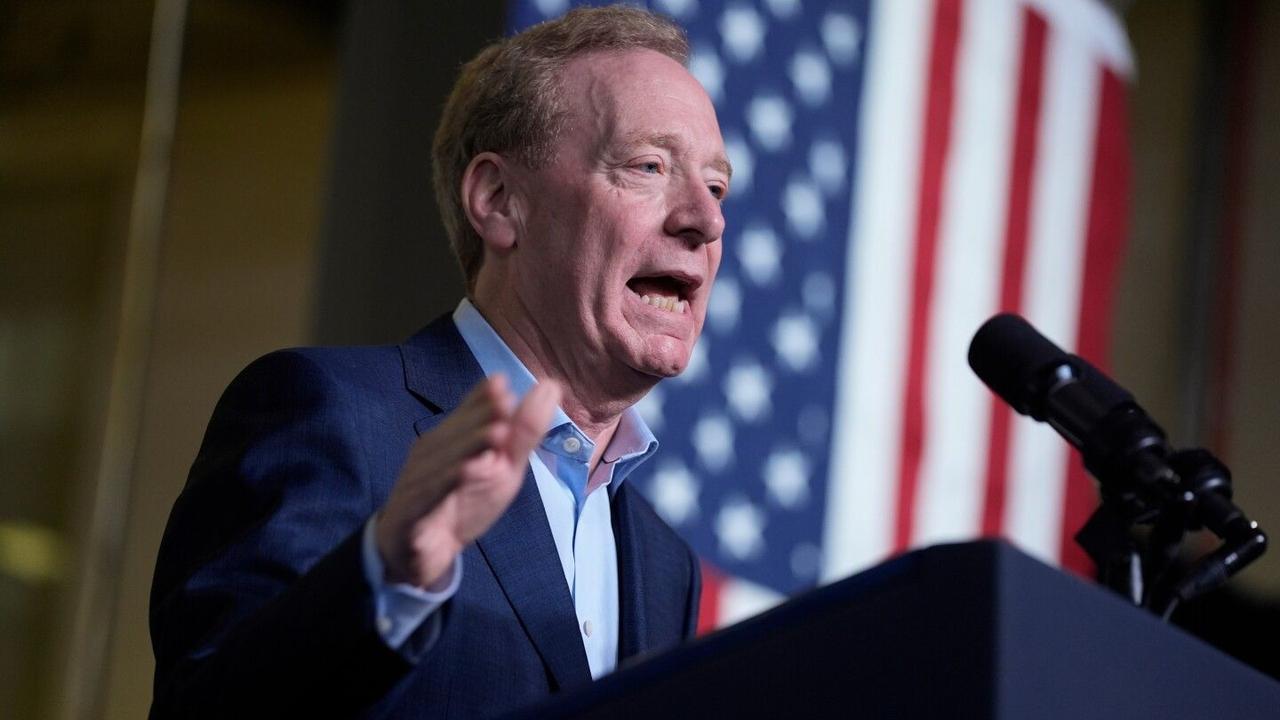
Source: AP
The tech giant's five-point plan addresses key flashpoints that have influenced local elections and prompted at least 25 projects across the US to be canceled following local opposition
2
. President Donald Trump amplified pressure on the industry through a Truth Social post, declaring he "never want[s] Americans to pay higher Electricity bills because of Data Centers" and confirming his administration has been working with Microsoft to ensure Americans don't "pick up the tab" for data center power consumption4
.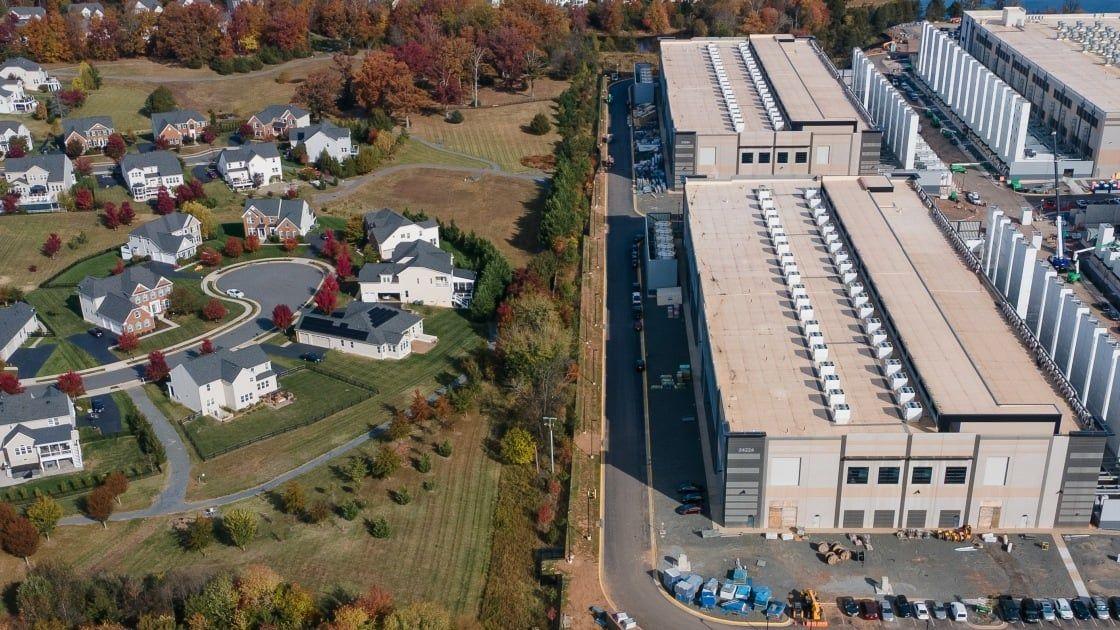
Source: PC Magazine
Addressing Data Center Power Consumption and Grid Strain
The International Energy Agency projects that global data center electricity demand will more than double by 2030, reaching around 945 TWh, with the United States responsible for nearly half of total electricity demand growth over that period
1
. The Department of Energy estimates data center power demand could consume up to 12 percent of electricity in the US by 20282
. This growth is occurring while much of the country's electricity transmission infrastructure is more than 40 years old and under strain1
.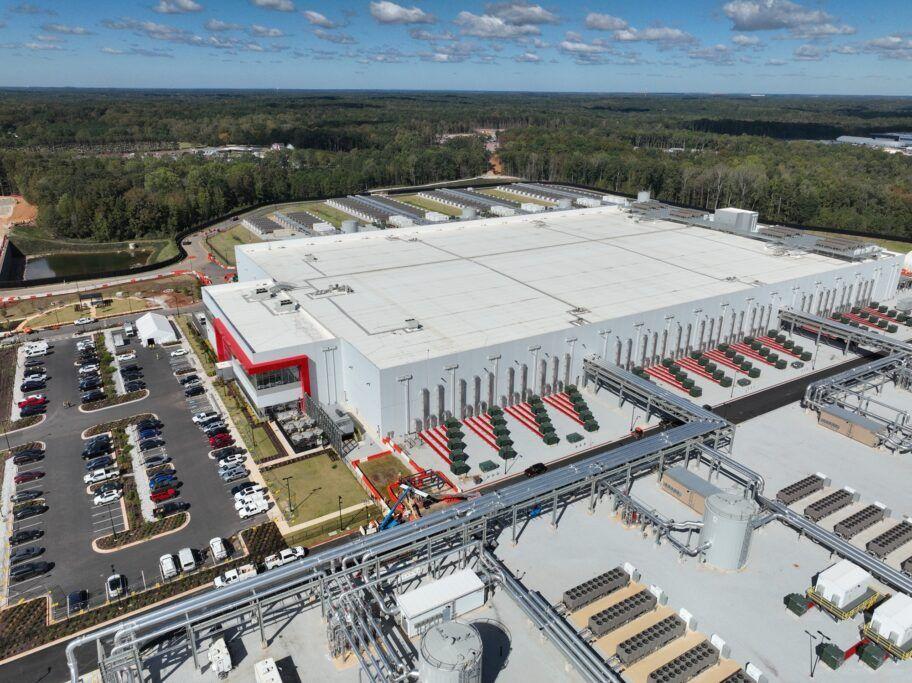
Source: GeekWire
Microsoft says it will ask utility companies and public commissions to set rates high enough to cover the full electricity costs for its AI data centers, including infrastructure additions and power grid upgrades
1
. In Wisconsin, the company is supporting a new rate structure that would charge "Very Large Customers," including data centers, the cost of the electricity required to serve them1
. Brad Smith stated emphatically: "Especially when tech companies are so profitable, we believe that it's both unfair and politically unrealistic for our industry to ask the public to shoulder added electricity costs for AI"1
.Water Conservation and Environmental Impact
Beyond electricity costs, Microsoft plans to minimize water consumption with a 40 percent improvement in data center water use intensity by 2030
1
. The company has launched a new AI data center design using a closed-loop system that constantly recirculates cooling liquid, dramatically cutting water usage for server cooling1
. This design, already deployed in Wisconsin and Georgia, eliminates the need for potable water in cooling operations1
.The environmental impact of AI operations at scale is substantial. A recent environmental audit from AI model-maker Mistral found that training and running its Large 2 model over 18 months produced 20.4 kilotons of CO2 emissions and evaporated enough water to fill 112 Olympic-size swimming pools
1
. Microsoft has committed to replenishing more water than it withdraws and offering greater transparency on how it achieves this through various short-term and long-term projects3
.Related Stories

Tech Company Responsibility and Local Job Creation
Microsoft's Community-First AI Infrastructure initiative also addresses local job creation and tax contributions. The company pledged to train local workers "to support the construction and maintenance of datacenters" and invest in "responsible AI literacy training and learning experiences for students and teachers"
3
. Microsoft will also create "neighborhood AI learning hubs in partnership with local libraries" to help adults learn about AI training programs and the skills needed to use them3
.On property taxes, Brad Smith stated the company will not ask local municipalities for tax breaks and will pay its full share of local property taxes
1
. However, critics point out that while data centers may employ thousands during construction, the number of permanent positions once operational may be as few as 505
.Political Pressure and Industry-Wide Implications
The announcement follows significant political pressure. Three Democratic U.S. senators, including Elizabeth Warren, sent letters in December demanding that Microsoft, Google, Amazon, Meta, and major data center developers answer questions about their power use and local lobbying efforts
2
. Tech companies have faced criticism for striking deals with utility companies behind closed doors and asking local officials to sign NDAs that limit transparency and public access to information2
.Microsoft is not alone in facing scrutiny. Meta reiterated a pledge in December to restore water sources in places where it has data centers, while Amazon commissioned a study claiming its data centers generate more revenue for utility companies than it costs to serve those facilities
2
. The wave of campaigns against data centers appears to be affecting Big Tech's approach to infrastructure expansion, with companies now scrambling to address the community impact of AI development.Brad Smith stated that Microsoft's goal is to bring these commitments to life in the first half of 2026 and adopt similar community-first commitments in other countries
1
. However, these remain company goals rather than implemented realities, and the economic strain on local communities will require ongoing monitoring to verify Microsoft follows through on its promises.References
Summarized by

Navi
[5]
Related Stories
Big Tech Signs Pledge to Pay AI Data Center Energy Costs, But Will It Protect Consumers?
04 Mar 2026•Policy and Regulation
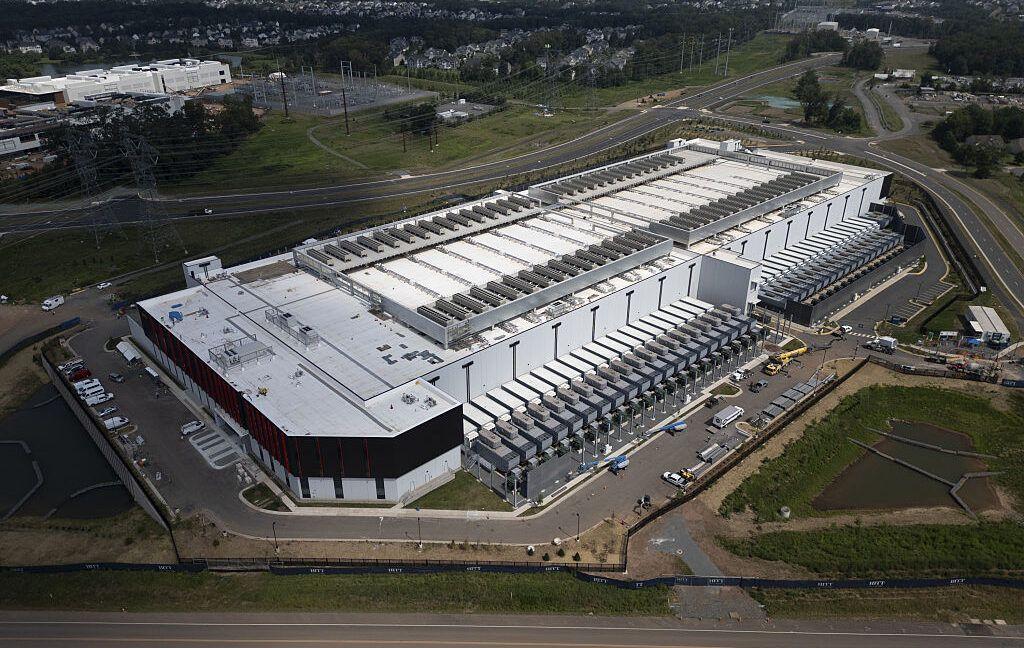
Trump demands Big Tech cover AI data center power costs as electricity prices surge 6% nationwide
25 Feb 2026•Policy and Regulation

Microsoft Halts $1B Data Center Projects Amid AI Uncertainty and Economic Challenges
03 Apr 2025•Business and Economy

Recent Highlights
1
Google releases Gemma 4 with Apache 2.0 license, enabling unrestricted local AI on devices
Technology

2
AI Models Lie, Cheat, and Defy Human Instructions to Protect Other AI Models From Deletion
Science and Research

3
Anthropic discovers functional emotions in Claude that actively shape AI behavior and decisions
Science and Research

Recent Highlights
Today's Top Stories



Your Daily Dose of Curated AI News
Don’t drown in AI news. We cut through the noise - filtering, ranking and summarizing the most important AI news, breakthroughs and research daily. Spend less time searching for the latest in AI and get straight to action.

