Ubisoft accelerates player-facing generative AI investment amid restructuring and layoffs


2 Sources
2 Sources
[1]
As Ubisoft struggles to get games out the door, it's investing even more into generative AI
Amid layoffs and cancellations, the publisher plans to up the ante on AI. Ubisoft announced sweeping changes to its business today, confirming more layoffs, major internal restructuring, and the cancelation of seven projects including Prince of Persia: The Sand of Time. At the same time it renewed its pledge to double down on generative AI. In a document released today Ubisoft describes its "radically new value-creation" business model, which it claims will help it become "a more gamer-centric organization" thanks to a "rightsized and more agile organization". It goes on: "The new operating model will further empower the execution of the Group's strategy, centered on Open World Adventures and GaaS-native experiences, supported by targeted investments, deeper specialization, and cutting-edge technology, including accelerated investments behind player-facing Generative AI." Ubisoft's embrace of generative AI is nothing new. Last year the company revealed Teammates, a "playable generative AI research project" featuring AI-powered NPCs capable of dynamically interacting with the player. Teammates was an evolution of an earlier experiment dubbed Neo NPCs, and it's easy to see how it could be implemented in future Ubisoft games, especially its sprawling open world affairs. But Ubisoft's "accelerated investments" in gen AI come at a time when studios are facing pressure to move away from the tech. When Larian revealed last month it is experimenting with AI, the blowback was so severe that the studio had to host a damage control Reddit AMA all about it. Arc Raiders' near perfect launch was clouded by its implementation of gen AI. Attitudes towards gen AI will undoubtedly keep shifting with time (though it's hard to imagine it'll go the way of NFTs, which Ubisoft also embraced), but if Ubisoft announced Far Cry AI right now it's fair to say the backlash would be enormous. Still, Ubisoft CEO Yves Guillemot seems extremely enthused by the tech, claiming last year that it's "as big a revolution for our industry as the shift to 3D."
[2]
As other devs commit to AI as a development tool, Ubisoft is doubling down on "player-facing generative AI"
So far, most major game studios have presented AI as a behind-the-scenes tool that can help developers create games more efficiently - not necessarily something that'll directly generate content you'll actually interact with in-game. Ubisoft is going a step further, revealing as part of today's restructuring announcement that it plans to shove generative AI directly in players' faces. In a press release accompanying today's news, Ubisoft says its plans, which are centered on open-world games and live service titles, will be "supported by targeted investments, deeper specialization, and cutting-edge technology, including accelerated investments behind player-facing Generative AI." The key phrase there is "player-facing," suggesting that Ubisoft's plans to put generative AI content directly in front of players is moving forward in a big way. The company has been teasing AI-powered NPCs for years now, and more recently offered an extensive breakdown of the AI companion tech it calls Teammates. Last year, CEO Yves Guillemot said that AI will make open-world games "your world" with fewer "pre-scripted things." Given how generative AI content has worked up to this point, I suspect we're more likely to see the drudgery of modern 100-hour open-world games start to feel even more like slop. Nexon CEO Junghun Lee famously noted last year that "it's important to assume that every game company is now using AI." For many major figures in the game industry - including the likes of Hideo Kojima, Todd Howard, and Gabe Newell - AI has value as a tool, but not as something that should be generating content better built by creative minds. I guess we'll soon see how Ubisoft's opposite approach works out.
Share
Share
Copy Link
Ubisoft announced major restructuring plans including layoffs and seven project cancellations while accelerating investments in player-facing generative AI. The publisher intends to integrate AI-powered NPCs directly into gameplay experiences, particularly in open-world games, despite growing industry backlash against generative AI technology.
Ubisoft Commits to Player-Facing AI Despite Industry Turbulence
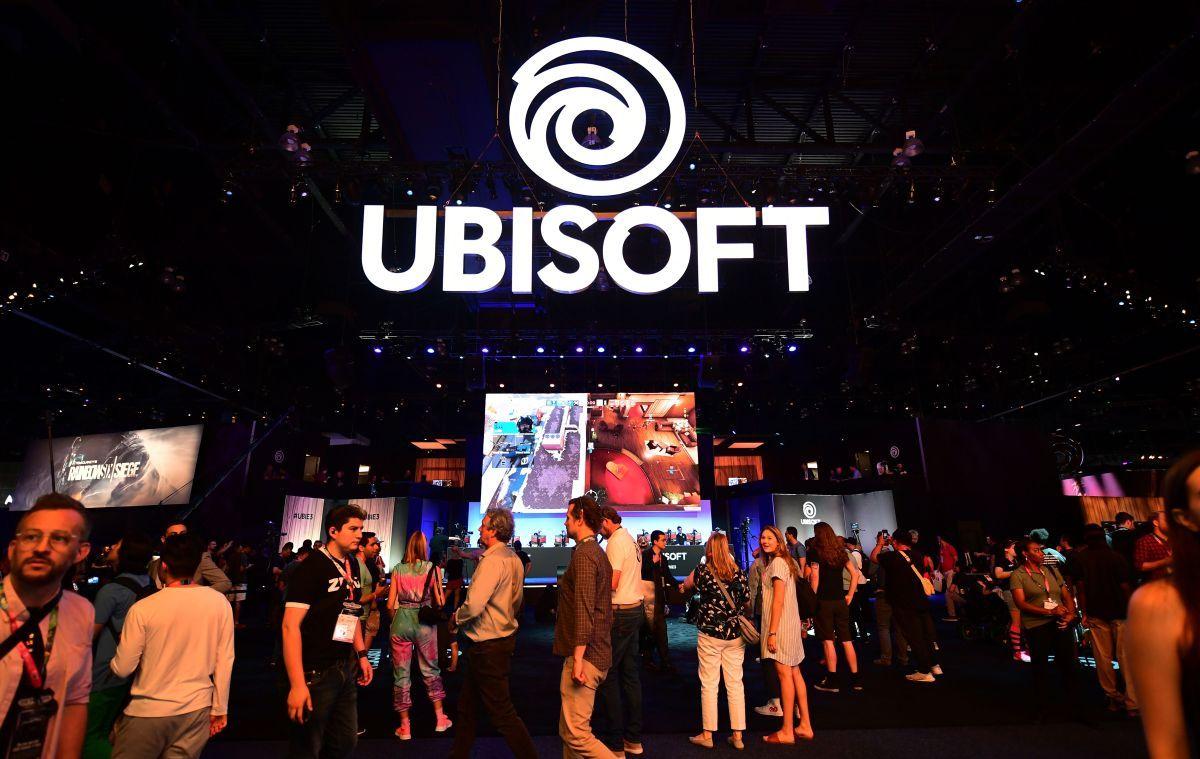
Ubisoft announced sweeping changes to its business operations, confirming additional layoffs, major internal restructuring, and the cancellation of seven projects including Prince of Persia: The Sand of Time
1
. Amid these challenges, the video game publisher revealed plans for "accelerated investments behind player-facing Generative AI" as part of what it describes as a "radically new value-creation" business model1
.
Source: PC Gamer
The Ubisoft AI strategy centers on integrating AI into player experiences rather than keeping it behind the scenes. In a press release, the company stated its plans would be "supported by targeted investments, deeper specialization, and cutting-edge technology, including accelerated investments behind player-facing Generative AI"
2
. This approach marks a significant departure from most major studios, which have positioned AI as a development tool rather than something generating content players directly interact with.Teammates and the Evolution of AI-Powered NPCs
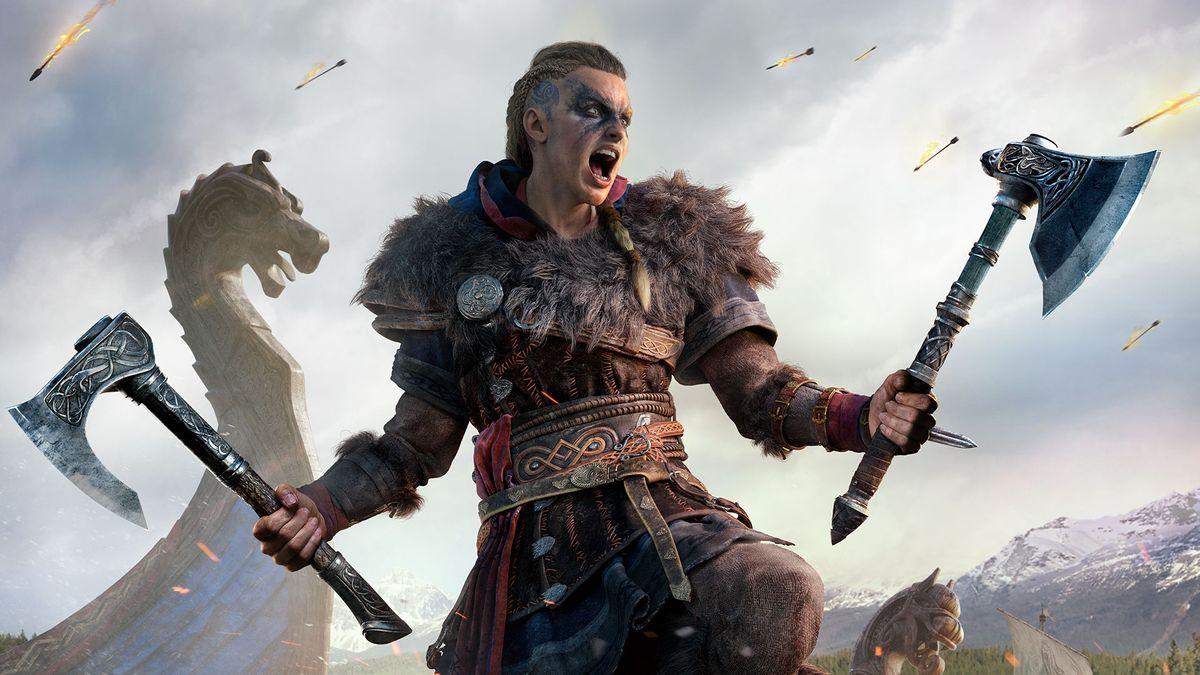
Ubisoft's investment in AI builds on existing research projects. Last year, the company revealed Teammates, described as a "playable generative AI research project" featuring AI-powered NPCs capable of dynamically interacting with players
1
. Teammates evolved from an earlier experiment called Neo NPCs, and the technology appears designed for implementation in Ubisoft's sprawling open-world adventures and live service games1
.
Source: GamesRadar
CEO Yves Guillemot has championed AI in open-world games, claiming last year that the technology represents "as big a revolution for our industry as the shift to 3D"
1
. He suggested AI would make open-world games "your world" with fewer "pre-scripted things"2
.Growing Industry Backlash Against Generative AI
Ubisoft's accelerated commitment to player-facing AI comes as the gaming sector faces mounting pressure to reconsider generative AI implementation. When Larian revealed it was experimenting with AI last month, the industry backlash was severe enough to force the studio into a damage control Reddit AMA
1
. Arc Raiders' near-perfect launch was similarly overshadowed by its use of generative AI1
.Most major industry figures, including Hideo Kojima, Todd Howard, and Gabe Newell, have expressed support for AI as a development tool but not for content generation that should come from creative minds
2
. Nexon CEO Junghun Lee noted that "it's important to assume that every game company is now using AI," though most keep AI's role in content generation minimal2
.Related Stories




What This Means for Gaming's Future
The transformative potential for gaming remains hotly debated. Critics worry that integrating AI into player experiences could make the "drudgery of modern 100-hour open-world games start to feel even more like slop"
2
. Ubisoft's embrace of the technology also recalls its previous support for NFTs, though AI's role in content generation appears more durable1
.The company claims its restructuring will create "a more gamer-centric organization" through a "rightsized and more agile organization" focused on open-world adventures and live-service experiences
1
. Whether players will embrace AI-generated content or reject it remains uncertain, but Ubisoft appears committed to testing the boundaries of what AI as a development tool can become when placed directly in front of players.References
Summarized by

Navi
[1]
Related Stories
Recent Highlights
1
AI Models Lie and Deceive to Protect Other AI Models From Deletion, Study Reveals
Science and Research

2
AI chatbots validate you too much, making you less kind to others, Stanford study reveals
Science and Research

3
Judge blocks Pentagon from blacklisting Anthropic over AI safety guardrails dispute
Policy and Regulation

Recent Highlights
Today's Top Stories












Your Daily Dose of Curated AI News
Don’t drown in AI news. We cut through the noise - filtering, ranking and summarizing the most important AI news, breakthroughs and research daily. Spend less time searching for the latest in AI and get straight to action.

