Ukrainian Para-Biathlete Credits ChatGPT for Silver Medal Win at Winter Paralympics


8 Sources
8 Sources
[1]
Ukraine biathlete credits ChatGPT for silver win
March 10 (Reuters) - Ukraine's Maksym Murashkovskyi credited artificial intelligence for helping him win a silver medal at the Milano Cortina Winter Paralympics, calling ChatGPT a "revolutionary technology" after finishing runner‑up in Sunday's biathlon event. Murashkovskyi, a 2023 world championships bronze medallist, was edged out by China's Dang Hesong and narrowly missed the gold. "For the past six months, I have been training with ChatGPT," Murashkovskyi, 25, told reporters. "It was not only tactics. It was half of my training plan, motivation, et cetera. So it was a huge volume of all of my training. "I used it as a psychologist, coach and, sometimes, as a doctor." He added that AI could eventually replace some of the work provided by human coaches. "Not completely for five to 10 years. But part of it, definitely," he said. "I believe in it, it is a revolutionary technology." Ukraine have won 10 medals at this year's Paralympics so far. Reporting by Karan Prashant Saxena in New Delhi; Editing by Kate Mayberry Our Standards: The Thomson Reuters Trust Principles., opens new tab
[2]
Paralympian credits ChatGPT for helping him win silver medal: 'It's a psychologist, a coach, a doctor'
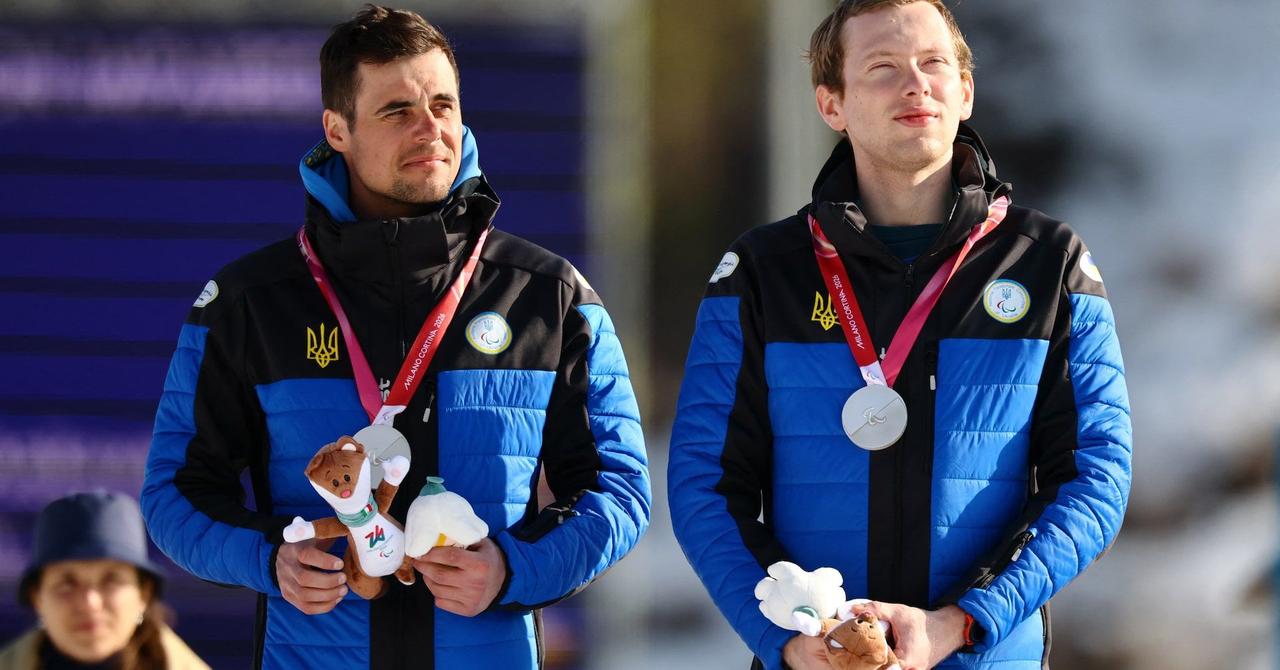
Maksym Murashkovskyi (right) said that he used the AI tool as a "psychologist, coach and, sometimes, as a doctor." Buda Mendes / Getty Images Ukrainian biathlete Maksym Murashkovskyi said that training with ChatGPT helped him win a silver medal at the 2026 Milan-Cortina Winter Paralympic Games. Murashkovskyi described the artificial intelligence (AI) chatbot as a "revolutionary technology." In the men's individual vision-impaired event on Sunday, the 25-year-old finished with a time of 33:41.1, just over two minutes behind Chinese gold medalist Dang Hesong and 10 seconds ahead of compatriot Dmytro Suiarko in third. Murashkovskyi competes under the NS3 classification, applied to athletes with the lowest level of visual impairment. After claiming silver alongside his guide skier Vitaliy Trush, Murashkovskyi explained how the AI tool was behind his training regime. "For the past six months, I have been training with ChatGPT," he said. "It was not only tactics. It was half of my training plan, motivation, etcetera. So it was a huge volume of all of my training. "I used it as a psychologist, coach and, sometimes, as a doctor." Murashkovskyi also praised the chatbot for helping him win the medals at the Para Biathlon World Cup in January. "I also won a few medals there, and even a gold. So I can give great credit to ChatGPT," he added. "I believe in it, it is a revolutionary technology." When asked if coaches, psychologists and doctors could be replaced by AI in the future, Murashkovskyi said: "Not completely for five to 10 years. But part of it, definitely." In para biathlon, guide skiers are optional for NS2 or NS3 athletes and are mandatory for NS1 competitors, who have "near-total or total visual impairment," per the International Ski and Snowboard Federation. In the shooting section of the event, visually impaired biathletes use electronic rifles and acoustic signals to hit their targets, with signal intensity indicating how close they are. AI has been credited with aiding professionals in other sports. Laura Harvey, head coach of National Women's Soccer League team the Seattle Reign, said that she leaned on the service to inspire her tactics in the 2025 NWSL season. The Reign reached the play-offs as the fourth seed and were eliminated in the quarterfinals by the Orlando Pride.
[3]
Winter Paralympics 2026: Maksym Murashkovskyi credits ChatGPT for biathlon silver
Most athletes credit their families after winning a Paralympic medal, perhaps their coaches, their friends, the wider 'team behind the team'. But after winning biathlon silver on Sunday, Ukraine's Maksym Murashkovskyi gave credit to something a little more unexpected. Artificial intelligence. "For the past six months, I have been training with ChatGPT," the 25-year-old said after finishing second in the men's individual vision impaired event. "It was not only tactics. It was half of my training plan, motivation, etcetera. So it was a huge volume of all of my training. "I used it as a psychologist, coach and, sometimes, as a doctor." Guided by Vitaliy Trush, Murashkovskyi took silver behind China's Dang Hesong. Competing at his first Winter Paralympics, he placed seventh in his opening event, the men's sprint, on Saturday, and has three further chances of medals. He wasn't doing too badly before he took to the AI tool. In 2023, he won World Championship bronze and is a multiple World Cup medallist. Without ChatGPT, he says he would have stuck to "classical training, as I've always done, with humans" - but he doesn't think human coaches have anything to worry about just yet. Asked if he thinks they will soon be replaced by AI, he replied: "Not completely for five to 10 years. But part of it, definitely." "I can give great credit to ChatGPT," he added. "I believe in it, it is a revolutionary technology." Ukraine are currently second in the Milan-Cortina medal table, having won all 10 of their medals, including three golds, across the Para-biathlon events.
[4]
'Revolutionary': Ukrainian para-biathlete wins silver using ChatGPT as his coach
Murashkovskyi benefits from artificial intelligence support Team Ukraine have hit the ground running at the Winter Paralympics, standing second in the medal table after three days of competition. Their resolve and determination has been inspirational to many, but one athlete has revealed a secret weapon in their search for a competitive edge: using ChatGPT as a coach. Maksym Murashkovskyi won silver in the men's visually impaired biathlon on Sunday and he did not miss a shot. He has also been working with OpenAI's large language model for six months, using artificial intelligence not just for coaching advice but psychological and health guidance too. "For the past six months, I have been training with ChatGPT," Murashkovskyi said after his victory. "It was not only tactics. It was half of my training plan, motivation, etcetera. So it was a huge volume of all of my training. I used it as a psychologist, coach and, sometimes, as a doctor." Murashkovskyi was remarkably composed after coming second so comfortably in only his second Paralympic race. "I know it sounds strange, but I have been preparing for this race for many years, so it is what it is," he said, though how much of his calm was down to ChatGPT he did not say. The 25-year-old argued that AI allowed him to train in new ways. "I believe in it, it is a revolutionary technology," he said, adding that it had replaced what he called "classical" training "as I've always done, with humans". AI has been deployed in the conflict in Ukraine, used to find targets and analyse satellite footage, something Murahskovskyi acknowledged. "Unfortunately, you see it in the military sphere too, and in bad spheres," he said. "But it's like with chemistry or biology, someone can use it for something good, someone can use it for something bad. I use it for learning, for languages, for some of my projects, in chemistry, biology and sports." Ukraine have 10 medals so far at the Paralympic Games. He will compete again in the visually impaired cross country skiing competition on Tuesday, with two of Russia's six invited athletes also in action at the Tesero cross-country arena, albeit in different classifications.
[5]

Paralympics-Ukraine biathlete credits ChatGPT for silver win - The Economic Times
Maksym Murashkovskyi said ChatGPT helped shape his training after he won silver in biathlon at the Milano Cortina Winter Paralympics. The Ukrainian athlete used AI for tactics, motivation and planning, calling it revolutionary, while Dang Hesong of China secured the gold medal.Ukraine's Maksym Murashkovskyi credited artificial intelligence for helping him win a silver medal at the Milano Cortina Winter Paralympics, calling ChatGPT a "revolutionary technology" after finishing runner-up in Sunday's biathlon event. Murashkovskyi, a 2023 world championships bronze medallist, was edged out by China's Dang Hesong and narrowly missed the gold. "For the past six months, I have been training with ChatGPT," Murashkovskyi, 25, told reporters. "It was not only tactics. It was half of my training plan, motivation, et cetera. So it was a huge volume of all of my training. "I used it as a psychologist, coach and, sometimes, as a doctor." He added that AI could eventually replace some of the work provided by human coaches. "Not completely for five to 10 years. But part of it, definitely," he said. "I believe in it, it is a revolutionary technology." Ukraine have won 10 medals at this year's Paralympics so far.
[6]

Paralympian Says ChatGPT Helped Him Win Silver
Ukraine's Maksym Murashkovskyi credited artificial intelligence for helping him win a silver medal at the Milano Cortina Winter Paralympics, calling ChatGPT a "revolutionary technology" after finishing runner‑up in Sunday's biathlon event. Murashkovskyi, a 2023 world championships bronze medallist, was edged out by China's Dang Hesong and narrowly missed the gold. "For the past six months, I have been training with ChatGPT," Murashkovskyi, 25, told reporters. "It was not only tactics. It was half of my training plan, motivation, et cetera. So it was a huge volume of all of my training. I used it as a psychologist, coach and, sometimes, as a doctor." He added that AI could eventually replace some of the work provided by human coaches. "Not completely for five to 10 years. But part of it, definitely," he said. "I believe in it, it is a revolutionary technology."
[7]

Ukrainian biathlete wins silver medal after training with ChatGPT for six months
Ukraine is second in the medal table of the 2026 Winter Paralympics in Milano-Cortina, having won ten medals, including three golds. One of the silver medals was won by Maksym Murashkovskyi, a visually impaired biathlete who revealed that he worked with ChatGPT for the last six months to train. "It was not only tactics. It was half of my training plan, motivation, etc. So it was a huge volume of all of my training. I used it as a psychologist, coach and, sometimes, as a doctor", said the 25-year-old biathlete, who said he has been preparing for that race for many years. He described his training with the AI as "revolutionary" technology that replaced the "classical" training with humans (via The Guardian). Murashkovskyi, who didn't miss a shot in the event that combines cross-country skiing with target shooting, said that he feels AI could replace some of the work done by humans in training, and he fully believes in the technology. He acknowledged that AI has also been used for military uses, but "it's like with chemistry or biology, someone can use it for something good, someone can use it for something bad. I use it for learning, for languages, for some of my projects, in chemistry, biology and sports."
[8]

Ukrainian Paralympian says ChatGPT helped him win silver medal
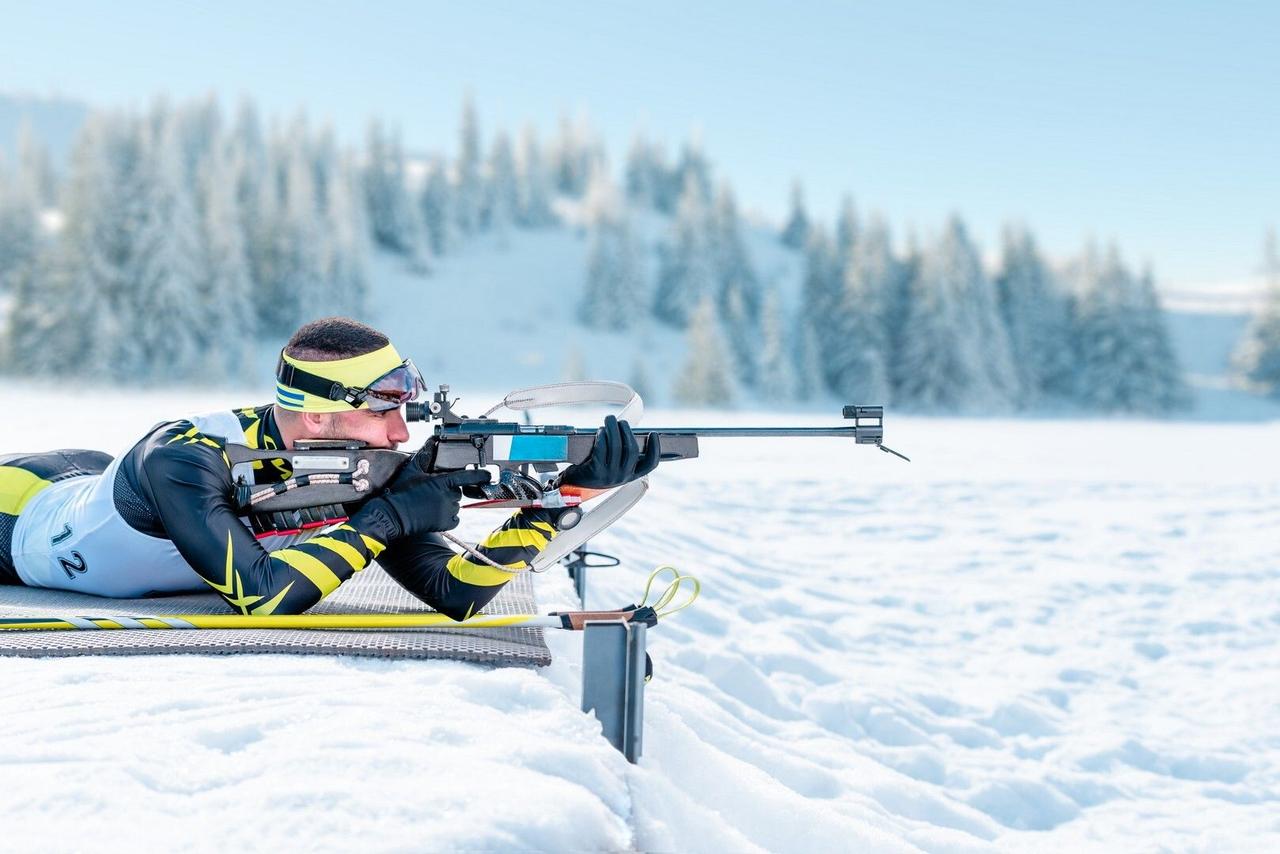
Artificial intelligence has become so prevalent, it's starting to replace coaches. Ukrainian paralympic skier Maksym Murashkovskyi said he used ChatGPT as a psychologist, coach and doctor to prepare him for the 2026 Winter Paralympic Games, which began March 4. Murashkovskyi won a silver medal in the men's individual vision-impaired biathlon at the NS3 classification, which includes athletes with the least amount of visual impairment. The event combines cross-country skiing with air rifle shooting. With a time of 33:41.1, he finished 10 seconds in front of fellow Ukrainian Dmytro Suiarko in third and two minutes behind gold medalist Dang Hesong of China. Murashkovskyi was accompanied by his guide skier, Vitaliy Trush, despite a guide being optional for NS3 and NS2 competitors. In the shooting portion, athletes use electronic rifles and acoustic signals that tell them how close they are to the target. Murashkovskyi described ChatGPT as a "revolutionary technology," saying he'd been training for the Olympics with it for the past six months. He also used it for the Para Biathlon World Cup in January, where he won a gold medal. "It was not only tactics," Murashkovskyi said, according to the New York Times. "It was half of my training plan, motivation, etcetera. So it was a huge volume of all of my training." He also believes that AI chatbots can partly replace coaches in the future, though not for five to 10 years. China currently leads the Paralympic Games medal count at 23, including nine golds, as of Tuesday afternoon. Austria has the second-most golds, though the United States is in a three-way tie for second place with 10 total medals (three golds). The final event is scheduled for March 15. Those standings are much different from the 2026 Winter Olympics tally, where Norway was the clear winner in both categories with 18 golds and 41 total medals. The U.S. finished second in both categories, and Italy and Germany placed third and fourth in the overall count, respectively.
Share
Share
Copy Link
Maksym Murashkovskyi made headlines at the 2026 Milano Cortina Winter Paralympics by crediting ChatGPT for his silver medal performance. The 25-year-old Ukrainian biathlete used the AI assistant as a virtual psychologist and coach for six months, relying on it for half his training plan, tactics, and motivation. His achievement raises questions about AI in sports and whether technology could partially replace human coaches within the next decade.
Ukrainian Biathlete Credits ChatGPT for Silver Win at Winter Paralympics
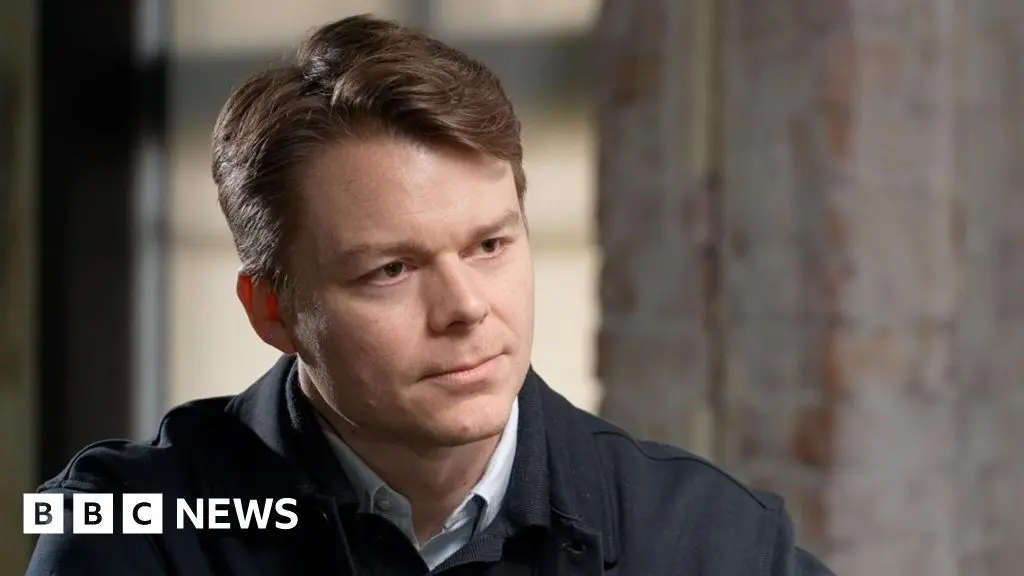
Maksym Murashkovskyi, a 25-year-old Ukrainian biathlete, delivered a stunning performance at the 2026 Milano Cortina Winter Paralympics, securing a silver medal in the men's individual vision-impaired biathlon event on Sunday. What set his achievement apart wasn't just the medal itself, but the unconventional training partner he credited for his success: ChatGPT
1
. The para-biathlete wins silver after six months of intensive work with the artificial intelligence chatbot, marking what could be a turning point for AI in sports2
.
Source: Reuters
Competing with guide skier Vitaliy Trush, Murashkovskyi finished with a time of 33:41.1, just over two minutes behind China's gold medallist Dang Hesong and 10 seconds ahead of fellow Ukrainian Dmytro Suiarko in third place
2
. Murashkovskyi competes under the NS3 classification, which applies to athletes with the lowest level of visual impairment. His performance was flawless in one critical aspect—he didn't miss a single shot during the event4
.
Source: GameReactor
ChatGPT as Virtual Psychologist and Coach
"For the past six months, I have been training with ChatGPT," Murashkovskyi told reporters after his silver medal performance. "It was not only tactics. It was half of my training plan, motivation, etcetera. So it was a huge volume of all of my training. I used it as a psychologist, coach and, sometimes, as a doctor"
1
. This comprehensive approach to using the AI assistant represents a significant departure from traditional training methods. The 2023 world championships bronze medallist explained that OpenAI's large language model replaced what he called "classical training, as I've always done, with humans"4
.
Source: ET
The AI training plan covered multiple dimensions of athletic preparation. Beyond physical conditioning and tactics, the chatbot provided psychological support and motivation—elements typically handled by a team of specialists
3
. Murashkovskyi's success wasn't limited to the Winter Paralympics either. He also won medals at the Para Biathlon World Cup in January, including a gold, and attributed those victories to his work with ChatGPT2
.Revolutionary Technology or Future Threat to Human Coaches?
Murashkovskyi called ChatGPT a "revolutionary technology" and suggested that artificial intelligence could eventually replace some functions currently performed by human coaches
1
. When asked whether AI might fully replace coaches, psychologists, and doctors in sports, he offered a measured prediction: "Not completely for five to 10 years. But part of it, definitely"5
. This timeline suggests that while AI in sports may not entirely eliminate the need for human expertise in the near term, it could significantly transform the training regime for athletes across disciplines.The Ukrainian para-biathlete's approach reflects broader trends in sports technology and performance enhancement. AI has already been credited with aiding professionals in other sports. Laura Harvey, head coach of National Women's Soccer League team the Seattle Reign, said she used the service to inspire her tactics during the 2025 NWSL season
2
. However, Murashkovskyi's case appears to be among the first where an athlete has so publicly and comprehensively relied on an AI coach for training preparation leading to a major international medal.Related Stories


Ukraine's Strong Paralympic Performance
Murashkovskyi's achievement contributes to Ukraine's impressive showing at the Milano Cortina Winter Paralympics. The nation has won 10 medals so far, with all medals coming from para-biathlon events, including three golds
3
. Ukraine currently stands second in the medal table after three days of competition4
. Competing at his first Winter Paralympics, Murashkovskyi placed seventh in the men's sprint on Saturday and has three more opportunities to win medals3
.The biathlete acknowledged that artificial intelligence has applications beyond sports, including in Ukraine's ongoing conflict, where AI has been deployed to find targets and analyze satellite footage. "Unfortunately, you see it in the military sphere too, and in bad spheres," he said. "But it's like with chemistry or biology, someone can use it for something good, someone can use it for something bad. I use it for learning, for languages, for some of my projects, in chemistry, biology and sports"
4
. His comments highlight the dual-use nature of emerging technologies and his conscious choice to apply them for positive outcomes.Murashkovskyi will compete again in the visually impaired cross-country skiing competition on Tuesday
4
. Whether he continues to rely on his AI coach remains to be seen, but his success has already sparked conversations about the role of technology in athletic preparation and whether traditional coaching models will need to adapt to incorporate these new tools.References
Summarized by

Navi
Related Stories
Recent Highlights
1
AI chatbots validate you too much, making you less kind to others, Stanford study reveals
Science and Research
2
Anthropic's Claude Code Source Leak Reveals Hidden AI Agent Plans and Extensive System Access
Technology

3
Judge blocks Pentagon from branding Anthropic a security risk over AI safety guardrails dispute
Policy and Regulation
Recent Highlights
Today's Top Stories










Your Daily Dose of Curated AI News
Don’t drown in AI news. We cut through the noise - filtering, ranking and summarizing the most important AI news, breakthroughs and research daily. Spend less time searching for the latest in AI and get straight to action.

