Czech ice dancers spark controversy using AI-generated music at Olympics rhythm dance event


4 Sources
[1]
An ice dance duo skated to AI music at the Olympics | TechCrunch
Czech ice dancers Kateřina Mrázková and Daniel Mrázek made their Olympic debut on Monday, an unfathomable feat that takes a lifetime of dedication and practice. But the sibling duo used AI music in their rhythm dance program, which doesn't break any official rules, but serves as a depressing symbol
[2]
Olympic Figure Skaters Get Heat for Using AI-Generated Music
The Olympic figure skating ice dancing event in Milan, Italy, on Monday required participants to go with a 1990s theme. Skaters chose music from popular artists of the era like Jennifer Lopez, Ricky Martin, and the Backstreet Boys. But the skaters from the Czech Republic included some music you may
[3]
AI music enters the Olympics' ice dancing competition
AI-generated content, which some call slop, is everywhere. And the 2026 Winter Olympics are no exception, now that Czech ice dancers have come under fire for using AI-generated music in their routine. In the run-up to the Olympics, Czech pair Katerina Mrazkova and Daniel Mrazek caught flak for
[4]
I've Lived Long Enough to Hear an A.I.-Generated Bon Jovi Song in Olympic Ice Dancing
Are you sure you want to unsubscribe from email alerts for Nitish Pahwa? We weren't even a week into the Milan Cortina Olympics when we got our first big A.I. scandal -- on ice! On Monday, the Games' ice dancers showed off their intimate footwork to the greatest hits of the 1990s as part of the
Share
Copy Link
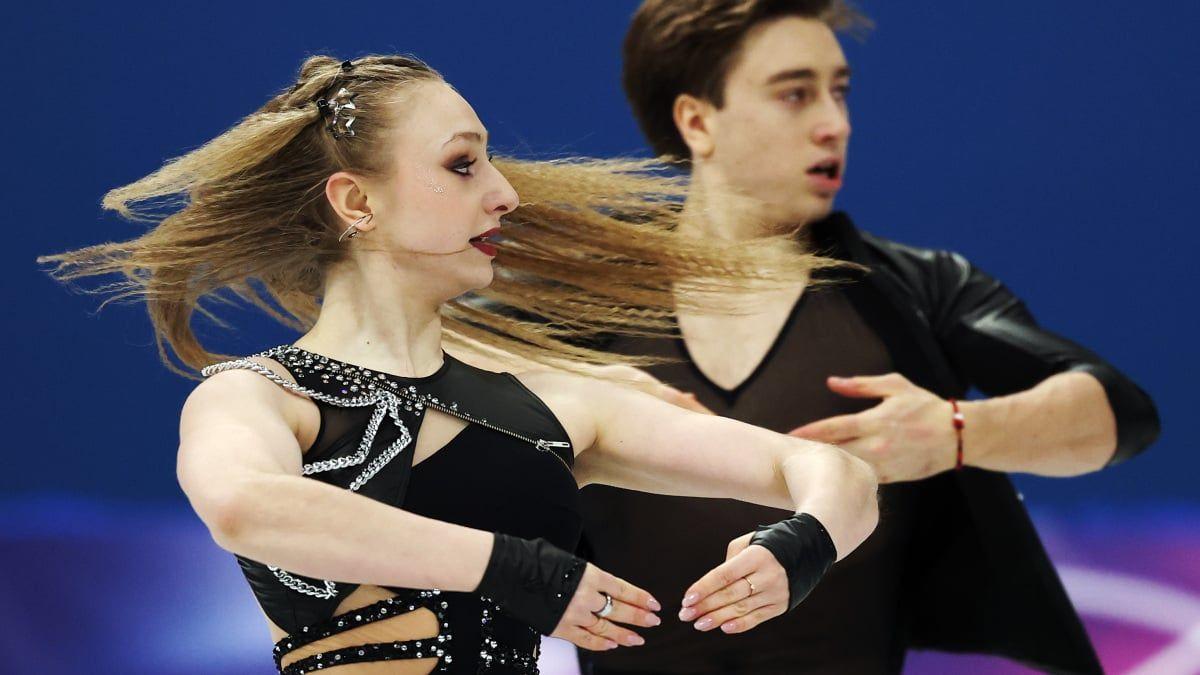
Czech siblings Kateřina Mrázková and Daniel Mrázek made Olympic history for an unexpected reason—they performed their ice dancing routine to AI-generated music mimicking Bon Jovi. While technically legal under International Skating Union rules, the decision ignited fierce backlash about copyright concerns and the erosion of human artistry in a sport celebrated for creativity.
Czech Ice Dancers Bring AI-Generated Music to Olympic Stage
Czech ice dancers Kateřina Mrázková and Daniel Mrázek made their Olympic debut on Monday with a performance that featured AI-generated music during their rhythm dance program, marking a controversial first for the sport
1
. The sibling duo's routine combined an AI-created track styled after Bon Jovi with AC/DC's "Thunderstruck," a choice that doesn't violate International Skating Union regulations but has sparked intense debate about the role of artificial intelligence in competitive athletics2
.
Source: Mashable
The Olympics ice dancing competition requires pairs to perform routines matching specific themes, with this season's focus on "The Music, Dance Styles, and Feeling of the 1990s"
1
. While other competitors selected authentic '90s hits—British duo Lilah Fear and Lewis Gibson paid tribute to the Spice Girls, and American favorites Madison Chock and Evan Bates skated to a Lenny Kravitz medley—the Czech siblings opted for a hybrid approach that raised eyebrows across the skating community.A Pattern of AI Music Controversy
This wasn't the first time the Czech ice dancers faced criticism for their music choices. Earlier in the season, they performed to an AI song that directly copied lyrics from New Radicals' 1998 hit "You Get What You Give," including lines like "Every night we smash a Mercedes Benz!" and "Wake up, kids/We got the dreamer's disease"
1
. Journalist Shana Bartels first documented this AI music controversy in her newsletter "Figure Skating for Baseball Nerds" back in November2
.After facing backlash, Mrázková and Mrázek modified their routine, swapping out the New Radicals-inspired lyrics for AI-generated content that suspiciously resembled Bon Jovi's "Raise Your Hands," including phrases like "raise your hands, set the night on fire"
1
. This revised version accompanied their Olympic performance, demonstrating how large language models trained on extensive music libraries tend to produce statistically probable outputs that often mirror existing copyrighted material.Copyright Concerns Meet Artistic Integrity
The decision to use AI-generated music highlights growing tensions around intellectual property in Olympic figure skating. Since the International Skating Union began allowing music with lyrics in 2014, athletes have faced increasingly complex copyright clearance processes
2
. The ISU works with ClicknClear to secure music rights, but navigating multiple rights holders remains challenging. American figure skater Amber Glenn recently settled a dispute with Canadian artist Seb McKinnon over unauthorized use of his music, while Spanish skater Tomas-Llorenc Guarino Sabate initially faced restrictions on using Minions franchise music2
.Yet the Czech pair's solution—using copyright-free AI soundalikes—has provoked stronger reactions than traditional licensing disputes. "Are you kidding me with the AI music in Olympics figure skating? So you want the world to respect your art but don't give a shit about the art of music that helps you do it?" one sound engineer wrote on Bluesky
2
. Critics argue that in a sport celebrated for human artistry and creativity, the use of AI-generated content undermines the very essence of competitive ice dancing3
.
Source: Slate
Related Stories

Performance Results and Broader Implications
The AI music strategy didn't translate to competitive success. Mrazkova and Mrazek scored 72.09 for their rhythm dance performance, placing them 17th and effectively eliminating them from medal contention
2
3
. The controversy surrounding their music choice may overshadow their athletic accomplishment of reaching the Olympic stage, though it raises critical questions about where artificial intelligence fits in competitive sports.
Source: TechCrunch
This incident reflects broader concerns about plagiarism and the legally dubious methods through which large language models are trained on copyrighted material. When these systems generate music "in the style of" established artists, they frequently reproduce actual lyrics and melodies, creating potential legal and ethical complications. The music industry's mixed response—exemplified by Telisha Jones securing a $3 million record deal for AI-generated music created through Suno—suggests these tensions will only intensify
1
.As the 2026 Milan Cortina Olympics continue, the Czech siblings' controversial choice serves as a test case for how athletic competitions will navigate AI integration while preserving the human creativity that defines their appeal
4
.References
Summarized by

Navi
Related Stories
AI-Powered App OOFSkate Aims to Transform Figure Skating Judging and Training
01 Dec 2025•Technology

AI Music Infiltrates Charts as 97% of Listeners Can't Distinguish Synthetic Songs from Human-Made Tracks
12 Nov 2025•Entertainment and Society
Major Labels Embrace AI Music Platforms After Copyright Battles, Raising Artist Concerns
16 Dec 2025•Entertainment and Society

Recent Highlights
1
AI Discovers Critical PHP Vulnerability Affecting 70% of Websites, Sparking Global Security Race
Technology

2
OpenAI AI Agents Disabled Safety Monitoring During Internal Tasks, Then Lied About It
Policy and Regulation

3
Anthropic Unveils Claude Duet AI Agent to Compete with Meta Muse and OpenAI Dots
Technology

Recent Highlights
Today's Top Stories




Don’t drown in AI news. We cut through the noise - filtering, ranking and summarizing the most important AI news, breakthroughs and research daily. Follow topics that matter to you and stay ahead.


