US launches Pax Silica Initiative with 8 nations to secure AI supply chain and counter China


4 Sources
4 Sources
[1]
US Leads Pax Silica Initiative to Secure Global Silicon Supply Chain | AIM
Partner countries plan to work together on semiconductor design, fabrication and packaging, logistics, compute systems, minerals refining, and power generation. The United States and eight partner countries have launched the Pax Silica Initiative to build a secure and innovation-driven global silicon and AI supply chain. The initiative brings together Japan, South Korea, Singapore, the Netherlands, the United Kingdom, Israel, the United Arab Emirates, and Australia. They plan to coordinate on critical minerals, semiconductors, AI infrastructure, energy, logistics, and manufacturing. The initiative was launched at the inaugural Pax Silica Summit and outlined the coordination, why it is needed, and what actions will follow. Pax Silica leaders said the goal is to reduce coercive dependencies, support trusted technology, protect critical materials, and enable partner nations to develop and deploy AI at scale. The US said countries have "affirmed a shared commitment to pursue projects to jointly address AI supply chain opportunities and vulnerabilities". The initiative responds to rising demand from partner countries for deeper economic and technology cooperation with the ỦS. Officials emphasised that AI is reshaping the world economy and will drive new demand for minerals, semiconductors, energy systems, and infrastructure. Partner countries plan to work together on semiconductor design, fabrication and packaging, logistics, compute systems, minerals refining, and power generation. They will also explore joint ventures and co-investment opportunities, and seek to protect sensitive technologies from "undue access or control by countries of concern". The United States said its diplomats have been instructed to turn summit discussions into specific actions. According to the release, the US Under Secretary of State for economic growth, energy, and the environment, Jacob Helberg, has directed teams "to operationalise this summit's discussions through identification of infrastructure projects and the coordination of economic security practices". The announcement noted that the countries will also "build trusted technology ecosystems, including ICT systems, fibre optic cables, data centres, foundational models and applications." Pax Silica takes its name from the Latin pax, meaning peace and stability, and silica, the base compound refined into silicon for computer chips. The initiative aims to unite countries that host major technology companies and investors to build a "secure, resilient, and innovation-driven ecosystem" across the global supply chain.
[2]
US Launches Pax Silica Initiative To Secure AI Supply Chain With 9 Nations, Targeting Semiconductor, Critical Mineral Independence - NVIDIA (NASDAQ:NVDA)
The United States held the first Pax Silica Summit on Thursday, forming a coalition aimed at securing the global AI supply chain, from critical minerals to advanced semiconductors. Multi-Nation Coalition Forms The United States hosted the inaugural summit, led by Under Secretary of State for Economic Affairs Jacob Helberg, with participation from eight nations: Japan, South Korea, Singapore, the Netherlands, Israel, the United Arab Emirates, the United Kingdom, and Australia. Taiwan, the European Union, Canada, and the Organisation for Economic Co-operation and Development (OECD) joined the talks as guest participants. "Economic security is national security -- and together, we're strengthening supply chains from minerals to semiconductors to computers and networks," Helberg wrote on X. Supply Chain Security Focus According to the official statement released by the Department of State, the initiative addresses vulnerabilities across semiconductor fabrication, critical mineral processing, energy infrastructure and AI compute capacity. See Also: Google AI Expert Warns Users On Cybersecurity Risks, Urges Safeguarding Sensitive Data From Public Chatbots Participating nations host companies, including Samsung Electronics Co. (OTC:SSNLF) , SK Hynix, ASML, Sony Group Corp. (NYSE:SONY), Hitachi Ltd. (OTC:HTHIY), Fujitsu, Temasek, Alphabet Inc.'s (NASDAQ:GOOG) (NASDAQ:GOOGL) Google DeepMind, MGX and Rio Tinto (NYSE:RIO). David Sacks noted, "One of the key ways to win a technology race is to create the largest ecosystem. Pax Silica helps us do that." Helberg directed U.S. diplomats to identify infrastructure projects and coordinate economic security practices. U.S. Moves To Maintain AI Dominance America intends to maintain its AI dominance over China. Earlier this week, Nvidia Corp. (NASDAQ:NVDA) evaluated expanding production of its H200 chips after President Donald Trump allowed exports to China with a 25% fee. President Trump also stated in September that the U.S. is "easily beating" China in the AI race, attributing the success to tariffs and energy policies. Read Next: BlackRock Demands AI Fluency In New Hires But Warns Against Over-Reliance During Interviews Photo courtesy: Shutterstock Disclaimer: This content was partially produced with the help of AI tools and was reviewed and published by Benzinga editors. NVDANVIDIA Corp$175.170.09%OverviewGOOGAlphabet Inc$309.60-0.30%GOOGLAlphabet Inc$308.79-0.16%HTHIYHitachi Ltd$31.630.29%RIORio Tinto PLC$75.66-%SONYSony Group Corp$26.800.11%SSNLFSamsung Electronics Co Ltd$65.21-%Market News and Data brought to you by Benzinga APIs
[3]
US ramps up chips, minerals cooperation with Korea and others to counter China in AI race
The Trump administration has formed a coalition with partners including South Korea and Japan to counter China's dominance over critical minerals and challenge the country in key technological fields such as artificial intelligence and semiconductors. The US Department of State announced in a press release on Thursday (local time) that US undersecretary of state for economic affairs, Jacob Helberg, would sign a document with representatives from Japan, South Korea, Israel, Australia and Singapore on Friday, thereby launching what it called the "Pax Silica" initiative. The State Department described Pax Silica as "a new kind of international grouping and partnership," explaining that its goal is "unite the countries that host the world's most advanced technology companies to unleash the economic potential of the new AI age." It also stated that this marks the first time nations are collaborating by treating advanced semiconductors, critical minerals, and energy as "shared strategic assets." While the press release did not directly mention China, this coalition is seen as a US effort to counter China in the semiconductor and critical minerals sectors, which are crucial for developing AI. The US is encouraging other nations to join its coalition. Helberg explained to US media outlet Politico that the declaration will allow participating nations to conduct joint research and development, manufacturing, and infrastructure development intended to rival China's Belt and Road infrastructure initiative. "It's clear that right now in AI, it's a two-horse race -- it's the US and China," Helberg said in an interview with Bloomberg on Dec. 2. "We want to have a positive, stable relationship with China, but we're also ready to compete, and we want to make sure that our companies can continue building transformative technologies without being subject to coercive dependencies." In its press release, the US State Department described Pax Silica as a "new economic security paradigm," explaining the name combines the Latin word "pax," meaning peace, stability, and long-term prosperity, with "silica," the compound that is refined into silicon, one of the chemical elements foundational to the computer chips that enable artificial intelligence. It cited the phrases Pax Americana and Pax Romana as comparisons, adding that Pax Silica aims to "establish a durable economic order that underwrites an AI-driven era of prosperity." This name embodies the US's ambition to lead the impending AI era through undeniable dominance. Politico noted that the initiative "underscores the degree to which the Trump administration considers China's near monopoly in rare earths [. . .] and dominance of other parts of the global supply chain, as a significant threat." The outlet also suggested that the move "reflects US concern about China's massive investment in artificial intelligence and quantum computing that could give it a competitive edge in the 21st century economy." Following the signing ceremony for the six-nation declaration on Friday, the first Pax Silica summit was set to convene with counterparts from the United States, Japan, South Korea, Singapore, the Netherlands, the United Kingdom, Israel, the United Arab Emirates and Australia. In his interview with Politico, Helberg stated, "This grouping of countries will be to the AI age what the G7 was to the industrial age." Earlier on Thursday, Japan and the US signed a joint preamble in Washington, pledging to jointly pursue a multi-layered partnership related to the Pax Silica initiative.
[4]
US, S. Korea, other partners to launch 'Pax Silica' coalition amid AI race with China - The Korea Times
WASHINGTON -- The United States, along with South Korea and other partners, will launch a "Pax Silica" partnership this week for cooperation on artificial intelligence (AI), critical minerals and other key technologies, the State Department said Thursday, as it seeks to counter China's growing heft in the fields. U.S. Under Secretary of State for Economic Affairs Jacob Helberg and representatives from Korea, Japan, Israel, Australia and Singapore will inaugurate Pax Silica by signing a declaration on Friday, it said, stressing the initiative aims to reduce "coercive" dependencies and protect materials and capabilities foundational to AI. Pax Silica draws from the Latin pax, which means peace, stability and long-term prosperity, while silica refers to the compound refined into silicon, a chemical element key to the computer chips that enable artificial intelligence, the department explained. The U.S.-led partnership comes as President Donald Trump's administration is pushing to enhance America's global "AI dominance," ensure stable supply chains for critical minerals and counter China's control over those strategically vital resources, amid an intensifying rivalry between the two superpowers. Also on Friday, the U.S. will host the inaugural Pax Silica summit to discuss cooperation in strengthening supply chain security and advancing efforts for "trusted" technology ecosystems, and opportunities for cooperation on related fields. "Our goal is not to close ourselves off from the rest of the world, but to build and deploy supply chains and information networks free from undue influence or control by countries or entities of concern," Deputy Secretary of State Christopher Landau said during a reception on the eve of the summit. "Like the eras of peace and prosperity that came before, we seek to establish a durable economic order that underwrites an AI-driven era of prosperity across our partner countries," he added. At the reception, Helberg and Japanese Ambassador to the U.S. Shigeo Yamada signed a joint preamble to the forthcoming Pax Silica declaration, hailing what the department called a "new geopolitical consensus": economic security is national security, and national security is economic security. "Today, we sign the Pax Silica preamble, a shared statement of purpose behind a new kind of partnership, securing the supply chains and trusted innovation ecosystems that will define prosperity and security in the decades ahead," Helberg said. "This is about protecting openness without being naive, accelerating innovation without compromising security, and ensuring that the technologies shaping the future are anchored in our country and countries we trust and can rely on." The department said that the new initiative aims to respond to growing demand from partners to deepen economic and technology cooperation; the understanding that AI represents a transformative force for long-term prosperity; increasing risks from "coercive" dependencies; and recognition that trustworthy systems are essential for safeguarding security and prosperity. It did not call China by name as it addresses AI-related issues. The initiative comes amid growing concerns over China's moves to tighten export controls on rare earth elements key to the manufacturing of military and electronic equipment. Helberg has directed U.S. diplomats in Washington and overseas to operationalize the upcoming summit's discussions through identification of infrastructure projects and the coordination of economic security practices, the department said.
Share
Share
Copy Link
The United States and eight partner countries launched the Pax Silica Initiative to build a secure global silicon and AI supply chain. The coalition includes Japan, South Korea, Singapore, the Netherlands, the UK, Israel, the UAE, and Australia, coordinating on semiconductors, critical minerals, and AI infrastructure to reduce dependencies and counter China's dominance in key technologies.
US and Partner Countries Launch Coalition to Secure AI Supply Chain
The United States has launched the Pax Silica Initiative alongside eight partner countries to secure global silicon supply chain infrastructure and address vulnerabilities across critical minerals and advanced semiconductors
1
. The coalition brings together Japan, South Korea, Singapore, the Netherlands, the United Kingdom, Israel, the United Arab Emirates, and Australia, with Taiwan, the European Union, Canada, and the OECD joining as guest participants2
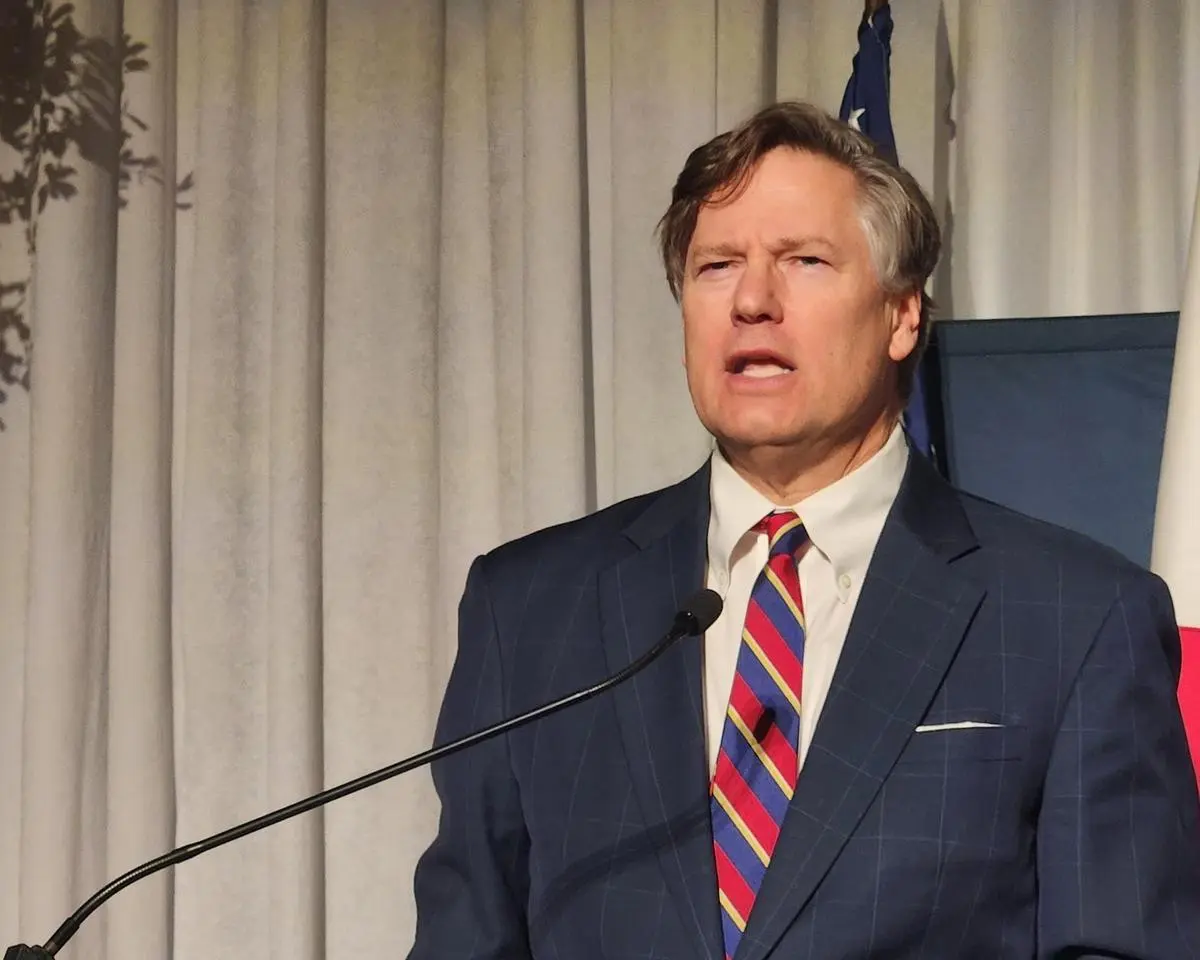
. US Under Secretary of State for Economic Affairs Jacob Helberg led the inaugural Pax Silica Summit on Thursday, where representatives signed a declaration formalizing coordination on artificial intelligence infrastructure and supply chain security3
.
Source: Korea Times
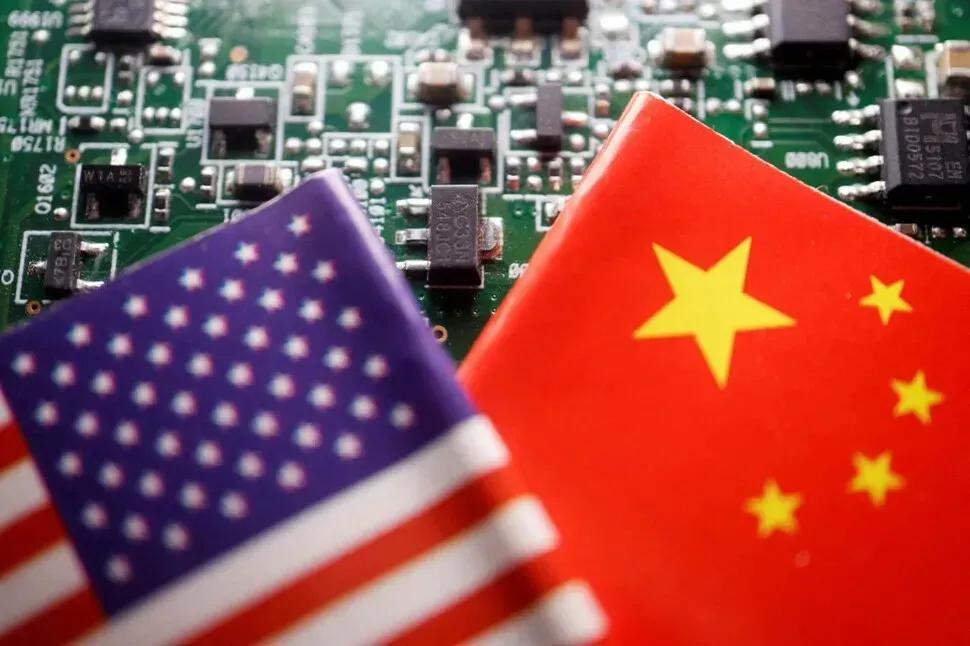
The initiative responds to the AI race with China and aims to reduce coercive dependencies while protecting materials foundational to computer chips and AI systems
4
. Partner countries plan to work together on semiconductor design, fabrication and packaging, logistics, compute systems, minerals refining, and power generation1
. The coalition includes nations hosting major technology companies such as Samsung Electronics, SK Hynix, ASML, Sony Group, Hitachi, Fujitsu, Temasek, Google DeepMind, MGX, and Rio Tinto2
.
Source: Hankyoreh
Addressing Supply Chain Vulnerabilities and Economic Security
The Pax Silica Initiative marks the first time nations are collaborating by treating advanced semiconductors, critical minerals, and energy as shared strategic assets
3
. Officials emphasized that AI is reshaping the world economy and will drive new demand for minerals, semiconductors, energy systems, and infrastructure1
. The initiative addresses vulnerabilities across semiconductor fabrication, critical mineral processing, energy infrastructure, and AI compute capacity2
.
Source: Benzinga
Helberg stated that the declaration will allow participating nations to conduct joint research and development, manufacturing, and infrastructure development intended to rival China's Belt and Road infrastructure initiative
3
. "Economic security is national security -- and together, we're strengthening supply chains from minerals to semiconductors to computers and networks," Helberg wrote on social media2
. The US State Department described economic security as a "new geopolitical consensus," with Deputy Secretary of State Christopher Landau emphasizing the goal to "build and deploy supply chains and information networks free from undue influence or control by countries or entities of concern"4
.Related Stories

Building Trusted Technology Ecosystems for AI Dominance
The Pax Silica Initiative takes its name from the Latin pax, meaning peace and stability, and silica, the base compound refined into silicon for computer chips
1
. The name embodies US ambition to lead the AI-driven era of prosperity through establishing what the State Department calls "a durable economic order"3
. Helberg told Bloomberg that "it's clear that right now in AI, it's a two-horse race -- it's the US and China," adding that the US wants to "make sure that our companies can continue building transformative technologies without being subject to coercive dependencies"3
.Partner countries will explore joint ventures and co-investment opportunities while seeking to protect sensitive technologies from undue access or control by countries of concern
1
. The countries will also build trusted technology ecosystems, including ICT systems, fiber optic cables, data centers, foundational models, and applications1
. Helberg has directed US diplomats to identify infrastructure projects and coordinate economic security practices to operationalize the summit's discussions4
. The initiative comes amid growing concerns over China's moves to tighten export controls on rare earth elements key to manufacturing military and electronic equipment4
. This grouping aims to be "to the AI age what the G7 was to the industrial age," according to Helberg3
, signaling long-term implications for global innovation ecosystems and the balance of technological power in the coming decades.References
Summarized by

Navi
[3]
Related Stories
India Joins Pax Silica Alliance as US Builds Coalition to Secure AI Supply Chains
19 Feb 2026•Policy and Regulation

UAE and Qatar join Pax Silica, Trump's US-led coalition to secure global AI supply chains
11 Jan 2026•Policy and Regulation
US and South Korea Sign Strategic AI Partnership Deal to Counter China's Tech Dominance
29 Oct 2025•Policy and Regulation

Recent Highlights


Recent Highlights
Today's Top Stories








Your Daily Dose of Curated AI News
Don’t drown in AI news. We cut through the noise - filtering, ranking and summarizing the most important AI news, breakthroughs and research daily. Spend less time searching for the latest in AI and get straight to action.

