US diplomats ordered to lobby against data sovereignty laws threatening AI and cloud services


4 Sources
4 Sources
[1]
US tells diplomats to lobby against foreign data sovereignty laws | TechCrunch
The Trump administration has ordered U.S. diplomats to lobby against countries' attempts to regulate how American tech companies handle foreigners' data, arguing that data sovereignty laws threaten the advancement of AI services and technology, Reuters reported, citing an internal diplomatic cable. The cable, signed by U.S. Secretary of State Marco Rubio, says such laws would "disrupt global data flows, increase costs and cybersecurity risks, limit AI and cloud services, and expand government control in ways that can undermine civil liberties and enable censorship," according to the report. The cable pushes diplomats to "counter unnecessarily burdensome regulations, such as data localization mandates." It also orders them to track proposals that would promote data sovereignty laws, and urged diplomats to promote the Global Cross-Border Privacy Rules Forum, an international group that claims to enable "trusted data flows globally through international data protection and privacy certifications." The order comes as countries around the world increase scrutiny of how Big Tech companies and AI firms are using their citizens' data. The European Union has led the charge on this front with laws like the GDPR, the Digital Services Act and the AI Act, seeking to curb tech companies' control and exploitation of user data and hold them accountable. The Trump administration has historically opposed such regulatory approaches, and this order reinforces that position as the government seeks to boost U.S. AI companies. The U.S. State Department did not immediately return a request for comment.
[2]
Exclusive-US Orders Diplomats to Fight Data Sovereignty Initiatives
By Raphael Satter and Alexandra Alper WASHINGTON, Feb 25 (Reuters) - President Donald Trump's administration has ordered U.S. diplomats to lobby against attempts to regulate U.S. tech companies' handling of foreigners' data, saying in an internal diplomatic cable seen by Reuters that such efforts could interfere with artificial intelligence-related services. Experts say the move signals the Trump administration is reverting to a more confrontational approach as some foreign countries seek limits around how Silicon Valley firms process and store their citizens' personal information - initiatives often described as "data sovereignty" or "data localization." In the State Department cable, dated February 18 and signed by U.S. Secretary of State Marco Rubio, the agency said such laws would "disrupt global data flows, increase costs and cybersecurity risks, limit Artificial Intelligence (AI) and cloud services, and expand government control in ways that can undermine civil liberties and enable censorship." The cable said the Trump administration was pushing for "a more assertive international data policy" and that diplomats should "counter unnecessarily burdensome regulations, such as data localization mandates." The State Department did not return a request for comment. Data sovereignty initiatives have gathered pace, particularly in Europe, amid flaring tensions between the United States and the European Union over Washington's protectionist trade policies and support for far-right political parties. The dominance of U.S. artificial intelligence companies - many of which draw on massive stores of personal data to power their models - has underlined European concerns around privacy and surveillance. Officials across the continent have increased pressure on American social media giants, too. Bert Hubert, a Dutch cloud computing expert and former member of the board that regulates the Dutch intelligence services, said Europe's increasing wariness of America's tech companies may be spurring Washington to take a more aggressive tack. "Where the previous administration attempted to woo European customers, the current one is demanding that Europeans disregard their own data privacy regulations that could hinder American business," he said. 'UNNECESSARILY BURDENSOME' Data sovereignty laws vary in scope. Some impose rules around where information is kept by requiring that data collected from a certain nation only be stored within that country. Others put restrictions around how data is shared, limiting its distribution to foreign companies. The European Union's 2018 General Data Protection Regulation (GDPR), for example, imposed restrictions on transferring Europeans' data abroad and has led to a series of stiff fines on American tech firms. Rubio's cable cited GDPR as an example of a rule that imposed "unnecessarily burdensome data processing restrictions and cross-border data flow requirements." It also said China was "bundling enticing technology infrastructure projects with restrictive data policies that expand its global influence and access to international data for surveillance and strategic leverage." The cable did not provide much more detail, but China has over the past few years tightened regulations over how its companies store and transfer user data. The Chinese Embassy in Washington said it was not familiar with the cable but that Beijing "has always attached great importance to cybersecurity and data security." The European Commission in Washington did not respond to a request for comment. The cable, whose headline described it as an "action request", tasked American diplomats with tracking the development of proposals to restrict cross-border data flows and supplied talking points promoting the Global Cross-Border Privacy Rules Forum, a group established in 2022 by the United States, Mexico, Canada, Australia, Japan, and others "to support the free flow of data and effective data protection and privacy globally." The Forum did not respond to requests for comment. The cable is the latest in a series of initiatives aimed at thwarting European regulation of the digital sphere. Last year, Rubio ordered diplomats to whip up opposition to the EU's Digital Services Act, which aims to make the internet safer by compelling major social media firms to remove illegal content, such as extremist or child sexual abuse material. Last week, Reuters reported that the United States planned to launch an online portal intended to help Europeans and others bypass the censorship of material including alleged hate speech and terrorist propaganda. (Reporting by Raphael Satter; Editing by Stephen Coates)
[3]
US orders diplomats to fight data sovereignty initiatives
President Donald Trump's administration has ordered US diplomats to lobby against attempts to regulate US tech companies' handling of foreigners' data, saying in an internal diplomatic cable seen by Reuters that such efforts could interfere with artificial intelligence-related services. Experts say the move signals the Trump administration is reverting to a more confrontational approach as some foreign countries seek limits around how Silicon Valley firms process and store their citizens' personal information - initiatives often described as "data sovereignty" or "data localization." In the State Department cable, dated February 18 and signed by US Secretary of State Marco Rubio, the agency said such laws would "disrupt global data flows, increase costs and cybersecurity risks, limit Artificial Intelligence (AI) and cloud services, and expand government control in ways that can undermine civil liberties and enable censorship." The cable said the Trump administration was pushing for "a more assertive international data policy" and that diplomats should "counter unnecessarily burdensome regulations, such as data localization mandates." The State Department did not provide comment on the cable. However, it said the US strongly supports cross-border data flows that promote growth and innovation while protecting privacy, safety, and free expression and stands ready to partner with countries that share those goals. "We seek to counter unnecessarily burdensome regulations, such as data localization mandates," it added. Data sovereignty initiatives have gathered pace, particularly in Europe, as tensions have flared between the U.S. and the European Union over Washington's protectionist trade policies and support for far-right political parties. The dominance of US artificial intelligence companies - many of which draw on massive stores of personal data to power their models - has underlined European concerns around privacy and surveillance. Officials across the continent have increased pressure on American social media giants, too. Bert Hubert, a Dutch cloud computing expert and former member of the board that regulates the Dutch intelligence services, said Europe's increasing wariness of America's tech companies may be spurring Washington to take a more aggressive tack. "Where the previous administration attempted to woo European customers, the current one is demanding that Europeans disregard their own data privacy regulations that could hinder American business," he said. Unnecessarily burdersome Data sovereignty laws vary in scope. Some impose rules around where information is kept by requiring that data collected from a certain nation only be stored within that country. Others put restrictions around how data is shared, limiting its distribution to foreign companies. The European Union's 2018 General Data Protection Regulation (GDPR), for example, imposed restrictions on transferring Europeans' data abroad and has led to a series of stiff fines on American tech firms. Rubio's cable cited GDPR as an example of a rule that imposed "unnecessarily burdensome data processing restrictions and cross-border data flow requirements." It also said China was "bundling enticing technology infrastructure projects with restrictive data policies that expand its global influence and access to international data for surveillance and strategic leverage." The cable did not provide much more detail, but China has over the past few years tightened regulations over how its companies store and transfer user data. The Chinese Embassy in Washington said it was not familiar with the cable but that Beijing "has always attached great importance to cybersecurity and data security." The European Commission in Washington did not respond to a request for comment. The cable, whose headline described it as an "action request", tasked American diplomats with tracking the development of proposals to restrict cross-border data flows and supplied talking points promoting the Global Cross-Border Privacy Rules Forum, a group established in 2022 by the United States, Mexico, Canada, Australia, Japan, and others "to support the free flow of data and effective data protection and privacy globally." The Forum did not respond to requests for comment. The cable is the latest in a series of initiatives aimed at thwarting European regulation of the digital sphere. Last year, Rubio ordered diplomats to whip up opposition to the EU's Digital Services Act, which aims to make the internet safer by compelling major social media firms to remove illegal content, such as extremist or child sexual abuse material. Last week, Reuters reported that the United States planned to launch an online portal intended to help Europeans and others bypass the censorship of material including alleged hate speech and terrorist propaganda.
[4]
Trump administration orders US diplomats to fight data sovereignty initiatives
The seal of the United States Department of State is seen in Washington, US, January 26, 2017. President Donald Trump's administration ordered US diplomats last Wednesday to lobby against attempts to regulate US tech companies' handling of foreigners' data, saying in an internal diplomatic cable seen by Reuters that such efforts could interfere with artificial intelligence-related services. Experts say the move signals the Trump administration is reverting to a more confrontational approach as some foreign countries seek limits around how Silicon Valley firms process and store their citizens' personal information - initiatives often described as "data sovereignty" or "data localization." In the State Department cable, dated February 18 and signed by US Secretary of State Marco Rubio, the agency said such laws would "disrupt global data flows, increase costs and cybersecurity risks, limit Artificial Intelligence (AI) and cloud services, and expand government control in ways that can undermine civil liberties and enable censorship." The cable said the Trump administration was pushing for "a more assertive international data policy" and that diplomats should "counter unnecessarily burdensome regulations, such as data localization mandates." The State Department did not provide a comment on the cable. However, it said the US strongly supports cross-border data flows that promote growth and innovation while protecting privacy, safety, and free expression, and stands ready to partner with countries that share those goals. "We seek to counter unnecessarily burdensome regulations, such as data localization mandates," it added. EU data sovereignty initiatives Data sovereignty initiatives have gathered pace, particularly in Europe, amid tensions between the US and the European Union over Washington's protectionist trade policies and support for far-right political parties. The dominance of US artificial intelligence companies - many of which draw on massive stores of personal data to power their models - has underlined European concerns around privacy and surveillance. Officials across the continent have also increased pressure on American social media giants. Bert Hubert, a Dutch cloud computing expert and former member of the board that regulates the Dutch intelligence services, said Europe's increasing wariness of America's tech companies may be spurring Washington to take a more aggressive tack. "Where the previous administration attempted to woo European customers, the current one is demanding that Europeans disregard their own data privacy regulations that could hinder American business," he said. Data sovereignty laws vary in scope. Some impose rules on where information is stored, requiring that data collected from a certain nation be stored only within that country. Others put restrictions around how data is shared, limiting its distribution to foreign companies. The European Union's 2018 General Data Protection Regulation (GDPR), for example, imposed restrictions on the transfer of Europeans' data abroad and has led to a series of stiff fines against American tech firms. 'Unnecessarily burdensome' Rubio's cable cited the GDPR as an example of a rule imposing "unnecessarily burdensome data processing restrictions and cross-border data flow requirements." It also said China was "bundling enticing technology infrastructure projects with restrictive data policies that expand its global influence and access to international data for surveillance and strategic leverage." The cable did not provide much more detail, but China has, over the past few years, tightened regulations over how its companies store and transfer user data. The Chinese Embassy in Washington said it was not familiar with the cable but that Beijing "has always attached great importance to cybersecurity and data security." The European Commission in Washington did not respond to a request for comment. The cable, whose headline described it as an "action request," tasked American diplomats with tracking the development of proposals to restrict cross-border data flows and supplied talking points promoting the Global Cross-Border Privacy Rules Forum, a group established in 2022 by the United States, Mexico, Canada, Australia, Japan, and others "to support the free flow of data and effective data protection and privacy globally." The Forum did not respond to requests for comment. The cable is the latest in a series of initiatives aimed at thwarting European regulation of the digital sphere. Last year, Rubio ordered diplomats to whip up opposition to the EU's Digital Services Act, which aims to make the internet safer by compelling major social media firms to remove illegal content, such as extremist or child sexual abuse material. Last week, Reuters reported that the United States planned to launch an online portal intended to help Europeans and others bypass the censorship of material, including alleged hate speech and terrorist propaganda.
Share
Share
Copy Link
The Trump administration has directed US diplomats to actively oppose foreign data sovereignty laws, arguing they threaten AI advancement and global data flows. A State Department cable signed by Marco Rubio calls the European Union's GDPR and similar regulations unnecessarily burdensome, marking a confrontational shift in international data policy.
Trump Administration Takes Assertive Stance on Data Sovereignty
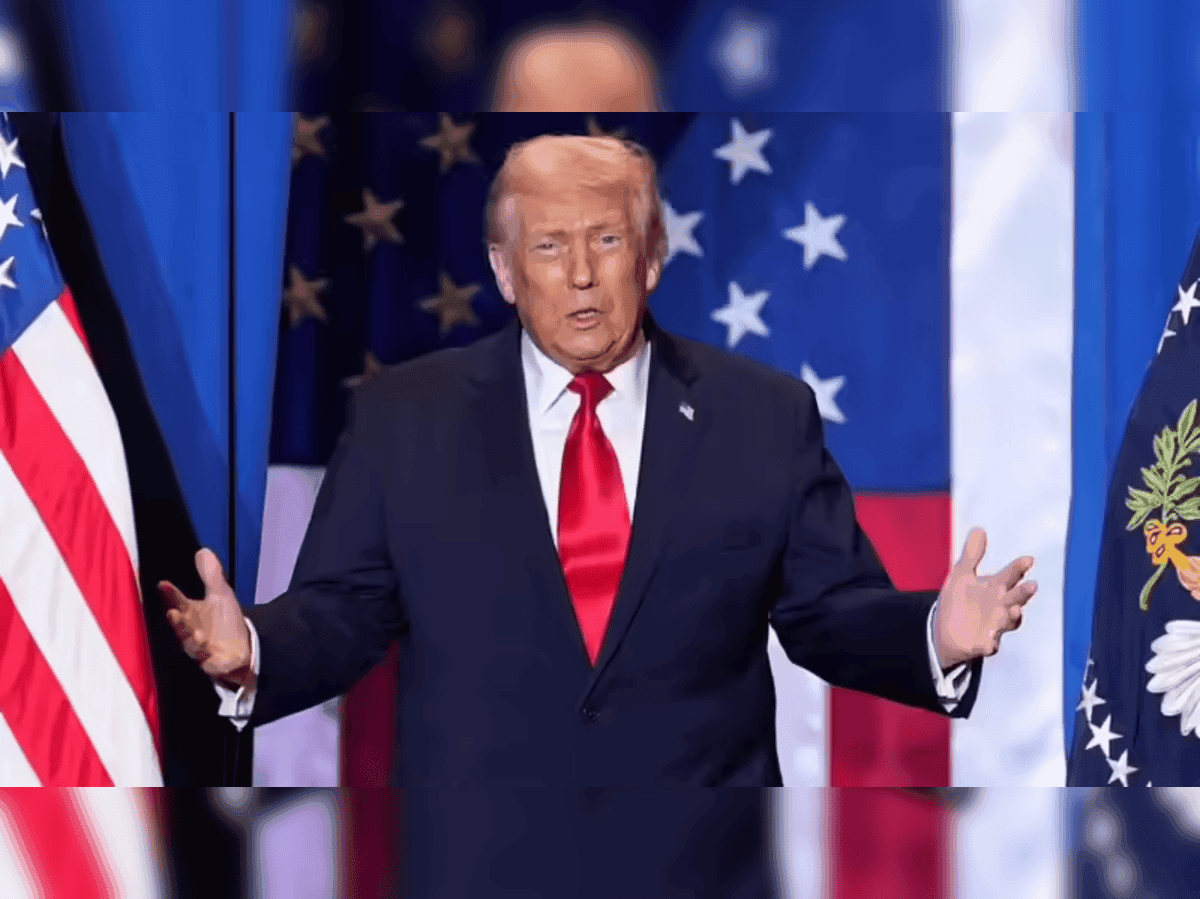
The Trump administration has ordered US diplomats to lobby against foreign data sovereignty laws, arguing that such regulations threaten the advancement of AI and cloud services while imposing unnecessary costs on American tech companies. In an internal State Department cable dated February 18 and signed by Secretary of State Marco Rubio, the administration outlined what it calls "a more assertive international data policy" aimed at countering data localization mandates worldwide
1
2
.
Source: ET
The cable warns that data sovereignty initiatives would "disrupt global data flows, increase costs and cybersecurity risks, limit Artificial Intelligence (AI) and cloud services, and expand government control in ways that can undermine civil liberties and enable censorship," according to Reuters, which obtained the document
2
. This directive represents a significant escalation in tensions between the United States and countries seeking to regulate how US tech companies handle citizen data, particularly as AI firms increasingly rely on massive stores of personal information to power their models.Targeting European Regulations and GDPR
The State Department cable specifically cites the European Union's General Data Protection Regulation (GDPR) as an example of unnecessarily burdensome regulations that impose restrictive "data processing restrictions and cross-border data flow requirements"
2
. The 2018 GDPR has imposed restrictions on transferring Europeans' data abroad and has led to a series of stiff fines on American tech firms. The cable's criticism of GDPR signals a direct challenge to the European Union's regulatory approach, which has included additional measures like the Digital Services Act and the AI Act designed to curb Big Tech control and exploitation of user data1
.
Source: TechCrunch
Bert Hubert, a Dutch cloud computing expert and former member of the board that regulates the Dutch intelligence services, characterized the shift as a departure from previous diplomatic approaches. "Where the previous administration attempted to woo European customers, the current one is demanding that Europeans disregard their own data privacy regulations that could hinder American business," he said . This more confrontational stance comes amid flaring tensions between the United States and the European Union over Washington's protectionist trade policies and support for far-right political parties
3
.Action Request and Global Strategy
The cable, described as an "action request," tasks US diplomats with tracking the development of proposals to restrict cross-border data flows and supplied talking points promoting the Global Cross-Border Privacy Rules Forum . This group, established in 2022 by the United States, Mexico, Canada, Australia, Japan, and others, aims to "support the free flow of data and effective data protection and privacy globally"
3
.
Source: Jerusalem Post
The directive also addresses China's approach to data governance, claiming Beijing is "bundling enticing technology infrastructure projects with restrictive data policies that expand its global influence and access to international data for surveillance and strategic leverage" . China has tightened regulations over how its companies store and transfer user data in recent years, though the Chinese Embassy in Washington stated that Beijing "has always attached great importance to cybersecurity and data security"
4
.Related Stories

Implications for Privacy and Surveillance Concerns
The dominance of US tech companies in artificial intelligence—many of which draw on massive stores of personal data to power their models—has underlined European concerns around privacy and surveillance . Officials across the continent have increased pressure on American social media giants as data sovereignty initiatives have gathered pace, particularly in Europe. Data localization mandates vary in scope: some impose rules around where information is kept by requiring that data collected from a certain nation only be stored within that country, while others put restrictions around how data is shared, limiting its distribution to foreign companies
4
.This cable represents the latest in a series of initiatives aimed at thwarting European regulation of the digital sphere. Last year, Marco Rubio ordered diplomats to oppose the EU's Digital Services Act, which aims to make the internet safer by compelling major social media firms to remove illegal content, such as extremist or child sexual abuse material
3
. Last week, Reuters reported that the United States planned to launch an online portal intended to help Europeans and others bypass censorship of material including alleged hate speech and terrorist propaganda . The State Department did not immediately return requests for comment on the cable, though it stated the US strongly supports cross-border data flows that promote growth and innovation while protecting privacy, safety, and free expression3
.References
Summarized by

Navi
Related Stories
Trump's Executive Order Targets State AI Laws, Sparking Bipartisan Pushback and Legal Uncertainty
08 Dec 2025•Policy and Regulation
US Homeland Security Chief Criticizes EU's AI Regulation Approach, Calls for Transatlantic Harmonization
20 Dec 2024•Policy and Regulation

Microsoft Urges Trump Administration to Reconsider AI Chip Export Restrictions
26 Feb 2025•Policy and Regulation

Recent Highlights


Recent Highlights
Today's Top Stories










Your Daily Dose of Curated AI News
Don’t drown in AI news. We cut through the noise - filtering, ranking and summarizing the most important AI news, breakthroughs and research daily. Spend less time searching for the latest in AI and get straight to action.

